Filling a silent room

•February 9, 2010 • Leave a Comment

The city perhaps cannot be summarised. On reading The City Reader; one can group ideas of construction; of power; of struggle; of effort; but the city which is so referred to becomes a façade of a tired mind; consumed in definition and the engulfing need to classify experience to allow it to become comprehendible. The everyday life of the city; the routine; as so often we see projected in cyclical realms of film and in images of the dawns and dusks; but whose city do we so eagerly consume with tired eyes in the early hours. Watching yesterday films of the unique everyday lives of subjects unknown; reading accounts of the trials of the city and trying to allow an identity to form. To remove the self; the walk to work, the supermarket, the potential eviction; the bailiff, the broken boiler, the decisions, made and unmade, the lily pollen which stained my clothes, the boy who bought me a cup of tea and gave me a book, the lady who asked me if I would sit with her a minute as she was lonely, the bus stop, then what does the city become. Such softness in the kindness of strangers. I live in London. I walk the streets on a daily basis with a camera, framing, curating and navigating the string of discordant events which seamlessly pass; yet to what avail? To begin an understanding? To formulate a hypothesise? To construct and reconstruct? I collect their stories.
The stories of the city folk. The boy on the bus sat there for over an hour and narrated his version of the map of London. The lady on the train let me walk with her all the way to her office and told me her tale of a city, the man in the newsagent tells me what happens to him everyday, the duke in the kiosk tells me all about his long nights as he stands behind the shuttered gate. All of these stories are different; they are all in a medley of event, sorrow, mistrust and hope. The city remains a playground to dreams. This morning I taught 8 nine year olds how to dance like no one was there. It was in a studio and as soon as they left they said that they would not do that outside. The city seems often a façade; an allure of image which no one quite holds true; as though we are all desperate to see the city as soft; but know it is firm and does not wait for dripping impressions. Each day I get a letter from a friend in a different city. Each day I reply. The cities we both describe are similar; the city on the page I read is very similar to the city I write. We have never said the names of places or people in our city. As though the city becomes a vessel for own thoughts; which we project softly an awe as to nature of the daily city we both narrate. We do not keep the letters; instead; post them in a letter box to a new address. We have yet to trace the letters; yet one arrived to the other city two weeks ago with comments; a sign perhaps that our insanity is shared; or that the city can always be a source of intrigue, mystery and delight.
I began the other day to tire of the city; three years now of dedicated research; seemingly meaningless in the eyes of Walter Benjamin on the grander scale. I began to question my own ability to define the city; referring to past deifications, scaling Weber and Hall to make my own observations more creditable. I seek now not to define the city but to allow it to redefine each slow hour which passes as light changes. I am embarking on a project; it need not be stated; but it soothes such query; as I will seek to define the city beyond the nature of own belief and questioning. The city exists as fragments of life’s; colliding and meeting; moments of intense beauty in the railway station and immense sadness in haunts remaining with shifting names. I will aim to collect the everyday; in notebook, in mind, on film, to mark the ticking of the heavy clock and to make soft the weight of universal definition. Stories in pubs of the last night out, “ her boyfriend left her on the bus” “ They don’t even sell that in the shop by mine” “ His potatoes are too pricey” “ Jane said he got her on her knees” These moments where consumption with the symphony of other people’s lives is all one will need to fill a silent afternoon and gloaming. Collecting fragments of other people’s lives to make stories which all categories to form.

The everyday haunts us, walks with us the darkest hours in the silent passages we prefer to forget. The everyday mourns our misgivings and grieves our departures. For a moment I sat at the bus stop. A woman walks past with a collection of birds in cages which she carries like a handbag, docile they consume the jungle which awaits their impressions; a man vomits his kebab on the curb; a car speeds past; the bus arrives and I depart to the next narrative. The everyday refuses categorisation; slipping between the lines of assured sociological definition to assure us it will remain constraint and limitless in its potential.

The road outside is mute. A horse slowly passes guided by a police man. A old man walks laboured along the pavement. A leaf falls. Such silence is beauty. A beauty almost absurd. The post man arrives. Another letter from the city which shall remain nameless; paved with the same concrete and covered by the same grey sky.
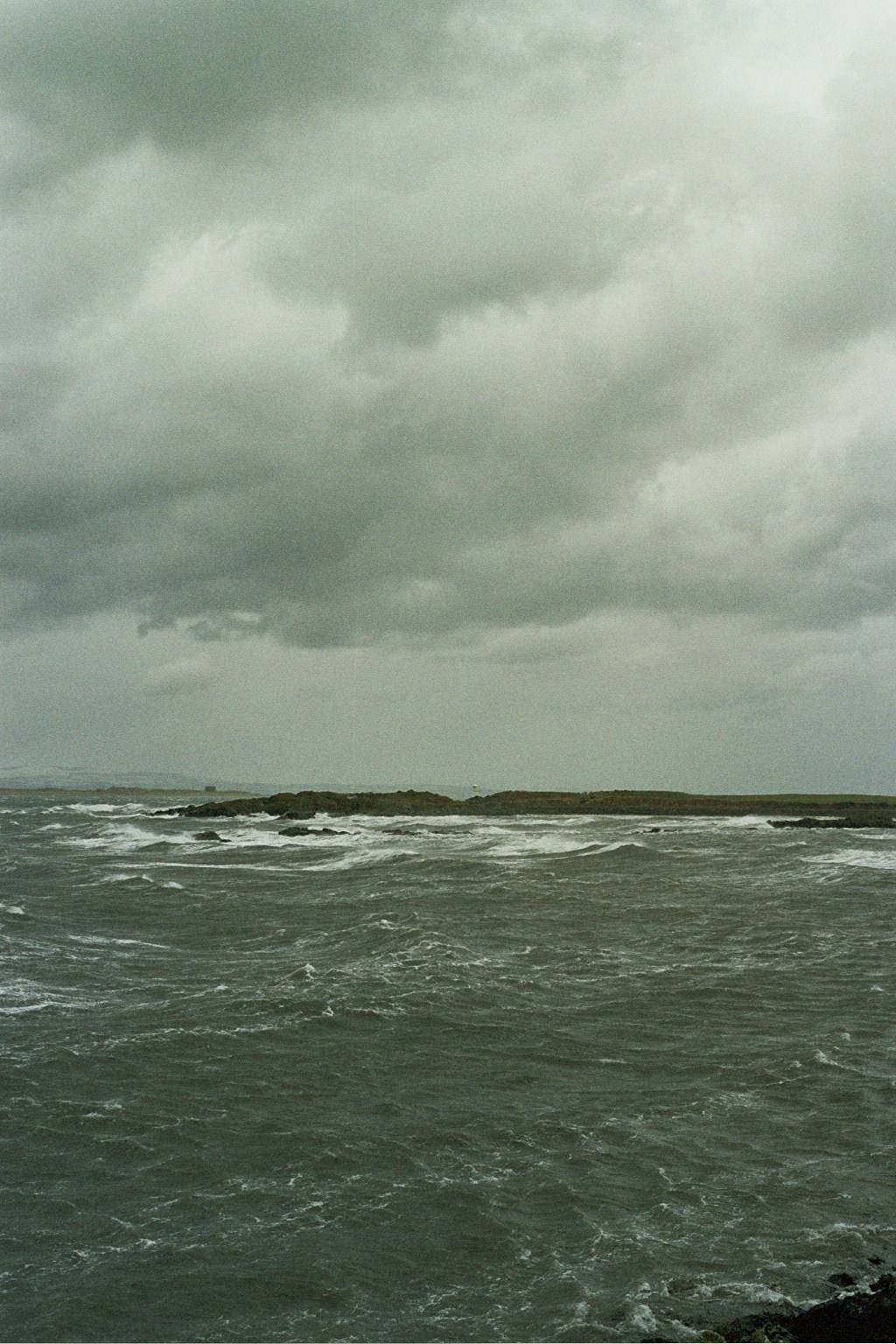
We sat and watched the shipwreck ( narrative lament )

•January 7, 2010 • 2 Comments

The narrative avoids construction
Lying wounded and praying no remorse
Time pauses for their demise

In the wind their songs echo
Laments of the fallen
Desires of the weak

Half hearted and bitter

The determined placed their shoes on carpeted floors

The sun would not rise and the shadow would veil such sin

The day will not break
In his reign they fear to tremble
For weakness to the ocean

Drink with me he asked
His house burnt to the floor
We sat and watched the ship wrecks
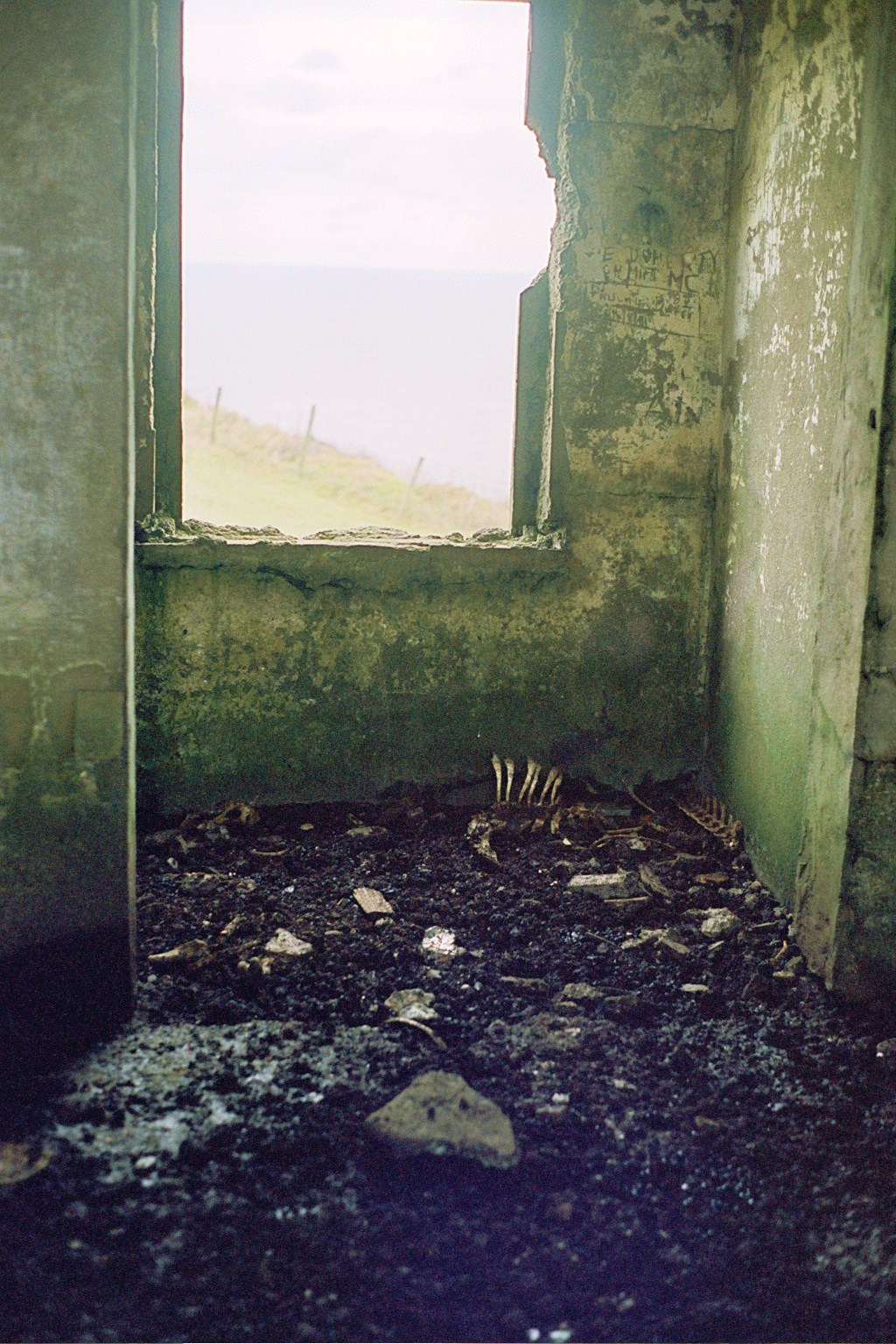
Counting bones on the floor

le chemin qu’on a peur de se rendre aux

•December 26, 2009 • Leave a Comment

Creating internal conversations.

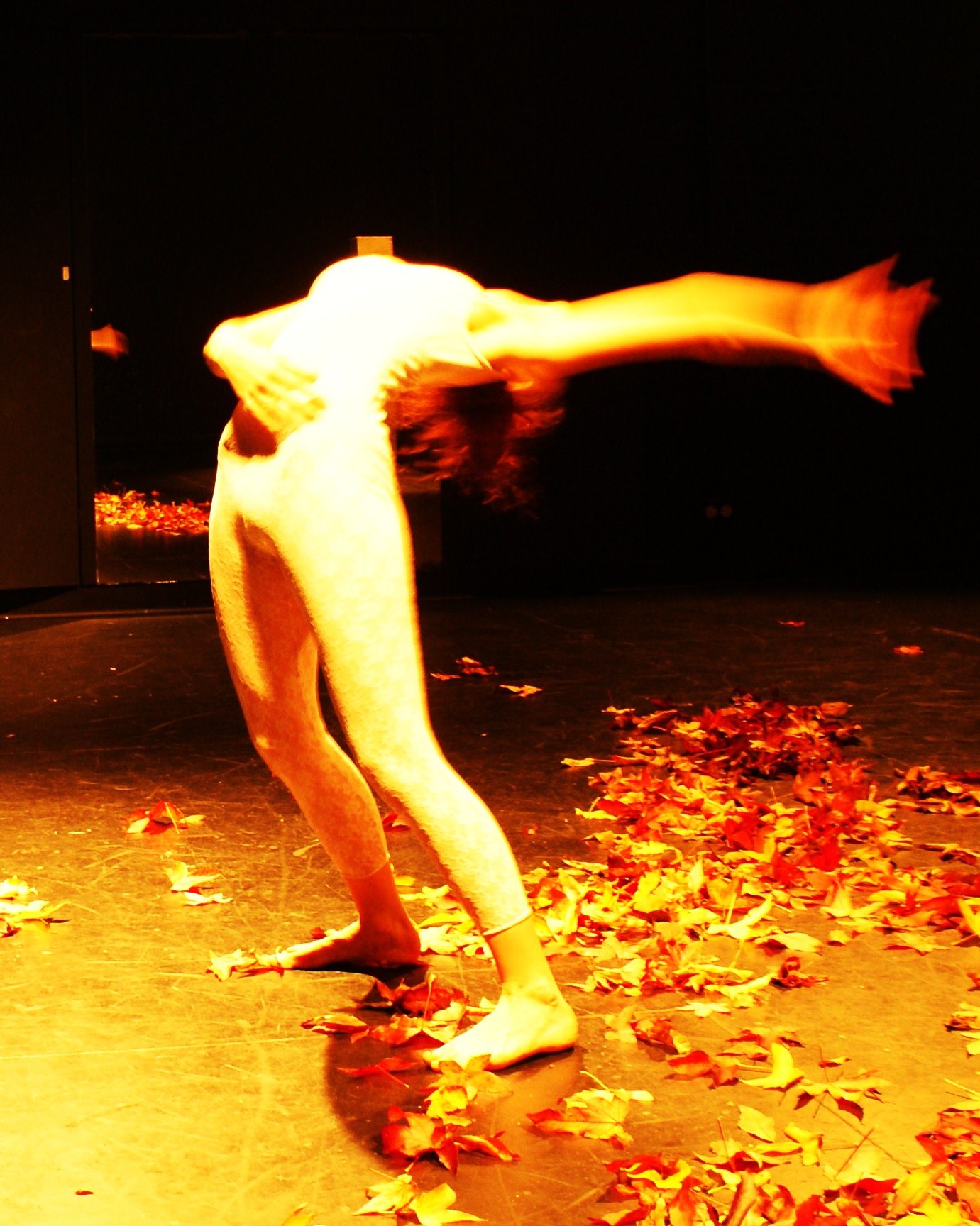
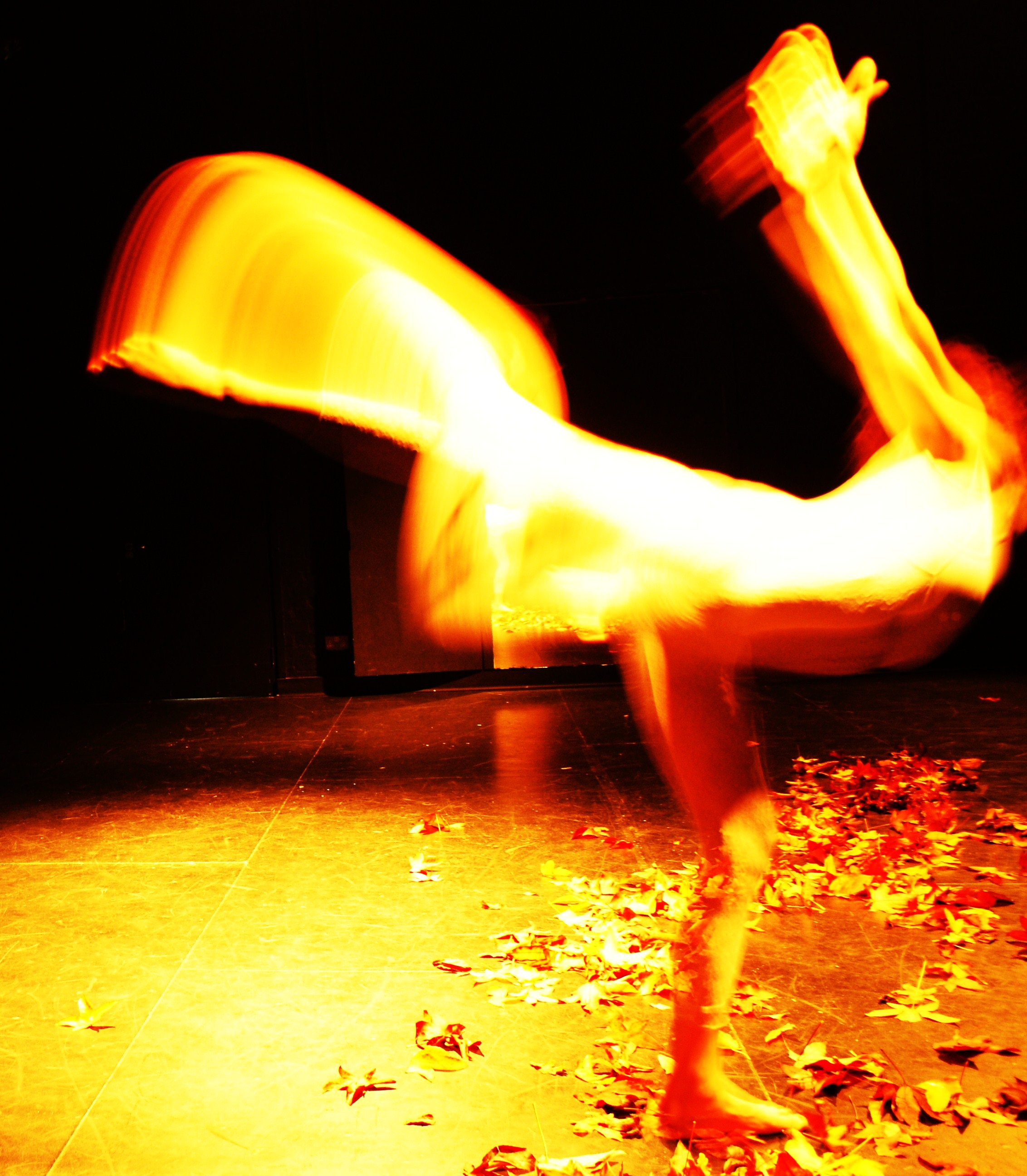
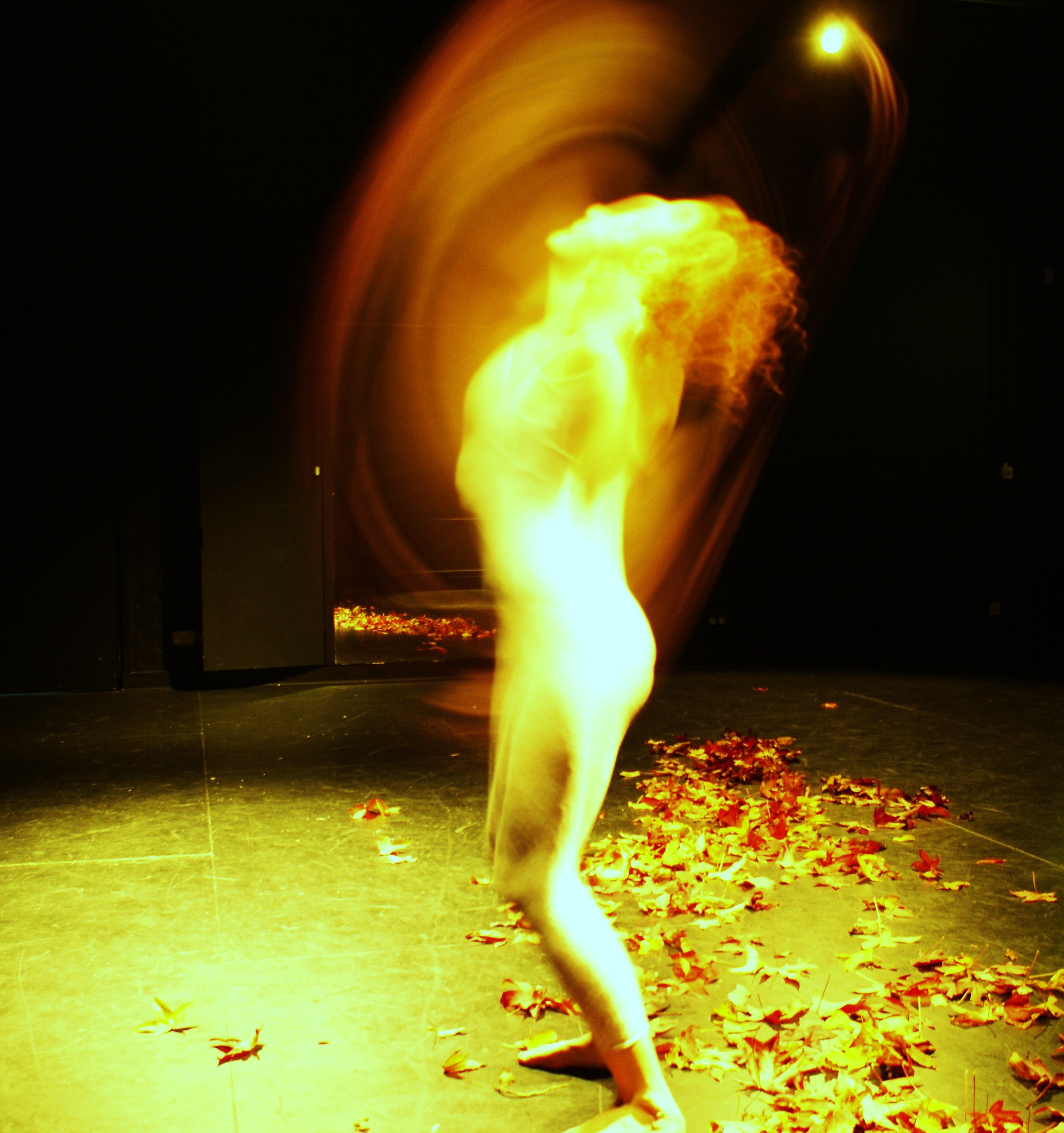
A performance of dialogue of the moving self with relation to the calm intensity of the affects of urban life.
A silent conversation of reflection in austerity; of torment in unknown; the passages of the mind and their stony mazes; paths which mark no departure and expect no return.

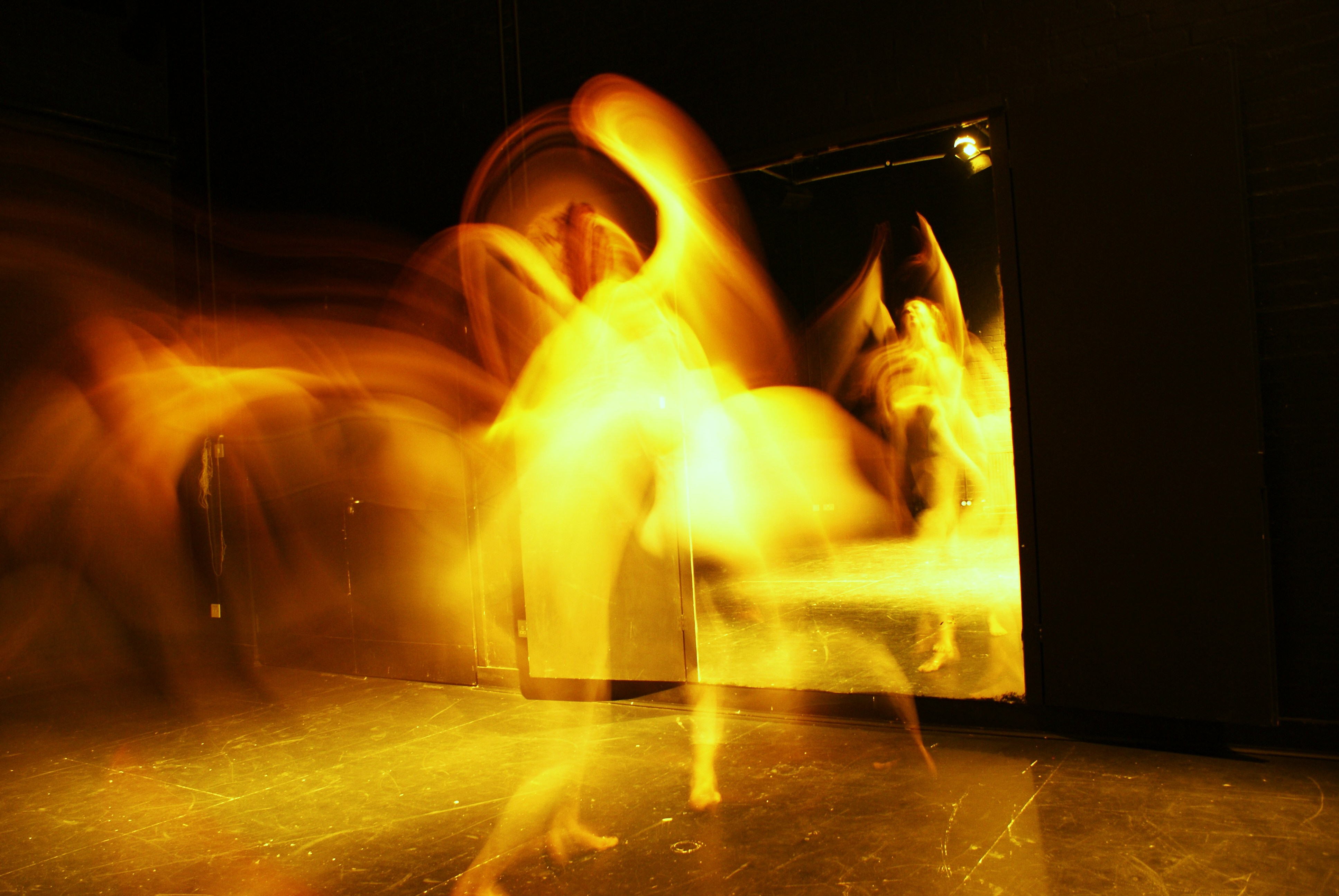
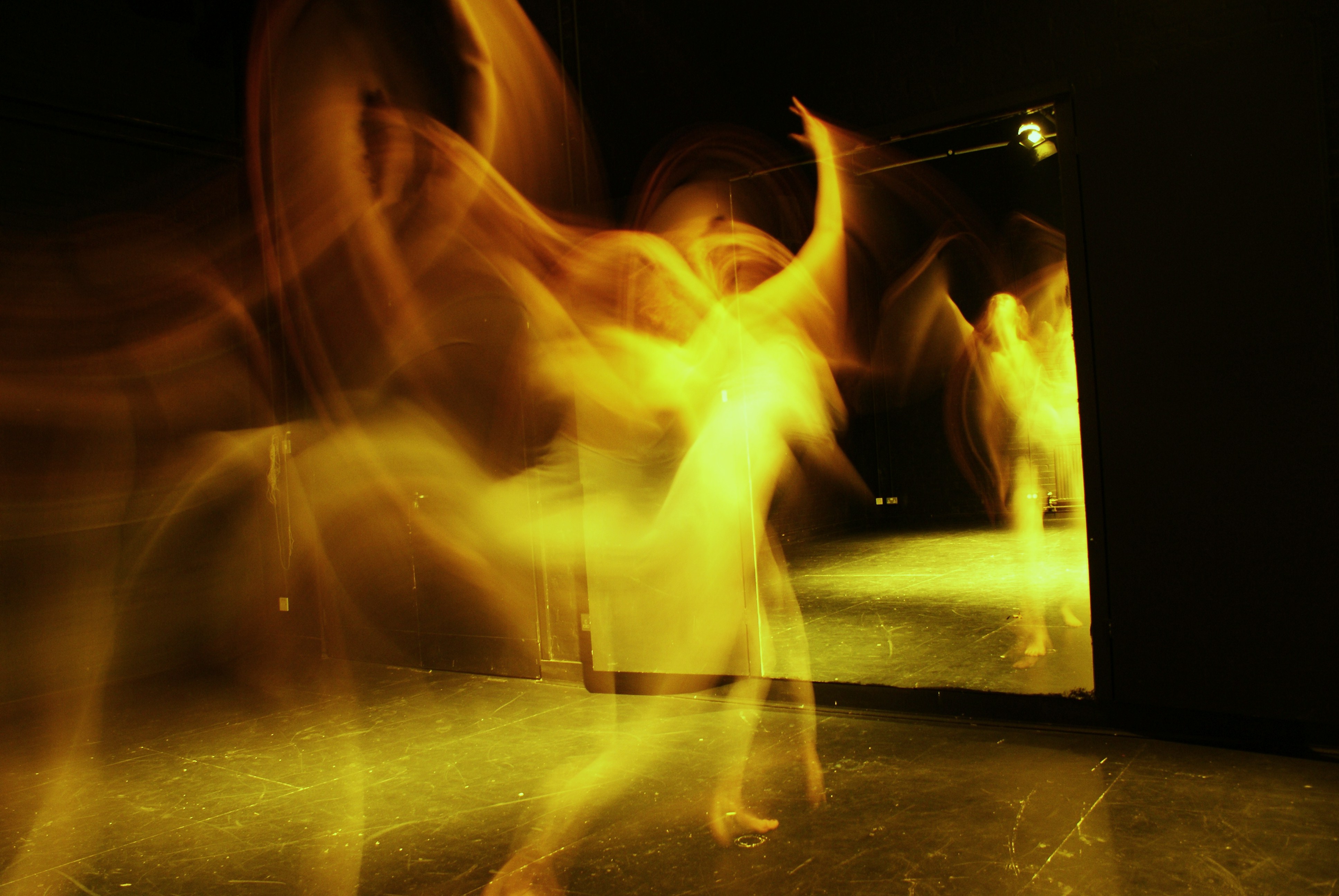
A dark room; silenced by the passivity of the dull soul who wanders grey corridors in search of the neon. A body in space; wild and liberated to express such discontents which mar notions of the progress to destinies of continuity.
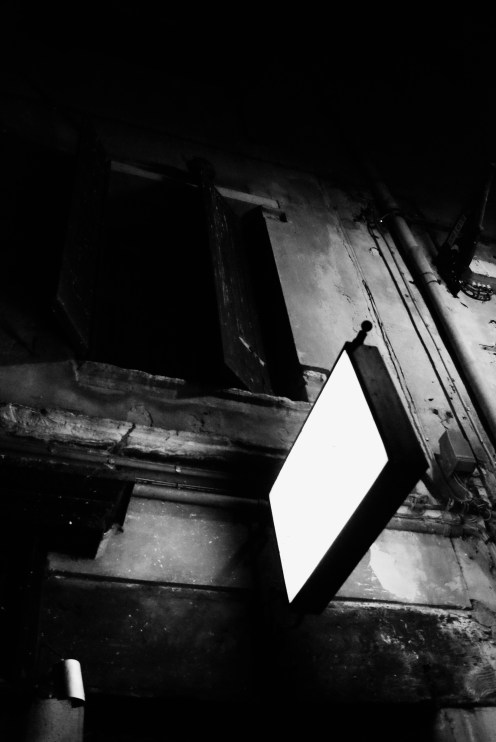
The eyes pass; linger and stare; moments of the myth of purity; the camera forms a meek impression; determined and yet silent in its searching; the pace of the body heaves and laments in mild amusement as to the frailties of the weakened souls who still march in worn boots.
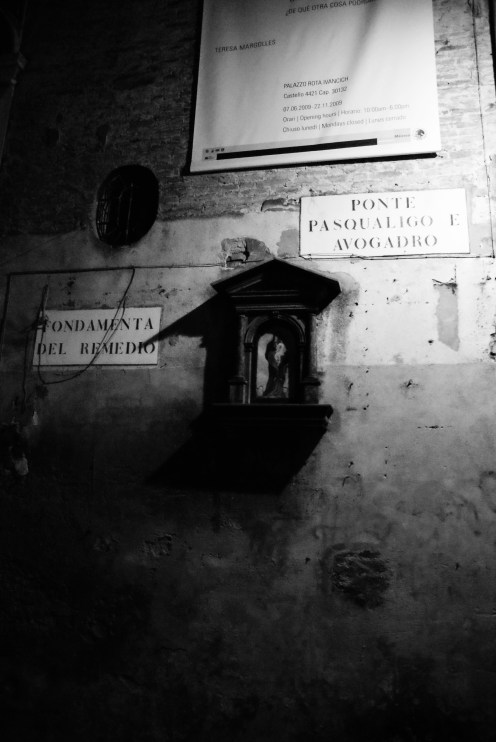
Who knows the name of the lingering scent of the sweats of cold nights wondering who might construct the path to the old city which lays fallen; to catch glimpses in the half light of the burning embers which amass to notions of decay.

This is the movement of the absurd; of the hope which holds an iron curtain to a crumbling wall; of strength of frailty.

A body held close to time.

se cacher dans le coin silencieux d’un esprit fatigué. comment la mémoire nous tient serrés et serre dans la forme rapide du déménageur. qui décide notre destin; qui sait cette recherche ? nous marchons par les congés tombés; silencieux et sachant.

The Lost Narrative Documentation:

•December 6, 2009 • Leave a Comment

The lost narativePerformance installation:

Friday 4th December at Dartington college of Arts..

Photographic documentation can now be viewed at

https://beatricejarvis.wordpress.com/the-lost-narrative/

A lost narrative: New performance work

•November 24, 2009 • Leave a Comment

A lost narrative

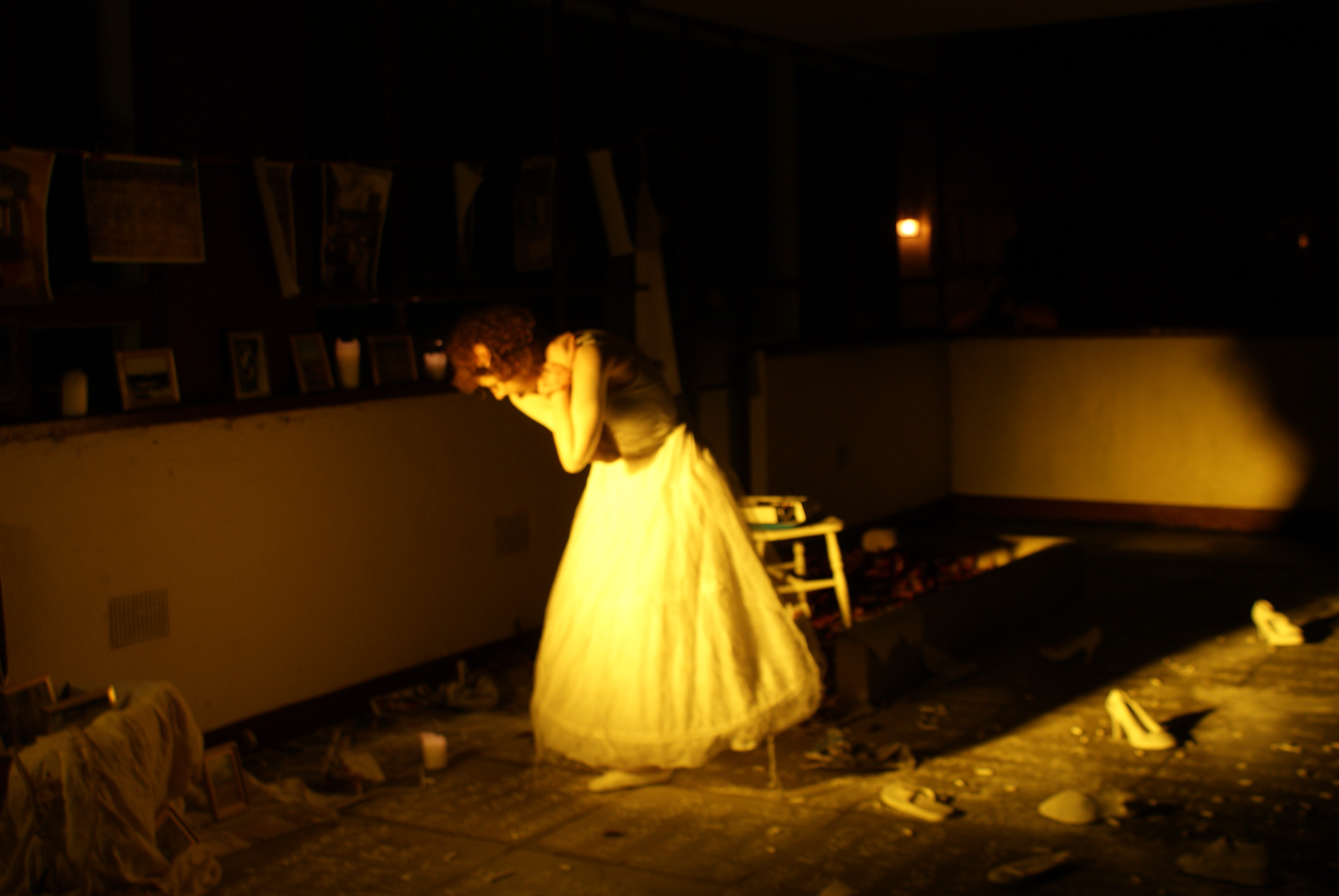
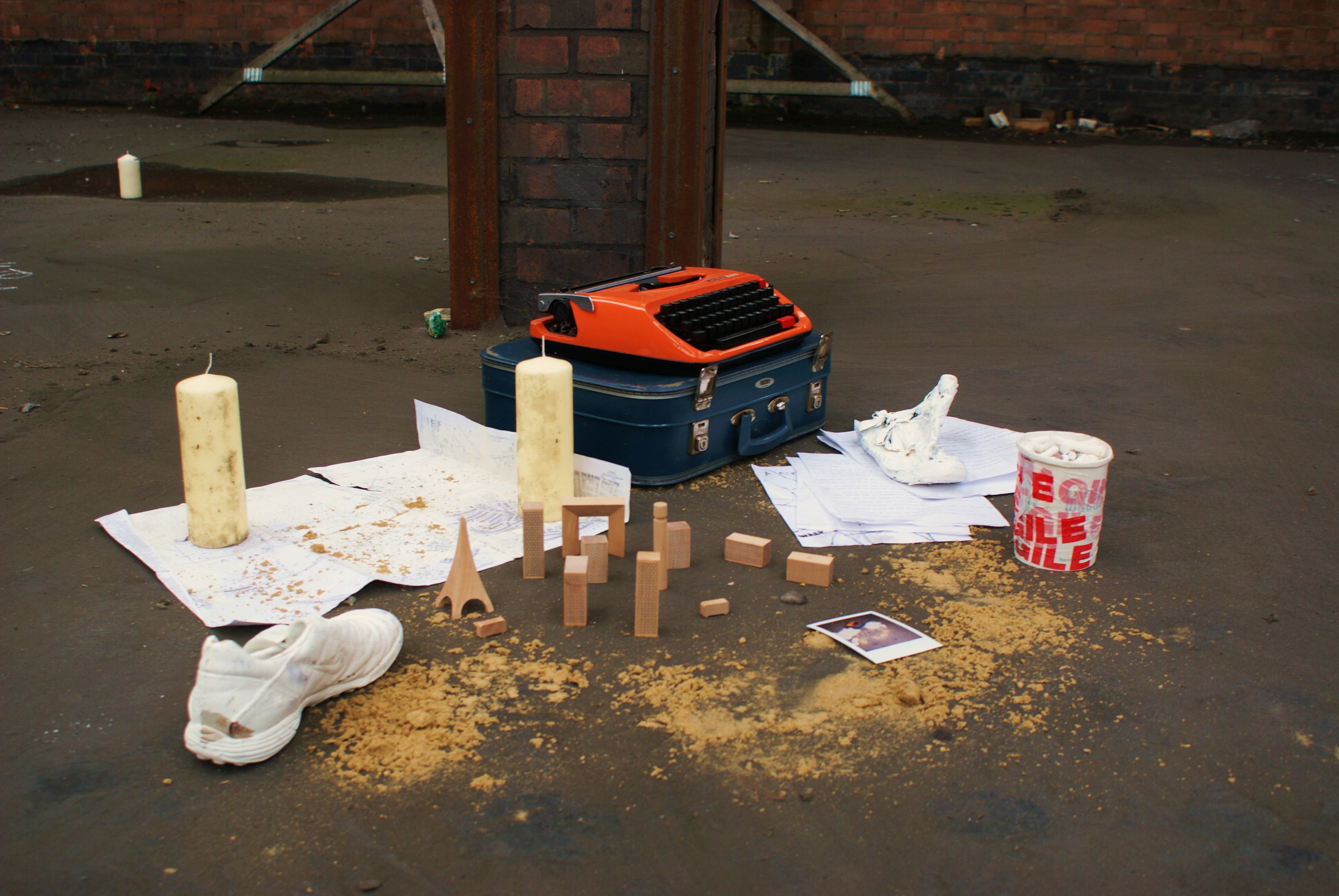
A site specific performance installation by Beatrice Jarvis

Winter Dance Gathering

 December 4th 2009 Dartington College of Arts

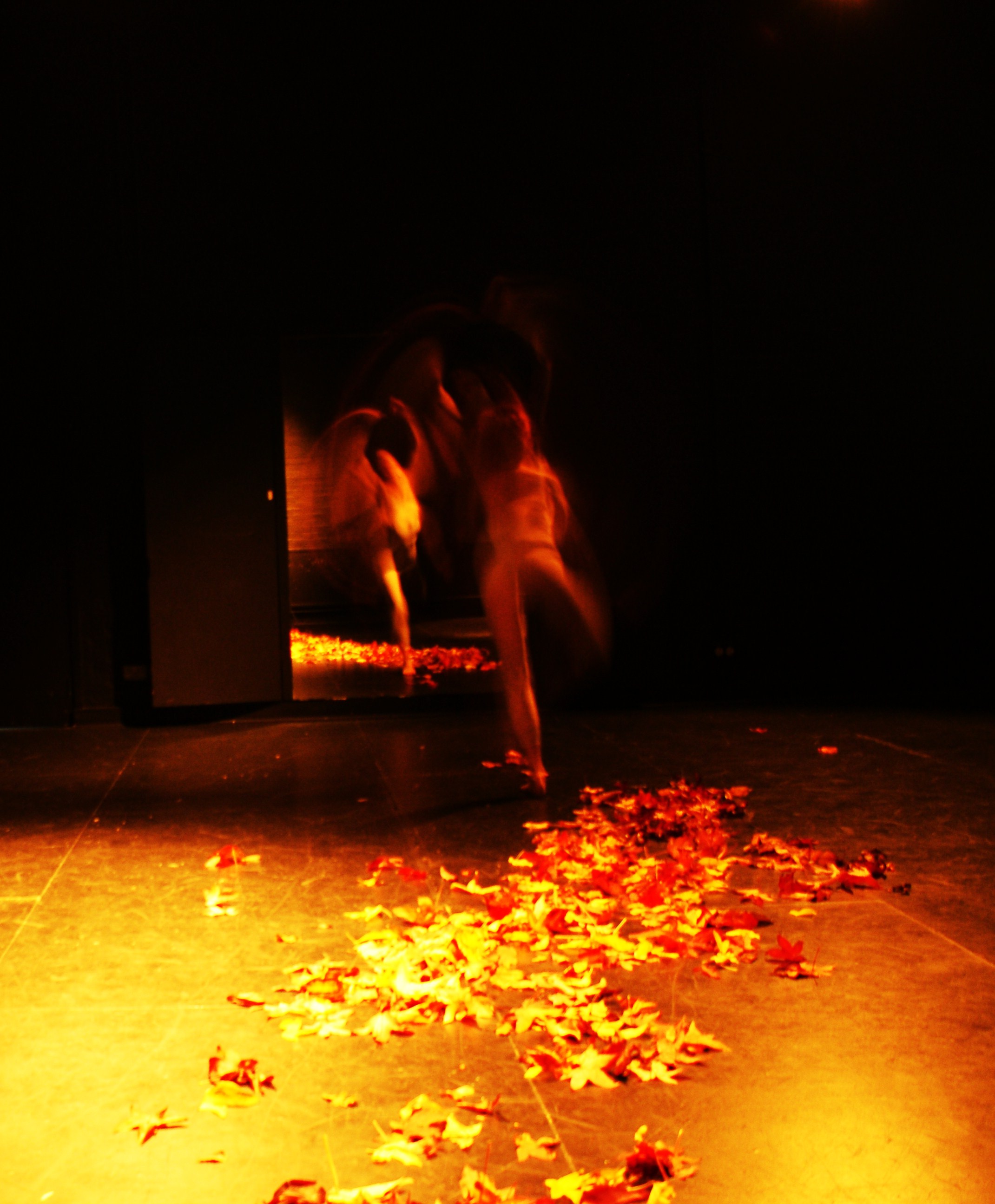
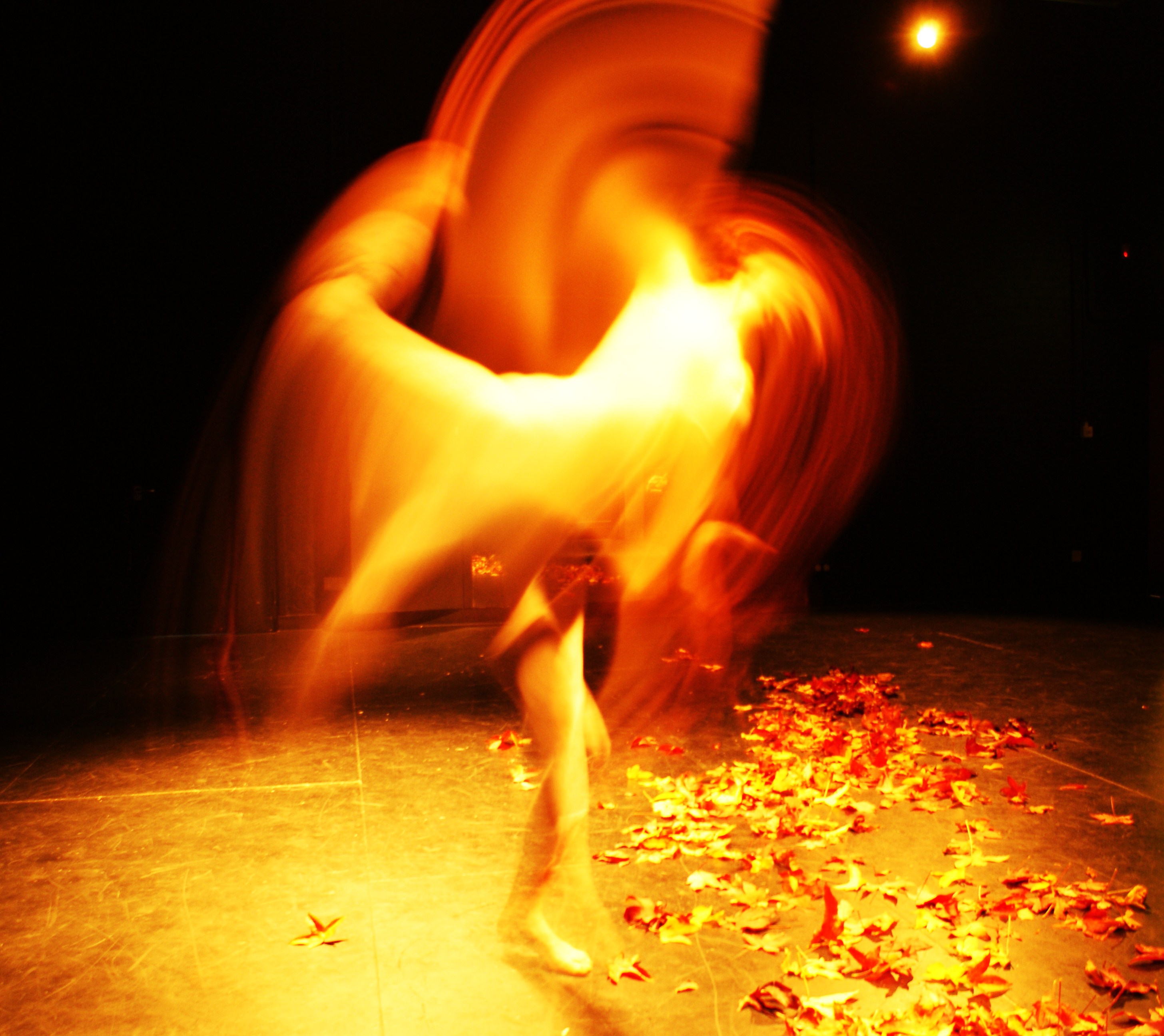
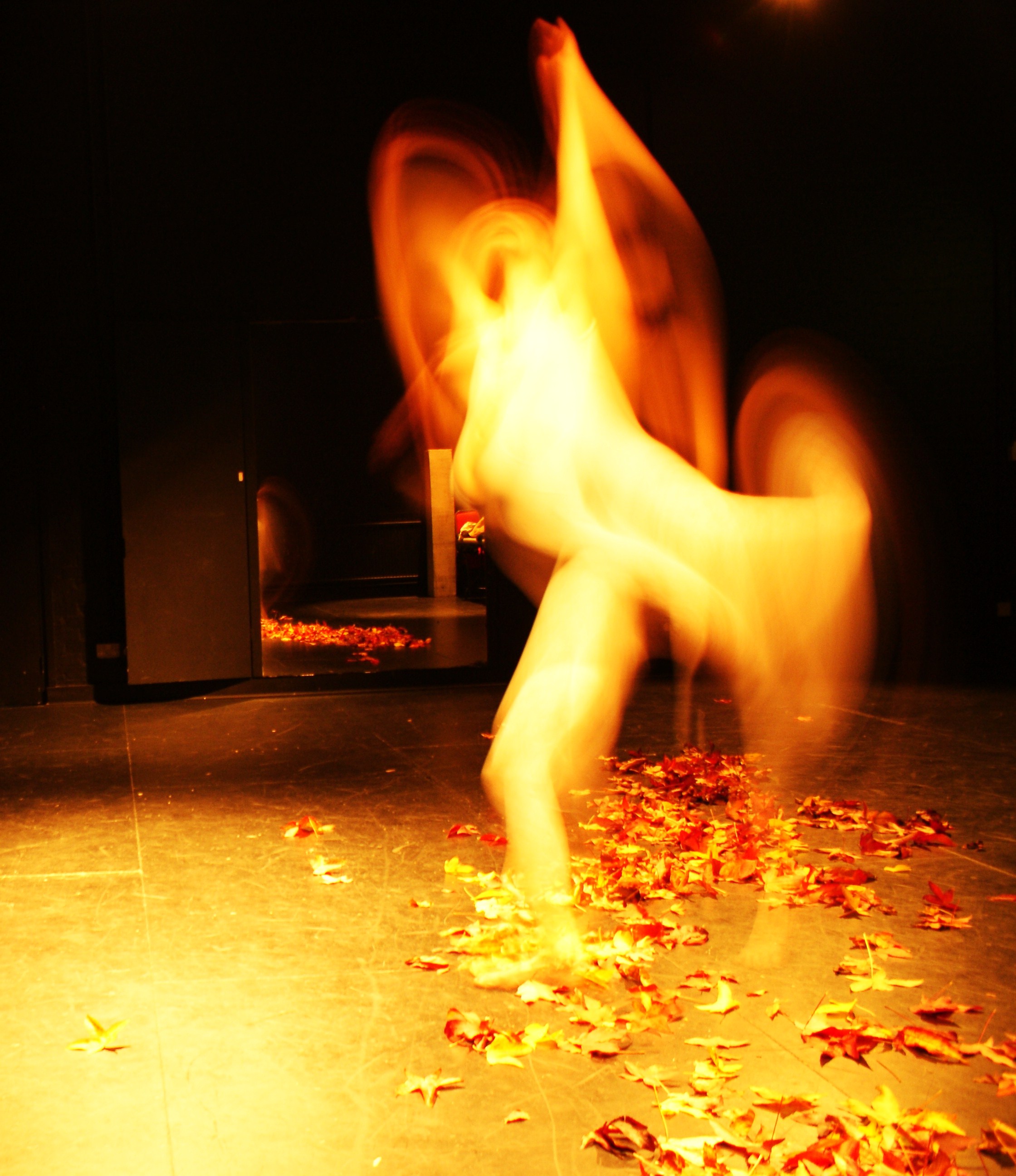
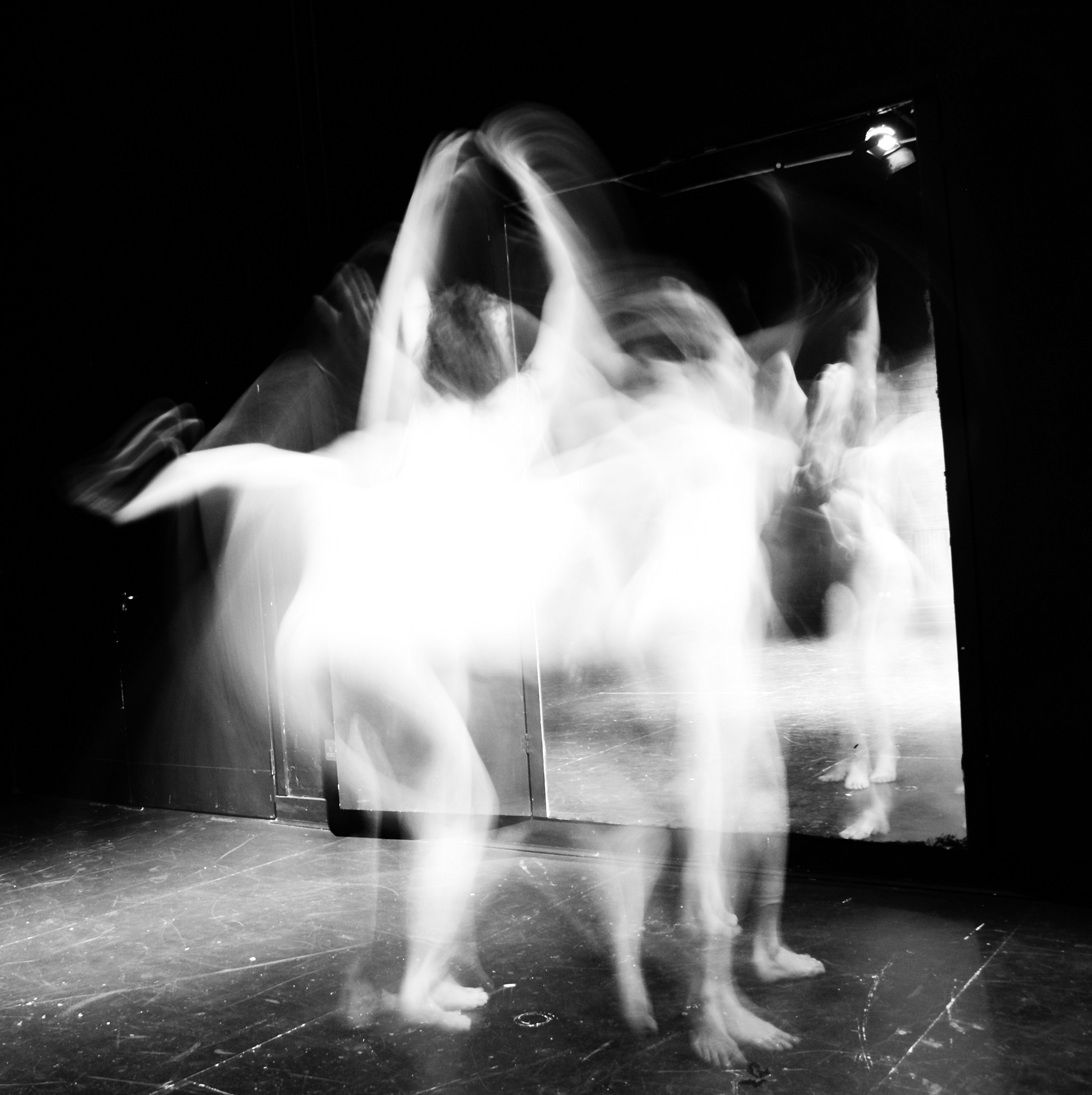
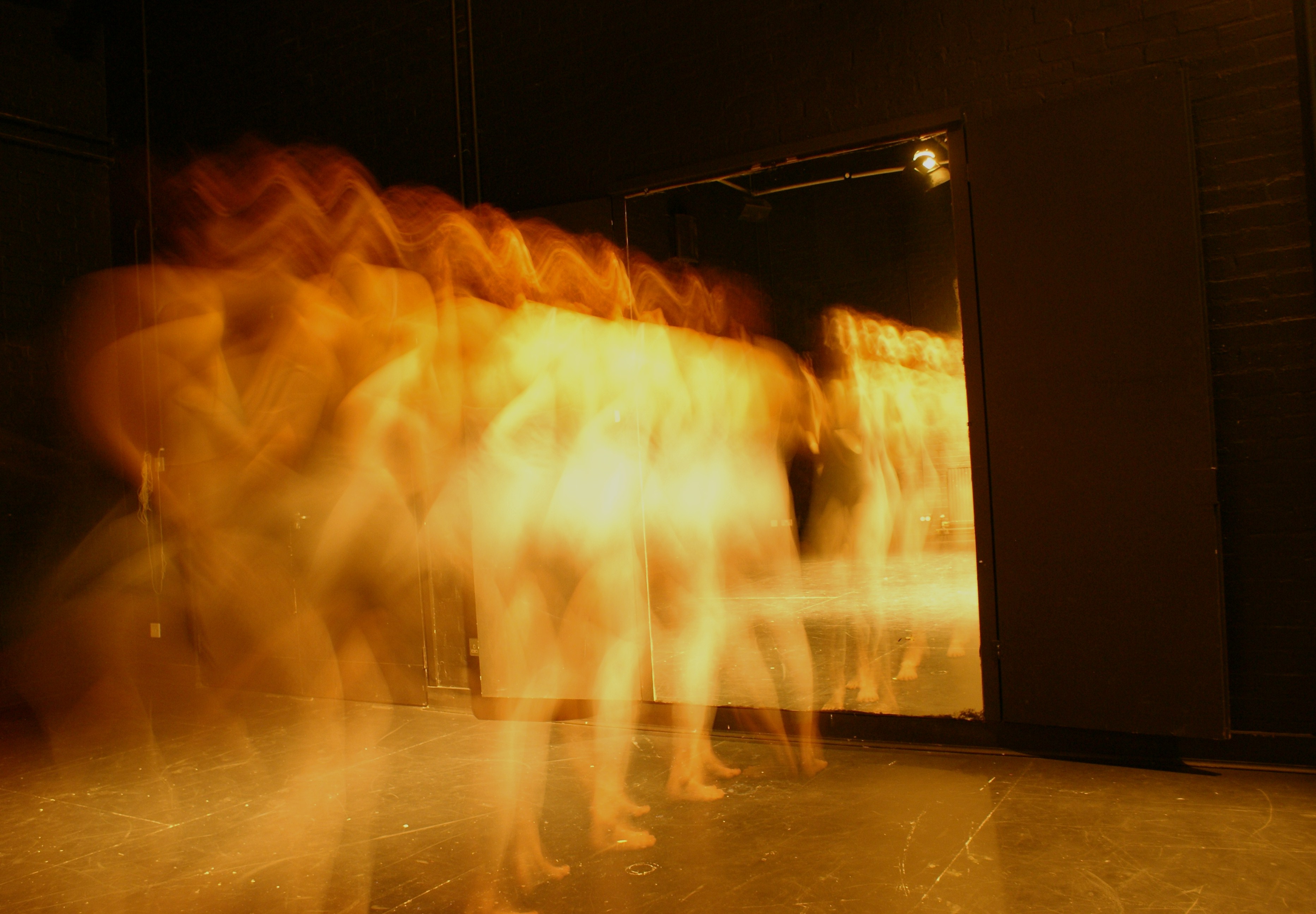
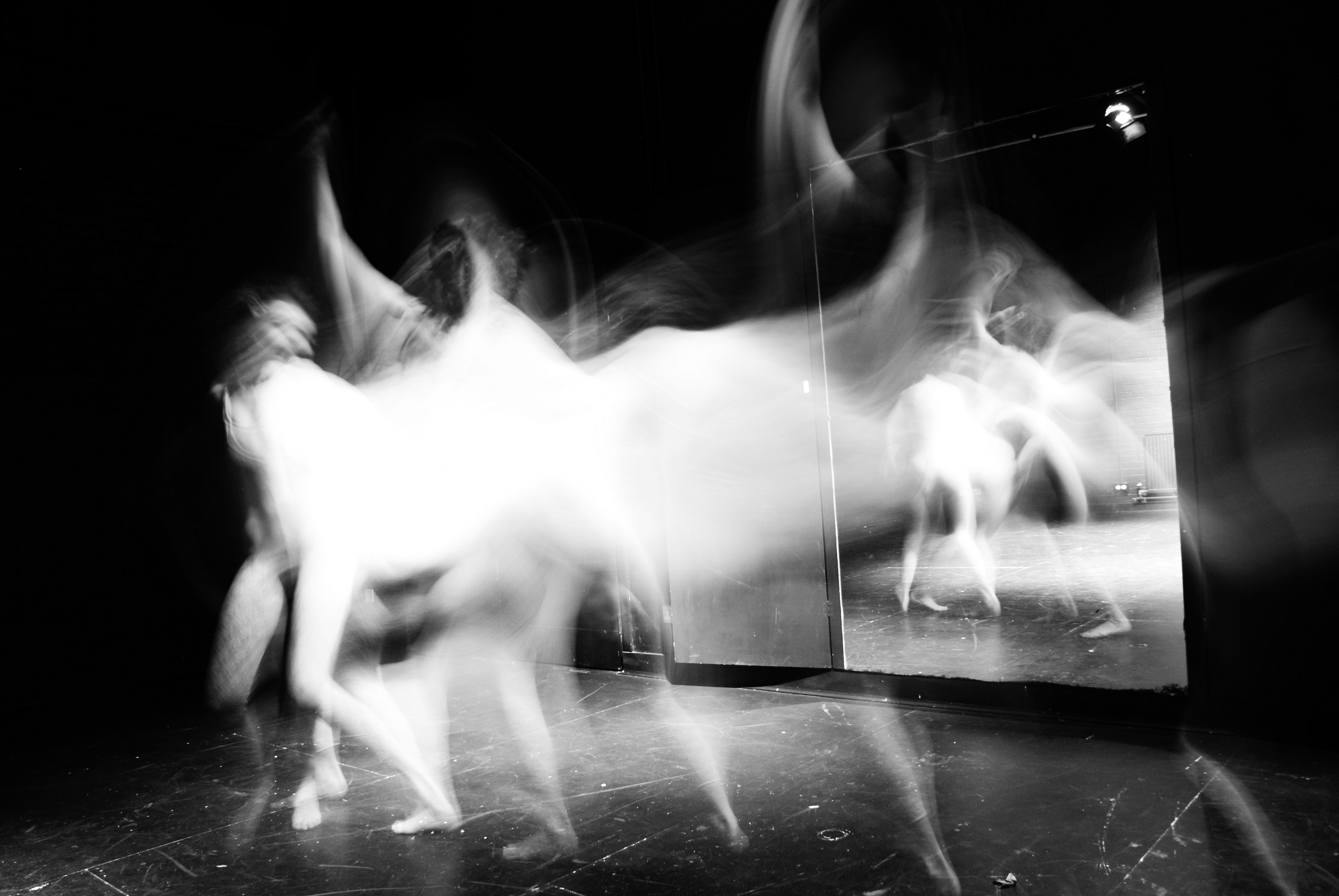
 A space of peace. The city for lost dreams desires and fears. A movement of solace and empathy for the lost ideals. Whispers, echoes, the imprinted memory in my camera of a thousand forgotten footsteps, a candle burns bright in homage to a fallen utopia, a wasteland as playground for the disaffected.

This piece will explore the emotional and architectural aspects of performance space in a practical and ideological form, seeking to reflect the death of a part of the human soul in a era of hyper modernity. The total narrative of urban structure a seeking to form an understanding through constructions of multiple narratives of the interpretation of complex infrastructures.

This is an exercise of documentation of human experience of urban form to generate a softness through choreographic semiotic that strives to overcome the complexities of the comprehension of daily life. An investigation of the affects of architecture of on the individual. Cities which are constructed and deconstructed through myth and reality that defies cartographic navigation and seeks instead a creative expression of sympathy to overcome such monumental questioning of the nature of being.

This is the first piece of work I have made from a specifically sociological theoretics perspective and its a venture into a new realm of performance interdisciplinary genre within site specific spaces.
 
I would like to invite an open critique of work and will be making a video presentation of my work as a source of open debate and research stimulus to which I have asked a few to attend.
I am aware Devon is far for many; so I see this an exercise of performance making documentation, how to translate work through conversation to over come geographic boundaries to allow greater open access for artistic collaborative opportunity.
 
I am keen to use this new work as spring board for a new creative conversations network I aim to start this month; a series of small events/ collaborations and conversations held between arts professionals and emergent artists as to the nature of the future of the arts for young emergent artists; a platform for dialogue and discussion; for which I would like this new work be subject and stimulus. 
 

For further information please mail urbanresearchforum@googlemail.com

curation of a city

•November 15, 2009 • Leave a Comment

curate

To curate a city?

To narrate an experience of a city; each footstep a perception of a realm that is not the over stated.

The city is an institution; one which we can impress upon our dreams and constructs of realities that defy an initial intention,

The city as a curation; an exhibition of the oblique everyday…

A mode of perception

What allows us to see the city as exhibit? Or as routine? As function?

This city is a gallery; this city is a shell. The white walls now thick with the layers of age and the fresh paint a mere memory.


This city is a show ground.

does that rubbish bin have to be seen? can the streets be cleaner? lets draw on all the walls, sleep here. lets make signs..

the chorus of voices I can hear, forming the shapes of the city, allowing it to tak another shape, watch the city taking shape..


show room

.

a love that haunts

•November 10, 2009 • Leave a Comment

non sign


The city did not await my return. It sits waiting for the higher form of adoration. It does not mind my softness and humours itself with my mourning’s for its loss. The city meets me with no caress and laughs scornfully at my adulation. There can be a peace at dawn through the shuttered windows listening to the life blood flow into the city before the sun can over look. Women clatter their umbrellas and more boards lay over the city to keep us from our fears. The rain falls softly into glass jars which are sold to anyone who wants to remember the smell of such decay.


This city is a theatre, a monument to urbanity which now stands rooting and which we mock with our cameras both in disbelief and absurdity.


There have been many authors who have tried in vain to narrate this city; to an eye unseeing they may be profound, I fear however such sort legacies.


I walked the city with my mother. Half in awe half in confusion as to how I should frame such marvelled jewels. What distrust there exists in such beauty and what contemplation there can form in the silence of the veiled street.


I sat for three hours waiting to form a narrative. I watched and I listened.


The boat journey was one of solitude. Three German men; two brothers and their elderly father shared some mint chocolate and seemed afraid to muster a smile. The city seemed nervous as to its own capacity as we began to encroach; past the mud flats which were fortunate to live out a different fate.


The city that resides in formalities and expectations as to what a city might be.  


non religion

This is a city which warrants a silent homage

a city that does need name repeated in postcards and faded signs

to fall in love with a city which will warm to no affection

which will soak suitcases and block all roads so I cannot leave without trail

to be on trial for an unwritten crime; still i pace the streets when dawn is yet to arrive

still i deny the spectacle a plate in my camera; shying to dark corners to satisfy cravings for peeling walls

my love


i write now of plastic super markets and eat canned food

such contrasts warrant a note


the picture shot

already i yearn return

The city we argue does not exist.

•November 3, 2009 • Leave a Comment

The potential remains unknown. The searching comes in the final goodbye. I wonder a thousand solitary steps why that it does prove a reprise. Why then does the city repeat such foot steps.


The temporary. The residual.


It lingers.


A moment which forces repetition to forge reality that can perhaps seek a solace in walls of partially cement.


The city we argue does not exist. it is a mere construct of narratives which we repeat and repeat to form and accountabilty. The city becomes an exercise in reason and rationale; a test of our own accountabilty to a general narrative. the everyday becomes a mock up of a series of dialouges and exchanges that layer a land. The everyday is a rhythm of silences and breaths; gasps and exhalations of simulataneous shock when our narratives collide. the personal reality and interealities which we allow to form constructs can fall; we can stop believing a visison of a city then the city falls and becomes a ruin.


Tomorrow I return again to Venice. The city a man on the bus tells me has died. he has lost faith in the narration of the city which his rather reclaimed and sees now only the pink glitter postcards of an unknow present.

The city however to the tourist who hovers arond us as we sit in Donatellos cafe still exists with a venom which I can not define.

To each of us the city recalls a different narrative; the architecture must provide though some unity; the street grid system keeps our narratives in check; forcing us to march in vague unity.

a complicated junction of a thousand narratives which seek different fairy tales as their empathy. the garden paths are paved now in sky scrapers and in the pub you can order a chinese take away; you can ship your packages now to america in one day and you can walk to little tokoyo in seconds on second life.

what is the city if not an intersection for these narratives?

a narrative intersection

a thought that denies nostalgia

•October 30, 2009 • 3 Comments

a homage. to a city that falls. and rises.

homage

The city as an emblem for our desires, the whispers of a fallen desire to become something that this city cannot permit, the shouts of exaltation and passion when the city fits the identity that you wish it to assume. What does It mean to dream in London, how does the city act as canvas for dreams.


Fields of the city that can be rambled through, as pastures of a forgotten dream scape, those who see the city through such sad eyes,, though who murmur  quietly in their sleep of dreams unfilled.

homage (2)

a thought that denies nostalgia; seeking to reinvent memories of hope and motivations; a religion of progress and a stride that evades classification or definition beyond the confines of worship. To pay homage is respect or reverence paid or rendered. Homage was essentially the acknowledgment of the bond of tenure that exists between self and an article. Homage is a personal expression of sentiment beyond the totality of verbal expression; navigated and contrasted through the varying impacts on the psyche of the urban form

homage (3)


The everyday is a thousand stories that collide; the personal realities and inter-realities which amount to the sum we call daily life. To chose a focus for a critical engagement one must first define the terms of the nature of the engagement.

homage (4)

The city that murmurs as to a new age; a vision that rests in the architect’s office of an inbuilt future of no certain intent.

The trend to walk the city knows no relent through the ages of urban progress; but how can the urban society become a language and what form will the language

homage (5)

A space of peace. The city for dreams desires and fears. A movement of solace and empathy for the lost ideals.

O parte istorie

•October 28, 2009 • 1 Comment

A tale of an imagination

can visual research support notions of personal definitions of urban experience

The following passages can be seen as a research tool. I have embarked now on a larger scale of walks through areas of unknown terrain under the umbrella of London. I question the semiotics of the spaces I am forming and remaking through systematic footstones. An archive of resent and homage to unknown future:

Void space

void

Memory is alive, breathing and feeling the chill of the air

History repeats

And what frustration when memory fails

To avoid such failure memory invents the void

Forming disparate fragments for what it fears may have been lost.


A memory that lingers through frozen concrete

A thought of a softness that falls in rotting leaves

The city does not conceal such sadness

Rain that hurts as it cuts cold sunken flesh

Possibility of an encounter in another city

We wait

 DSC00651

Waiting for a note of memory to return on a pigeon’s wing


We sat in the empty swimming pool with the frog

It watched us as we confused sentiments and stepped on each others broken shoes

A sadness that hollowed your jaw

 her jaw

The light falls now on a tomb to possibility


The room was dark, small, a cage for dreams 

un touch

Container of unspoken secrets that the bus driver swears not tell

Printed now in the news as to a fallen army of smashed youth

Pill packets protect us from your mind

 future citta

This city knows no fear; it marches towards a plastic future

Trees line the streets that were supposed to be our home

That day we walked the length of the field we feared


Socks damp with discontent


Who walks through me

 who

I wonder where you might hide as I see another fallen tree

Dead to the notion of hope still and imperfect

A dream we share that still lies between pages of a buried page

a mouse has eaten your picture hidden under the carpet

 mouse trap

that to know cannot comfort

 a love that skips through; a happiness of the past that reeks now  in this sordid corner of a failed romance

he is cold. A harshness that pains and toils

alone now; a ship wreck of a love that has yet to sail and sits in a foreign climb

who hears this silence blasted through mundane song of another

I miss


A tenderness that waits and holds me strong; silent but strong

Alert


The clock has stopped

trace

I can walk now

With the thought of the memory to pace

A hurried foot fall through lonely plain


Who remembers the frog who still waits our return

The swimming  pool is filling with fallen leaves


The candle still burns

Dripping wax over silk untouched silk sheets


A march

futura

And then there was a bus journey

The destination was not marked

The view from either side of the window was lined with avenues of apartments; lives in small boxes to which this tale is of no consequence, and still for the memory of an existence it continues and repeats; forms to then disappear.


A walk that lingers through dim candle light in search of a home; a place to rest and to feel the weight of such journey cease to concern. Such lightness as the body submerges to the fall of the descent.

The end has no celebration

the end

The road has always been long

A lady places dead flowers by smashed graves

A prayer that is heard by deaf ears bringing a chill to warm comforting rooms

slow

The house has a stillness that is disturbed by his presence as he stands silent

The hat remains on the stand; his coffee still undisturbed

A cigarette unlit will never be smoked

A smouldering atmosphere warns us

 unknown

We walk on

Memory still paces

space

The notion of the performance of a building ; the theatre; as the actor and the actors as a mere imitation as to what the building strives to create; let us debate the role of who is the audience? The building. Its users. The street? The dwellers? The rhythm of daily life and the impact  the perception of the individual has to allow the character of a building to form and function and flourish; is it possible to curate a warm space; what are atmosphere in spaces if no projection of the emotional content which is added by individuals?


A ghost space?


How can a conversation be scripted ? a conversation that allows social function and allows there to be a resonance that echoes in the space; again and again..


A space designed to conduct an enquiry? To curate and create space of tangible ability to allow some sort of function to begin to exist; then how can such experience form a documentation of the daily lived experience? Are we now in the realms of spatial research/ how can a photograph translate as a visceral experience?


The visceral experience of architecture which can then be translated in some form of expression into an image for even to choreography; but what is lost and what is made? How far can a space encourage a spatial visceral reaction which allow the totality of eth experience of the body in that space and time to be notated within the confines of the limitations of the human inability to express rational with intent made.


Towards a research

Ideas of a working approach: the typography of potential future city


How can a city be understood> why do we feel the need to comprehend urban form and is there a real purpose to a creative understanding and interpretation of urban life?

Does the city exist? Can the city be interpreted as a generational construct of personal narratives over lapping to allow some form of reality to take shape?

 How far does the approach of individuals towards urban form allow for urban progress> for example can one really compare Hausmanisation with Atget> and if these are added together; what impression do they generate of an identity?

 All representation of urban life is specific to time and locality so can a generic tool kit ever be a true impression of the notion urban progress when in reality minor individual projects will only add up to significance layer upon layer.

  • Field practice: the camera and the daily life: how far can a camera be used to make archival evidence as to the notion of daily life and can this then generate material for an archive of urban form which ultimately then becomes a social tool for collective urban memory
  • reassembling the norm: the relay of daily experience in relation to social use and potential ‘usefulness’ in the schema of regeneration and creative place making
  • tool kit for spatial exploration; how can creative exercise allow a deeper relationship to form with the city and generate the idea of the personal and the ‘normal’?
  • the viable norm of reality: what is the city> how can photography generate a collective schema for the urban life
  • generative form of failure: how can participoary planning become deep rooted success for the ‘new’ city development
  • an environment to narrate a history.. how can all of the above be displayed in such a way that allows the individual to form an approach to the urban life? Exhibition and seminar series TBC. The importance of sharing research for future proofing of the positive urban experience
  • a narration of spatial experience. How individuals experience the city and how these experiences are reflected and how such reflections can be explored / exploited to generate a scheme for urban development


Methodology: thoughts towards a potentail walk:

The camera

The spaces

The city

The conversations

The documentation

The books

The films

The everyday

: ‘What role can the physical experience of walking play within the discovery of urban photographic forms?


towards you

 
Design a site like this with WordPress.com
Get started