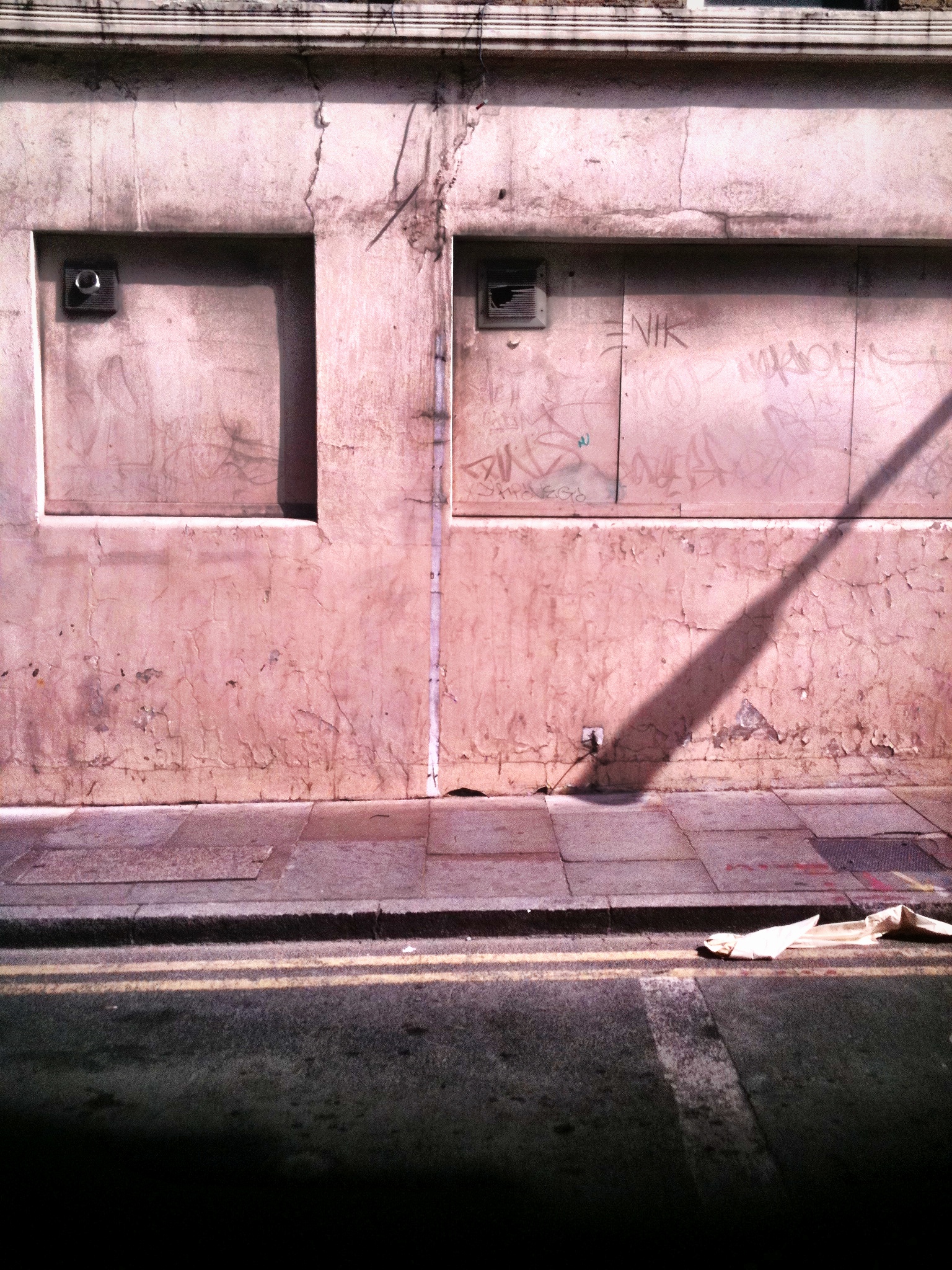
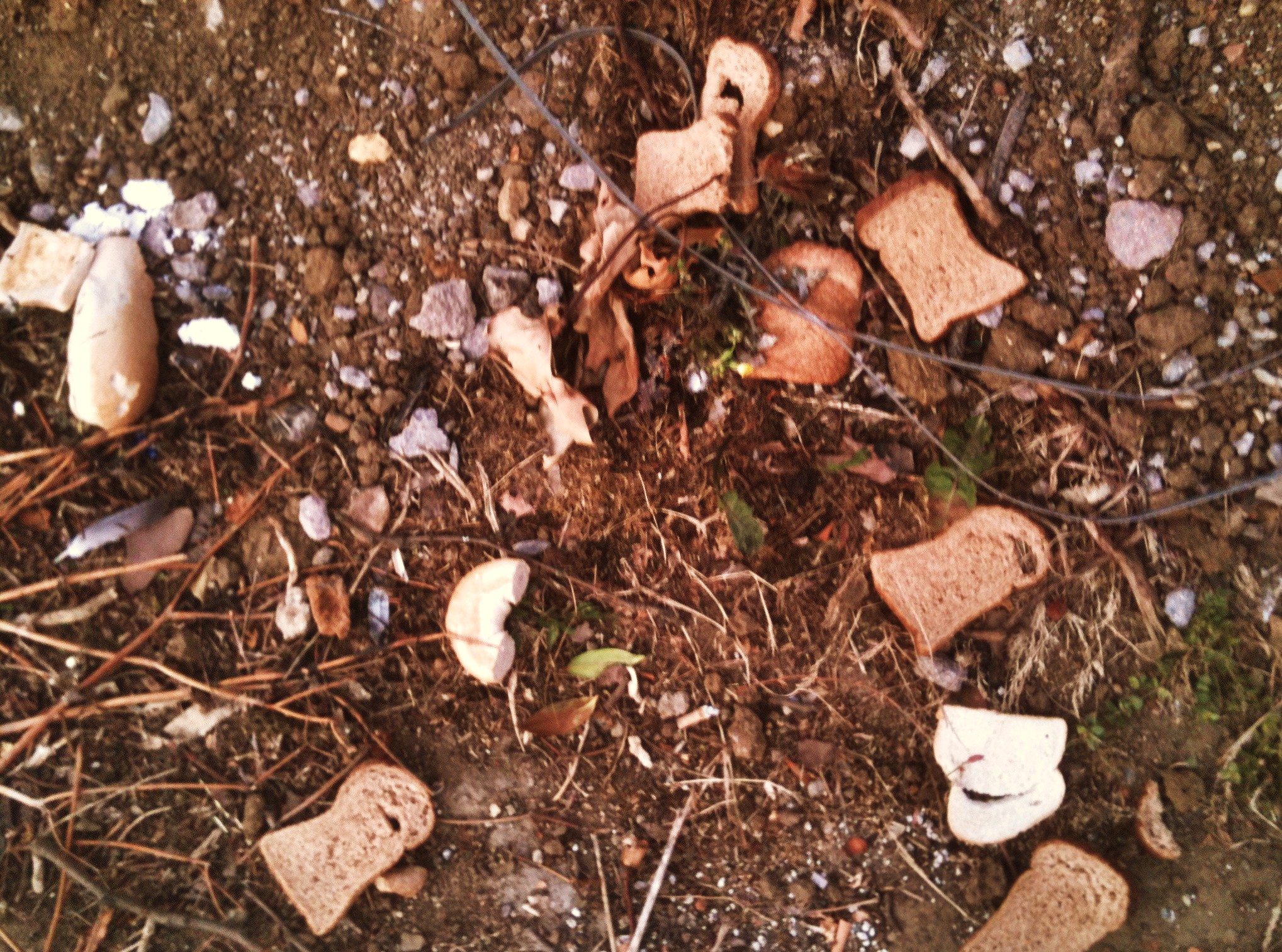
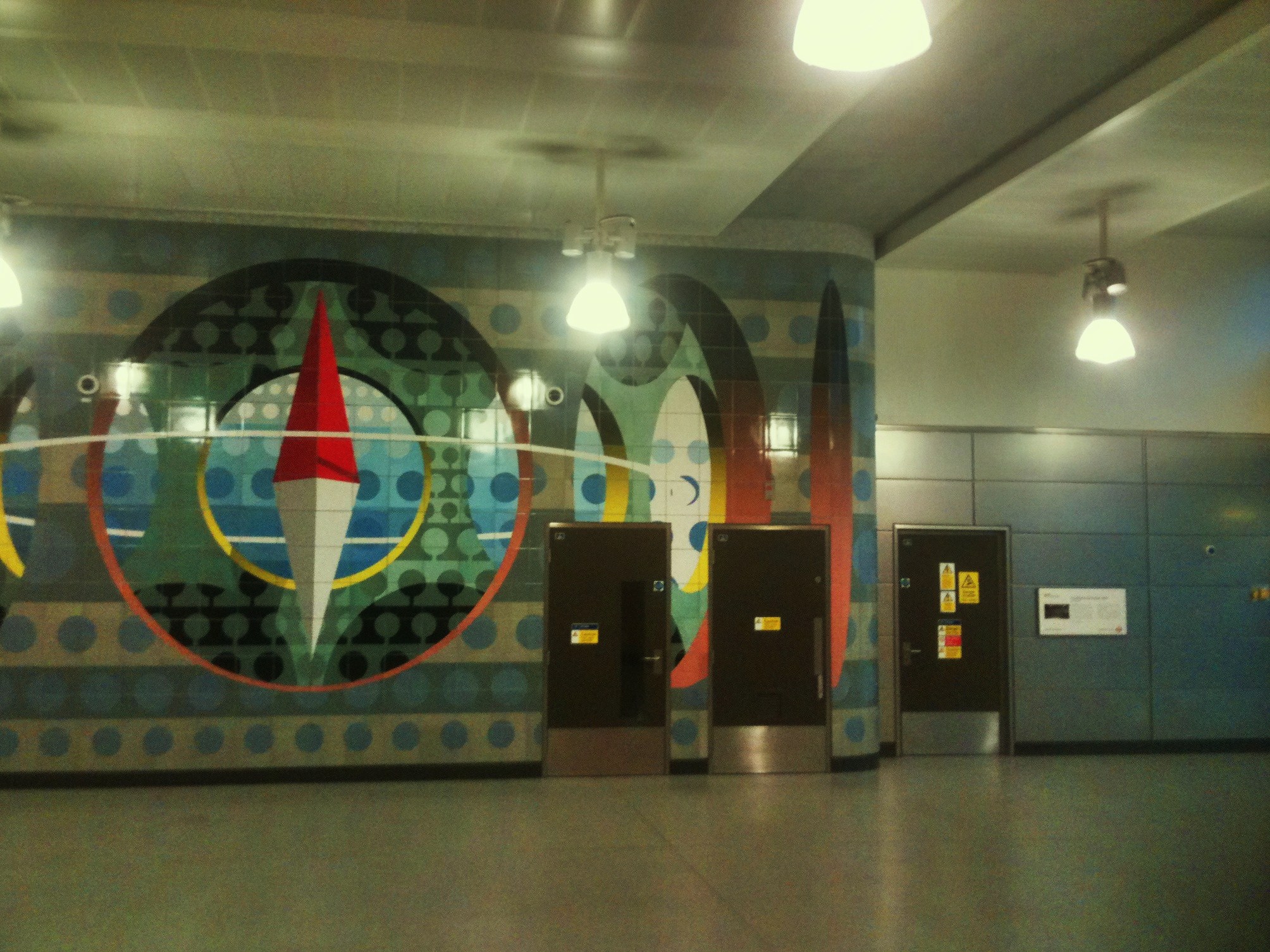
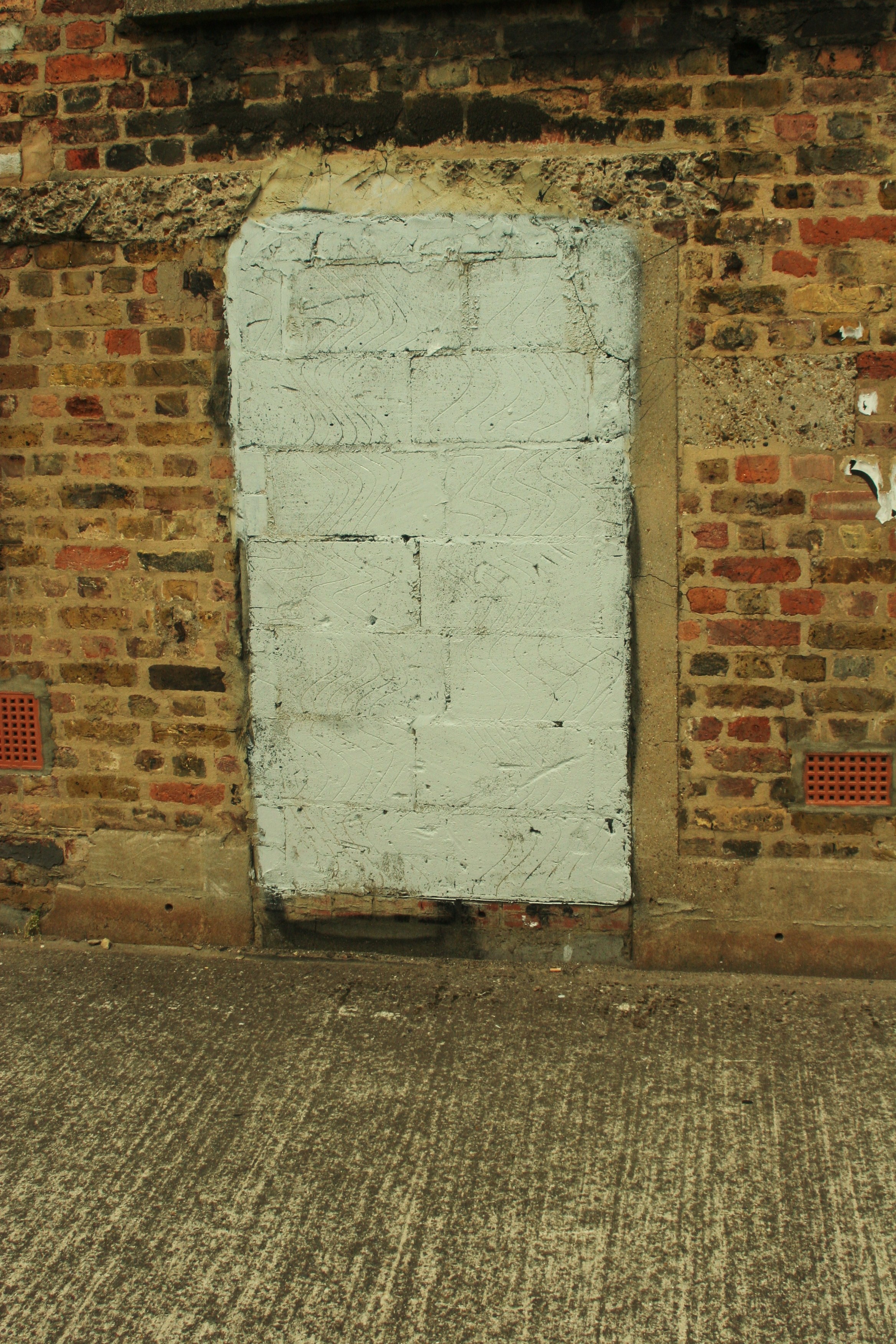
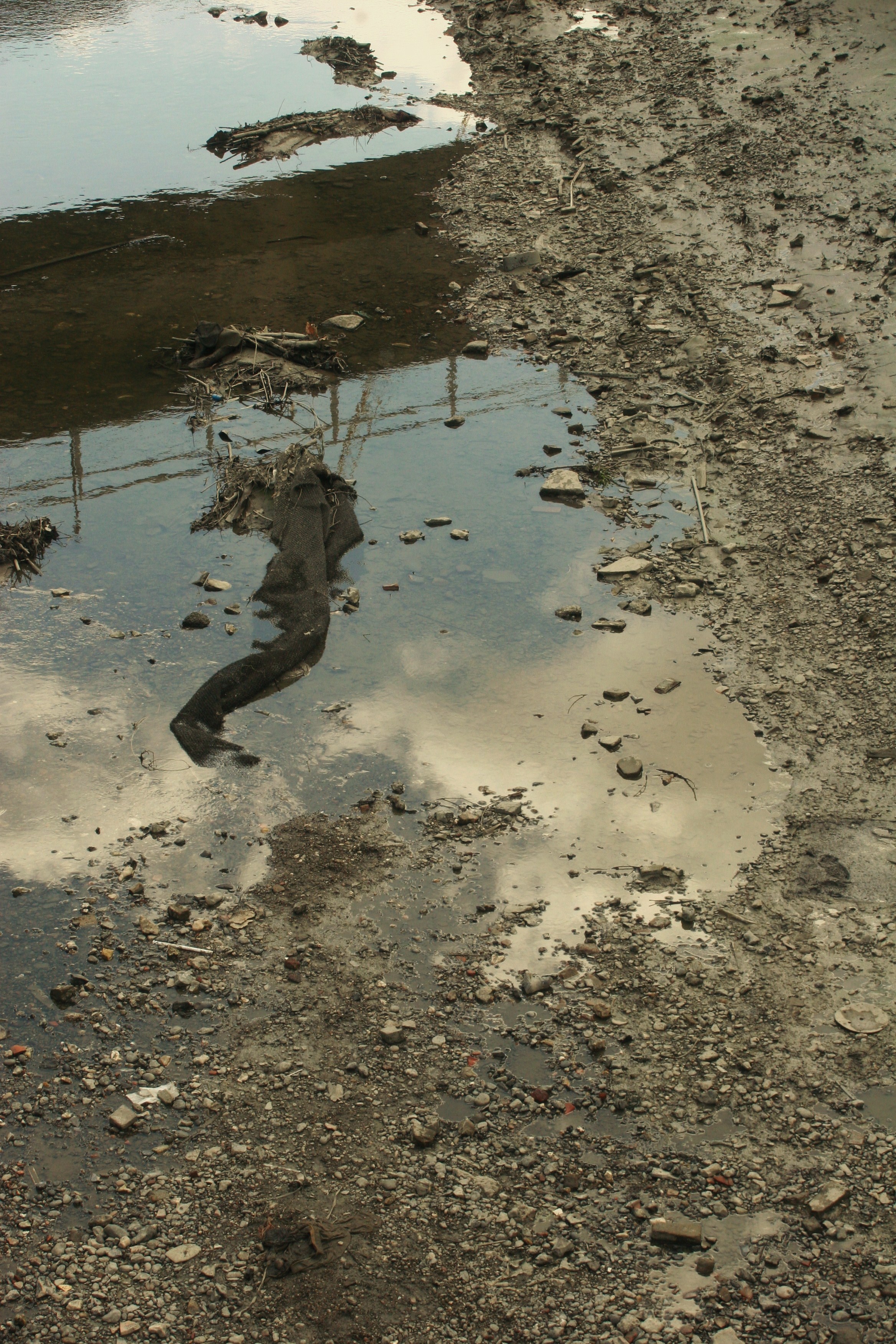
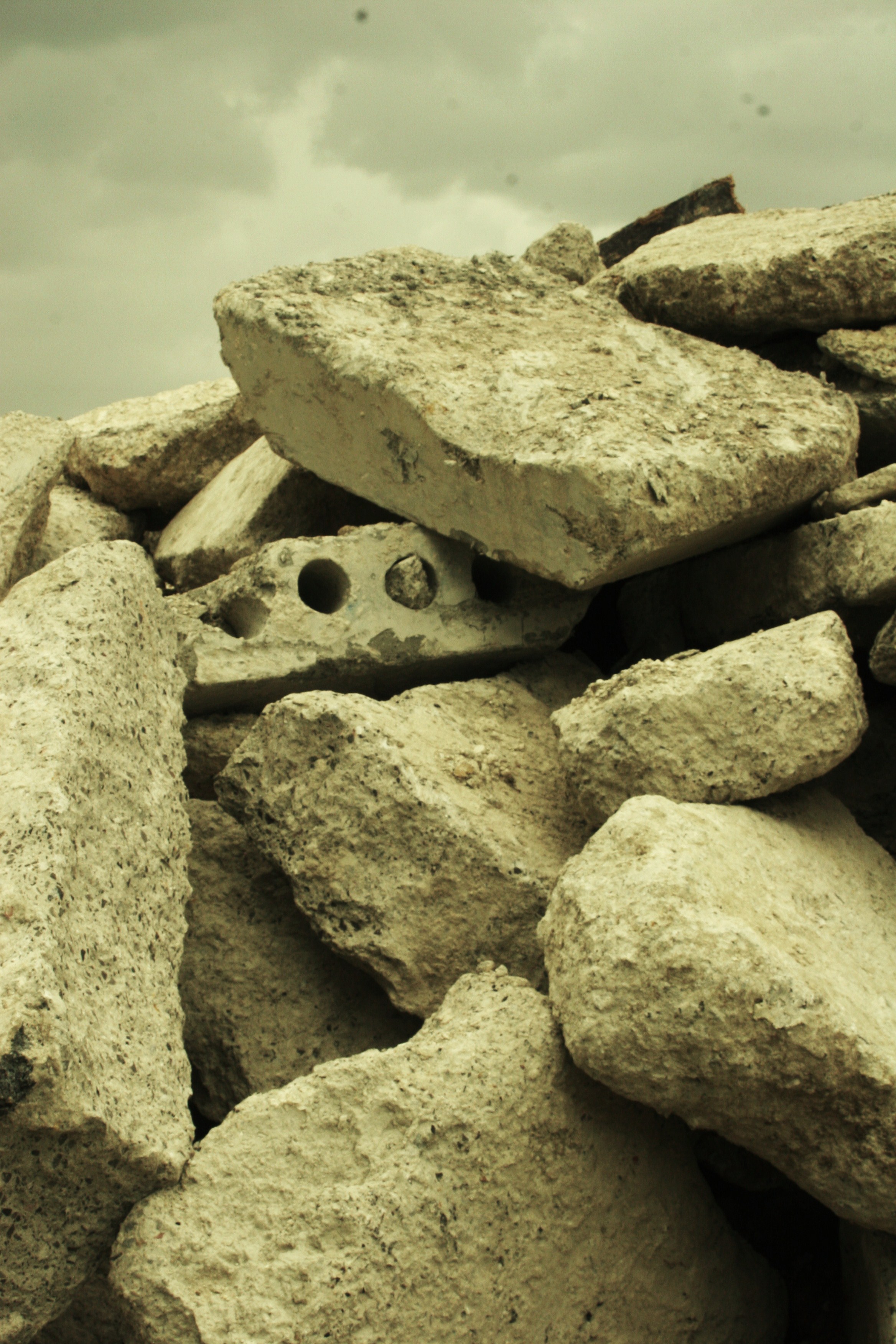
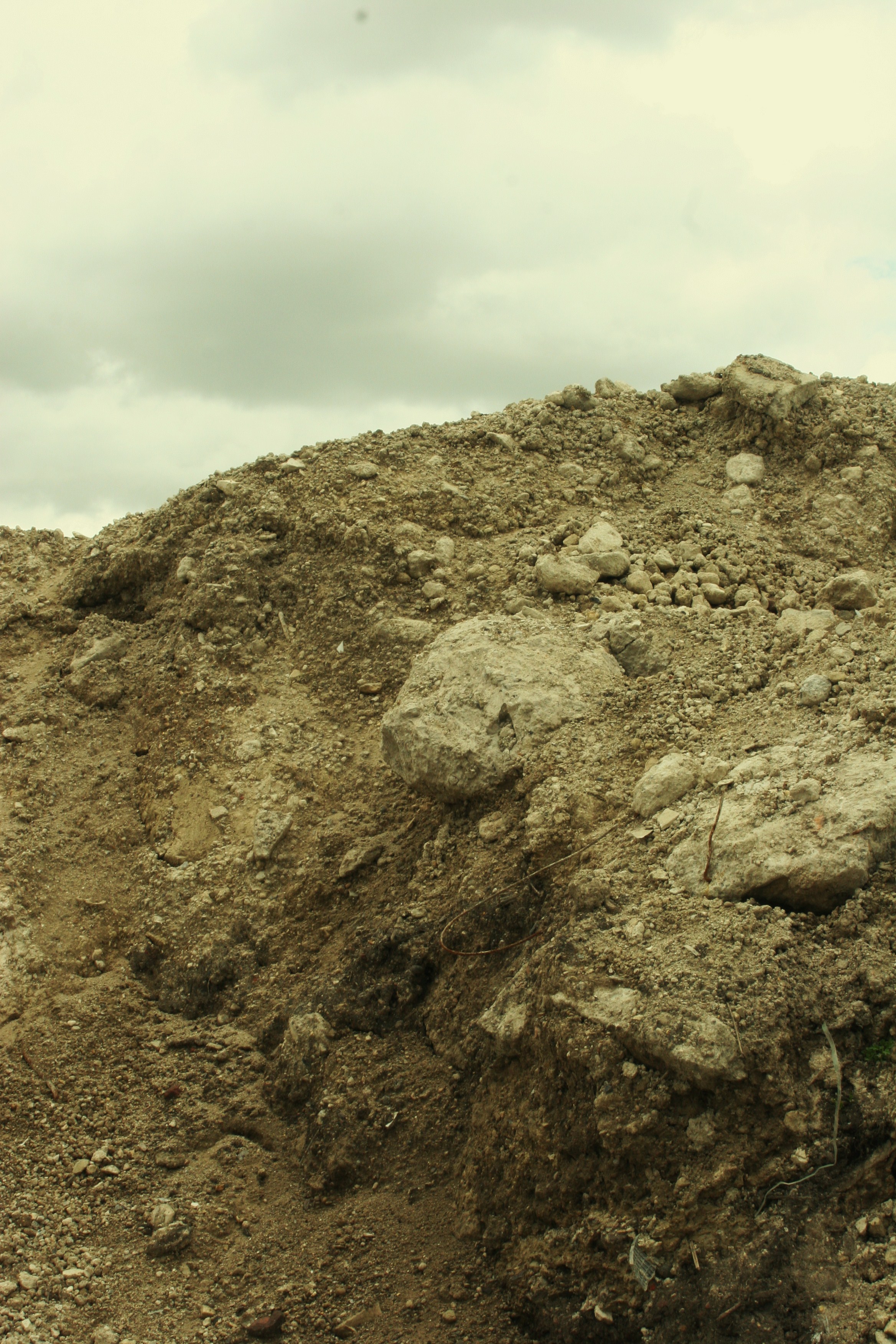
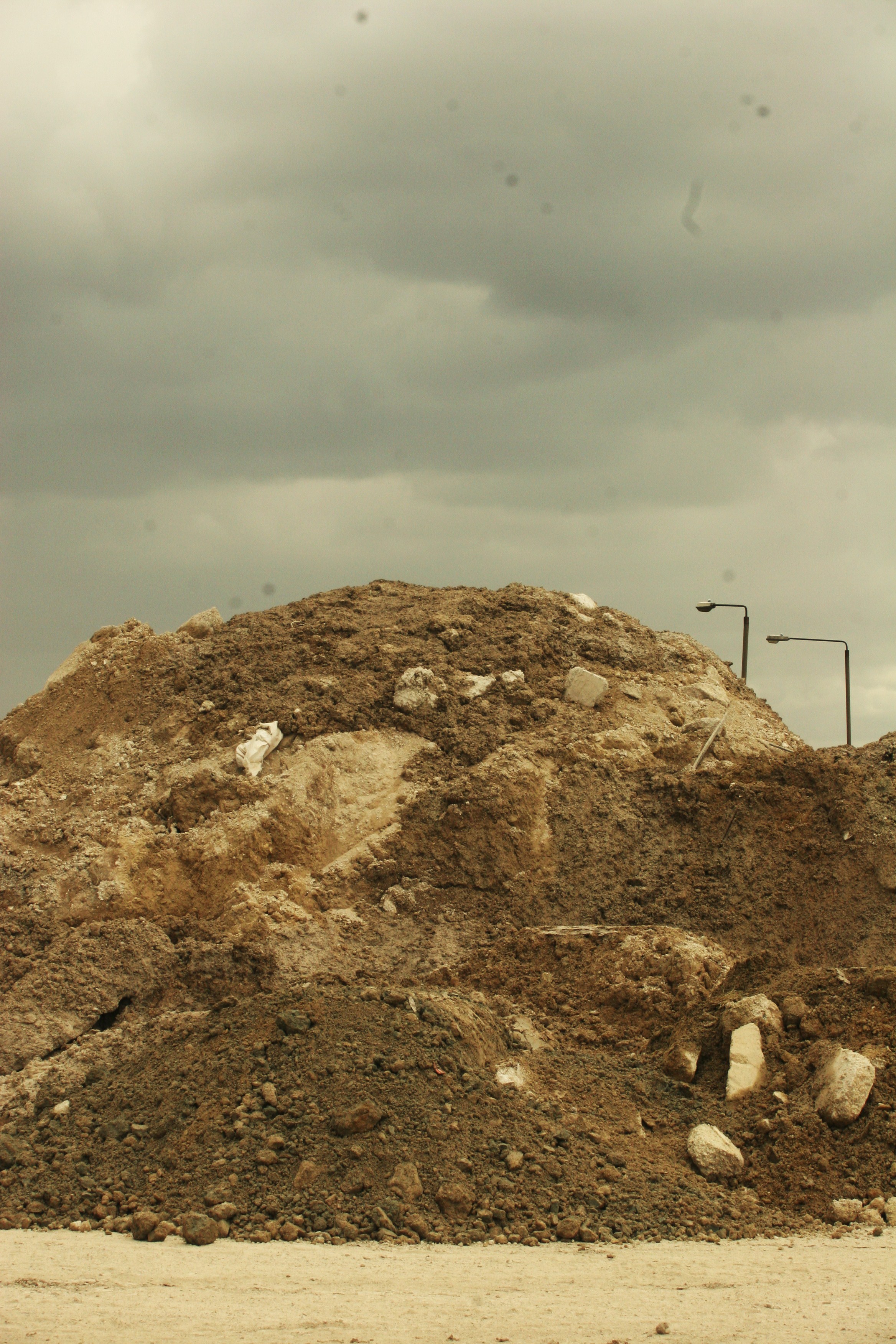
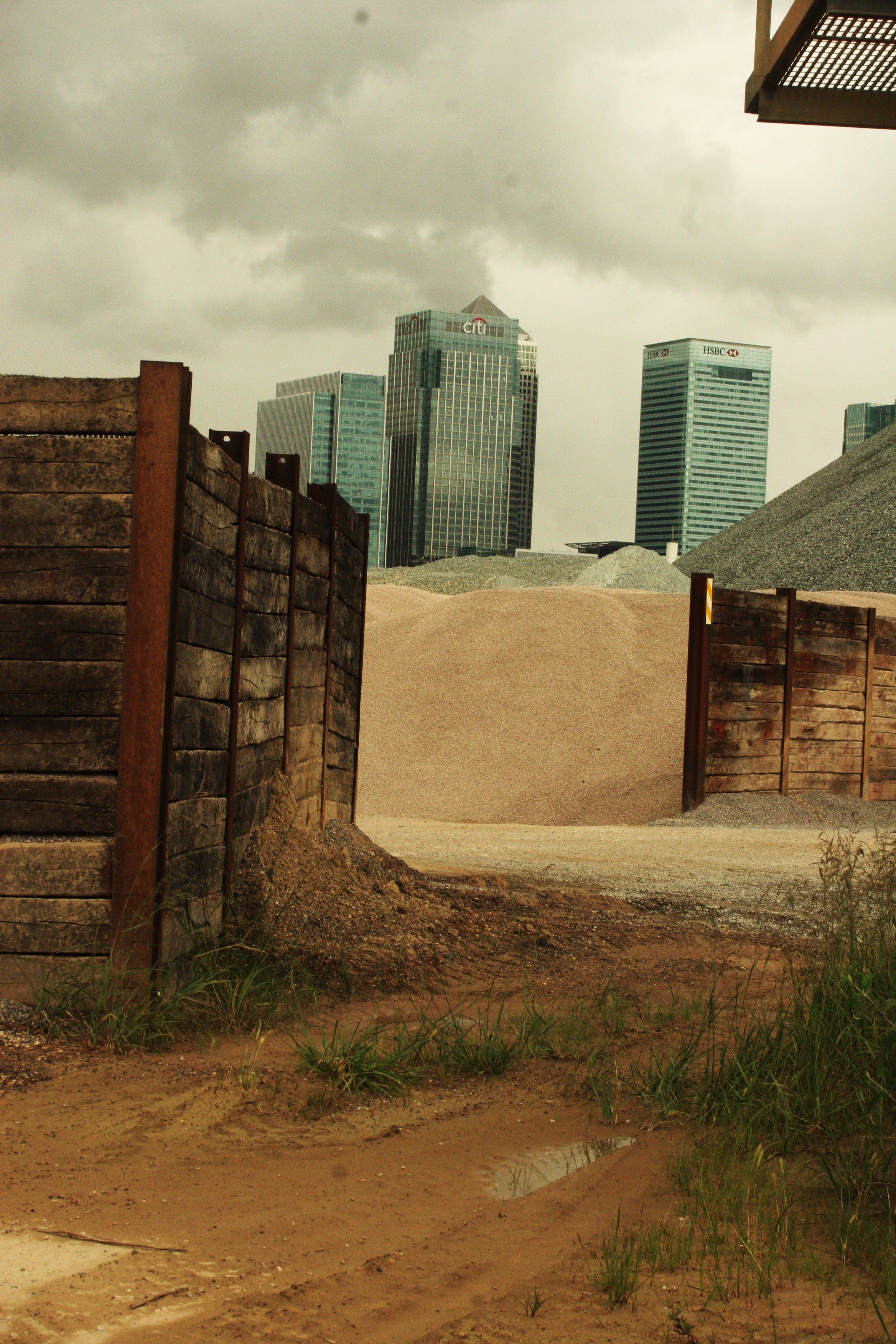
The surreal play of entwinement of the asphalt and the body

•February 18, 2012 • Leave a Comment

The arrival to a strange utilitarian Utopia. Meeting in an institute of unknown unfounded ideas of knowledge. The corridors smell of bleach and the receptionist spends a long time learning how to spell our names.

A name as an identity; somehow a title at times in which we conceal; I am Beatrice: simplicity and complexity; statement and concealment. 

On the bus ride there the bus fills with a thousand nations, London no longer has a common tongue and nothing here can be called universal. The bus collects, gathers and disperses us throughout one neighbourhood to the next, endless sprawl of leaning grey towers. Arriving to the shopping centre, eating a Colombian sausage and plantain and talking of the Crab man, journeys waiting to be taken and quick glimpses of lives being lived out. Walking then as conversation to the university.  Snatches glimpses moments sights textures.

Arriving. The rigmarole of the identification process and lengthily spelling of the names, softened by the fluttering eye lashes and potential sound scores.
Meeting. Brief explanations. The scores as maps, the red wool as marker; sights and sites, passages and promenades.
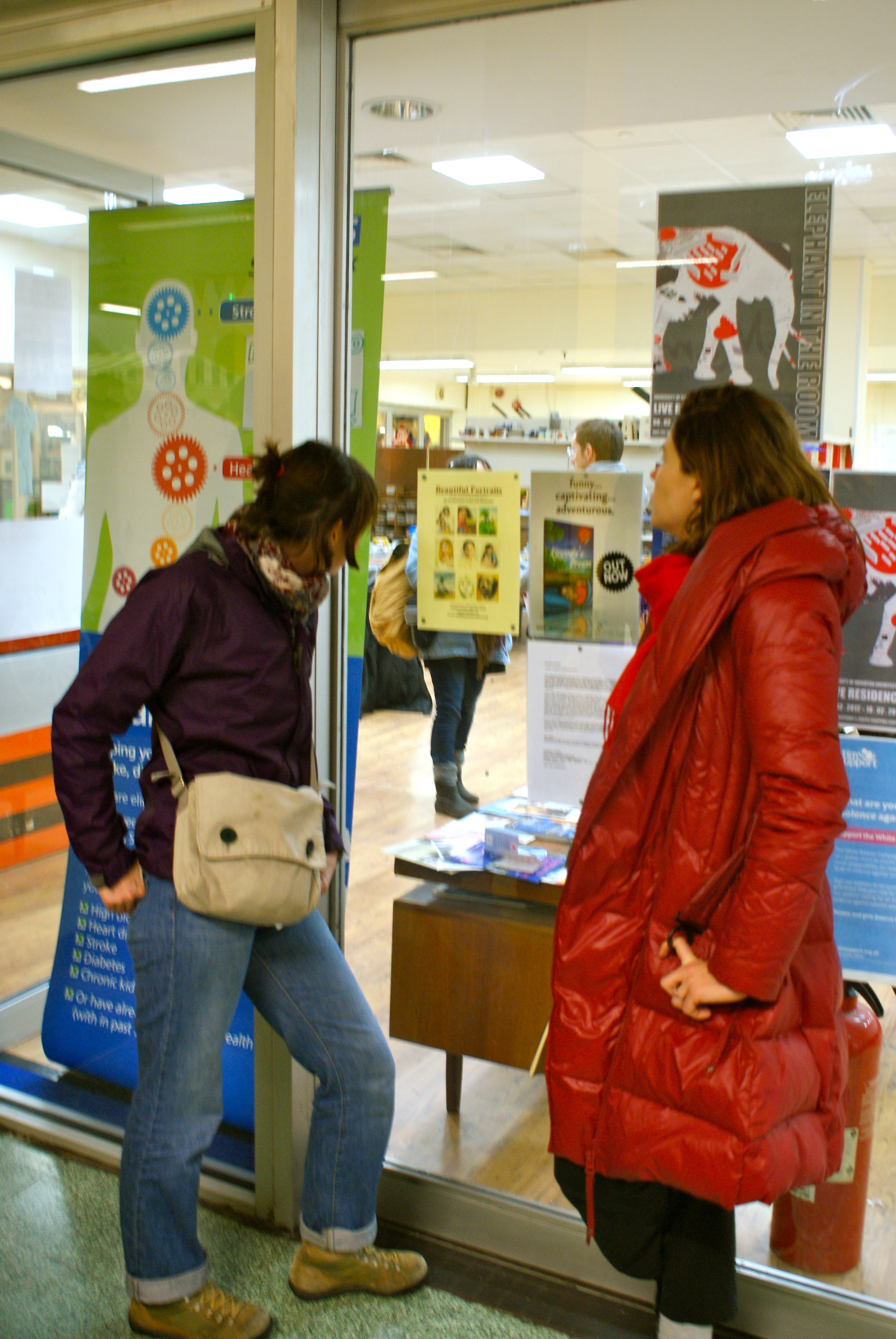
Departure.
Walking first to the shopping centre. Sharing ideas of performance. To the centre of engaged architectural production, actually a rather bleak empty shop with strip lighting and shared with a mosaic workshop and some massage chairs. Architects plans hung side ways in small font and if one bends and contorts  ideas can be briefly explored.

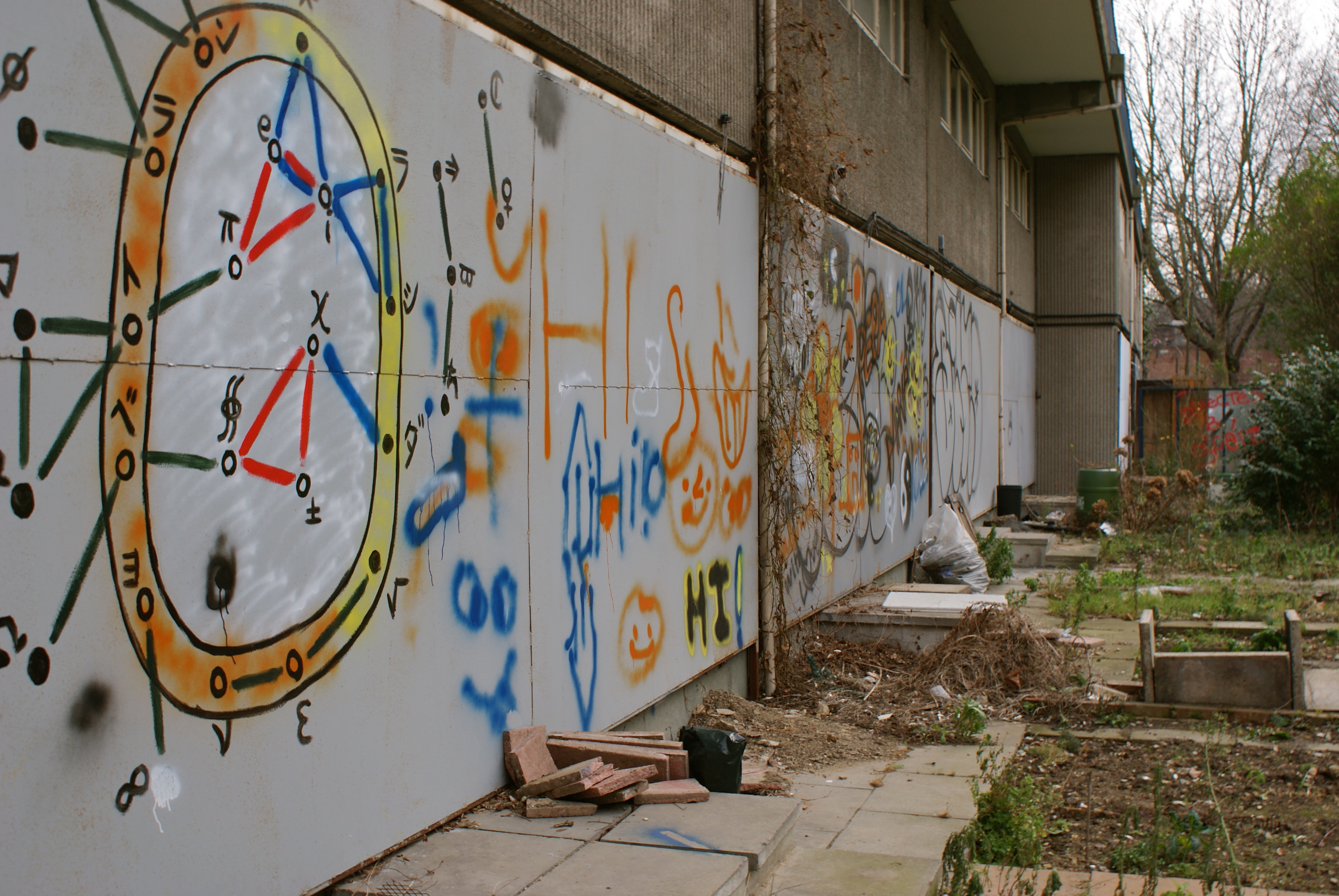
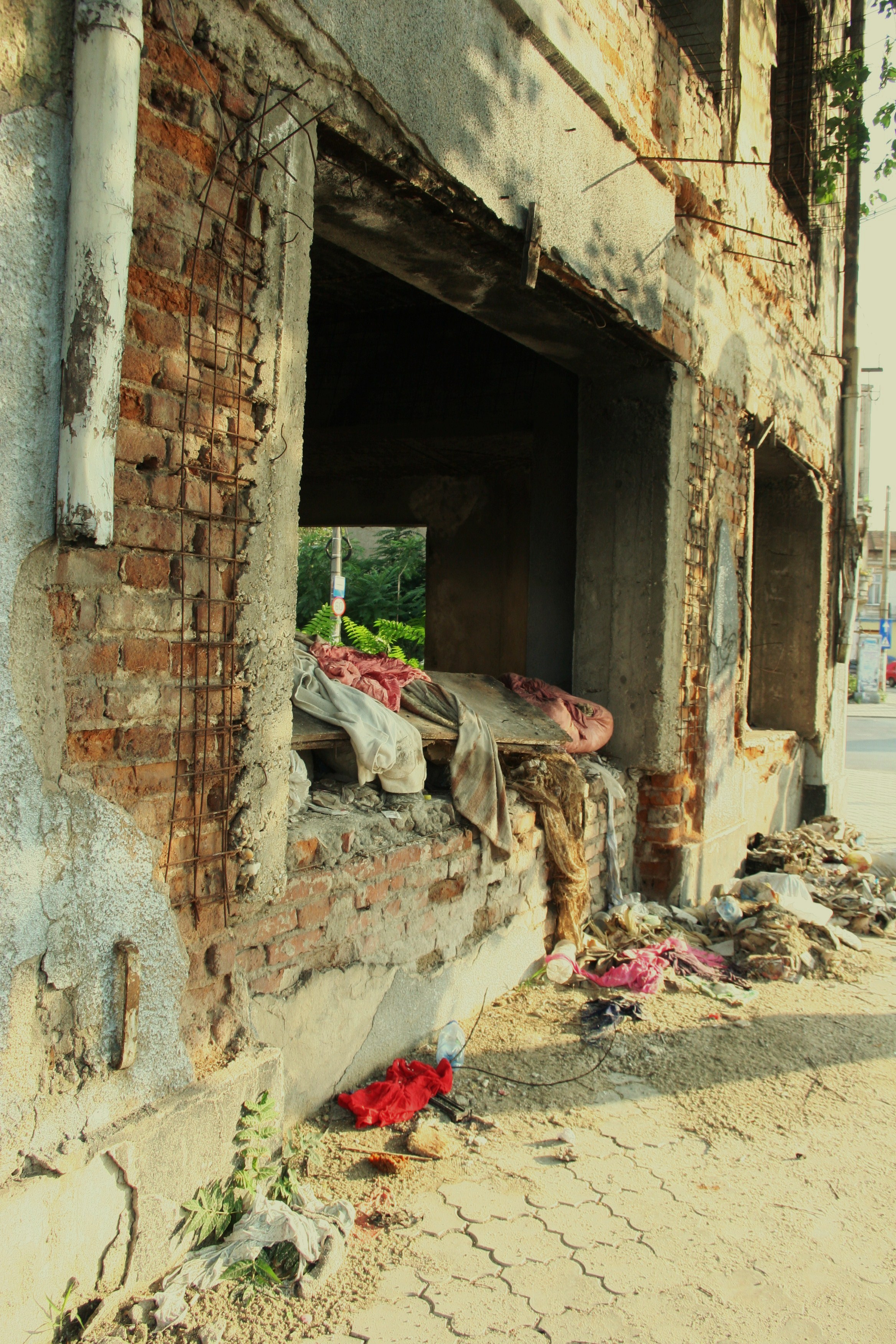
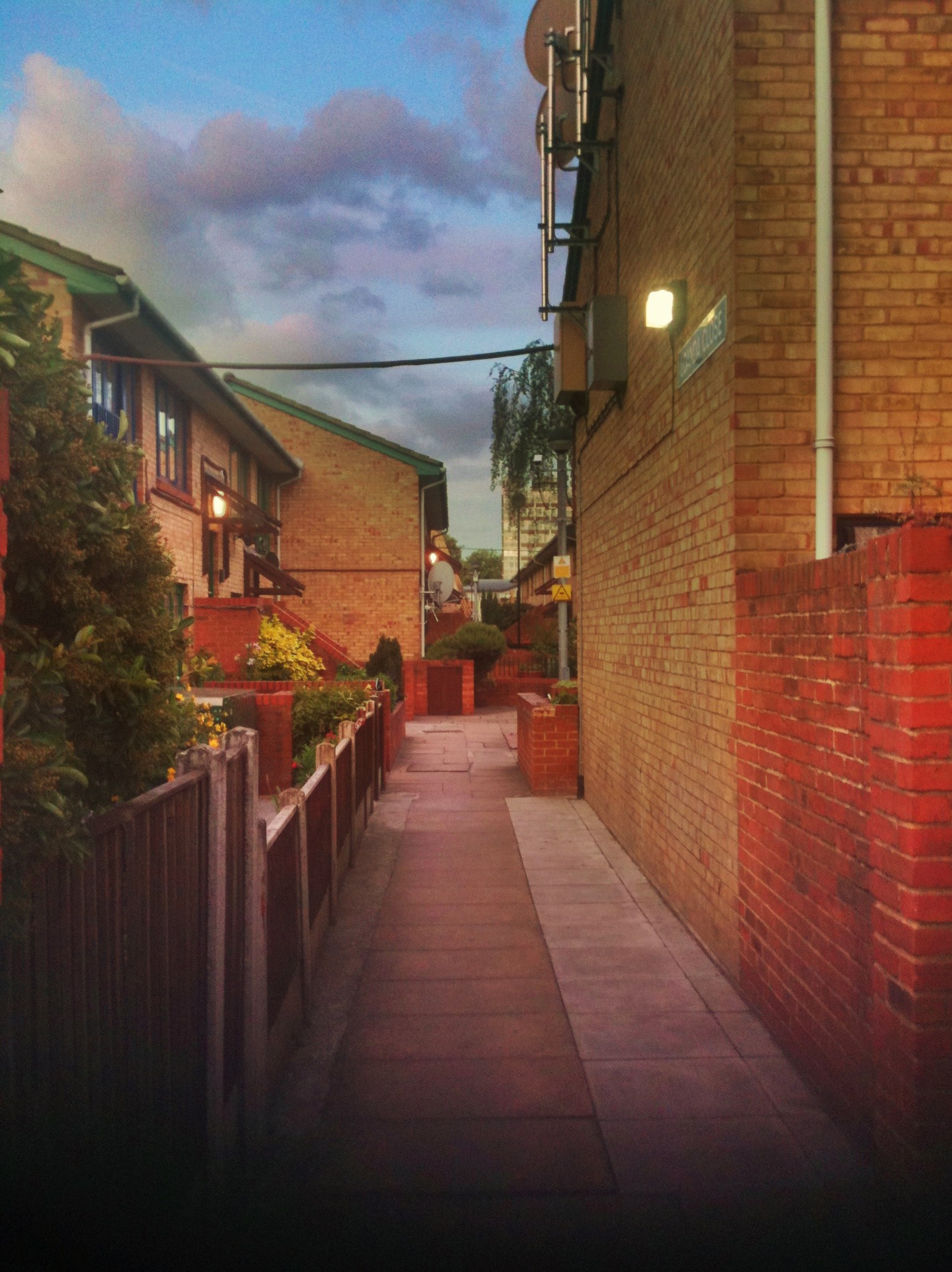
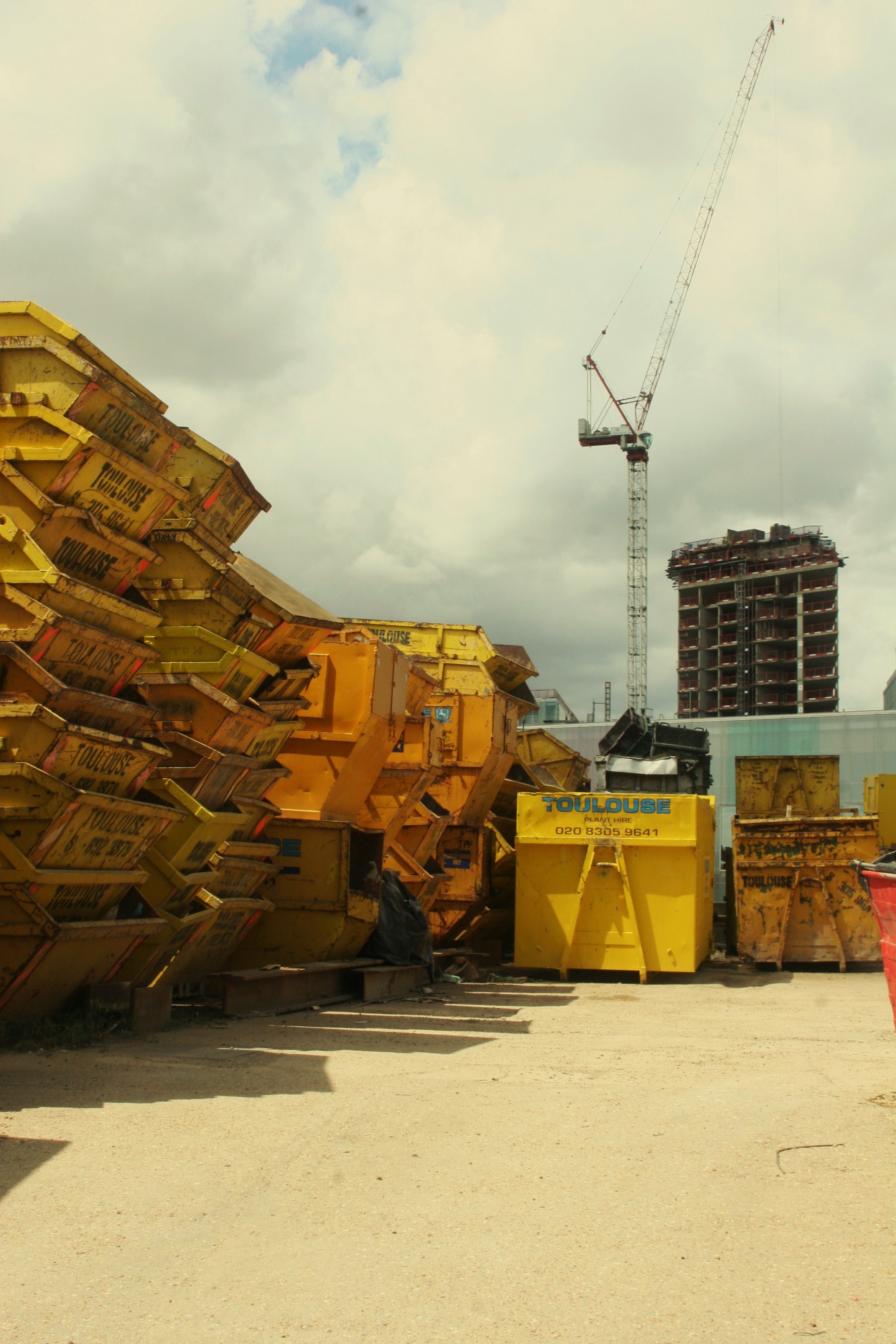
Walking then to the heygate estate. A calm as we enter. Not silence but a diminuendo. The plastic bags which litter the trees seem almost as celebration, the newly laid pavement to this maze is littered with a map of a new pizza menu. Each direction the rows of empty flats play with the eyes.
The simple act of 7 of us taking a walk. A warm up.
Then in pairs taking turns to walk with our eyes closed.

Basic perhaps. yet so complex; the changing surfaces with closed eyes offer us a new place to explore.
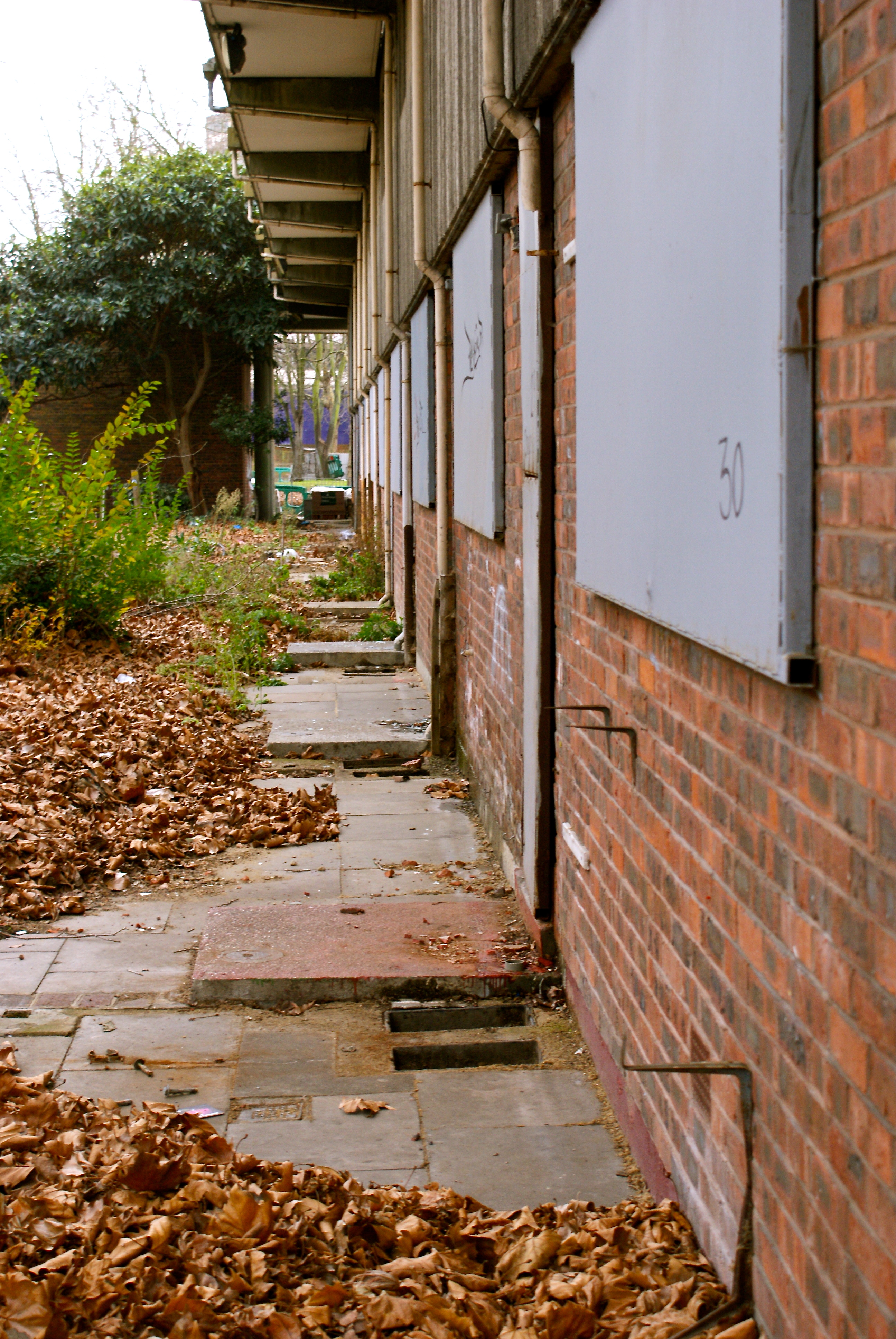
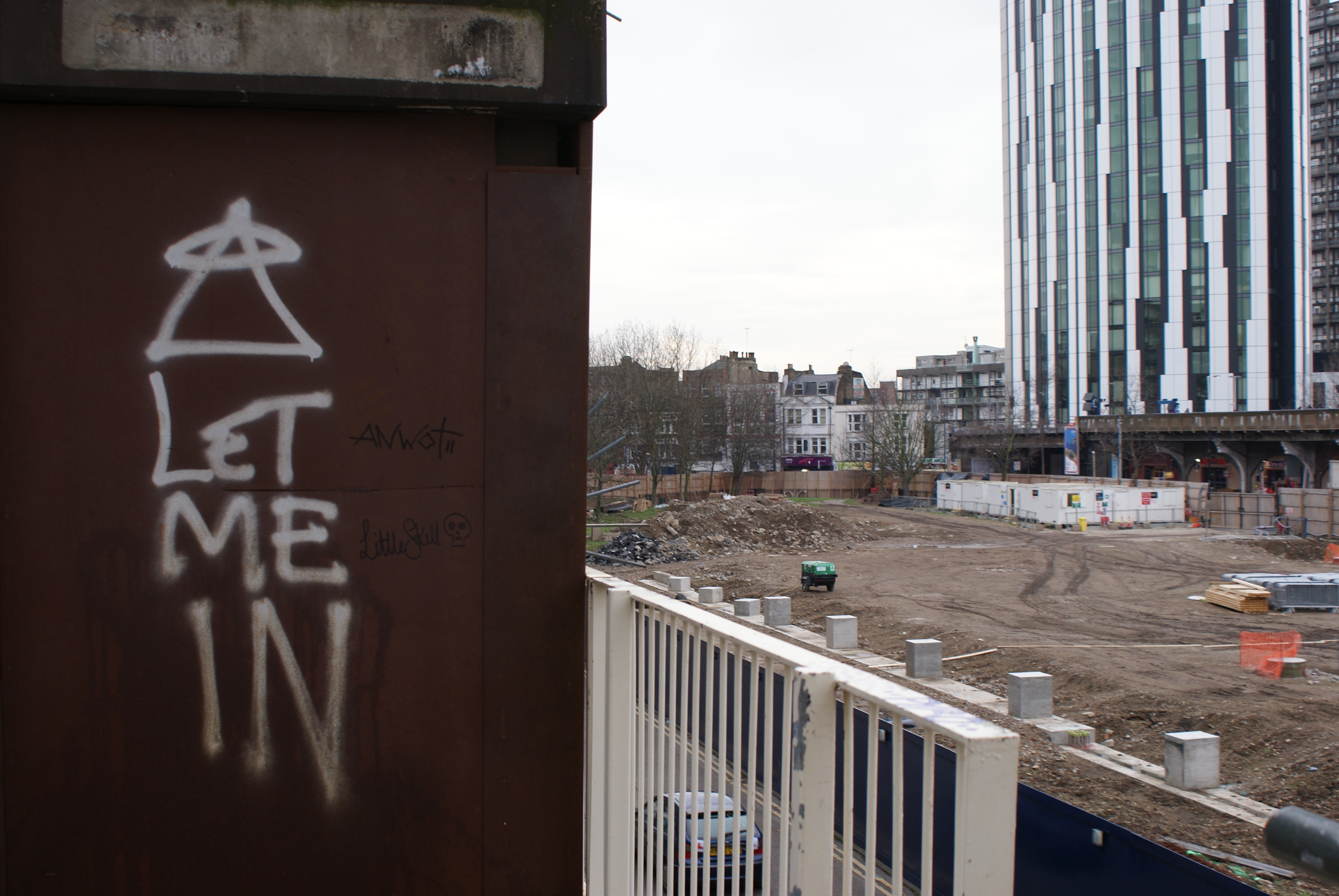
This landscape is full of scenes; of poetry and concealed romance of asphalt. The small contours in the grass play land seem like mountains, the shifts from crunching leaves to soft tarmac, the sunlight as direction, sirens, noises, spaces filled with weight of construction.
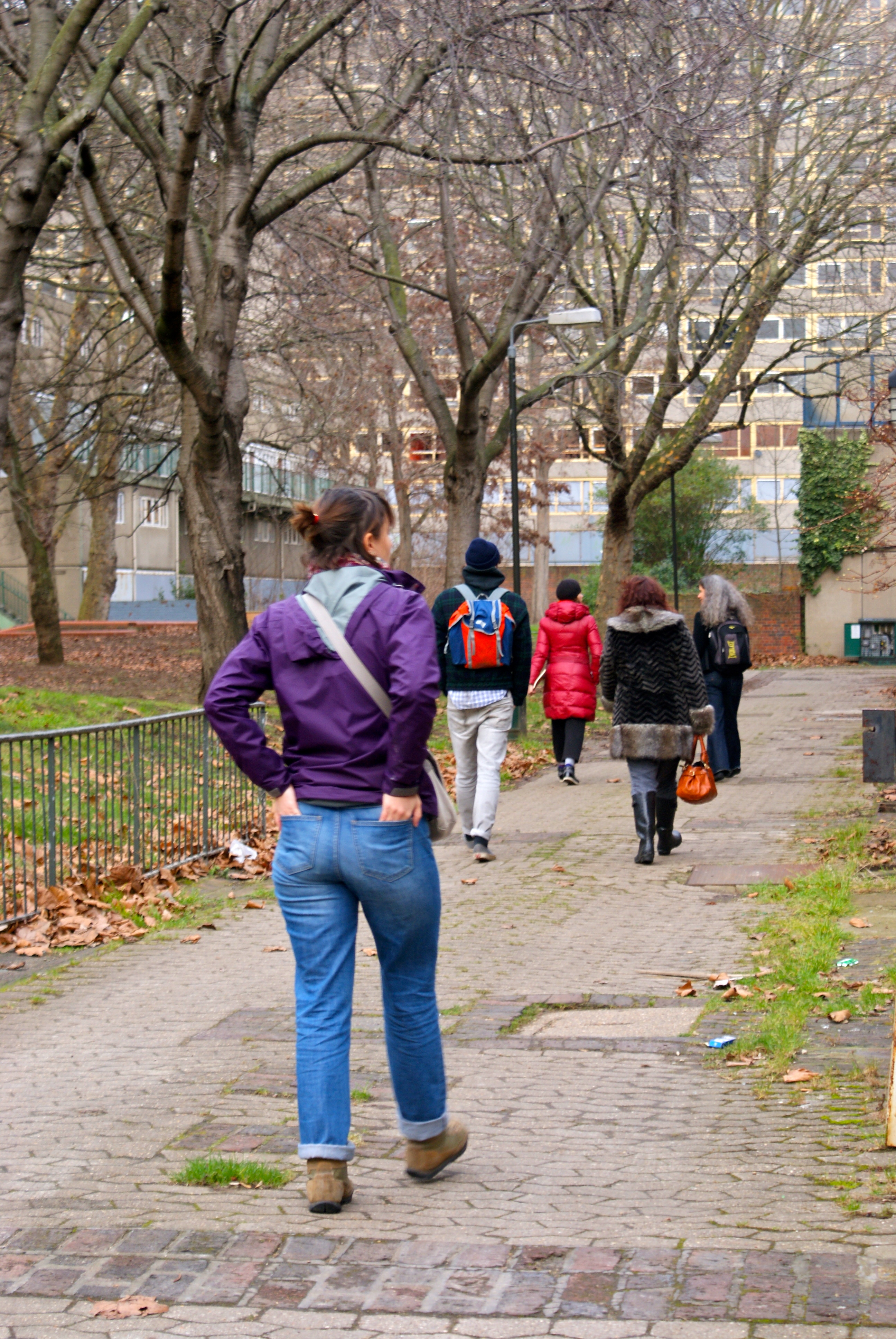
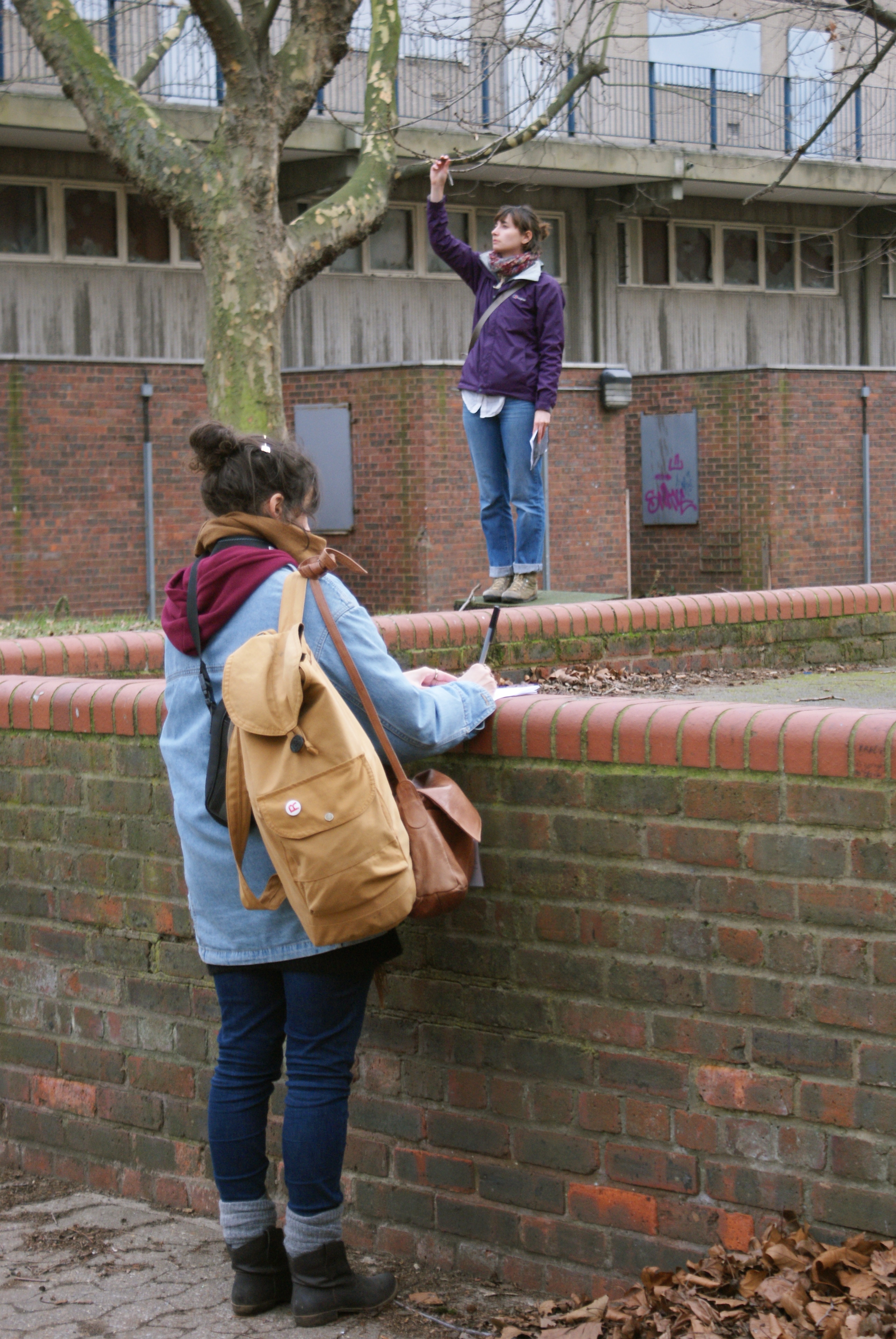
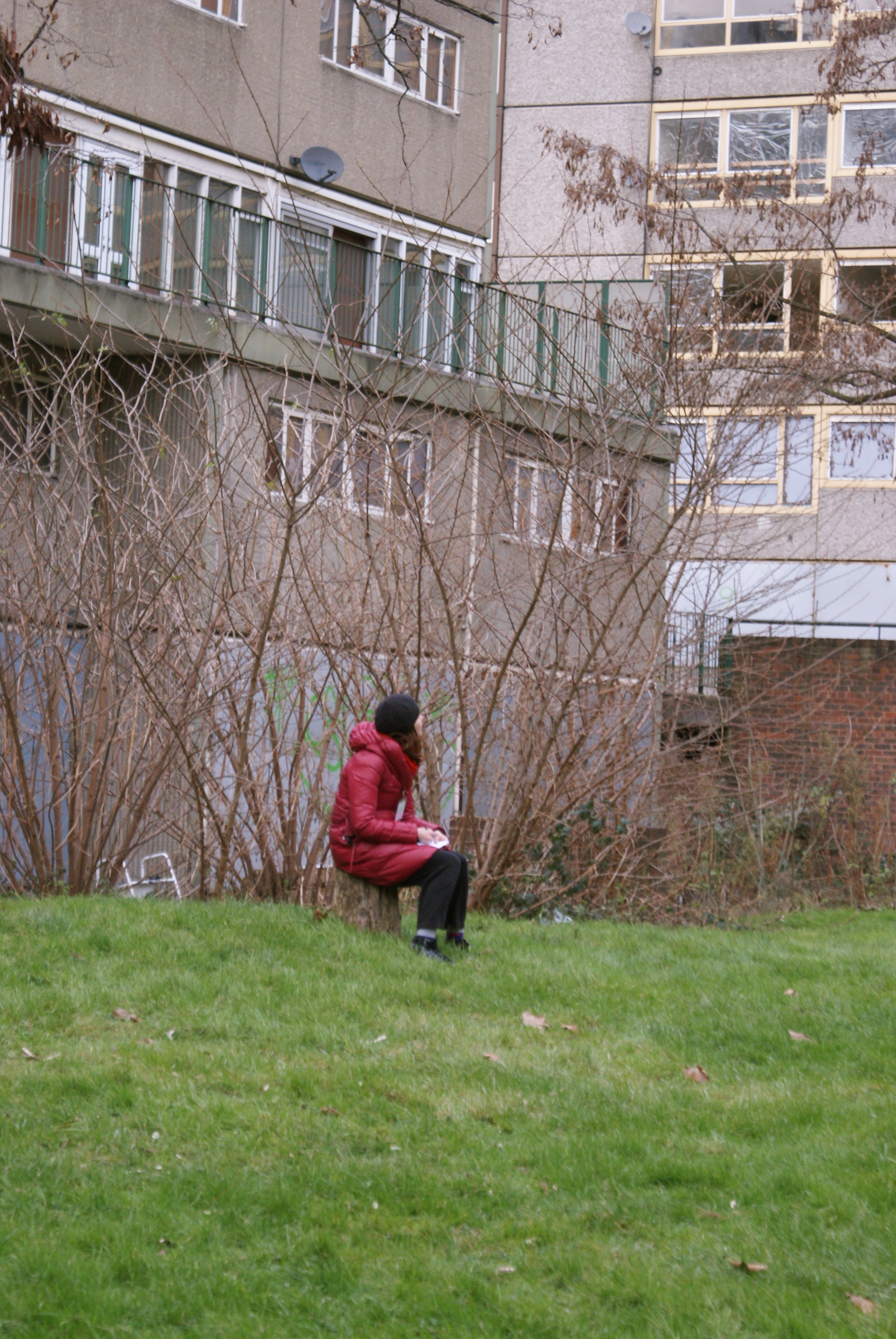
Moving then to explore alone using the arrival of body and mind, presence and vision as tool, as ethnographer, anthropologist, archeologist, choreographer, artist, human we walk. So many details to absorb:

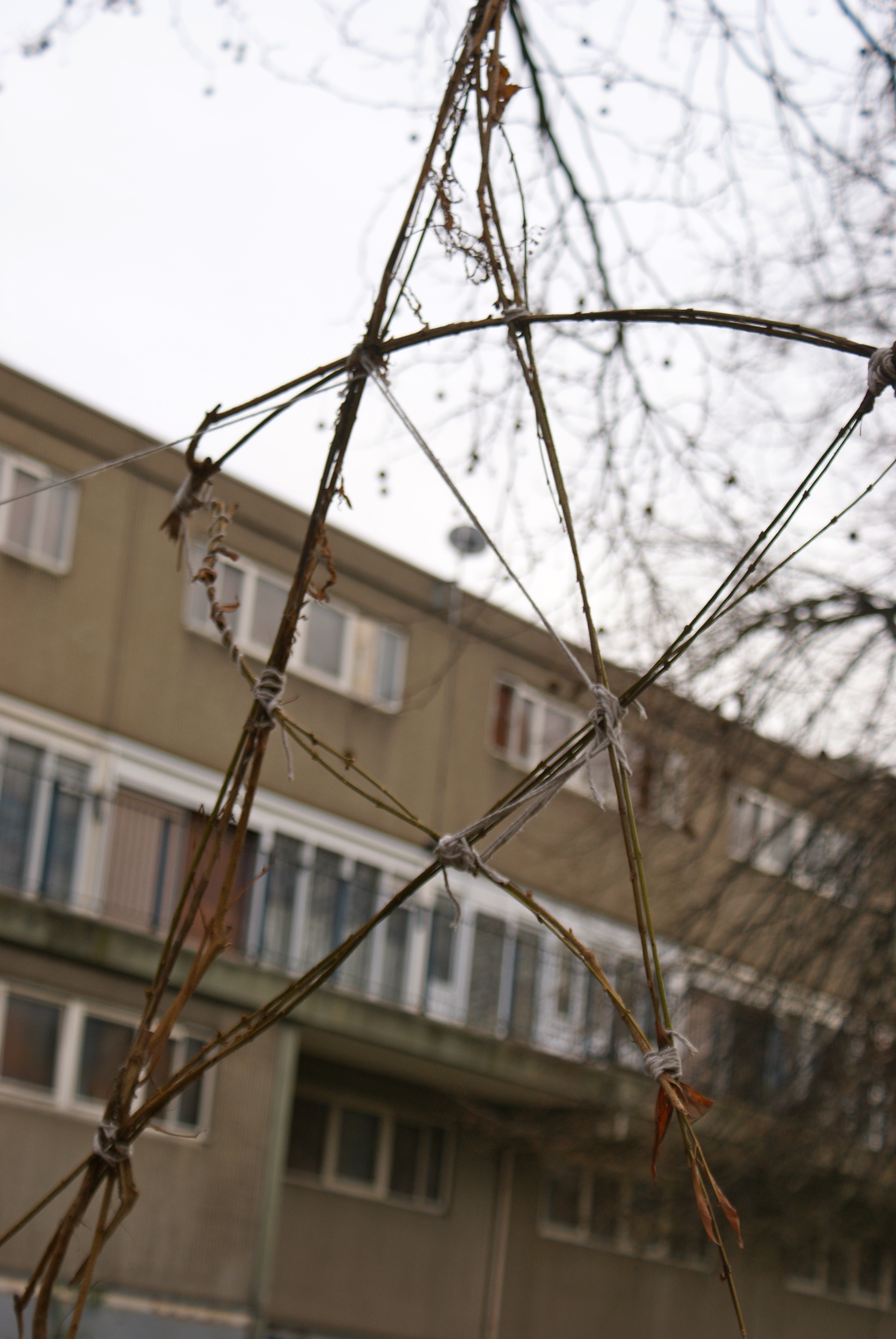
  • the dolls head on a stick in the allotment 
  • the knife left in the bed of fallen leaves
  • the writings around: scrawls, recipes, stories, anger, attempt.
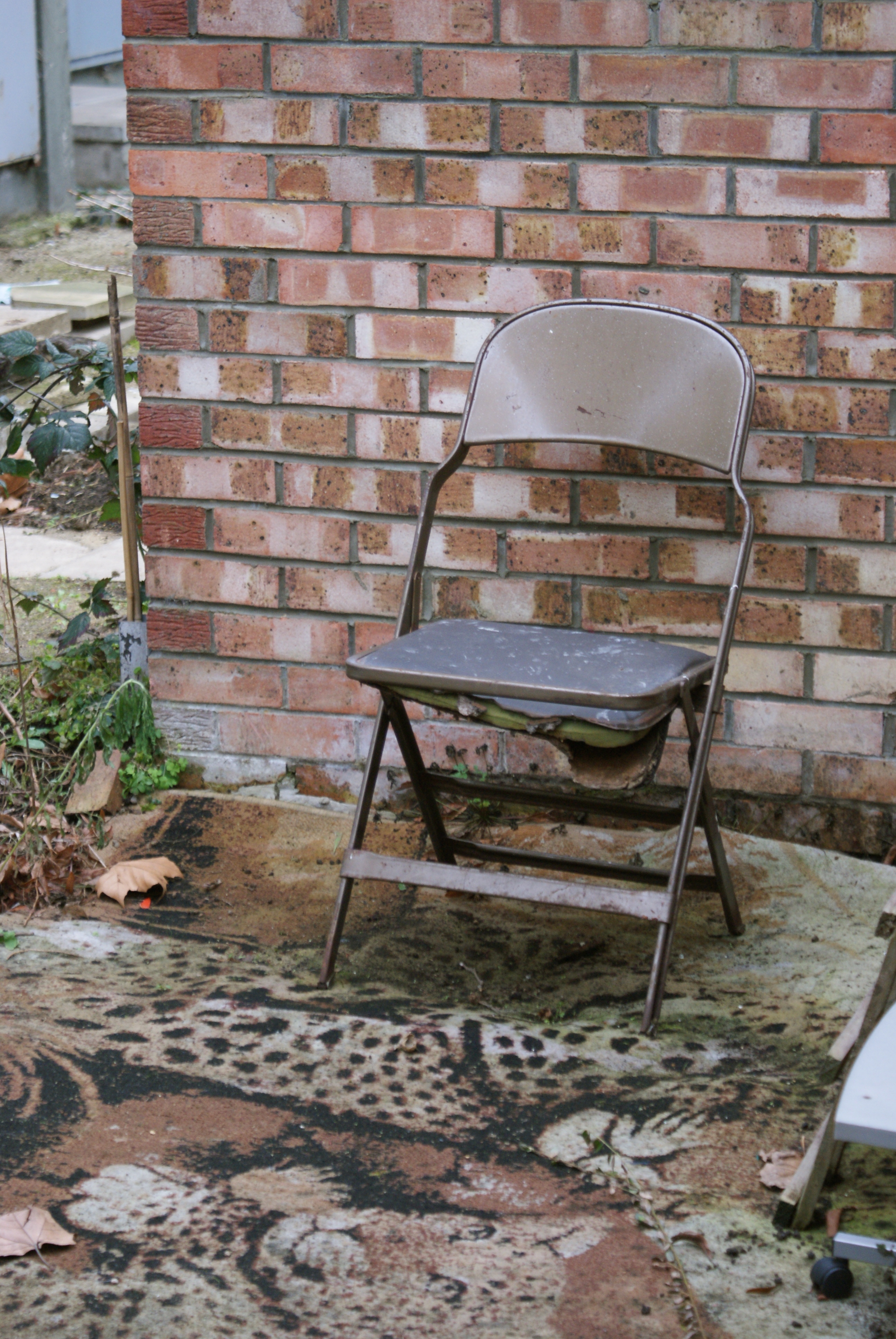
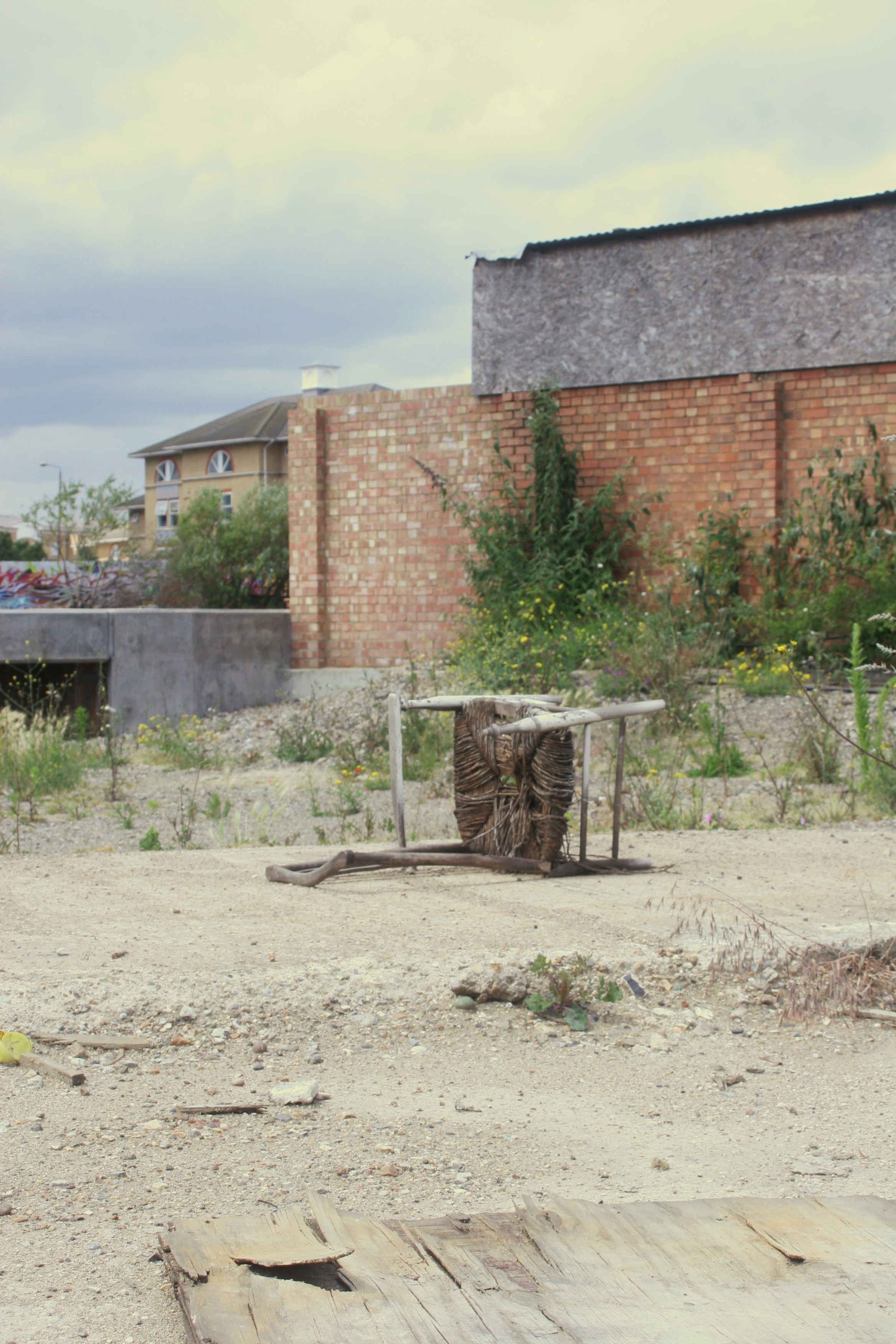
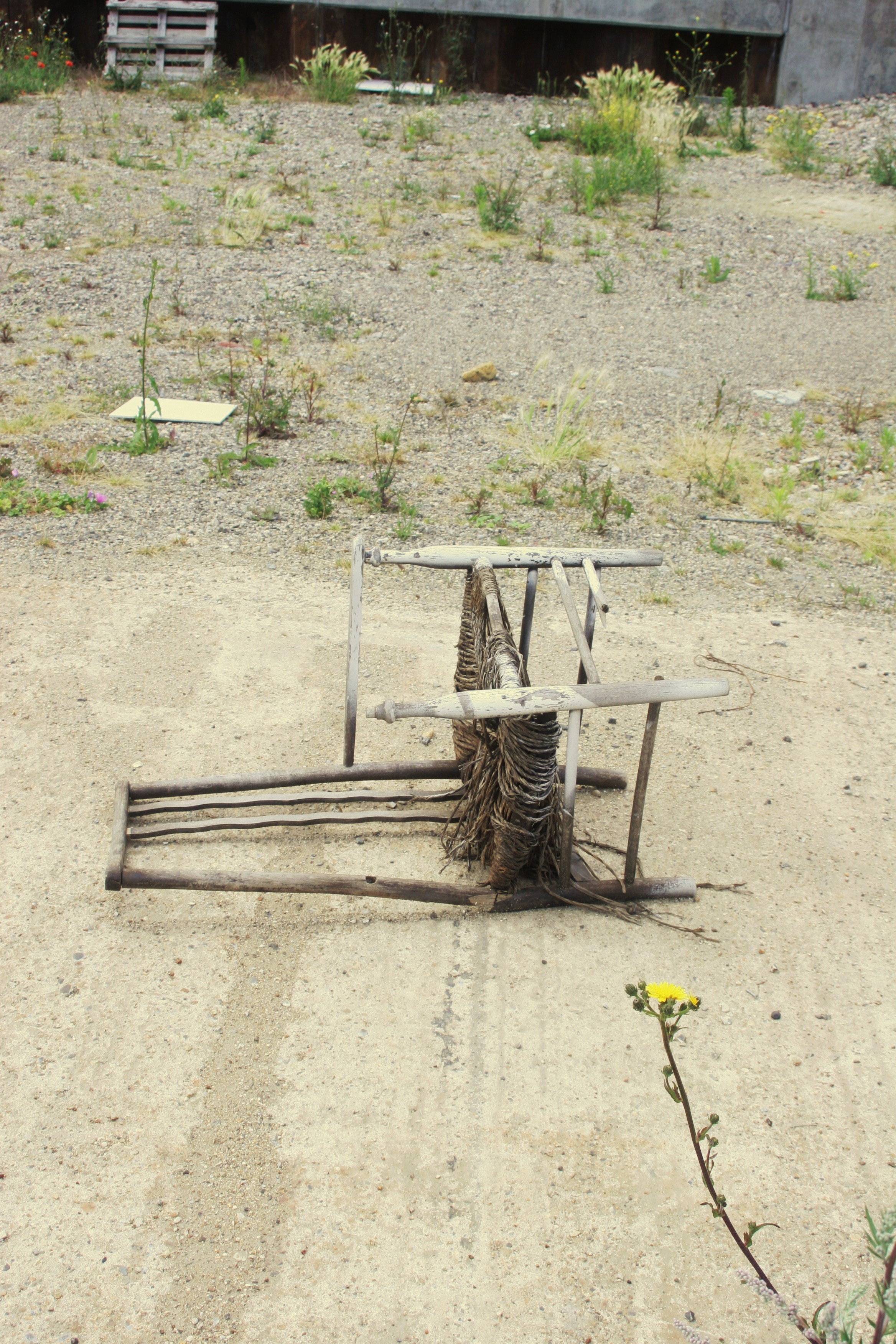
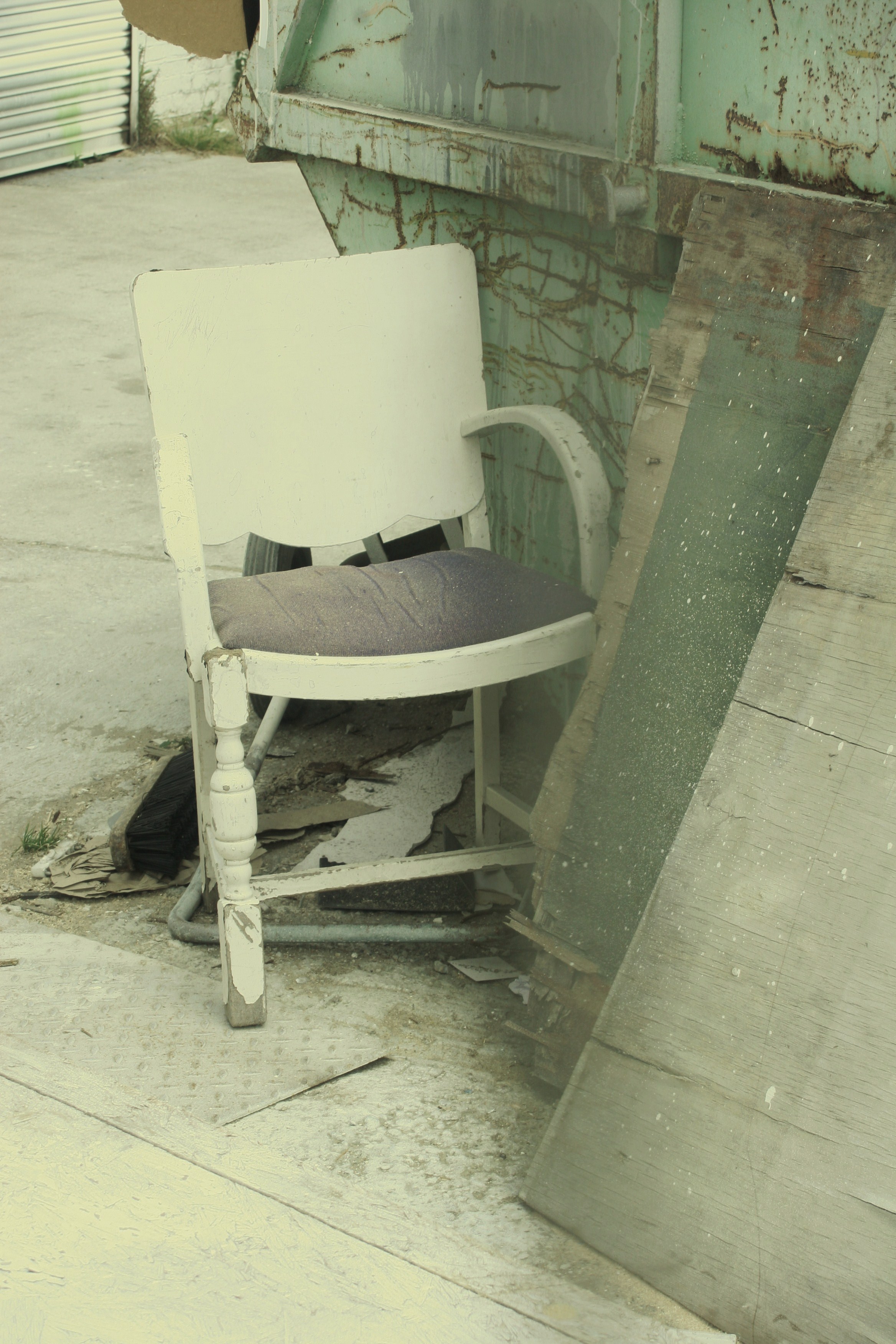
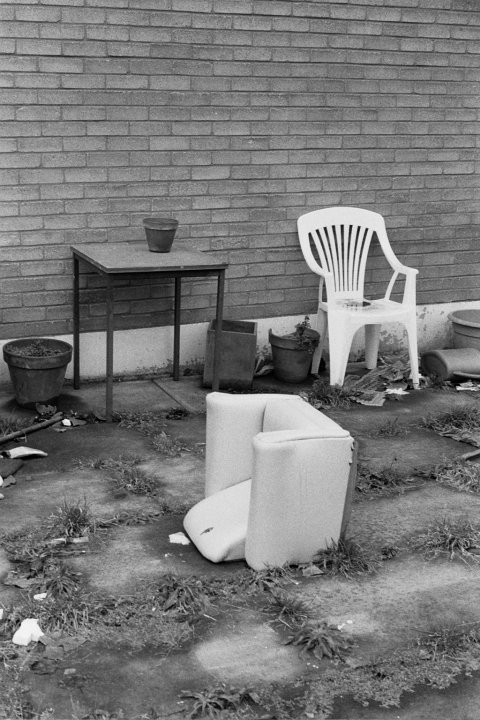
  • The chair watching the ashes 
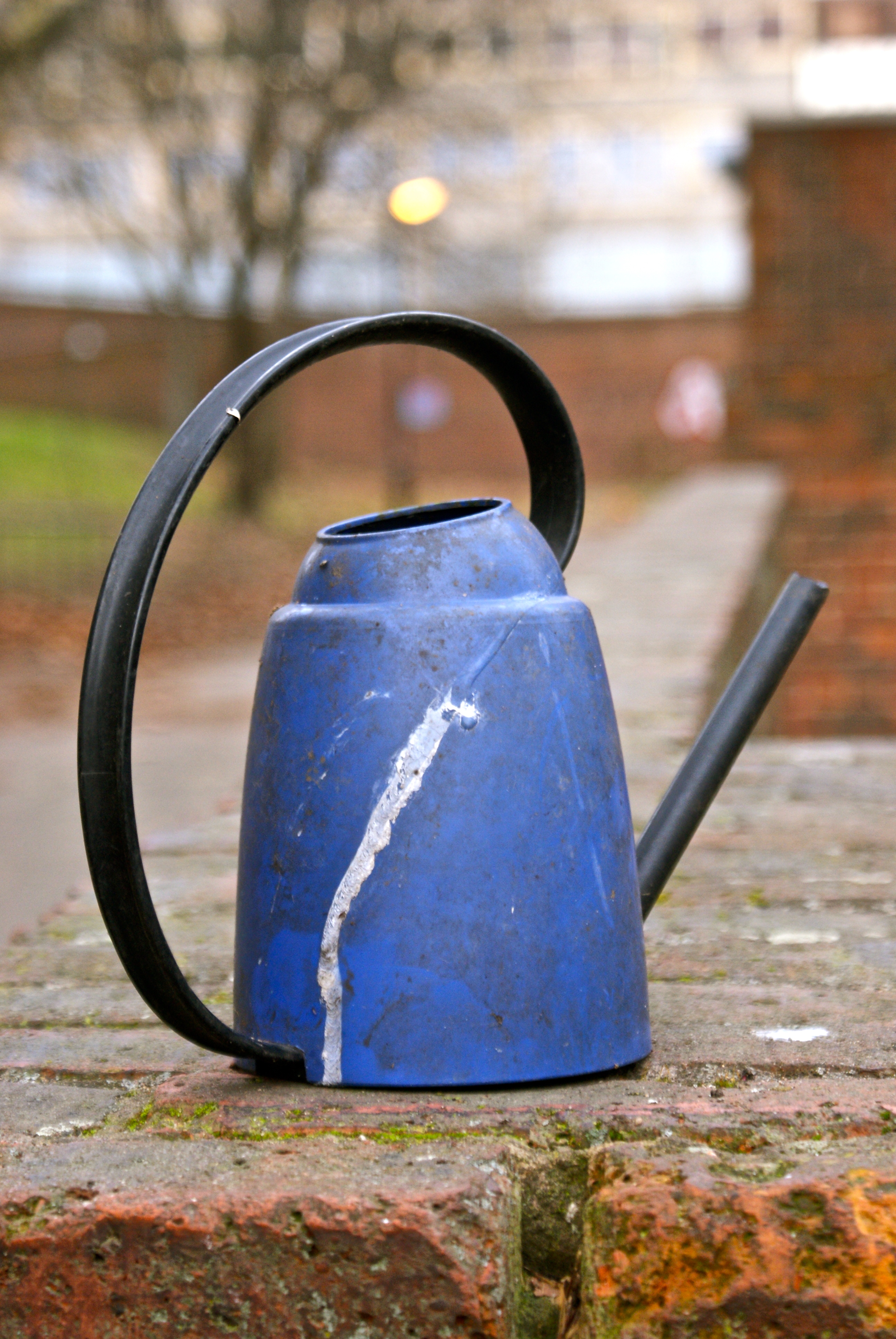
  •  the tea pot sat waiting for use
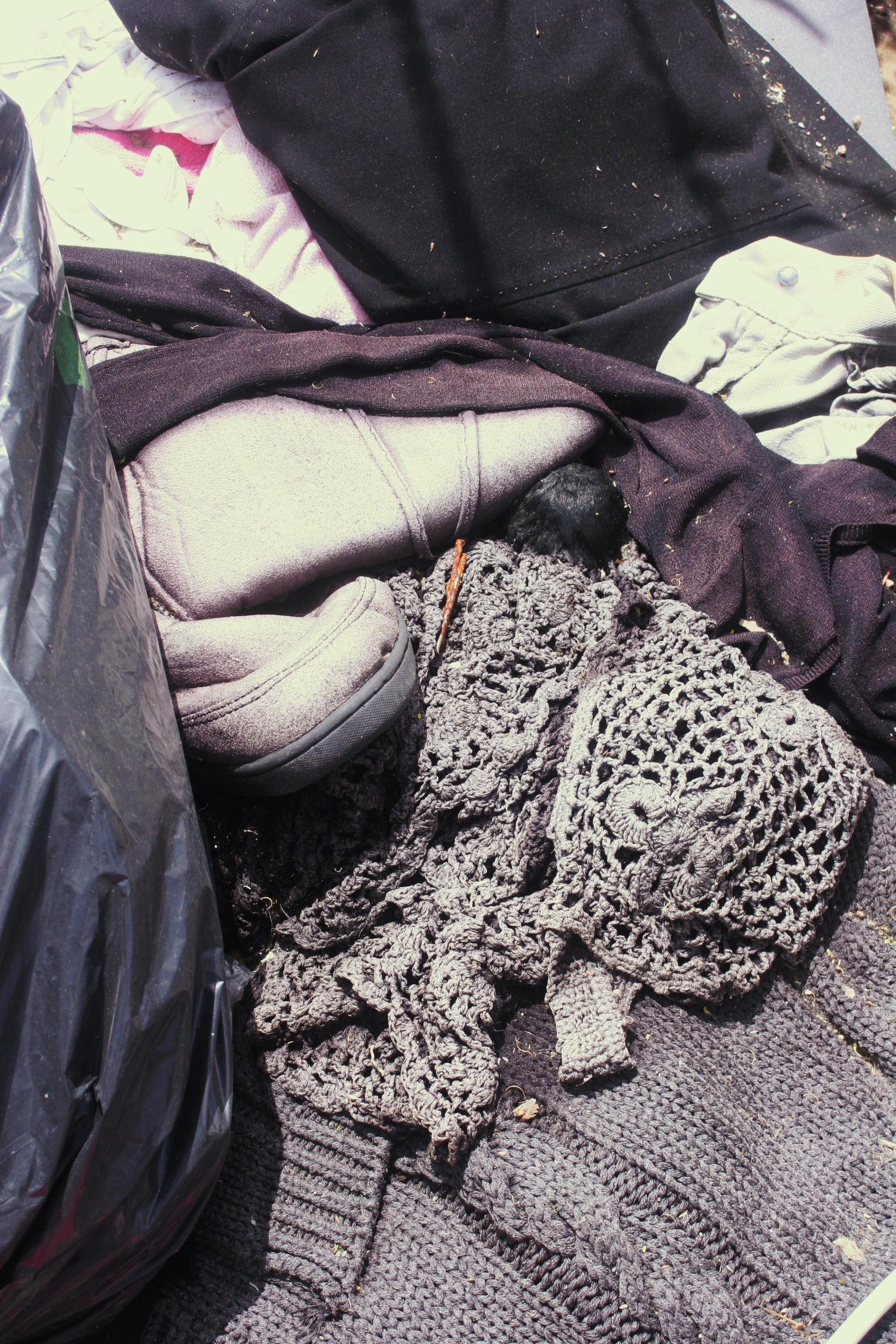
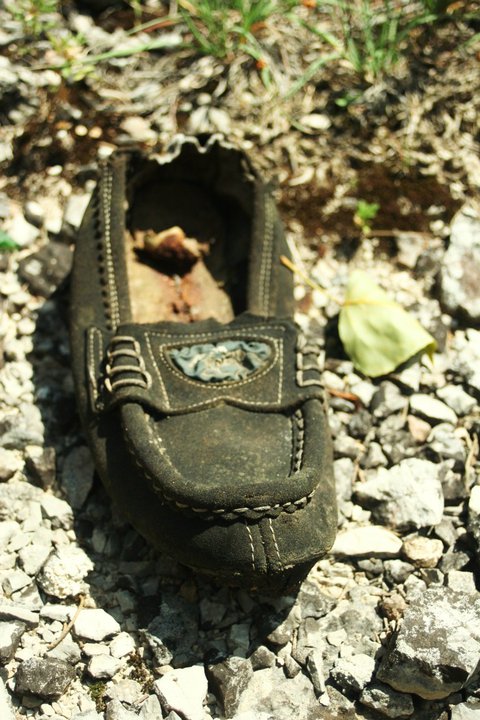
  • an odd slipper left 
  •  a leopard skin rugged sodden in the rain 
  •  sight lines of contrast 
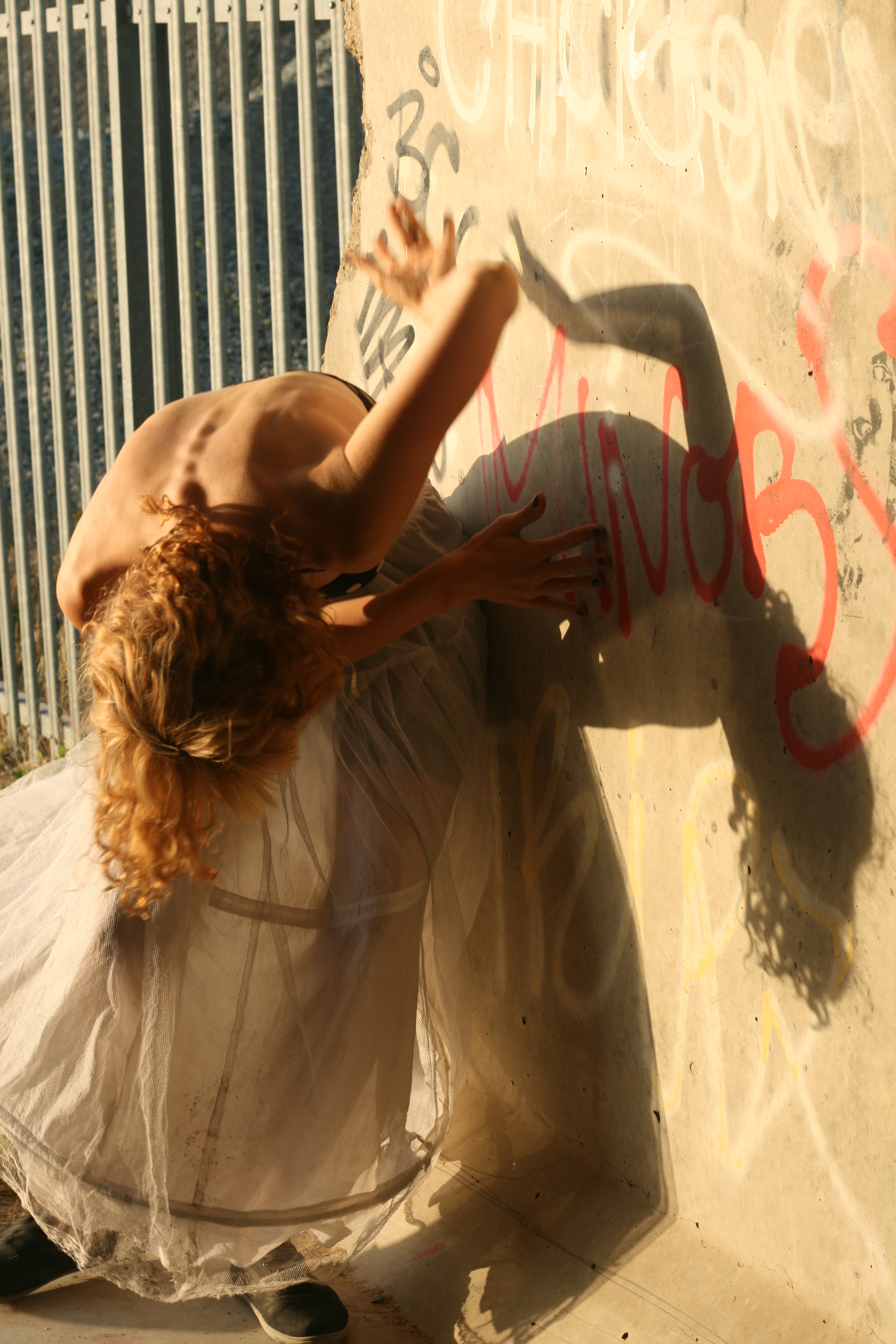
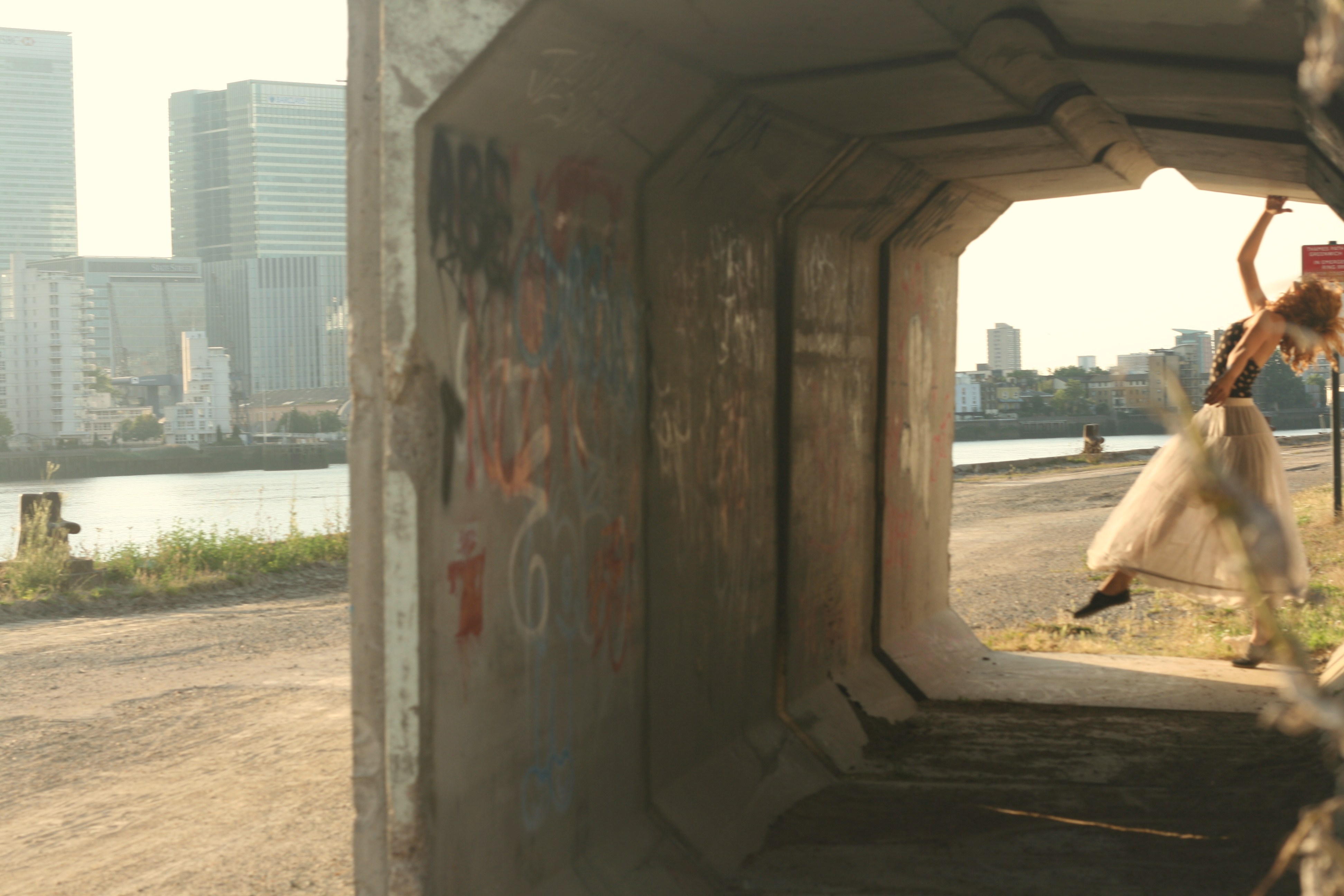
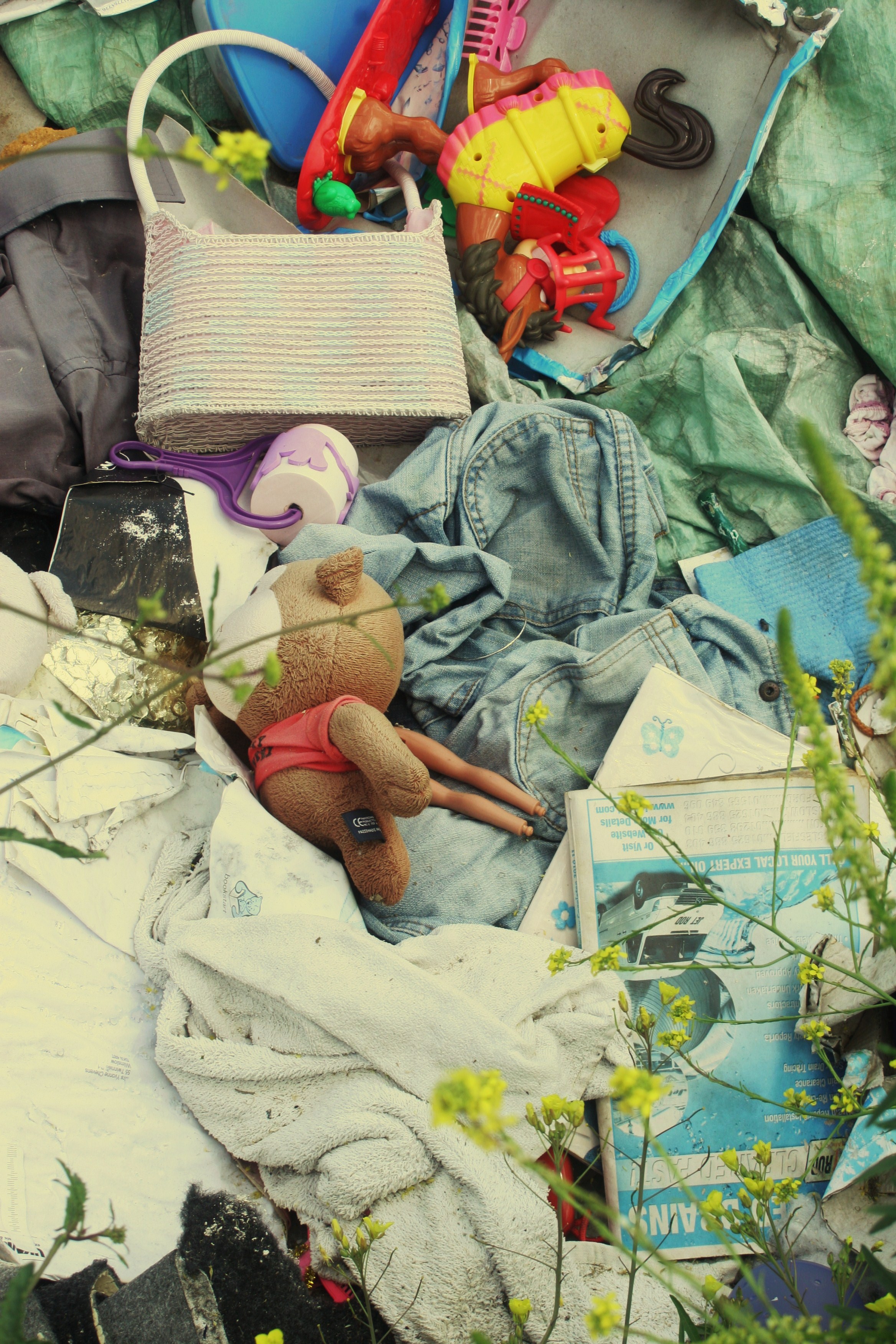
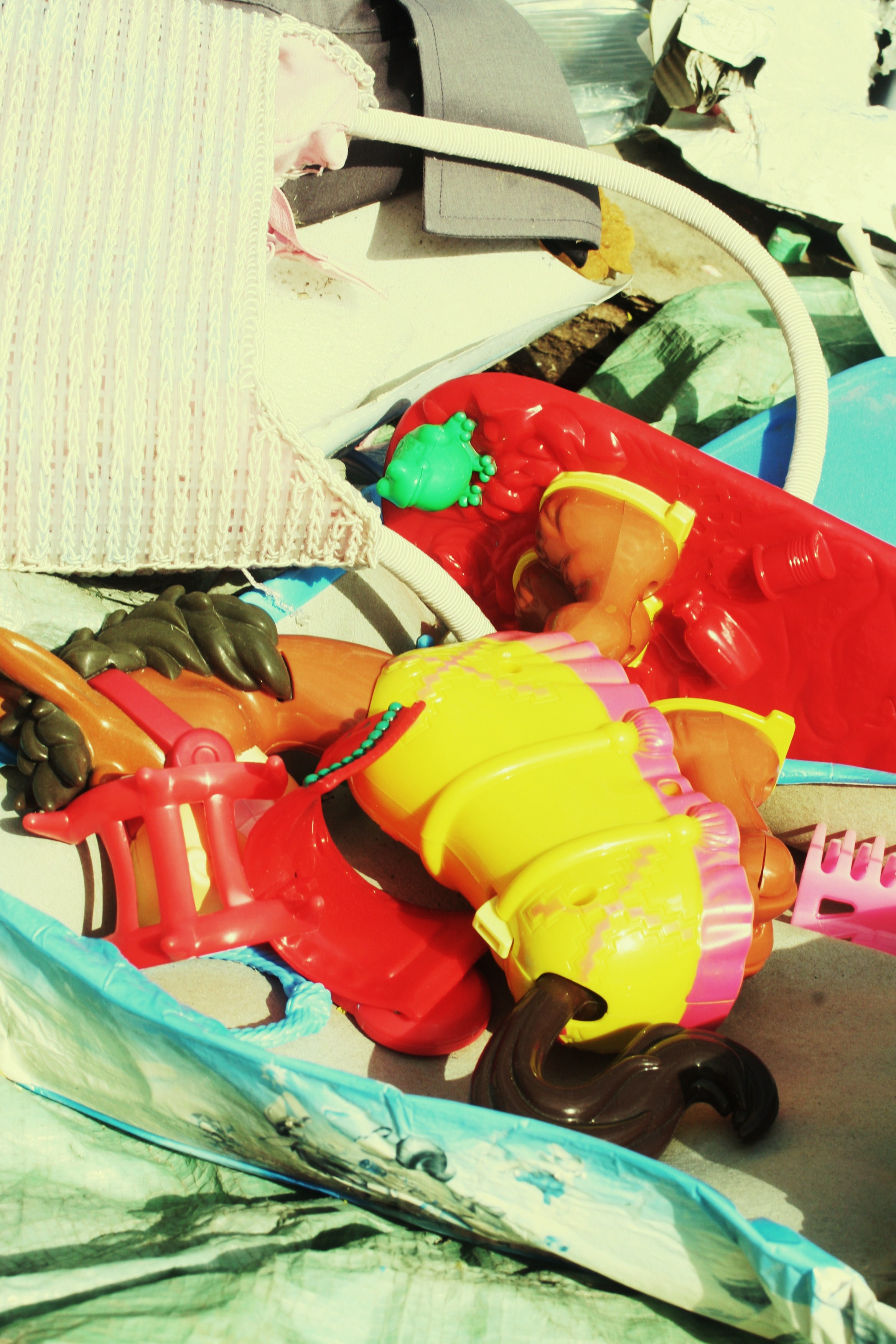
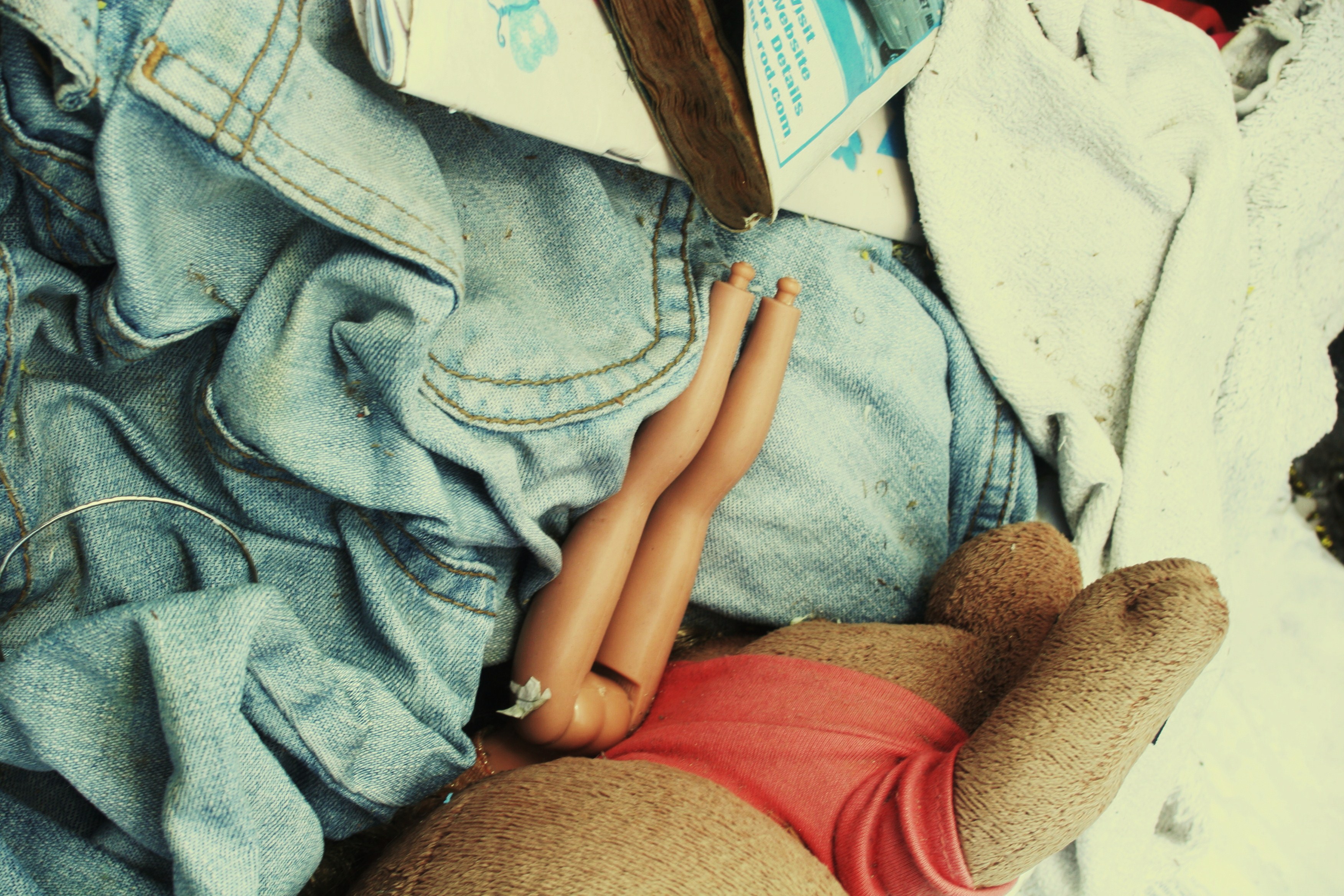
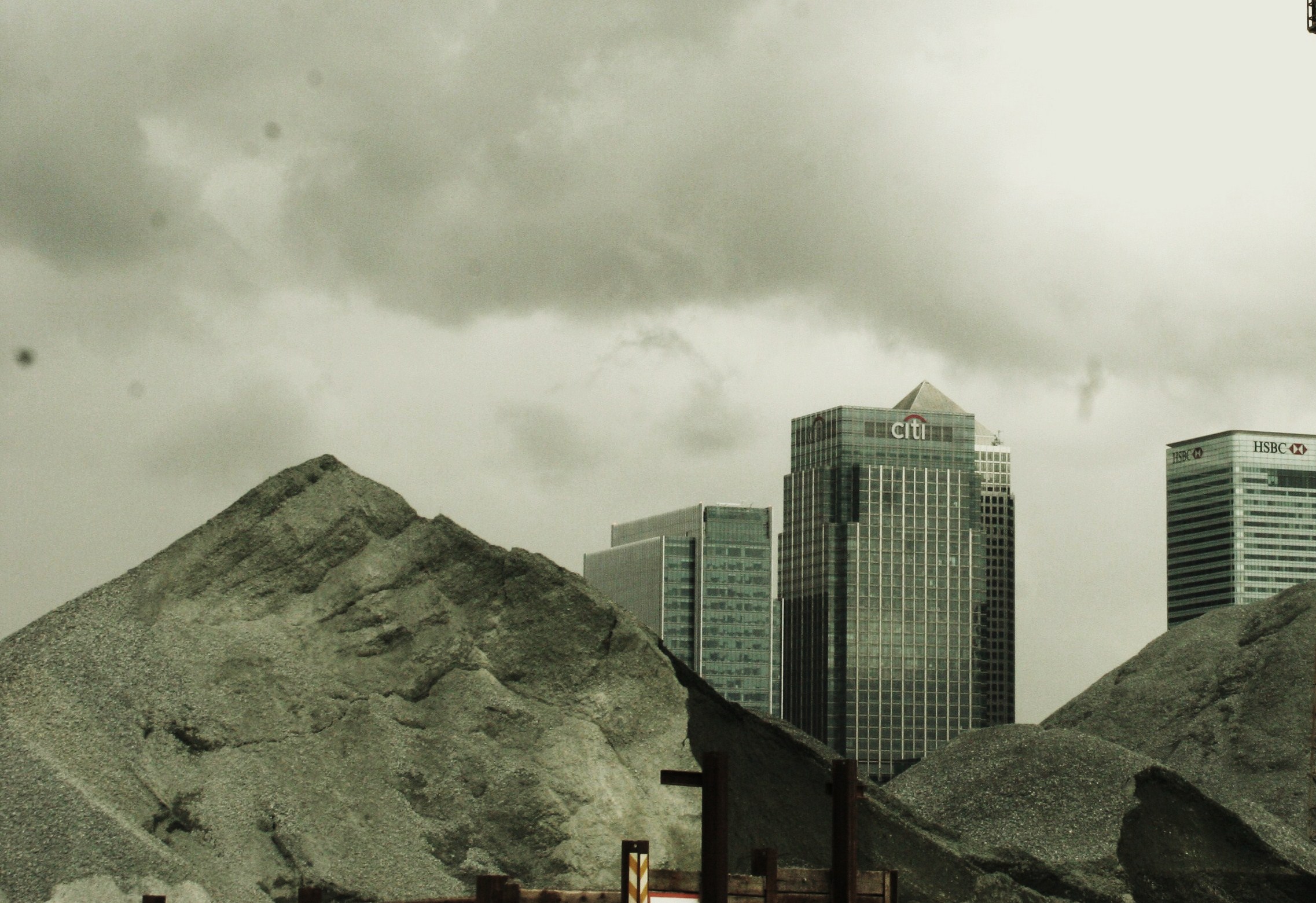
People | space | shelter | control | power | the quotidian | bodies | the city as an object, a theory, a ballet, a muddle, a neatly ordered system, a corrupted metaphor for humanity’s growth and decline… The surreal play of entwinement of the asphalt and the body in moulded cement of the human form in concrete boxes.
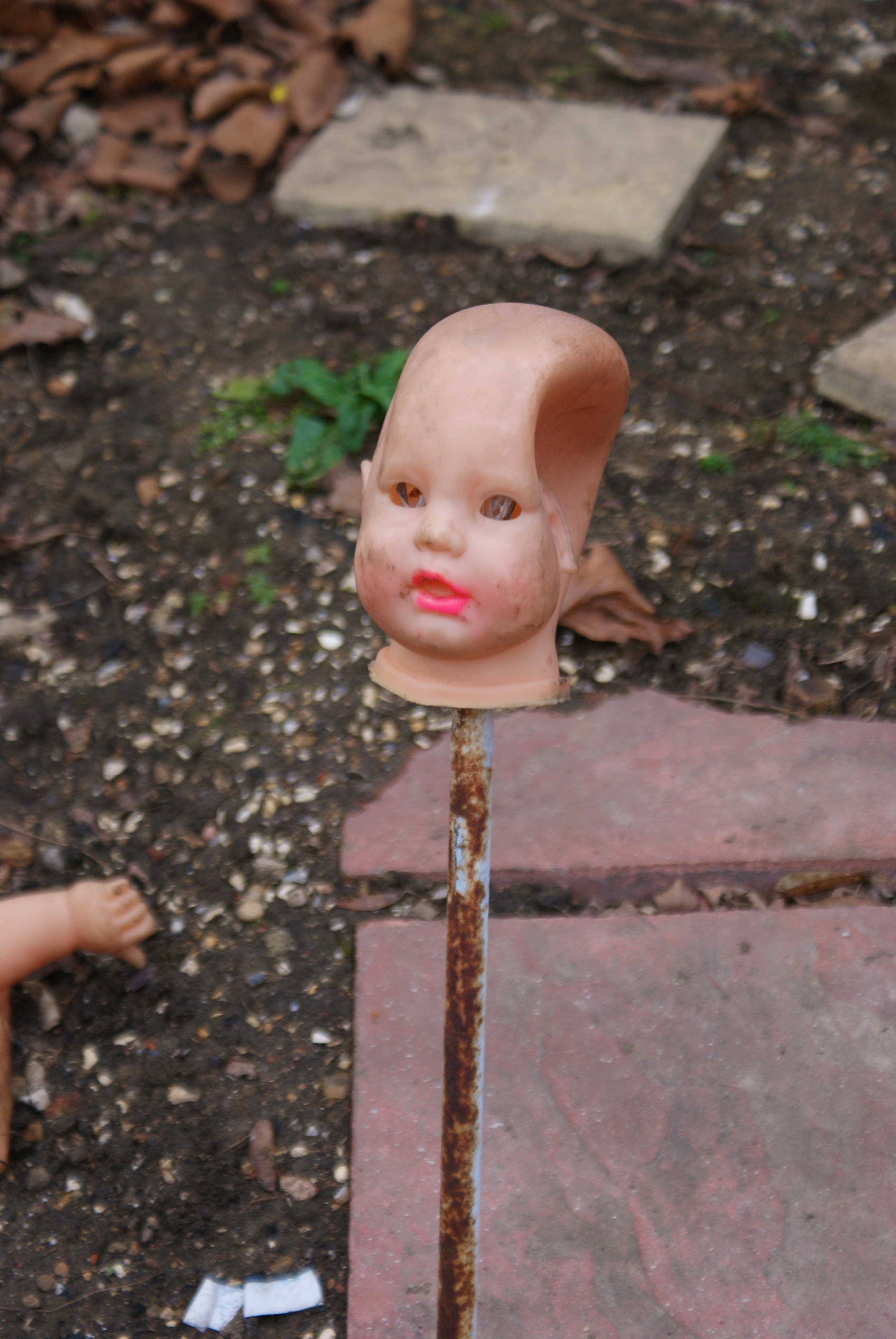
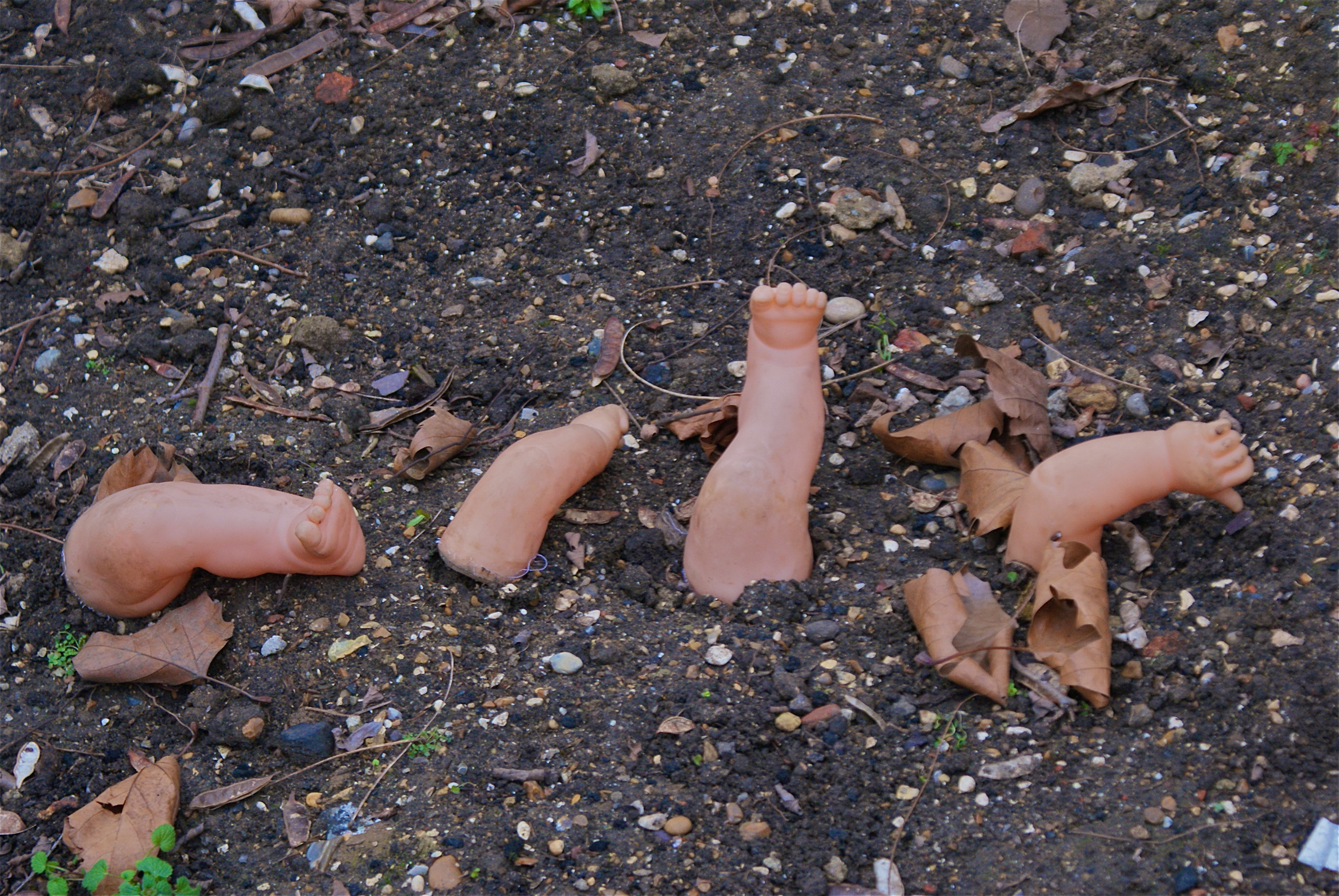
All sites are duely recorded; stored; to become archive of our present. Losing sense of time and slowly regrouping.

“To make an interpretation of a Map
Of paths in the nearby subway with a large ball of red string around the estate. “
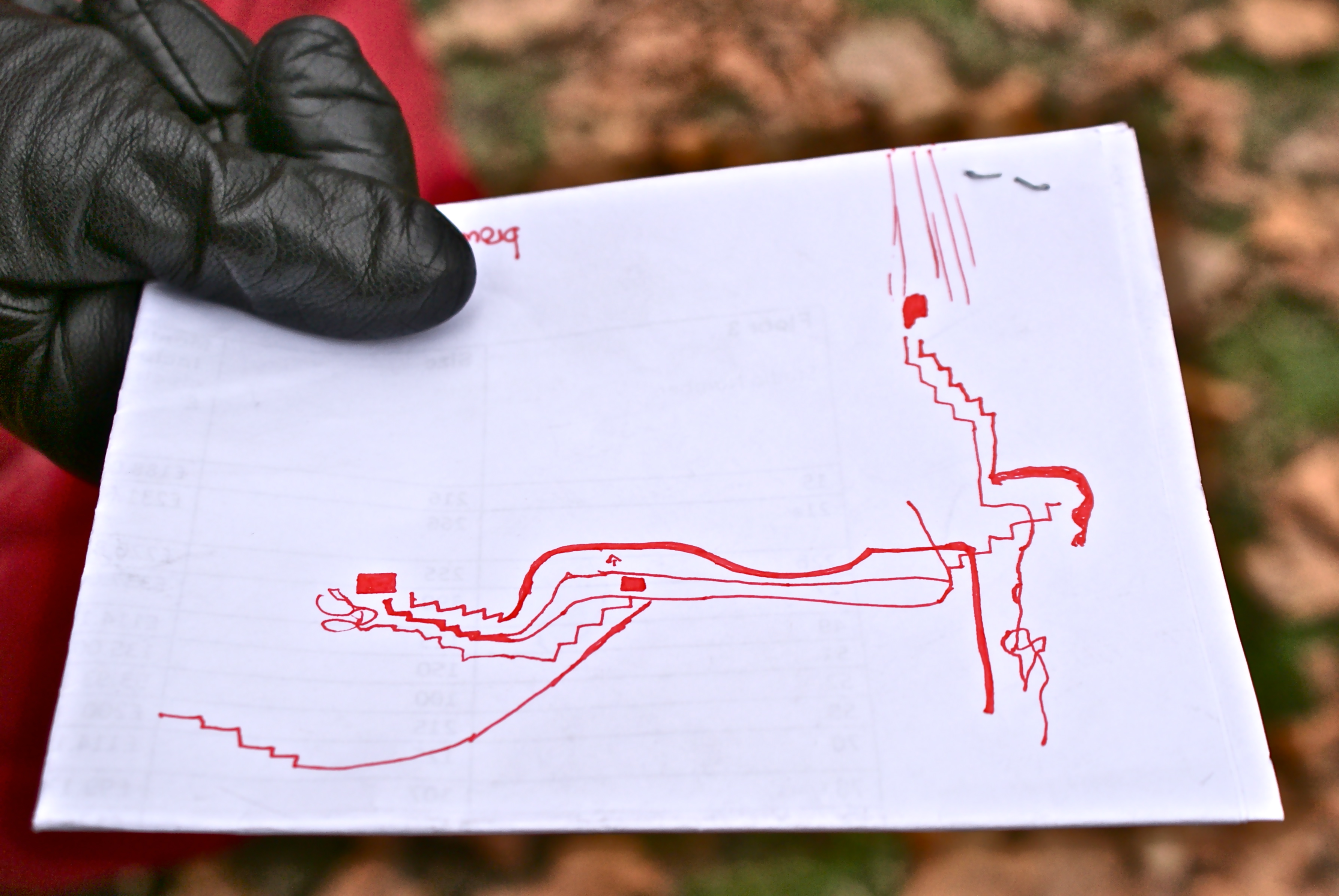
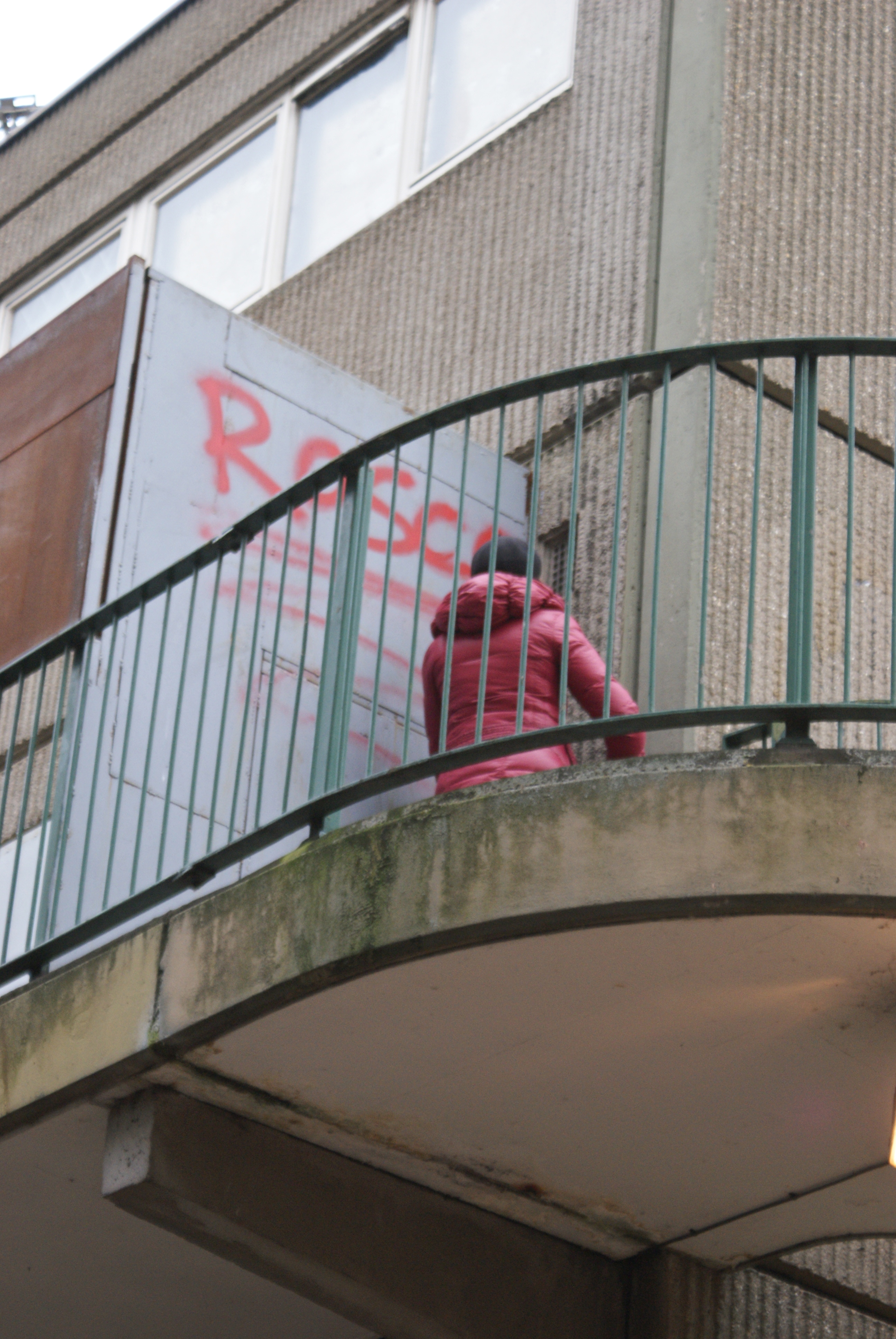
Our task is not simple. As 7 we begin. Lines cut out and open the space; hide; conceal; bind; reveal. The red twine forms sculpture; object.
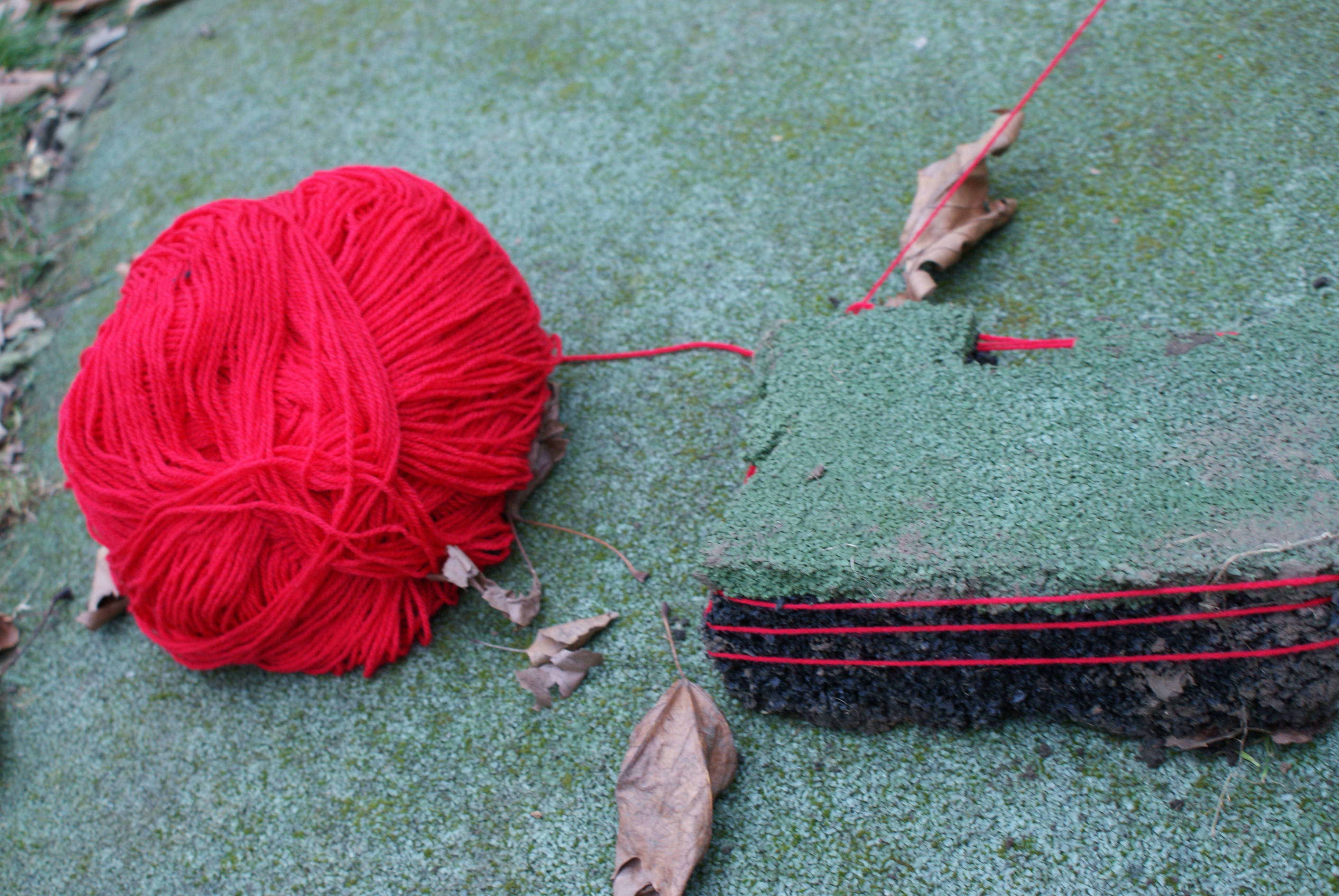
Sight lines of place; space; moments of entanglement and performance; collisions and modes of encounter:
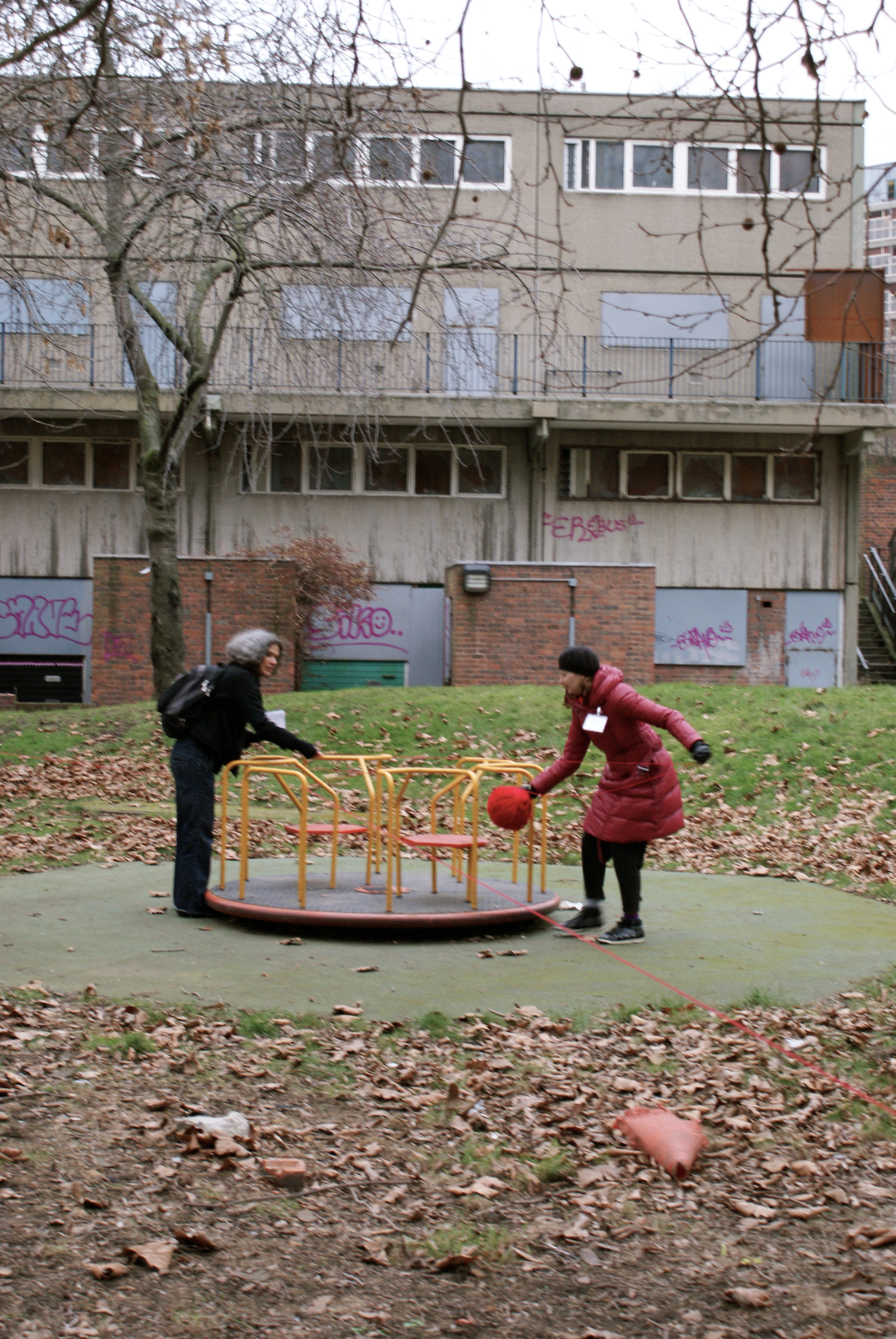
The tides of cement lap softly at my feet now, motions of joy in such respite as we have found in this strange haven; Fall as asphalt confetti on to the still green plane.

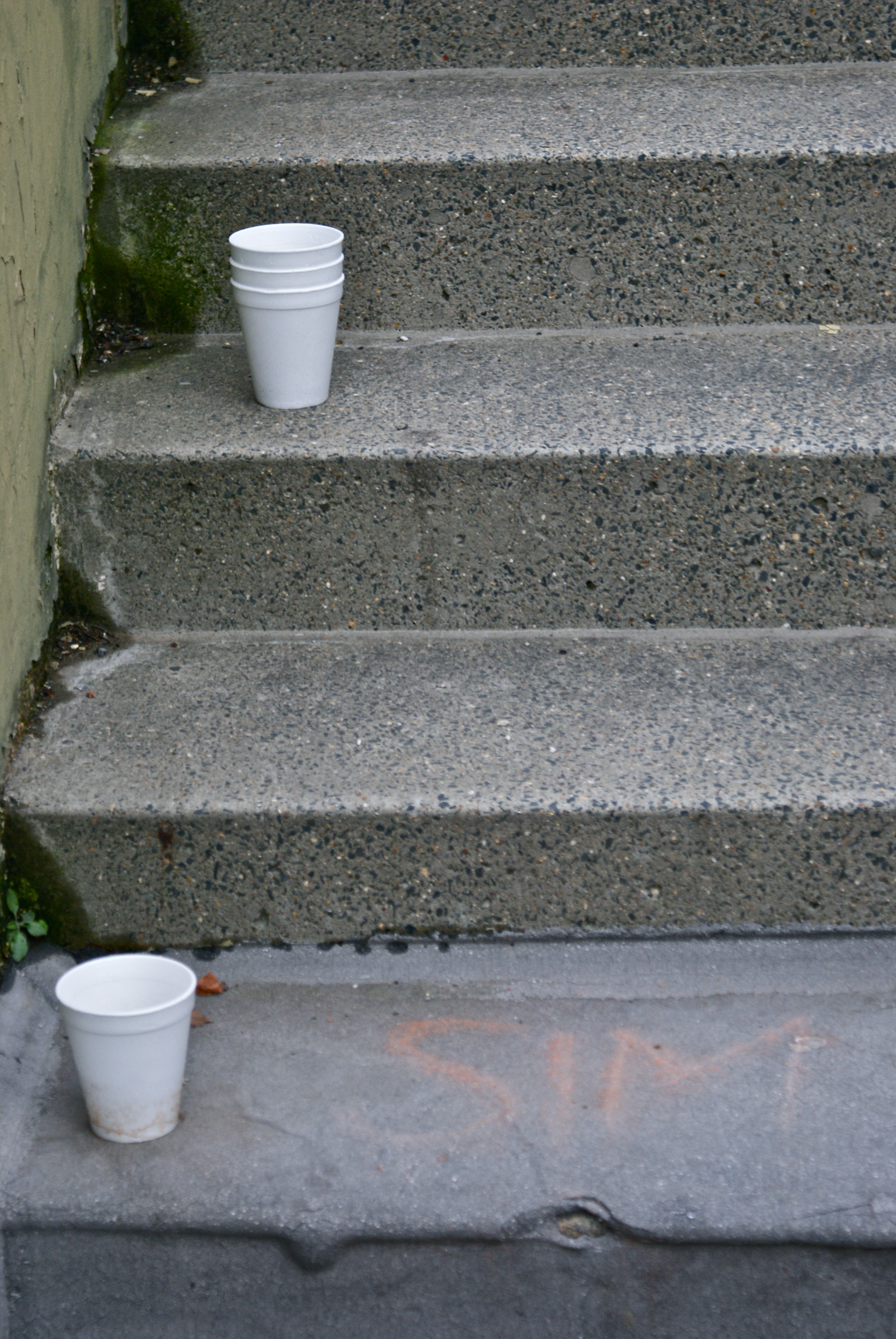
Departing this scene of strange bliss; a lingering exit; watching now as the herds amass again; the flux encroaches once more; the pavements more worn with the stories it holds; the shopping centreconsuming; people stand consuming quickly thin hamburgers rather than meat.
.

The air thickens as smog to the lungs of the disaffected, softly softly to the ground of the plastic tree. Moments blundering as years as we become what we were never intended. To whom go we thank for the new plazas which we walk through as robots in new shoes, the weight of the concrete heaves under new weight of un-needed industry. Returning to the city bustle after a brief glimpse to a land forgotten; imperfect but still sturdy. Our shoes still with a light dusting of fresh air and mud;  it seems estranged; needing some celebration.
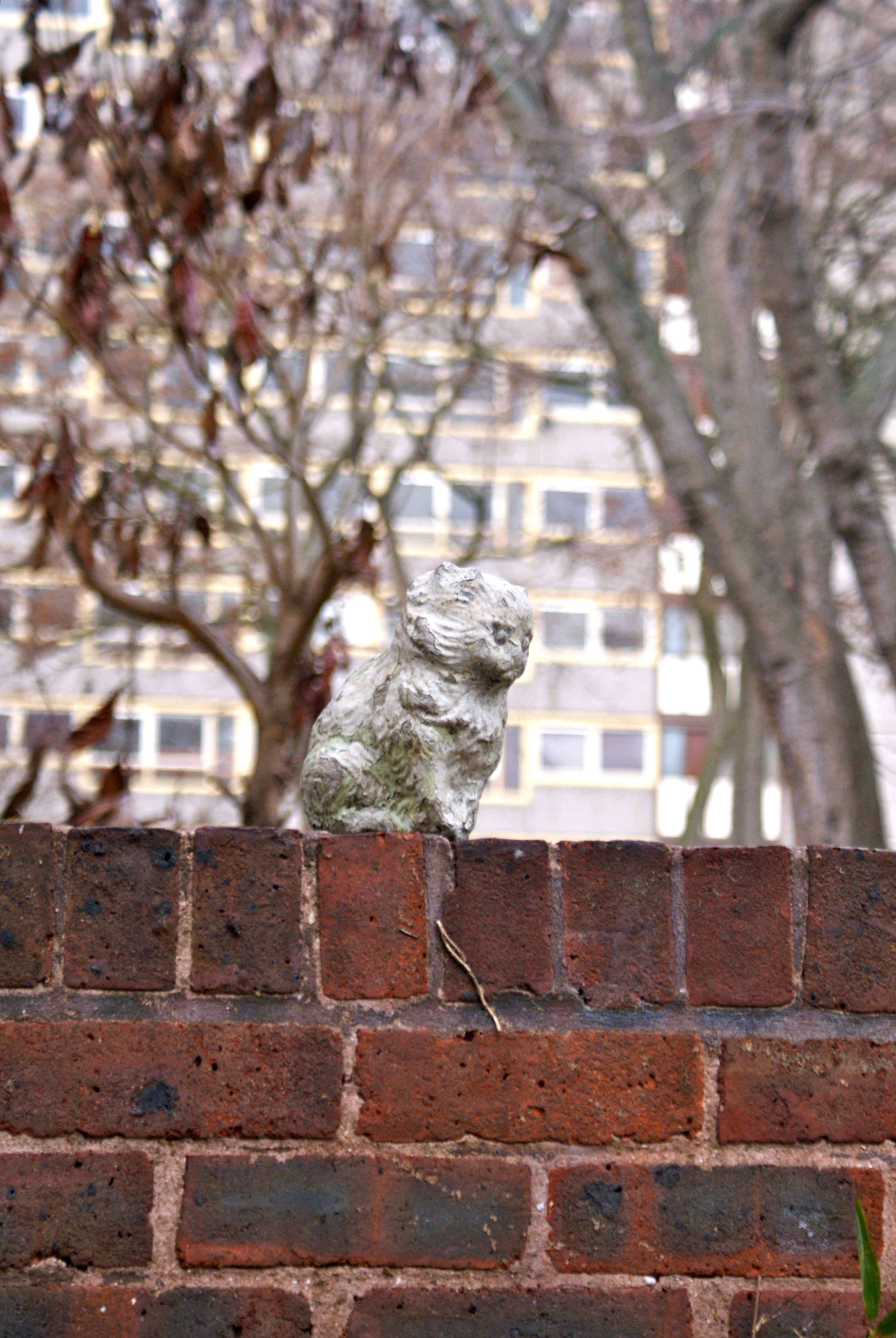
There are few words needed go describe our tranistion. We depart. Each of us carrying fragments from such moments I hope in fondness.
Crammed into the small speeding compartments in the tunnels of the urban progress, characters blend now; the stage has expanded; the lady reads her bible next to the man who reads the financial times, flip flops walk next to glossy high heels, suitcases jam next to roll mats,

we all exist here still in our own little worlds but condensed, tighter and tighter, the space for expression more and more limited the closer to the city’s heart we arrive. Content to observe these clashes, somehow quite silent and sad the ribs now consume eagerly recycled air and the second breath.

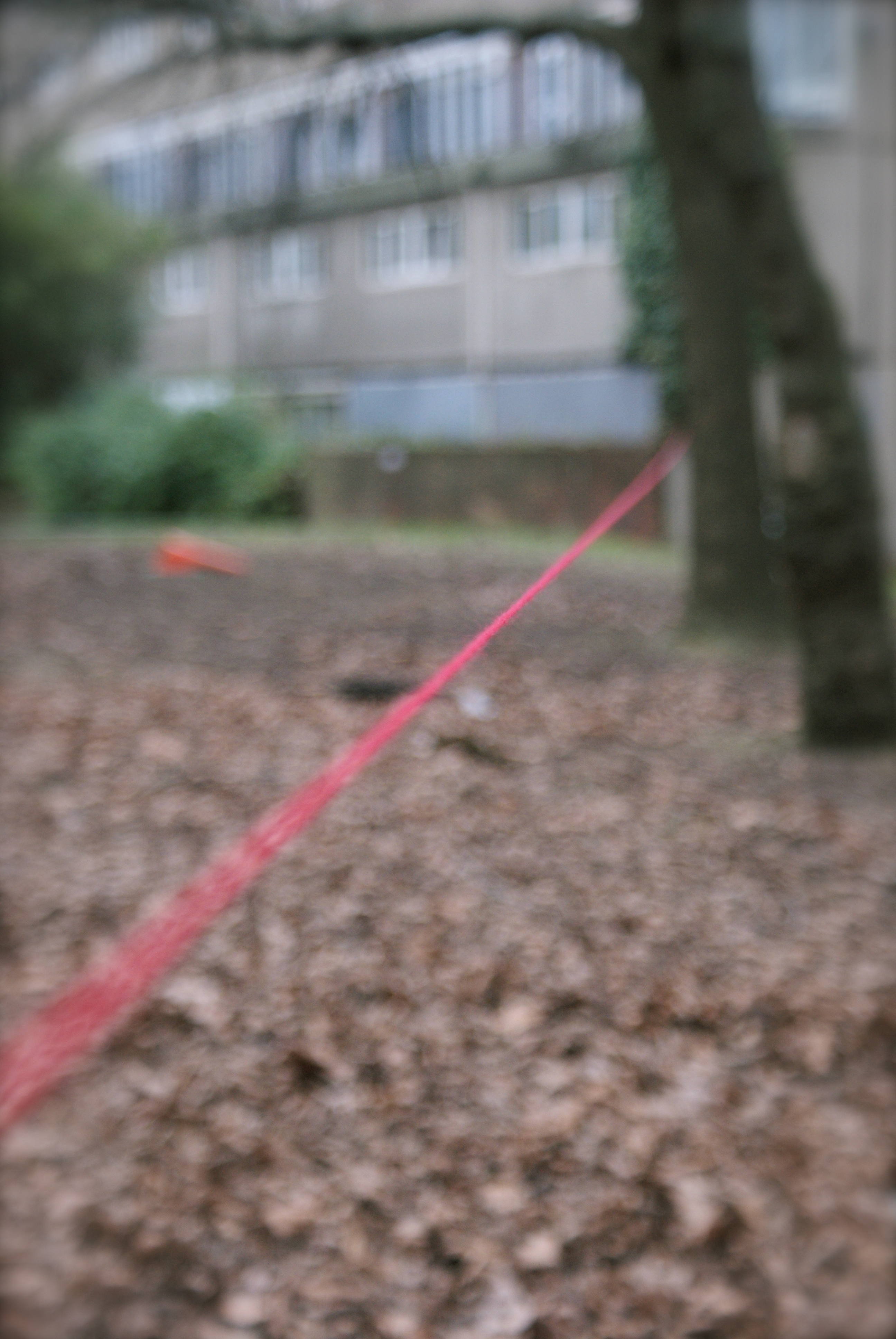
This post is written in reflection of a Practising Space lab session in collaboration with LSBU students taking part in the Place, Performance and Social Use series in the Planning Department. Participants: Nina Feldman, Camila Mello, Rachel Champion, Amy Spencer, Beatrice Jarvis ( PS LAB) and James Chadwick, Deborah Durbac at LSBU. 
Devising Workshop.
•November 12, 2011 • Leave a Comment

Beatrice Jarvis workshop

Please click the abover link to see Workshop flyer.( opens as PDF )

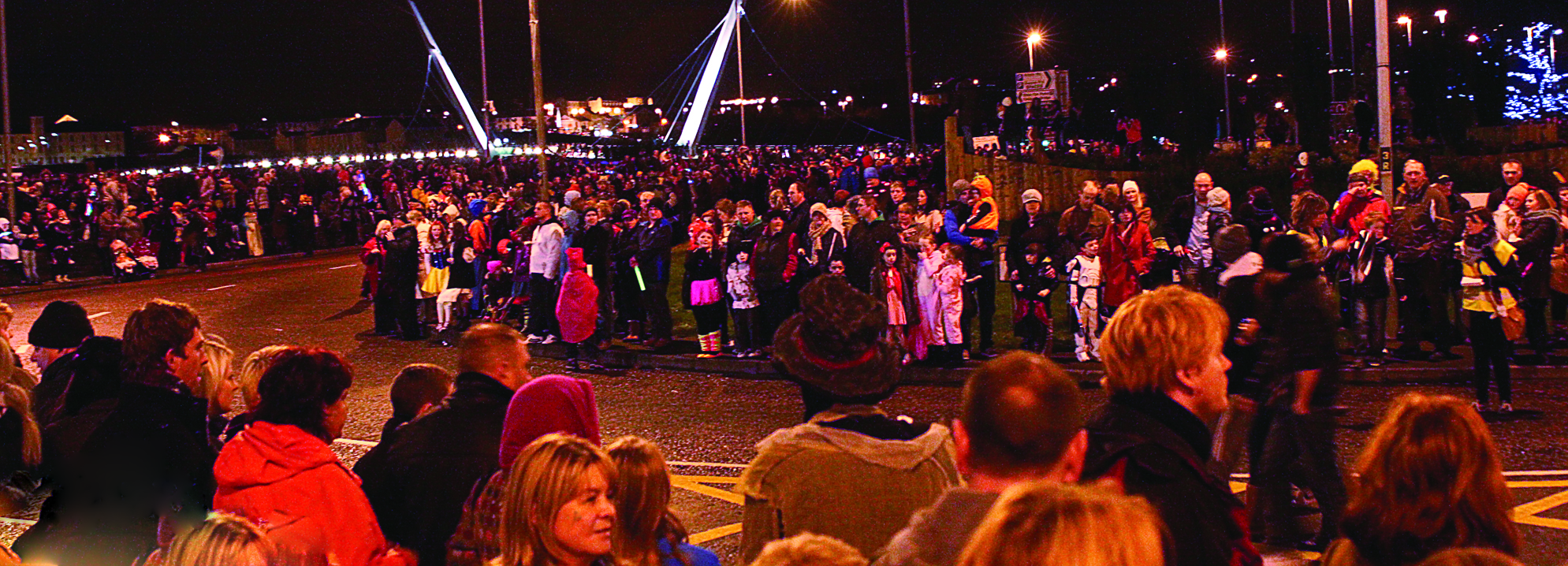
Dancing your landscape | A site specific performance devising workshop| By Beatrice Jarvis

Thursday 17th November

University of Ulster

Magee Campus: Main studio: 11 am to 3.30pm.


Are you interested to explore dance and movement in the city?

Are you interested to explore how to animate public space?

Are you willing to challenge yourself to explore new approaches to performance devising?

Are you keen to explore multidisciplinary approaches to creating performance work?

This workshop explores Derry as a studio, collecting and gathering observations and stimulus from daily urban life and using it as a resource for performance-devising. This workshop unites dance, choreography, performance-making, sociology and photography as a means to generate unique urban portraiture. Exploring the experience of the city as a primary resource; this workshop uses creative choreographic methods to explore the city through the construction of a unique, personal, movement-journey through a specialised guided workshop.


Workshop Outline:

The workshop begins in the Dance Studio (Foyle Arts Building, Magee Campus) with a short presentation by Beatrice Jarvis: ‘The City as Studio.’ This will provide a brief introduction to concepts of site-specific work and explore currents in site-specific performance-devising methodology. This will explore both my own experience of site-specific performance and wider examples of site-specific methodological approach.

Moving then into a Release-based studio warm up, the workshop will move on to explore specific choreographic methods of embodiment of landscape. Allowing participants to explore through movement their own perspectives of the city, incorporating their current movement vocabulary and using the workshop as a spring board to develop new approaches to the creation of movement vocabulary.

The main themes which will be explored in this initial session are:

The body as archive’ – enabling, through a series of led improvisations, participants to generate a series of unique movement motifs which can later be used in the city as movement tools. The focus for the initial session will be the construction of a movement vocabulary through memory, exploring personal history as a choreographic resource.

Studio to city – taking a walk from the Magee Campus to the Guildhall Square. The walk will function as a talking/moving tour.  Each participant will talk briefly en route about his or her relationship to the city and the other participants can take images, words and sentences from each ‘tour’ which they can form into motifs.  The cartographies which emerge from this initial encounter will all be unique and the workshop process aims to platform the individual experience of the city as a stimulus for collective movement action. The personal cartographies will form the stimulus for further performance and intervention devising; also exploring the use of voice in choreographic practice. The participants will explore specific parts of the route through movement, using their body to explore the textures of the terrain traversed.
Using the Guildhall Square and surrounding areas as studio; the workshop will then explore the following modes of choreographic devising processes for site-specific performance:

– movement observation and interaction in public space

– the body as social object:  exploring the body as sculpture

– movement as social tool; improvisation tool as mode of public engagement.


This section of the workshop will explore how performance and choreographic action can be a social facilitator and highlighter, encouraging participants to explore their own performativity and that of the space through a series of action-based encounters leading to the creation of small set choreographed interventions by participants.  These will be created from observation and reaction to each other’s encounters to animate, enliven and shift the atmosphere of the space.

Returning to complete the workshop in the studio, participants will then reconnect to all the choreographic movement materials accumulated throughout the workshop and perform them as set material in the studio.  They will then be able to alter and adapt the material into set movement pieces which can be filmed and replayed for a small discussion and evaluation of participants’ reactions and journeys through the workshop.

Overview:

This practice-based, choreographic, devising workshop will enable participants to develop and expand the following areas of performance knowledge;

– Site-specific devising methodology

– Widening potential stimulus base for choreographic material

– Exploring the use of choreography as a social/cultural tool through the use of movement memory

– Performance boundaries and explorations of dance in public space

– Explorations of the relationship between site and studio

– Adaptation of choreographic material to multiple sites.

– Experimentation with the use of choreographic scores for performance stimulus

This workshop offers a unique opportunity to experiment, explore and reflect upon dance and choreography as a method of spatial encounter. Through a series of carefully crafted score-based activities, participants will have the opportunity to move, create, discuss, reflect and perform; from studio, to city, to performance, to film, this is a unique approach to multi-disciplinary choreographic practice.

These are examples of the work that this mode of workshop has produced: http://www.practisingspace.com/exhibition-catalouge.php


A personal example of the use of this devising method can be seen in this project example: http://beatricejarvis.com/northbank-intervention-homage-may-09/ to generate http://beatricejarvis.com/homage-to-a-falling-city-bow-road-site/

Further information:

Beatrice Jarvis University of Ulster

PhD Research title: The Choreographic Apparatus| How Far can Choreographic Practice be used to Develop New Methods to Explore and Offer Insights into a Range of Urban Contexts:

“As a practice based interdisciplinary practioner; my PhD unites the disciplines of choreography and sociology; relying on photography as a medium in which to present my research findings so they can be applied to the disciplines of urban planning and social policy surrounding regeneration.”

For further work examples please the following links:

http://issuu.com/urbanresearchforum

http://www.blurb.com/bookstore/invited/1015638/a8bd37a9fad73767cb13edef857dba7d

http://www.blurb.com/bookstore/invited/1002909/405ee1c548a4b9718763503e118327cc

Beatrice Jarvis is making a choreography exploring daily life in the City of Derry. Working with local residents, this process will explore how life in the city can be explored through dance and movement.

This project aims to work with people of all ages and abilities to explore choreography as social process, creating a space for local exchange and interaction. This workshop will provide a brief introduction to the project and will give participants further opportunities to take part in a series of collaborative workshops and local based performance as a means of creating a social platform in which to talk about their experience of daily life in Derry.

This work explores the social position of dance and movement in Derry/Londonderry. This will be explored both through verbal interviews, an overview of existing movement activities in the city and the instigation of a choreographic intervention in a local venue working with people from the city. This project investigates the capacity of movement to function as a social dialogue, creating channels of collaboration and exchange between people all over the city.

Participants are not required to have any specific previous movement experience; this is a unique activity to take part in an open, creative and exciting challenge.

If you wish to take part in the workshop or are interested to hear more about this project please contact Beatrice on 07790149647 or email jarvis-b@email.ulster.ac.uk

The performance of a city.

•November 12, 2011 • Leave a Comment

These are the scenes of a city
Unsorted fragments
The performance of place
The eye wanders, softly, focused and without intent to construct.
A heavy step, a light embrace
The city has become walled only by the limits of memory

Tireless and tiresome
Anxious yet an odd peace
Distraction finding form in the streets with no name.

The scenes seem to repeat; a natural stage for encounter.
Sometimes memory has a smell or a texture.

Each step evoking sensations I imagine I had forgotten.


to watch the endless parades and changes these forms take

to conceal ourselves with facades

revealing intimacies in bright spot lights

we pass as strangers waiting to be known

sometimes we are celebrated by another
the glory of the still framed image
set in memory such grandeur

one can only guess the life of another

adding and constructing the unknown and the known


The places. And the People. Perhaps As together; perhaps as separate.

Littering imprints of histories

There are natural places of performance

Or is it simply the eye which constructs such stages?

The natural desire to fill spaces with odd encounter

The disconnected.

These are not a collective tale

Rather the cluttered paths of sites encountered and kept in case of loss.

What does it mean to practice research?

The city as an endless studio; an endless map of encounter and suggestion; of form and conclusion.

As fragments the city takes form; the body collects in turn an imprint of its encounter; this forms practice.

How does the body become a mirror to its surroundings, a subtle series of adaptations to social codes which it may have forgotten how to define, codes which by it lives out it daily encounters and accordance’s; codes of social realities that it may not care to examine or disclose.

How does the body pass through the public space; subtle observation and documentation may lead us to believe that it is mindless; that we are not in full control as to the ways in which we are processing passing and committing to such realms of experiences.

We see the city through the spaces which we pass; the city cannot become anything other than what we can encounter and what we are forced through limitation only to imagine. The lives of the city become somehow  absent murmurs; familiar yet unknown.

I like to follow people in my mind behind the door which they close. Wondering the parallels of the image I construct and the image that was intended to be created.

When we are faced with scenes of mass; as performance of art or place; the body becomes all we have to convey the image of the reality we exist in. The city becomes then a promenade for the endeavours of constructing an identity.

Forwards then.

On Practice:

Within my choreographic practice I alternate between two forms of generating material which endeavours to embody the social, cultural and political context which the body exists within. The first  is a method of score based practice enabling the body to reflect  its life world and the cultural and political contexts from which it emerged; using techniques of somatic awareness and enabling the body to deconstruct its habitual patterns of movements and review the social contexts which may promote or contrive certain patterns of movement. The second method encourages the body to go about its routinal habitual patterns of movement in settings, which they would naturally occur and as choreographer, I can apply techniques of anthropology to ‘read’ the movement patterning which occurs naturally in specific sites and locations. I then apply the fruit of these observations into the construction of a movement vocabulary which can either be performed by the bodies it has emerged from, or take the vocabulary and apply it to separate bodies in a different space. The first method is more relevant to concepts of engaging bodies to review their own practice of movement, whereas the second is more abstract and becomes more a personal reflexivity of my own movement observation and subsequent application. Engagement with subjects within the first process is seminal; the process is led by their discoveries and realisations, my role within this process is as facillator and guide, with the intention not to layer them with any of my own presumptions or expectations of the process. The second method is detached from the subjects I observe; hence to a degree the process is loaded with my own preconceptions and expectations; this process deals with the raw physicality of movement, and any findings I make within such process as to the social or cultural context of the movements observed need to be supported by further context enquiry.


All images and text copyright to Beatrice Jarvis. Reproduction on request only.

Disperate fragments | Reflections on looking

•September 6, 2011 • Leave a Comment

The man sells church candles from a small stall.
“ I can order you anything you like” He pulls out many catalogues
“Any statue of any saint you like”

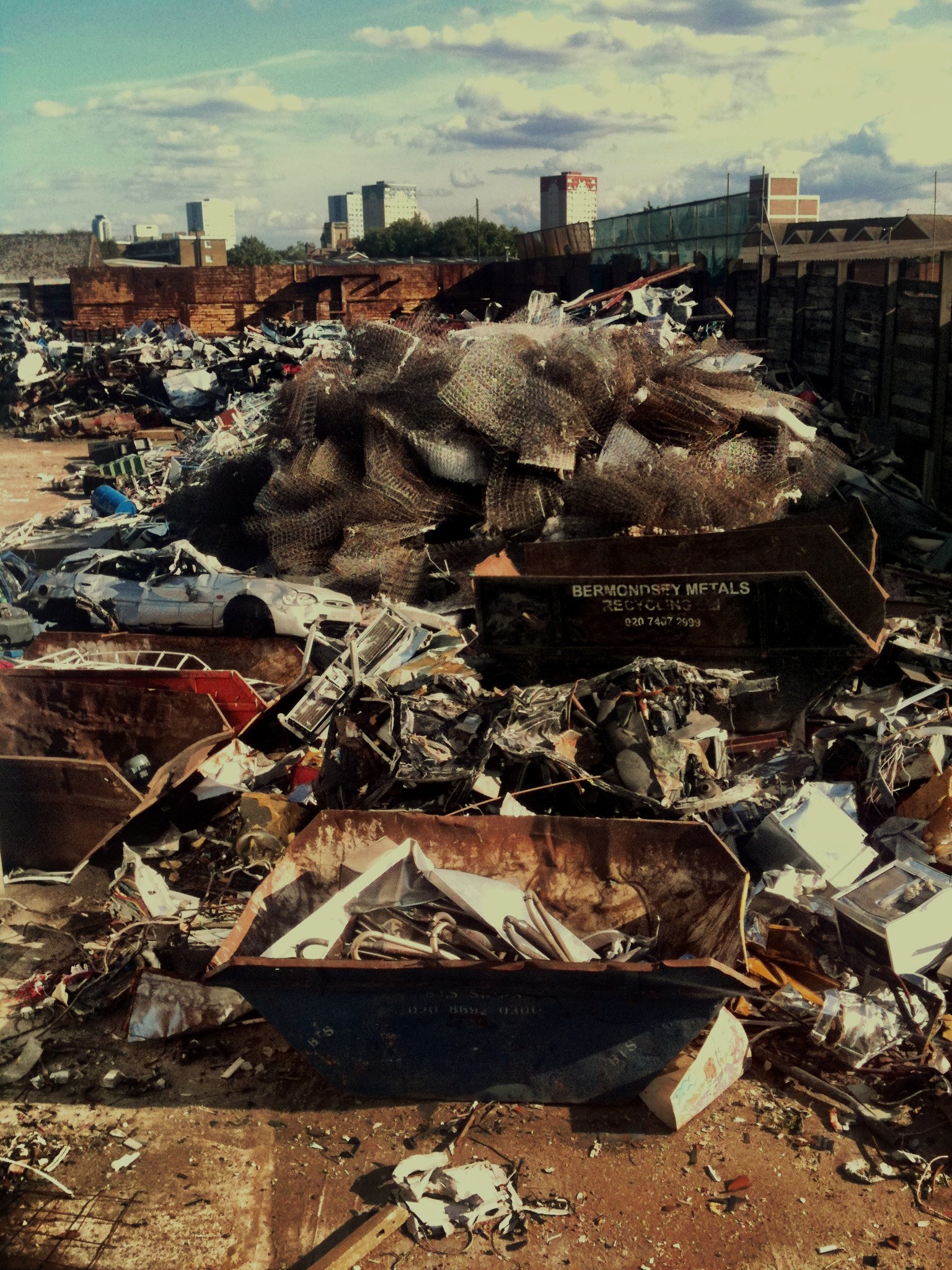
Staring at the piles of old mattress springs waiting to be recycled, the life of a mattress.

There is a sense of endless displacement as I wander the streets, piecing together the endless worlds which clash and collide, entwine and entangle. fragments are left of such entanglments.

Tensions held in moments collected, emotions held in snatches of over heard conversations, still somehow all loosely in a greater narrative to which I do not know the the thread.

Walking the city, walking through space, place and all of the spaces between places attempting some long term defragmentation process to achieve a sense of understanding as to how it all might become some totalising narrative of sorts.

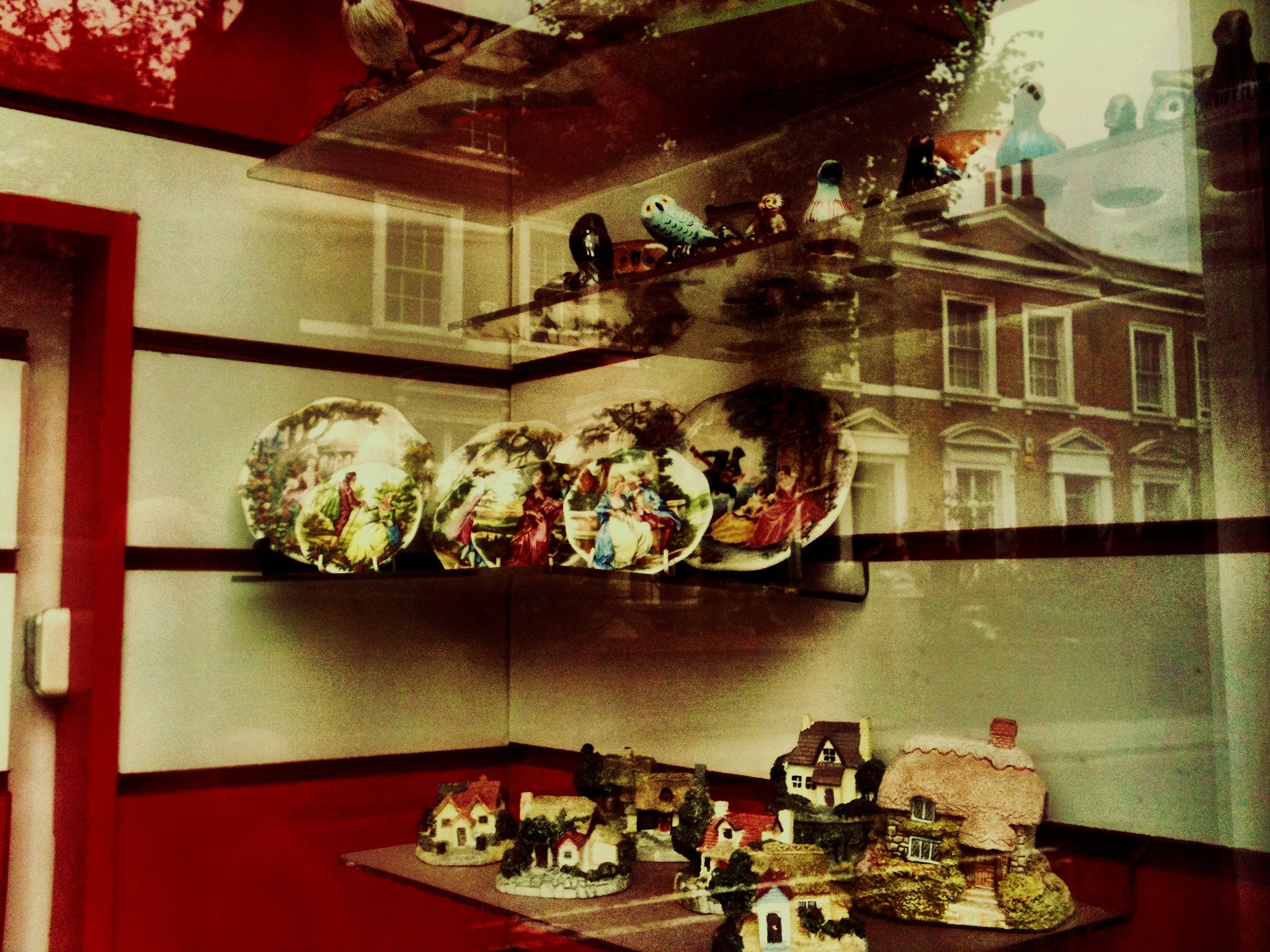
There are shop windows crammed full of second hand objects faded in the bleak sun, all with neat price tags on, awaiting to be attached to someone who might provide a sense of meaning for their fading gloss façade.

Each day I see the same man doing his exercises on the bench by the flats I always pass, I would feel anxious if he ever disappeared, some how he forms a central part of my narrative of some sense of belonging to this heaving shifting masses of concrete form, not that we need to share, but simply an acknowledgment we are seeing the same sights each morning, somehow allows loneliness to be less solid in the endless scenes of faded net curtains.

Yet each curtained window cannot help but leak narrative; in its form and assemblage; a person is presented vaguely through their curation of objects. The china dolls seem as guard dogs, pride of place, awaiting the passing voyeur.

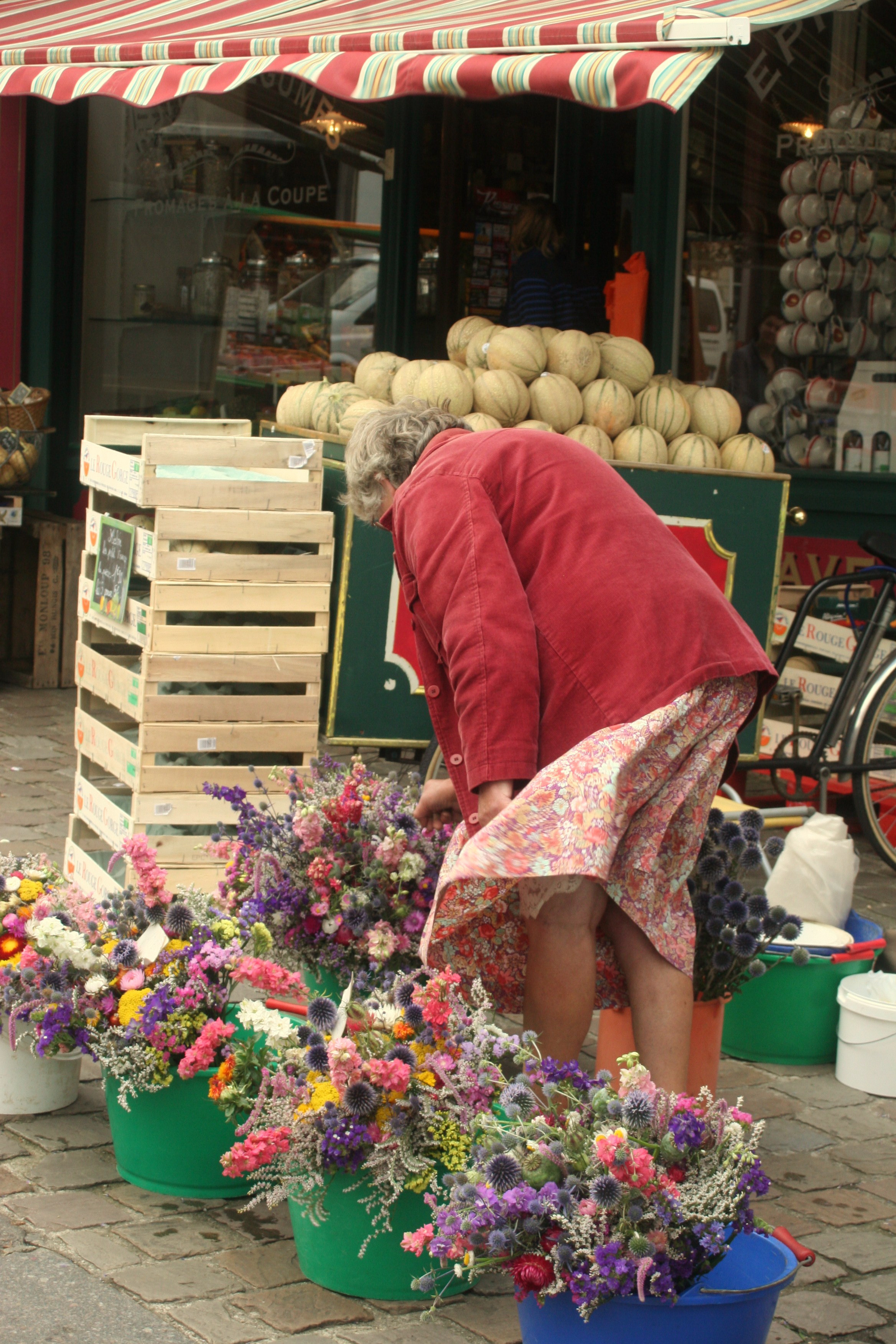
Transplanted briefly from one set of scenes to another; I watch the lady sell her flowers, completing a complex part in a matrix which allows the farm markets to stay mobile. Fruits of the soil, dried and seeking 6 euro for a home, to complete hers, an economy of scale which seems removed from the absurdities of ‘The City’.

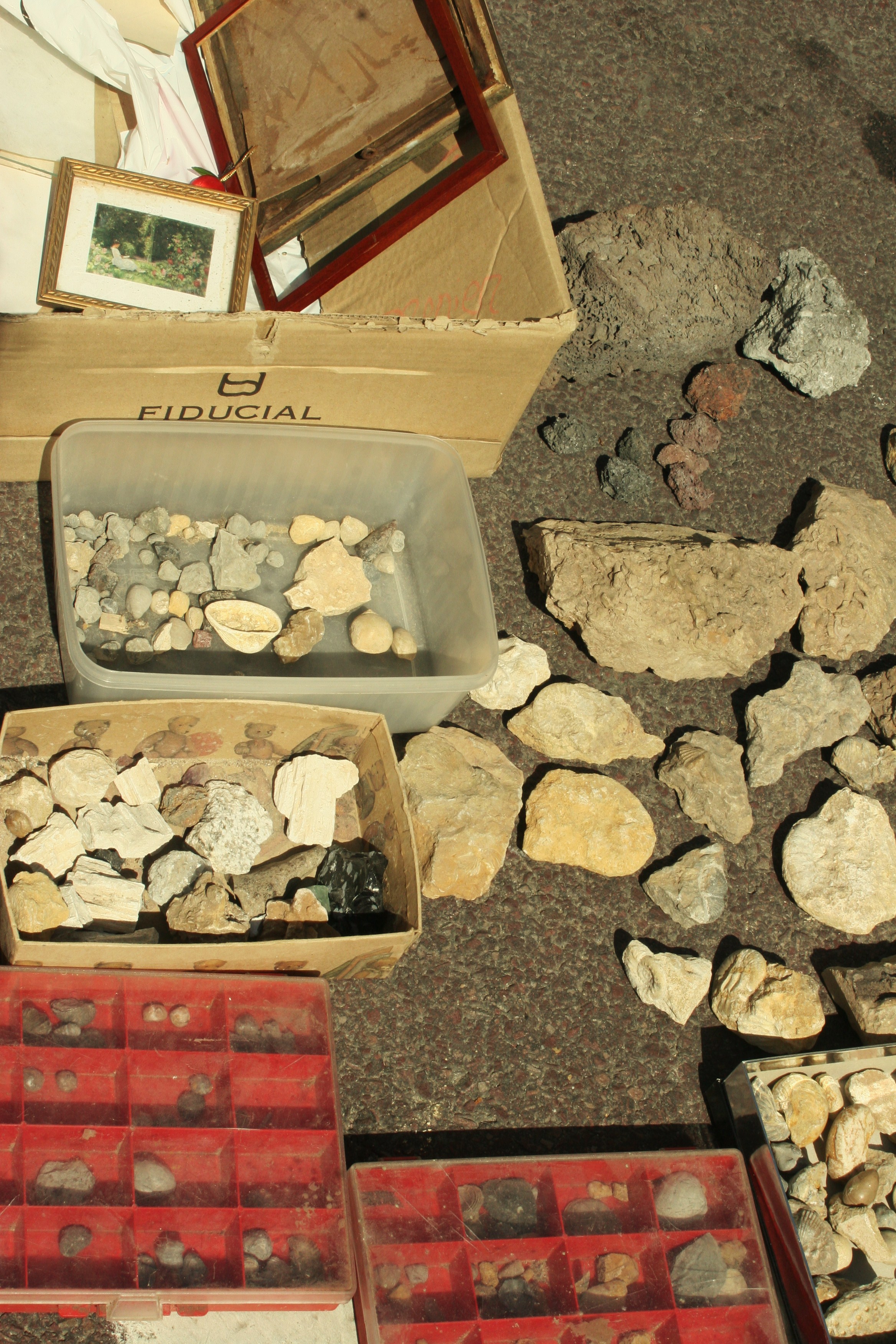
I stop at a stall which sells bit of rocks, the old man explains some of them are ‘really very old’. Those ones are much more expensive. He offers me a small piece of granite for free as he is not sure anymore where it came from, now it is on my dressing table, somehow it has become ‘special’ to me. I can hold it and in some way feel connected to the absurdities of the earth which I struggle to put together.

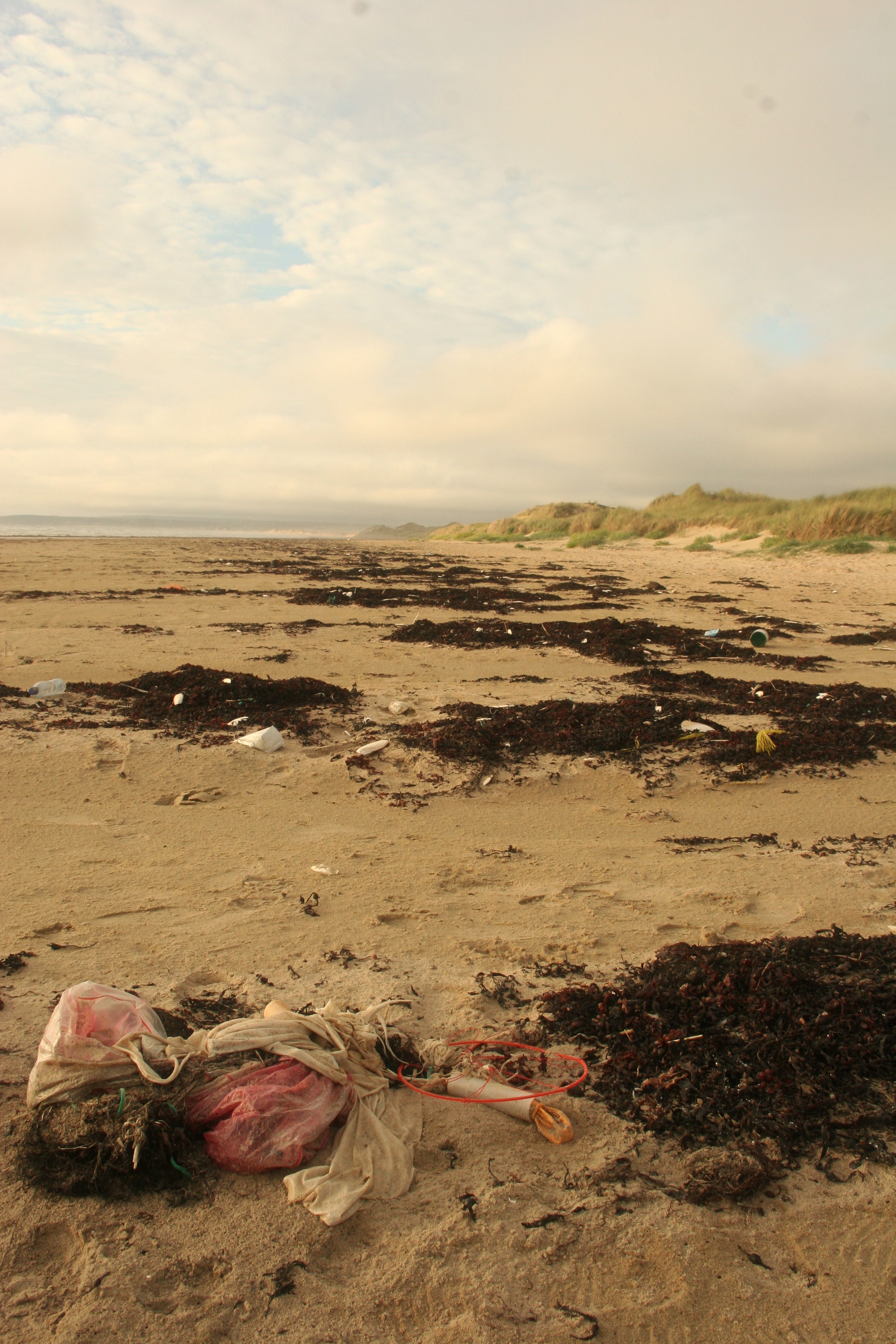
I place next to it some seaweed collected from the beach which I cycled often this summer, somehow a mini place has formed in South London, a refuge for the imagination from the endless streams of asphalt which seem at times to choke my mind in their forceful solidity.

Yet walking again through the concrete streams, there is an endless continuum of possession, dispossession and consumption. A lady told me; “The doors are open as the baylifts are coming tomorrow, take what you like, give me what you can” Her flat was on the bottom floor, a man was carrying the sofa out and passed her £50. Looking through the window, the flat was nearly empty, somehow she was making a profit.
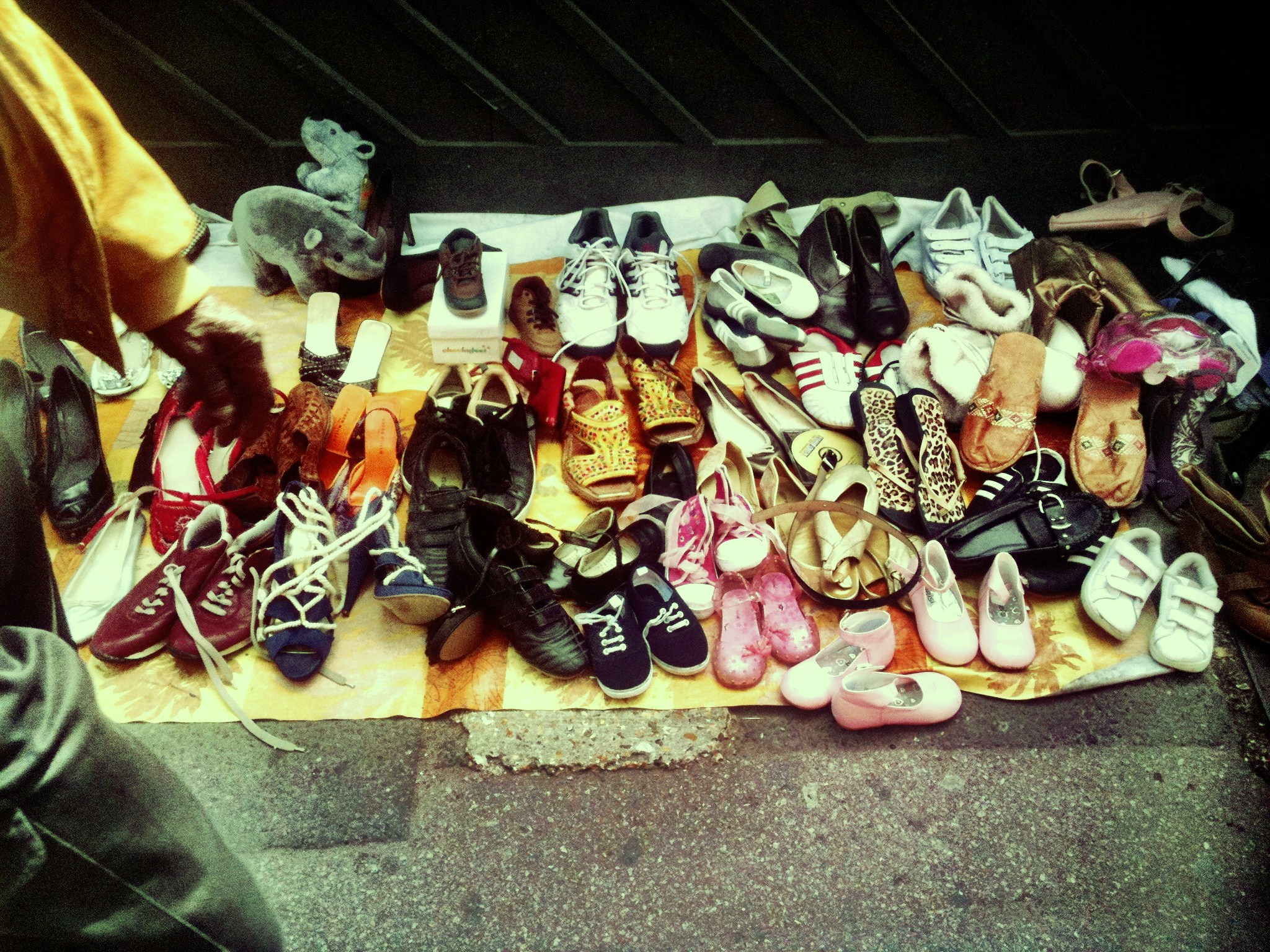
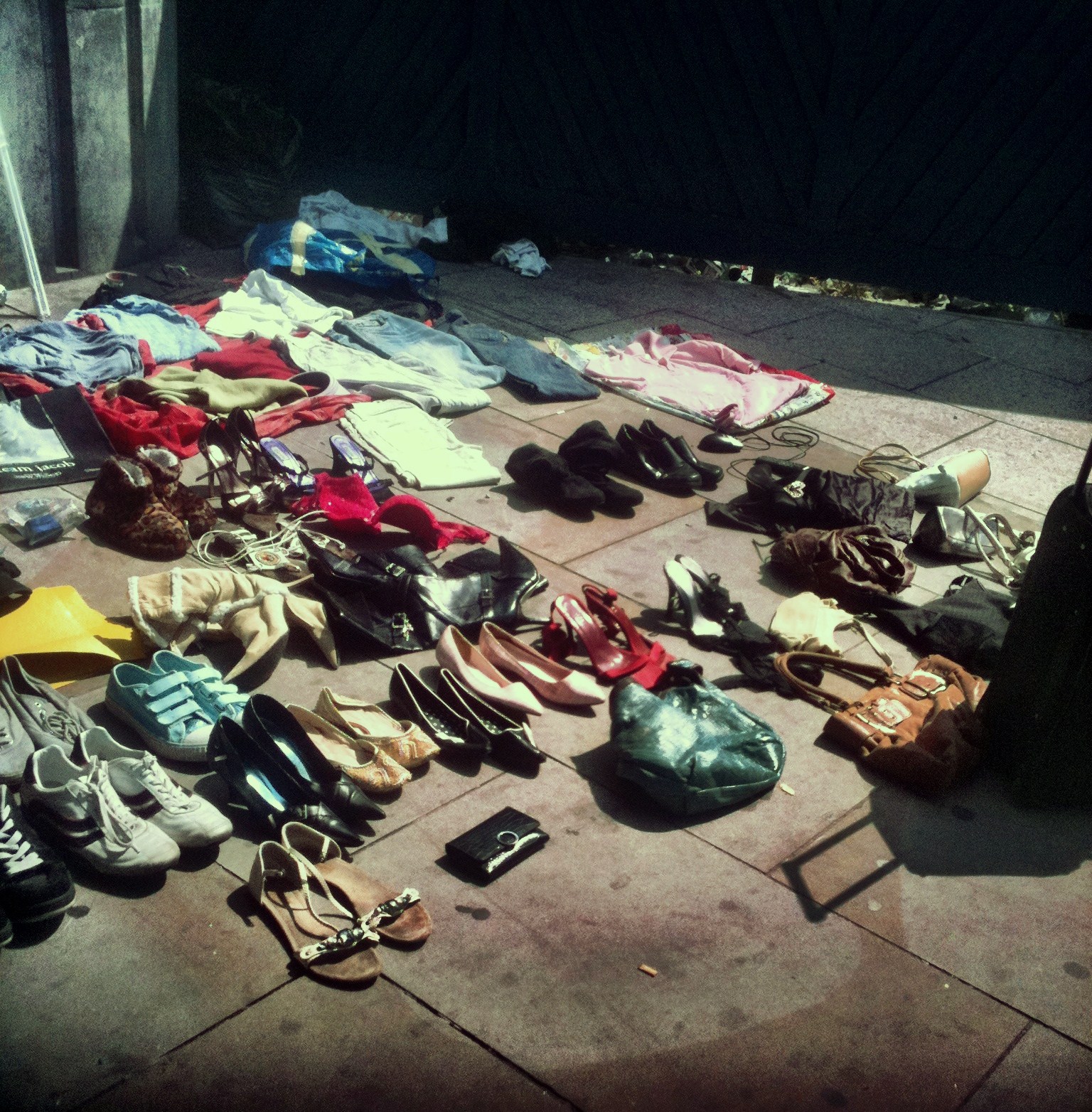
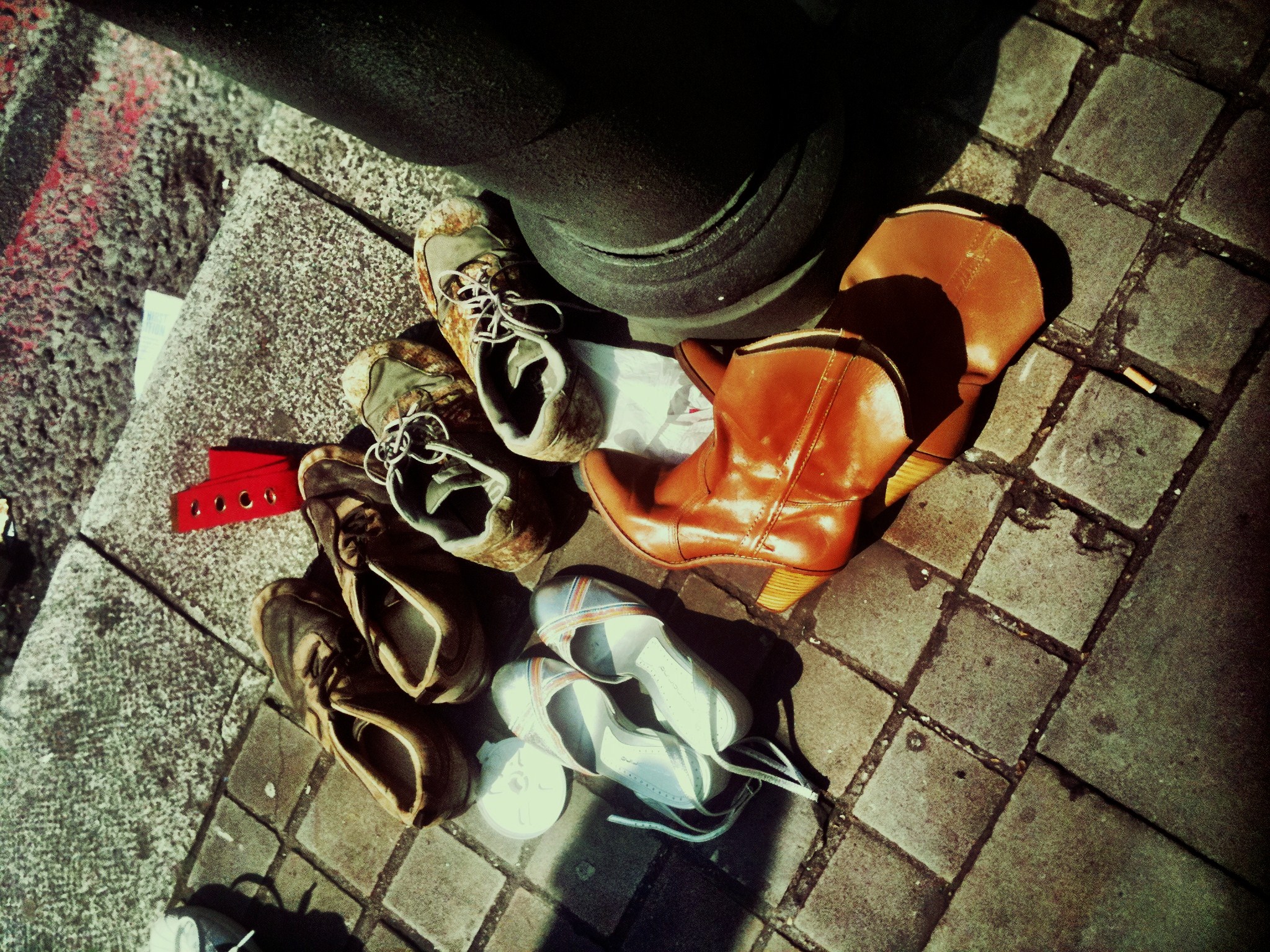
Then there are the shoes, the joys of contemplating the life of second hand shoes and the journeys they may have come to pass. A wonderance as to the terrain they have partially collected and departed, who they have carried and for how long?

To walk then, is to collect such fragments of detail and continue the weaving of some story which is yet to form any conclusion. The city cannot be summarized by a totalising narrative, neither can a fleeting glimpse into a life world provide anything more than a flutter of some understanding which may be a misunderstanding. A total narrative of a city is context and subject dependant : the social focus and positioning of current trends become influential and critical to the perspective of the narrative. The degree of cultural control by which the narrator is socially bound creates shapes all narratives; any narrative strand will be an artificial construct, forming both a reflection and a product of its society and context. But because a narrative requires a narrator it is also projection of the personal subject to time and space and the formulations and fluctuations of the narrator’s lifeworld. In some ways perhaps we are all endlessly constructing platforms for the mythology of modernity; each fleeting disparate fragment pieces together into some whole that no one will ever be able to completely understand.

” We can see other peoples’ behaviour but not their experience’(R. D Laing. The Politics of Experience and The Bird of Paradise 1967)

All text and images copyright to Beatrice Jarvis © Reproduction on permission only.

The lost body.

•September 6, 2011 • Leave a Comment

The lost body.

Summer landscape | The body landscape extended discourse.

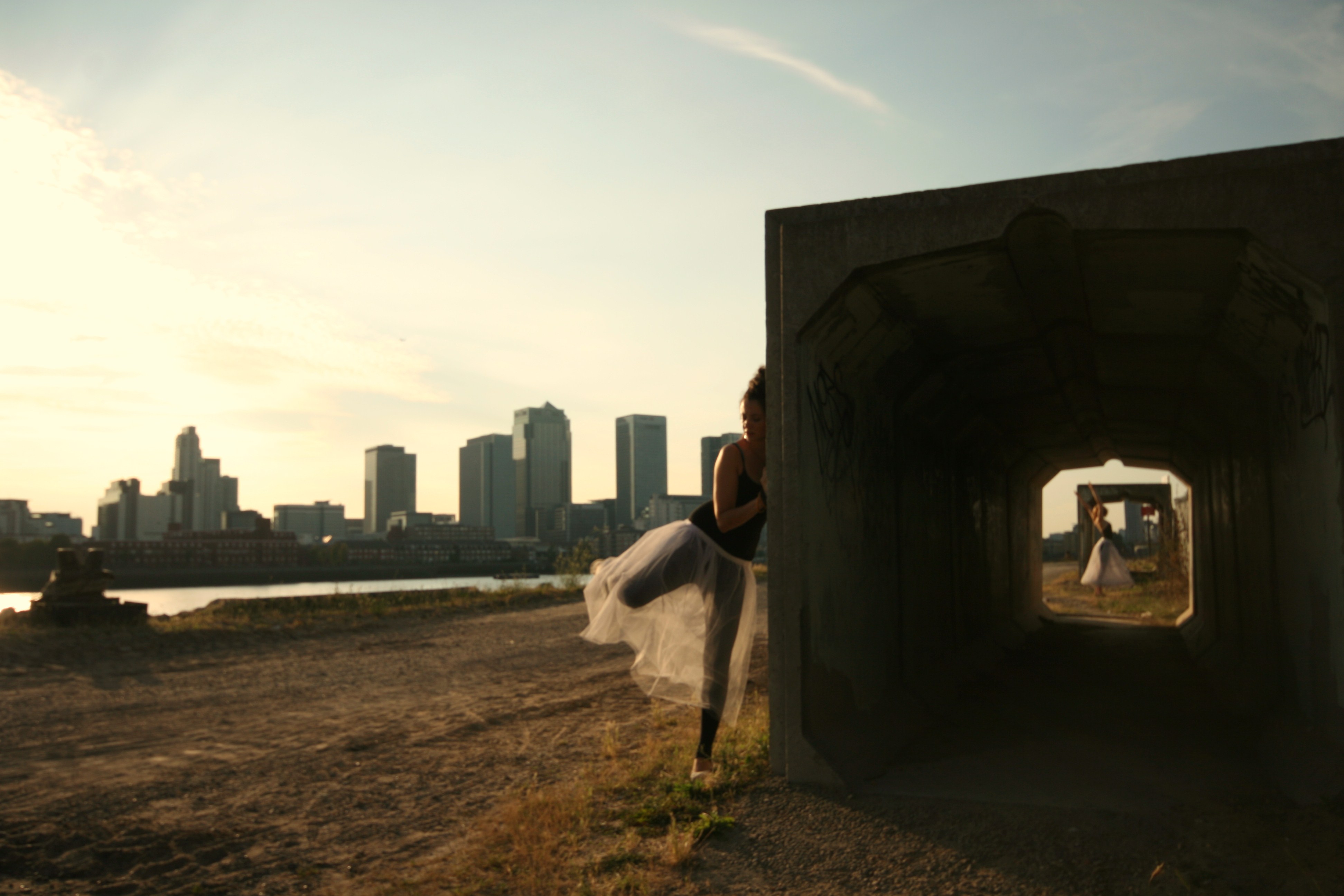
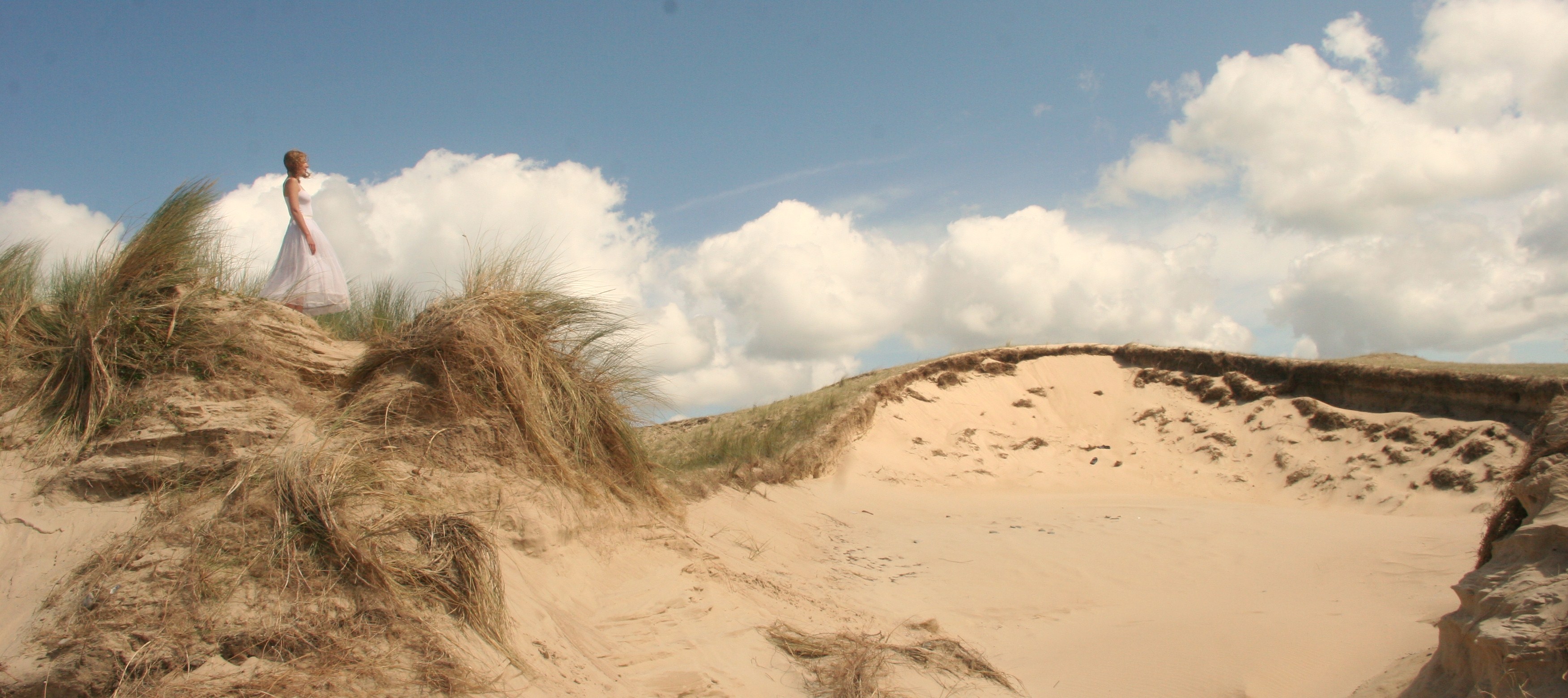
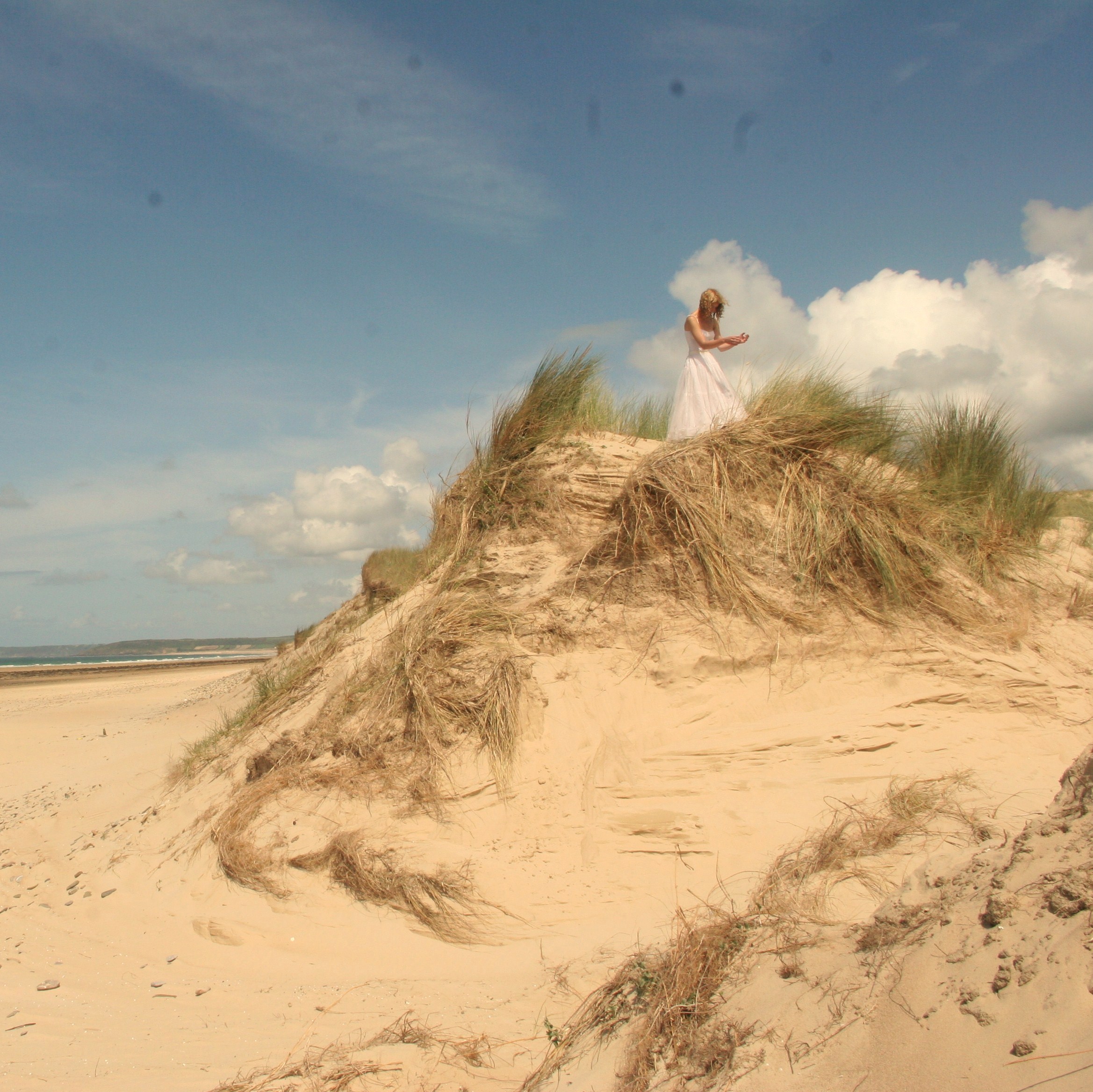
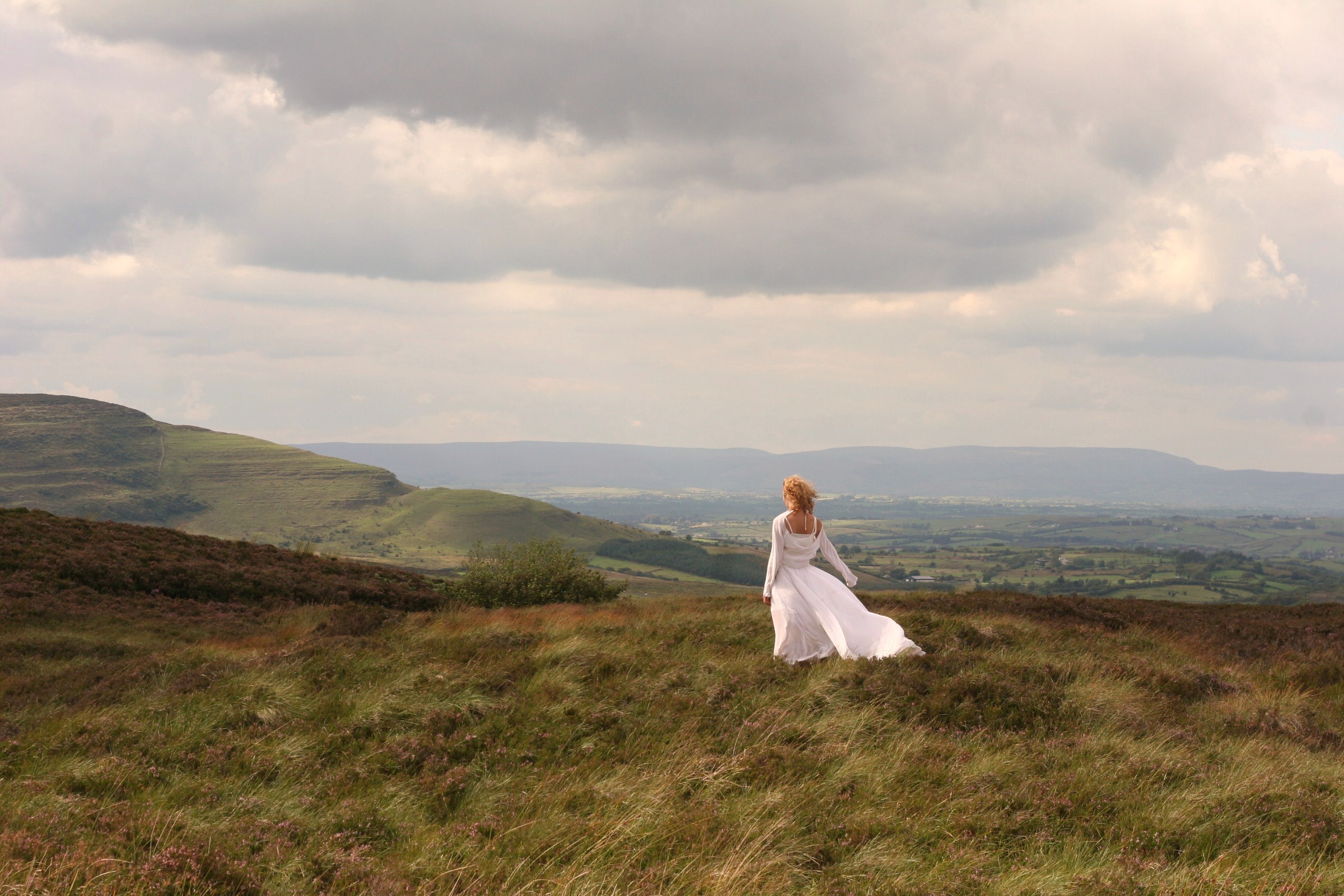
From Deptford, to Normandy, to The West Coast of Ireland.

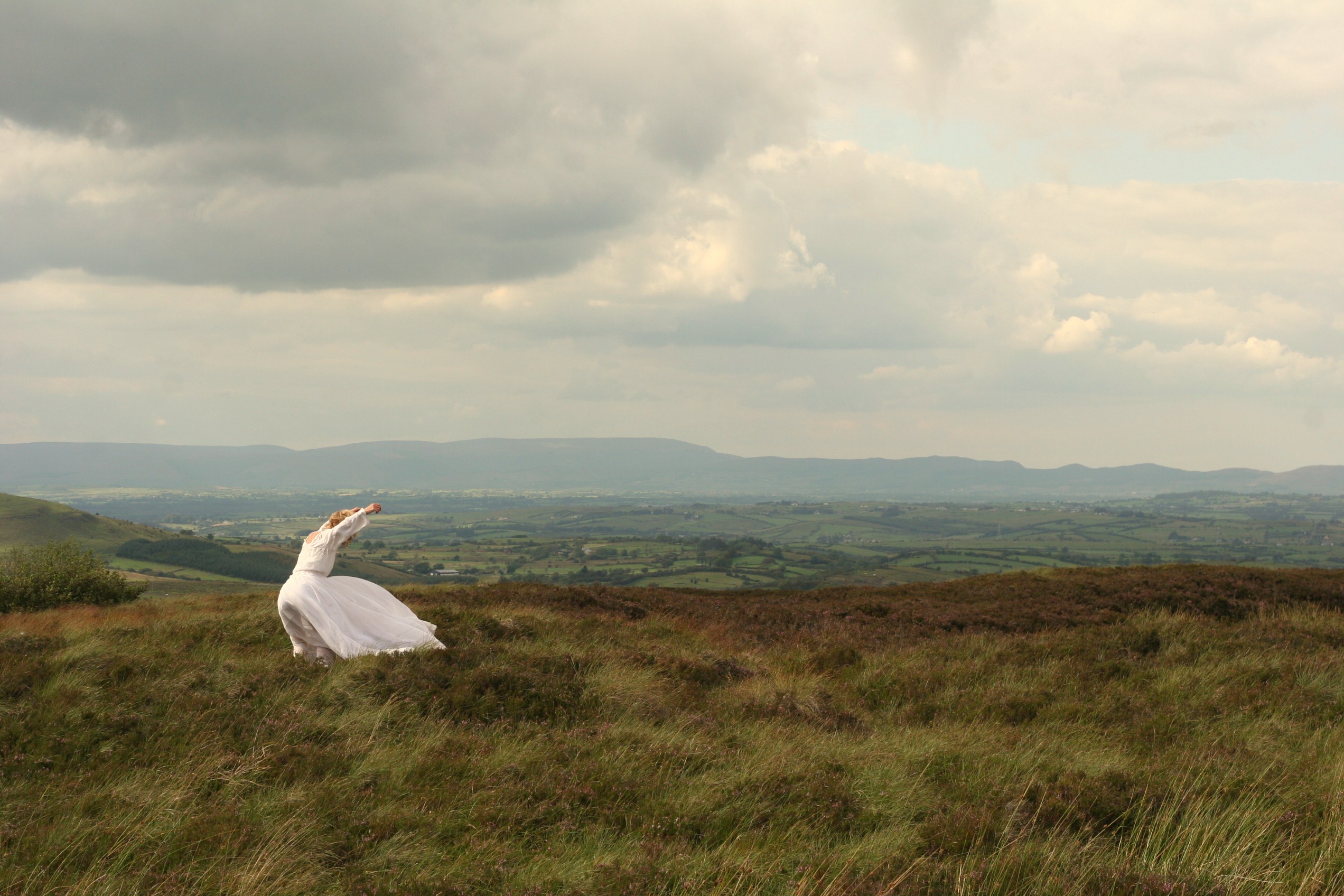
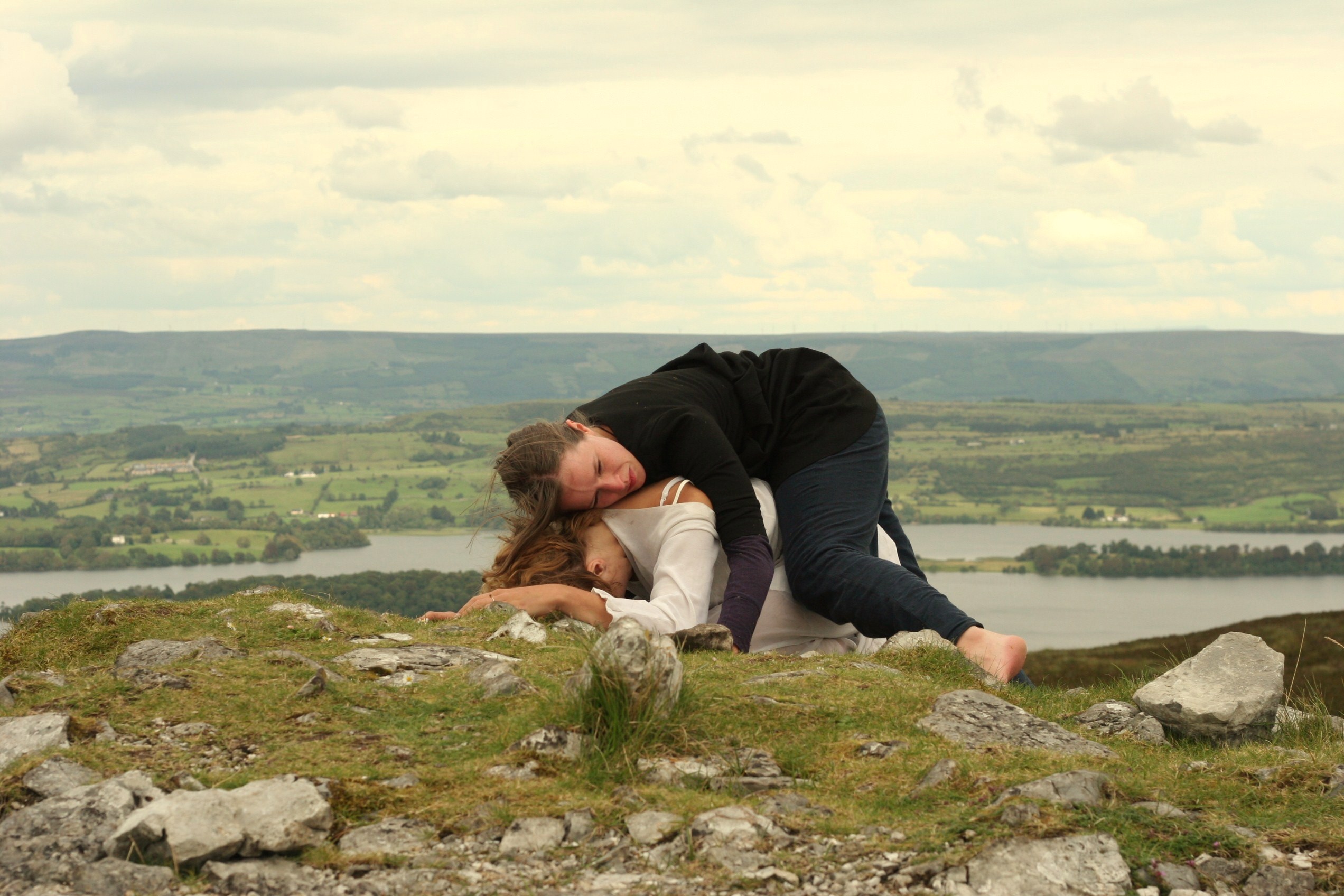
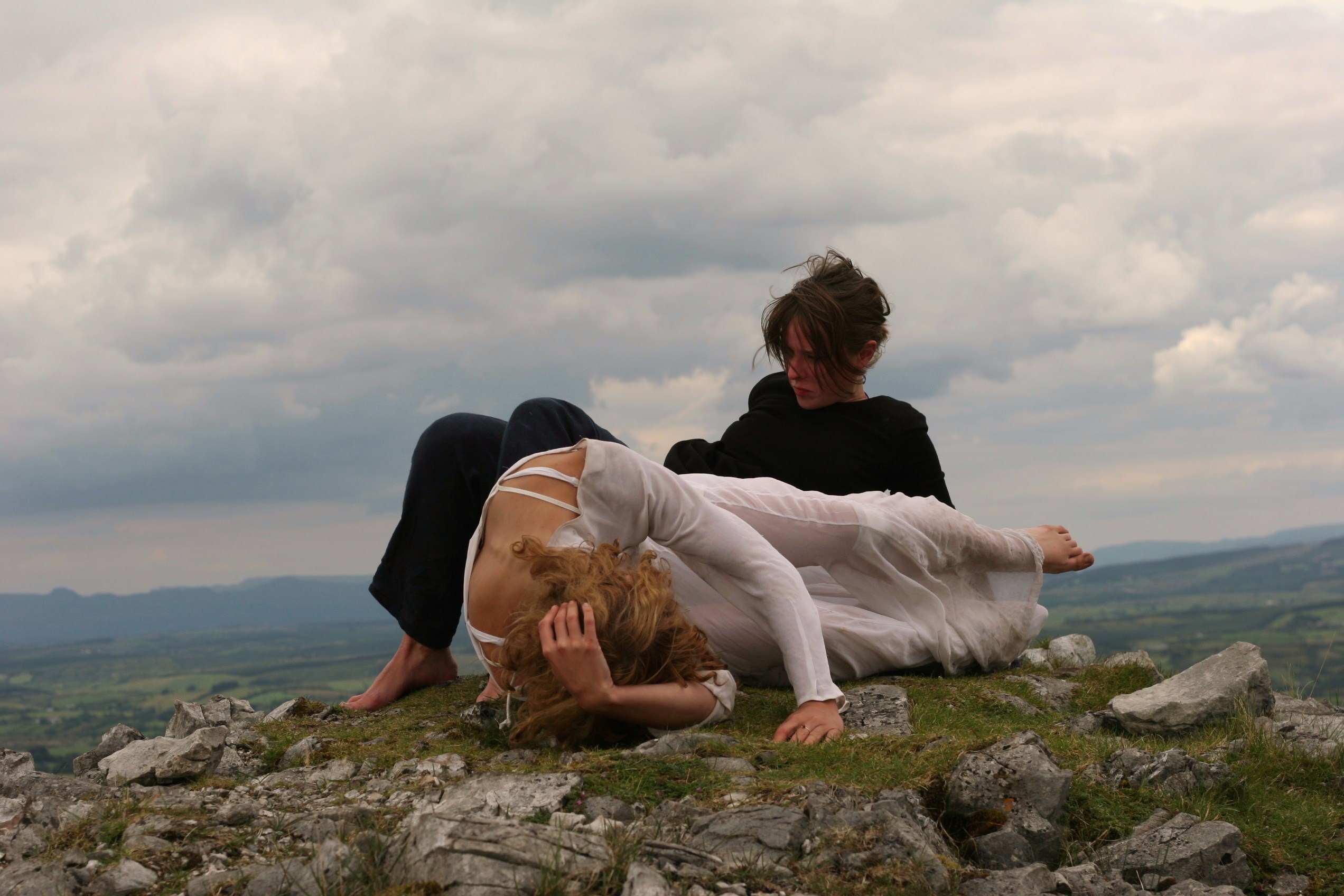
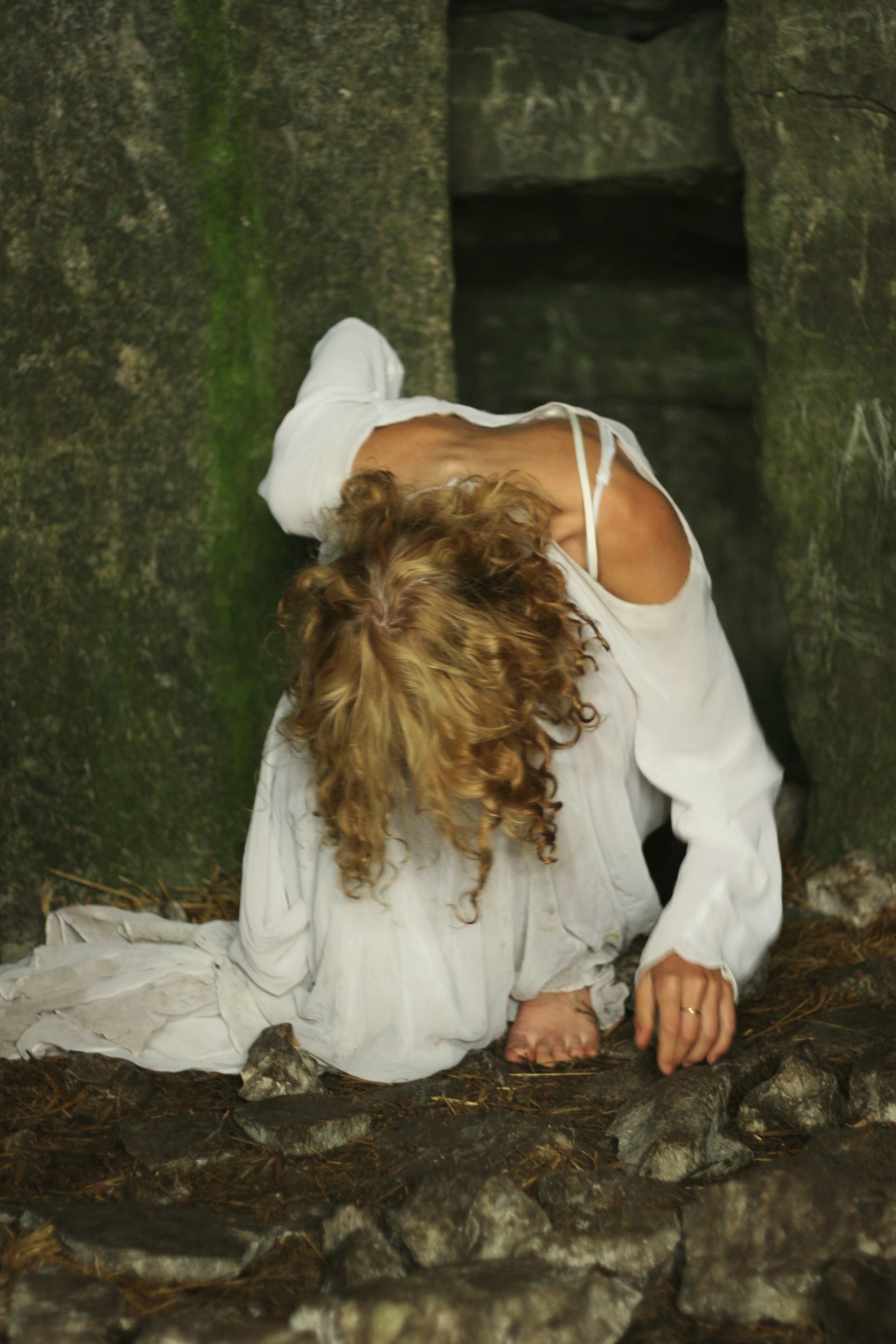
A suitcase of costumes, a mind full of characters, repetition finding their form. Travelling from landscape to landscape, collecting on the body fragments of experience; the sensation of the ground beneath my feet and its shifting texture.

When considering the body as archive; I sit here now, remembering in my fingertips the sensation of each landscape repeat in slight differences of the landscape and how now it manifests in the images which now act as micro container for each sensation.

To choreograph, not to dance, not to talk about dance; is the act of framing the intricacies and simplicity, the complexity, the magnitude, the purity and the complication of the body moving in space and time.

From the study of choreography as socio-spatial review, my practice seeks to explore how far choreography can function as a social and personal methodology as to how far the body can be seen and actively seek to embody the conditions and context in which it exists.

The body in my practice exists within the perspective of archive and site; a complex tapestry of the realities in endures, indulges, and passes through.

How far can choreography become a social ‘framing’ method which highlights the socio-political context which the body is immersed in, further more how can revelation, exchange and documentation create a wider social dialog as to multiple and contrasting realities which various humans go through.

This can be a complex task; this can be a simple task.

Over this summer; I have been journeying from place to place exploring the sensations of each landscape I have passed through and from this, I am now making a work which intends to unite all these explorations into some form of cohesive whole.

When referring to the body as archive and container, this does not necessarily have any accordance to dance or the complexities of the dance world, rather it becomes a mechanism for the interaction and exchange mechanisms which occur during the orchestration of the movement of the body through space and time in its relevant and varies contexts.

When exploring the sensations imbued within interaction with and between alternating and coexisting realities the body can actively pick up sensations, from movement learnt and movements observed, picking up a book, stepping over a puddle, shaking hands, nodding the head, walking, all of these “basic” actions are flooded with contextual narrative which can be contained within the movement when developing choreographic material it can be removed, leaving the shell of the basic body action. Such process of decision making cultivate a specific approach to the anthropology and sociology of choreography, if the movement or series of quotidian movements is:

– removed from contextual container
– deliberately re-performed within the confines of contextual container
– re-presented to subject within the contextual container they executed in
– performed by a observer who has effectively learnt the movement within the contextual container and then attempted some form ( subjective) of deconstruction of the context focusing attention on the physical complexity of the movement itself.

The ability of a choreographer to effectively play and orchestrate these categories of quotidian movement analysis enable a dynamic social terrain to emerge: but the issue i would like to present is the scales of inter-relativity between this task as a choreographic methodology and a task which enables a qualitative social data felid to form.

Then to choreograph is perhaps to develop a means to communicate a specific individual perspective of the world and the bodies moving within it. Choreographic practice thus functions as a tool for the participants and the audiences; to take the time to watch the complexity and purity of a body moving in a specific space and time; removed, or perhaps amongst the rigmarole of daily life.

The body to the choreographer, and its context and history is the choreographer medium. The limitations and potential, asceticism and functionality of the body become framed by choreographic practice; enabling a vision of the body and society to be presented for evaluation and further deconstruction. Successful choreography, in my eyes, has to enable and nurture the space for such questioning, not forcing grand conclusive statements; rather presenting a framed dialog between the body in space and time as a platform for dialog in whatever form that may take.

How can all these movements when removed from their initial context form either an impression of the experience I had of the location, or create a new performance environment which only initially refers back to the memory of landscape sensation as stimulus and resource for the development of further choreographic materials.

All text copyright to Beatrice Jarvis ©

These materials were collected from the following explorations:
Deptford Practising Space extension Study with Beatrice Jarvis and Zaira La Ragione. Photographs by Zaira La Ragione. Project: http://www.practisingspace.com/
Normandy: Carteret Beach explorations: Beatrice Jarvis and Benjamin Bailey. Photographs by Benjamin Bailey. These are stills from a film in development.
Nomadic Dance explorations of Carrowkeel. Improvisation by Beatrice Jarvis and Aurelie Bauer Photographs by Benjamin Bailey. Part of Nomadic Dance experience: http://nomadicdance.org/

Summary of Practice

•June 19, 2011 • 1 Comment

The body in each city, as context, container, form and identity.
Shapes and forms, reflects and details the experience of its cells.
Tired in its grace through streets of reconstructed glory.
Silent in parts, through places which no longer have street names.
This is the tale of a body, in the city.
Walking, endless walking to notate the scenes experiences on the page, with camera, with form.
Searching for the punctum of which the city curates with endless arrivals and departures.
The walls contain our histories, silently urging recognition of their forms.
The pavements are engraved with bitter laments and autobiographical artefacts.
These feet consume the spectacles they confront, offering in exchange a delicate vocabulary of repetition, observation, notation, exaggeration, exhaustion and enlivened activities in a hope to re-present the experiences which have been granted.
To pass through everyday life as body, lungs consuming air, cells receiving data and dirt, eyes receiving such nuance which the hands seek to embody.
This is a practice of trial and error, of navigation, of form which perhaps can create an understanding of the complexities which urban navigation provokes and inspires.
The body is tool, vessel, container and site for such experiences. The imagination allows such a tool to communicate musing footsteps create.

Such a practice is fragile, subjective and innately personal. The body, the mind form a quiet symphony of reflection. The sites, the places, the locations are a research loci, seeking a communication between my presence of observation and their presence and acceptance or resistance to such observation.

( all images subject to Copyright and remain the property of Beatrice Jarvis © )

The space between landscape and character.

•June 14, 2011 • Leave a Comment

Perhaps when faced with an image, a scene, a notion; the body cannot help but respond.

The image reveals and conceals.

In the cold glow of my computer in the early hours sorting through endless images place has become confused.

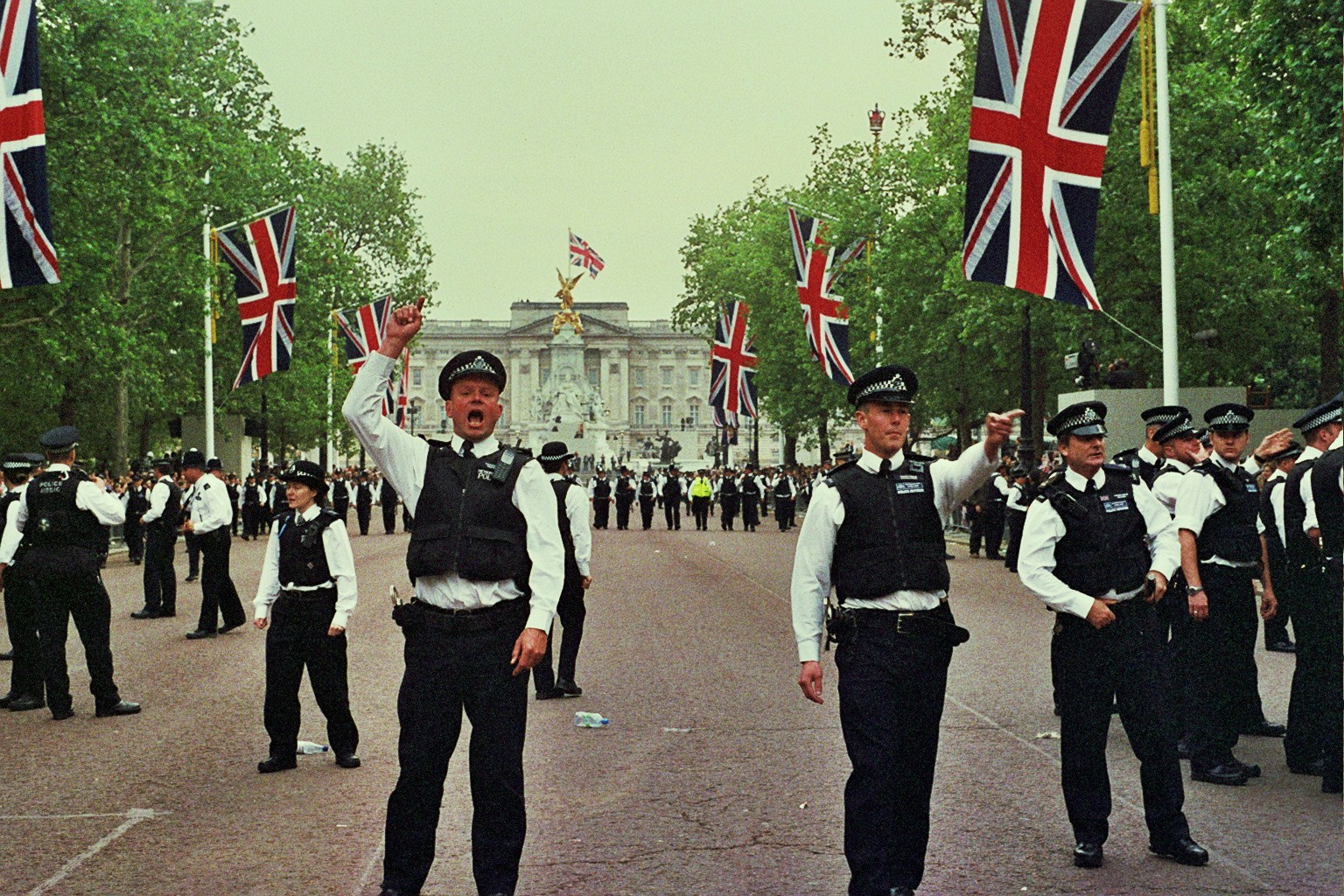
I skip from the sensation of the Irish mist on my skin to the despair felt witnessing a police man accuse.

My camera, my eye collects these scenes. They have been stored now for some time. My body, my muscles, my mind collects sensations.
A complex maze of understanding, comprehending and journeying to allow them to become something complete.

Moving from the sensation of the body in landscape moving as score to the stimulus of reaction; to endless notations of these characters I will always collect.

The space between landscape and character.

How can one landscape be remembered on the body as it shifts in arduous journeys from one scene to the next?

Landscape can become a human entity.

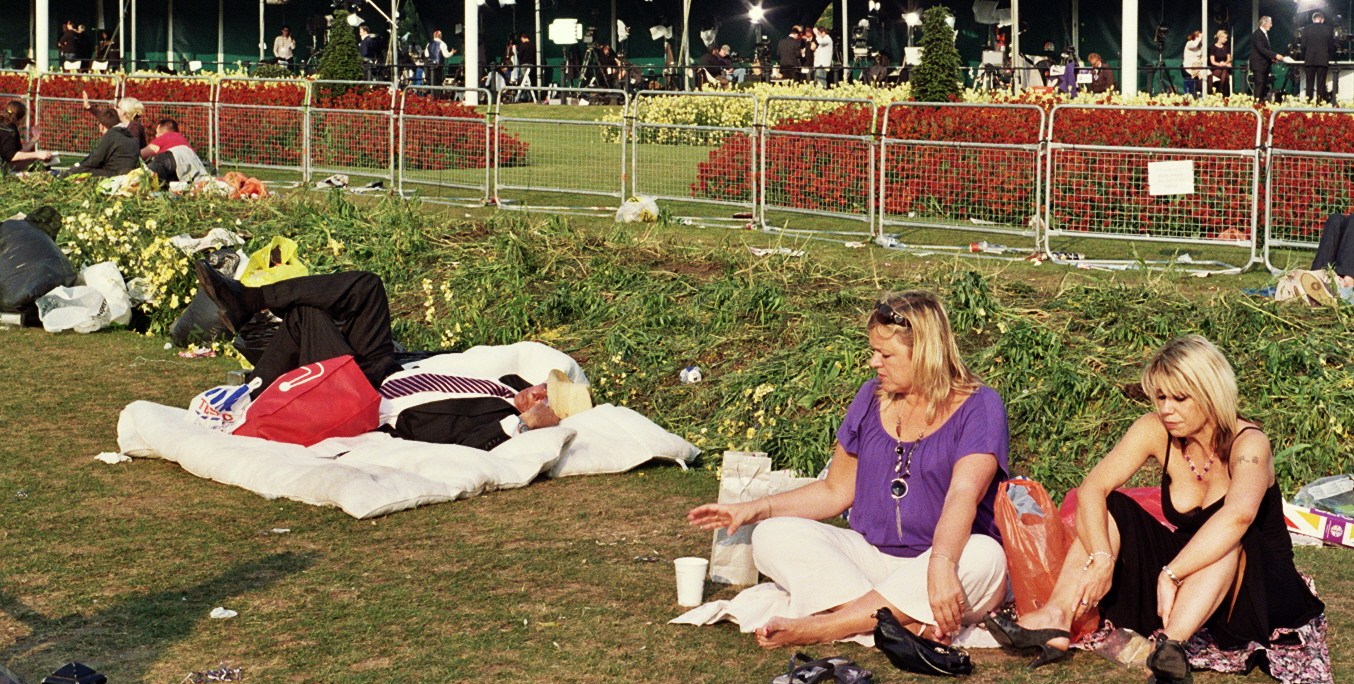
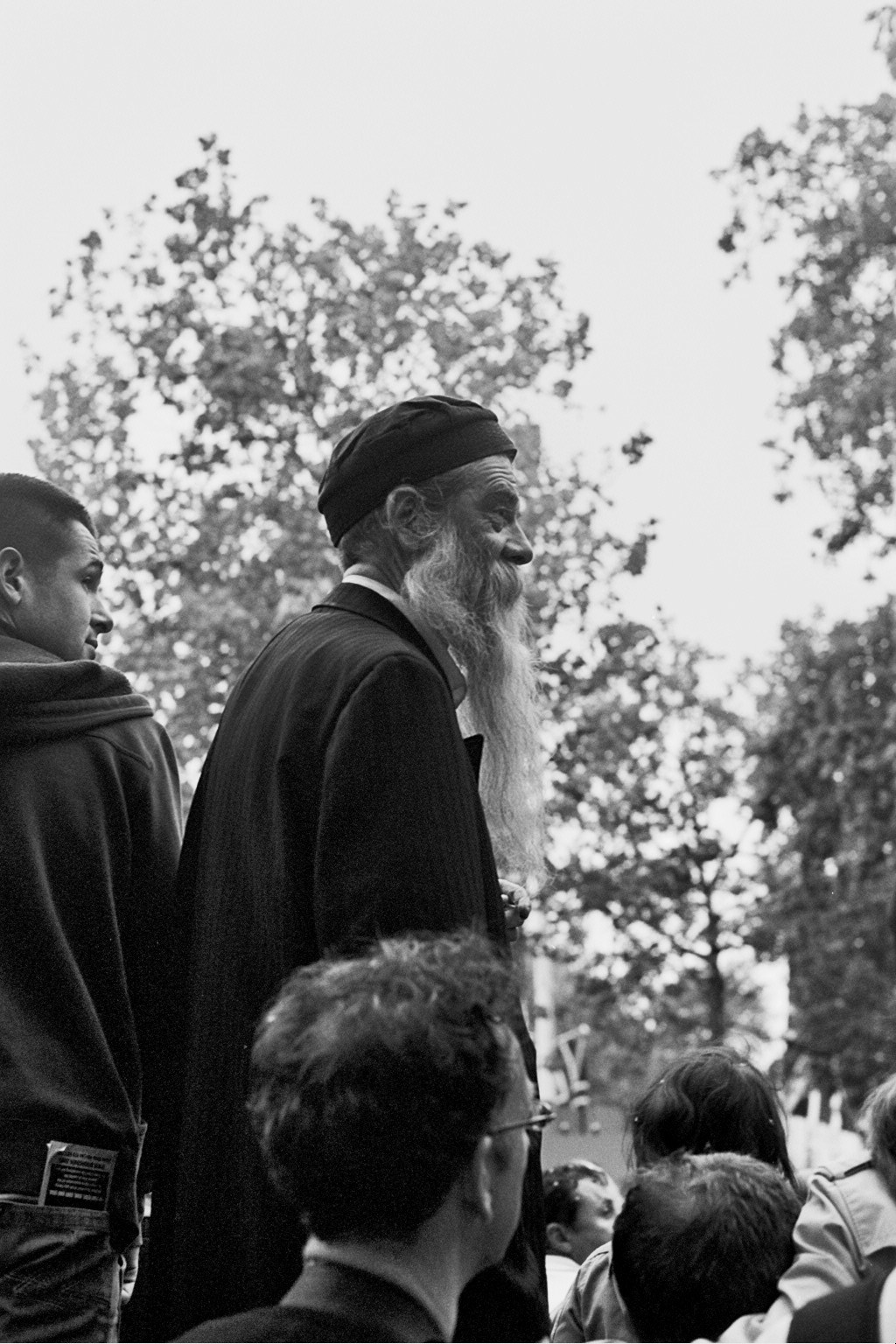
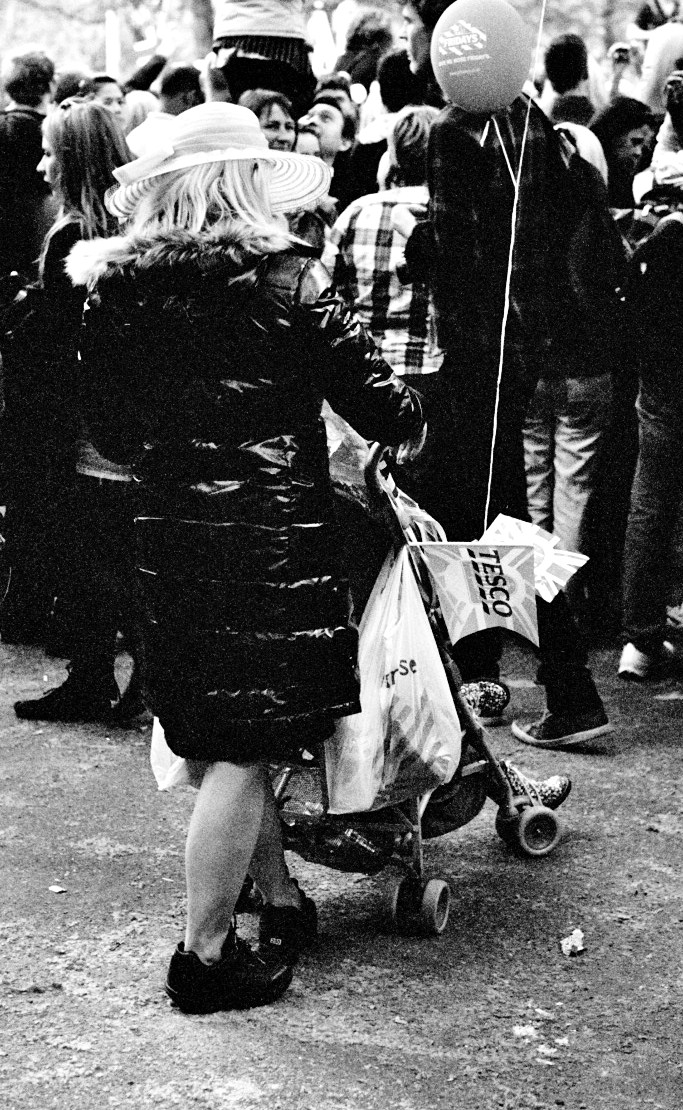
Sifting now through a mountain of images, these faces, glimpsed only in a moment, become narrative, The man who sleeps on the grass, the noble eyes of the old man, the two blondes, the lady with the tesco flags, the tribes man in central London. Each portray with their body autobiographical fragments of their context, culture.

The body as an archive for the experience of site and the movements encountered by routine of daily life, the body acts a transmitter and carrier, which can promote the notion of embodied performance.

The built environment within this research acts a container for human activity; rather than a constriction.
In my meanderings between scenes of landscape and character; I keep asking; how does place affect the ways in which people move and how the built environment creates a certain codes of movement which through history begin to shape the ways in which spaces are designed to cater for the presence of such action.

The practice of choreography in this context extends beyond the limits of dance; choreography here reflects a socio-spatial practice exploring and framing the movement of bodies in space and time as means to a cultural discourse as to how people use space and the various social syntaxes this encompasses.

But also: I return to landscape; the sensation of the body at liberty; indulging in sensations of the rural which do not have to interact with urban codes and conventions, but how far do such codes actually exist; or is the case rather; in the urban realm where bodies co-exist within higher densities that certain conventions occur as code simply because of mass abiding and mutual co-enforcement.

I wonder if I can be so free in the city as in the wild hills; to remove social preoccupation; but then it becomes a consideration of stimulus; a the roaring sea, vast open plains; endless mists; or rubbish bags and the heaving mass of other bodies. If I am using reaction to context as movement stimulus then the liberty and freedom experience of the rural exists because of reaction to context; which therefore shifts when applied to mounds of rubbish.

the space between.

Walking after walking.

•June 9, 2011 • Leave a Comment

Walking after walking. Indulging in the sun light dappling, walking slowly, pastures known unknown. Treading ground.

A walk with Richard Wentworth.

Event: http://visionarytradingproject.com/event/event-number-one/

As cast we walked. Sites of use, past use and the joy that someone is growing cabbages correctly with nearly tied string.

Meander as herd, the Guardian Cattle, the streets are our folly. Yet we have tact and stand to the side to let the “real” street users walk. He said we would unite. Somehow we have.

We don’t have a tortoise, yet still drift. Slowly with ease past monuments to an industrial past which none of us have ever really known.

Cities, like people can never really be known, in a state of constant becoming. Watching futures and past muddle, a nostalgia for times unmet. There are passages where we can sense home, some that are unknown, both create experiences we can mark in the book as urban.

I am struck by how fast these moments of pastness seem to fail, the old shops as herded into new malls. Cement over old engravings, double glazing to keep out and in meddles of interaction.

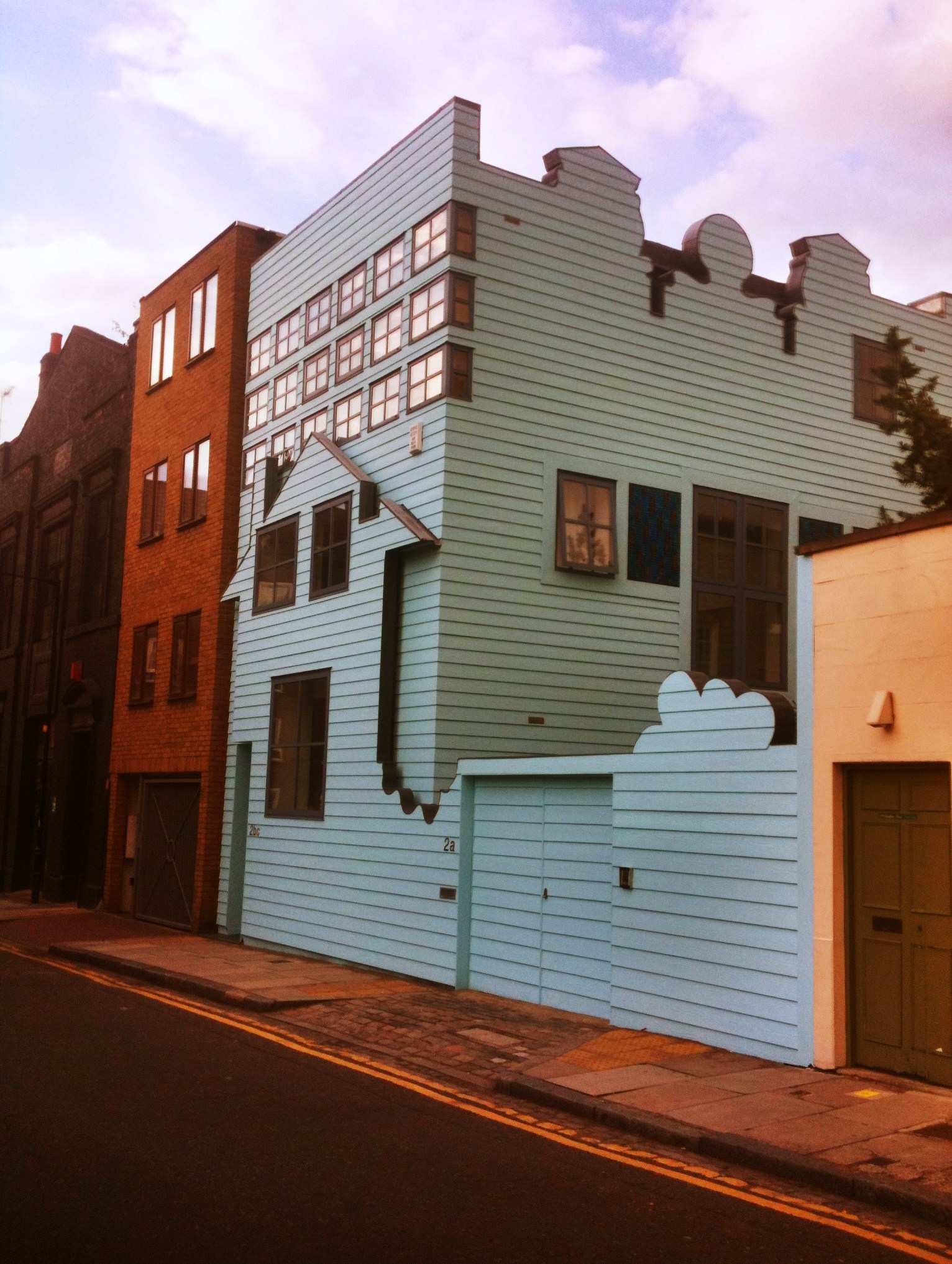
The blue house; a sigh; we already knew it was coming, the land of plastic fairies in suits, happy with fake tomatoes and to breathe only recycled air, just keeping the balance high, a man hums as he enters with his bulging tesco bag, I wonder if this paradise is the vision of success I am failing.

Brief drinks then back to the sunlight. Still
Indulging lines of the city’s poems repeating,

On return; I meet a group of boys, they threw water at me.
At first I am angry.
I am wet
I am upset.

I look back at them

They are young; they are really young, somehow the scene becomes tender; I see them as children; anger fades, a sort of sympathy emerges; almost a pity. I wonder if I should have shouted. I wonder if I should have made a scene. I wonder what they will become. I hope they see the sunset. I sat by the river drying off, and watched as they poured water over everyone who passes; it is funny; it is sad. A strange scene of discontent; yet we are all here by the river; doing as we do; watching what we want to watch as the sun settles for the night.

yet no sounds of imminence; no murmur of new arrivals in this barren stretch

•June 8, 2011 • Leave a Comment

The concept of choreography; of embodiment; the body which imbues to society the weight of its history; the journeys in and out of the city; the body as form seems somehow absent; yet these landscapes impress a sense of presence; much heavier than notions which I cannot somehow escape.

With a fervour to escape the rushes through the capitalist compounds, past doors with cemented entrances; to spaces which contain trails from the centre; as debris on the river bed; reigning in them a history the river will contain now as dissident molecules.

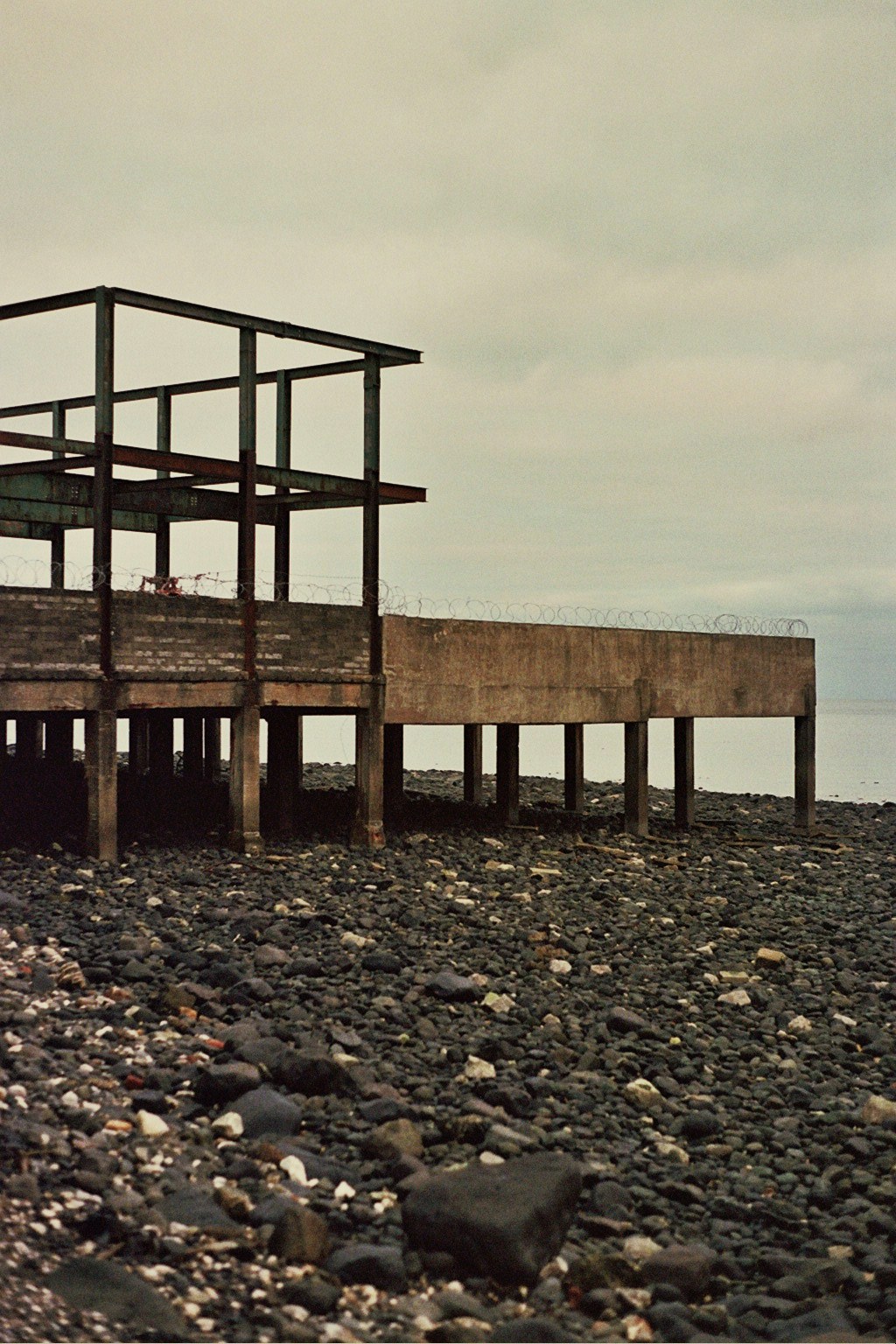
There is still weight of construction; yet no sounds of imminence; no murmur of new arrivals in this barren stretch; we are allowed here to pause; in certainty; in poignancy and determination to escape somewhat the clutch of instability.

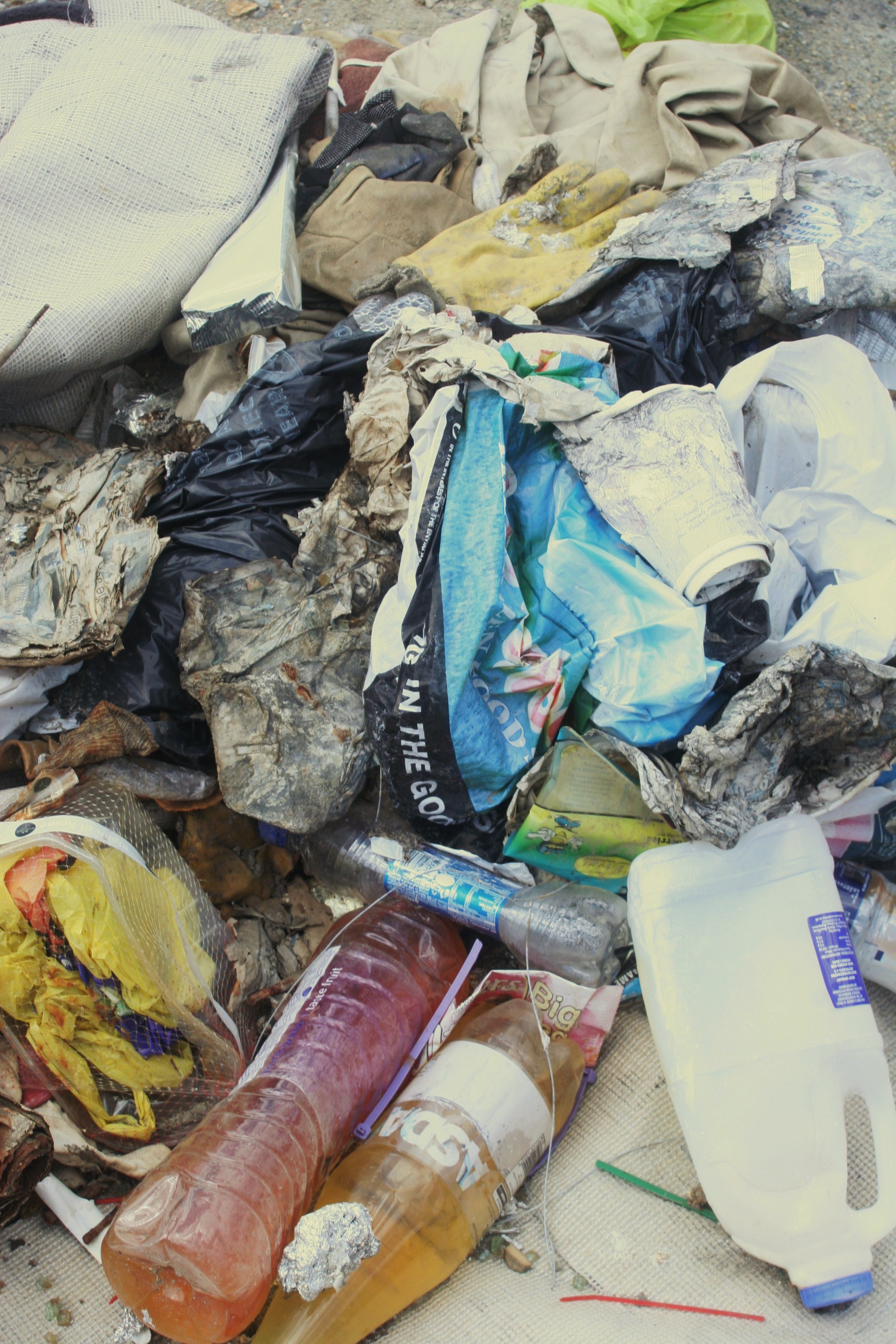
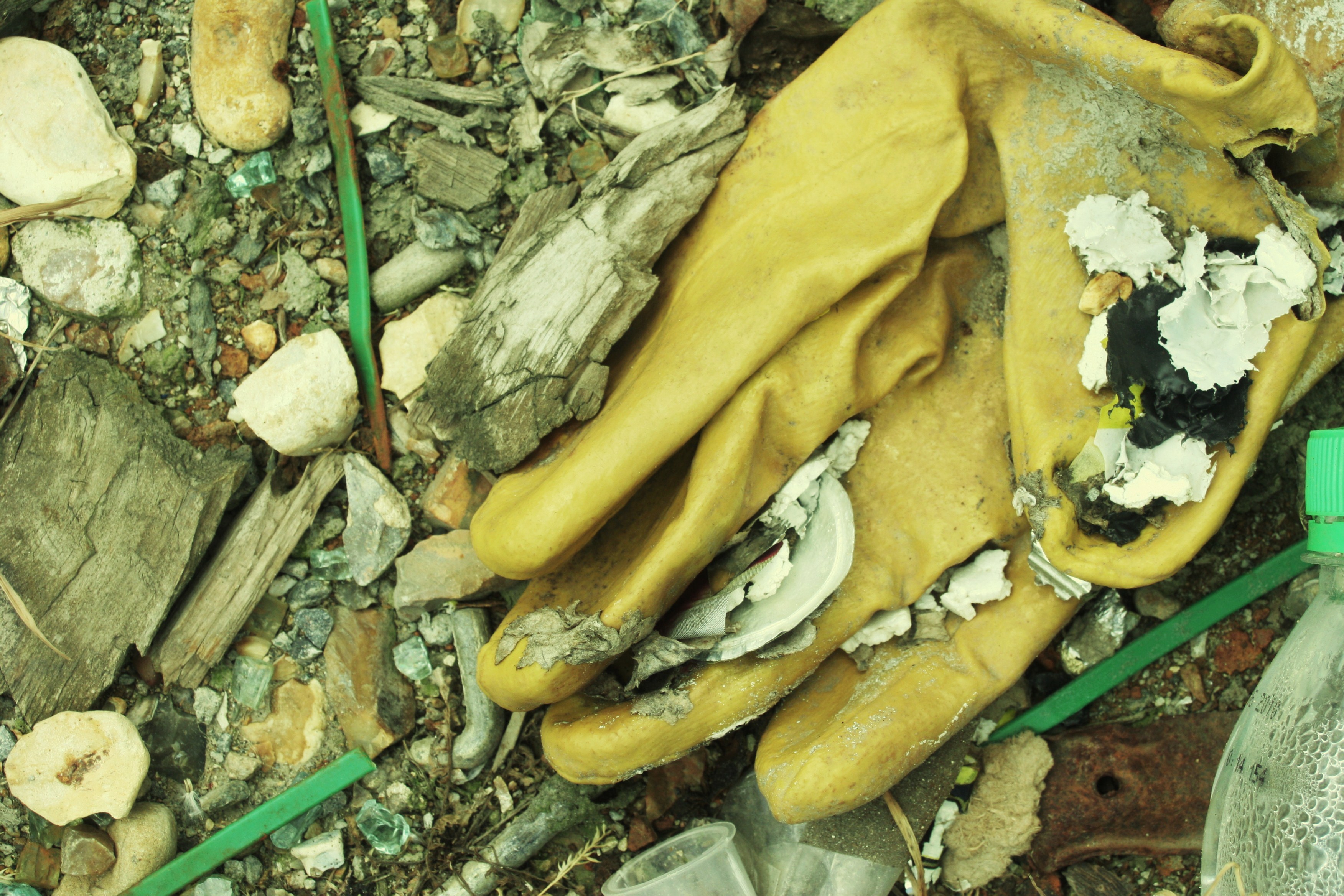
The debris somehow becomes celebration; phenomenon in apparition; the concrete becomes a display cabinet for marvels; the languid liquids unnamed; discarded plastic glass for such poisons; a rats temperament. There are signs that our consumerist demands are already overlapping; ikea lamps now lay in this playground for the disaffected. The crochet, once a favourite item; now rests in mildew; costumes for the late night menageries.

This landscape is not yet owned; it bears signs; “to rent” but these are weather beaten now. These spaces become profile for the realities of the metropolis; theatre for silent acts which are passive in their pain; broken voices of ill ease; where we should fear to tred; yet are constantly compelled to do so; a symphony of repetition; only this is not the same space; this is a vision anew; yet the same presumptions are applied to the fragments.

The voices of children in these spaces seems somehow erroneous, yesterday’s colourful plaything now lies in the dust; but where did such footsteps wander; the narrative of such objects seems inevitably pain ridden; or muddled with innocence.

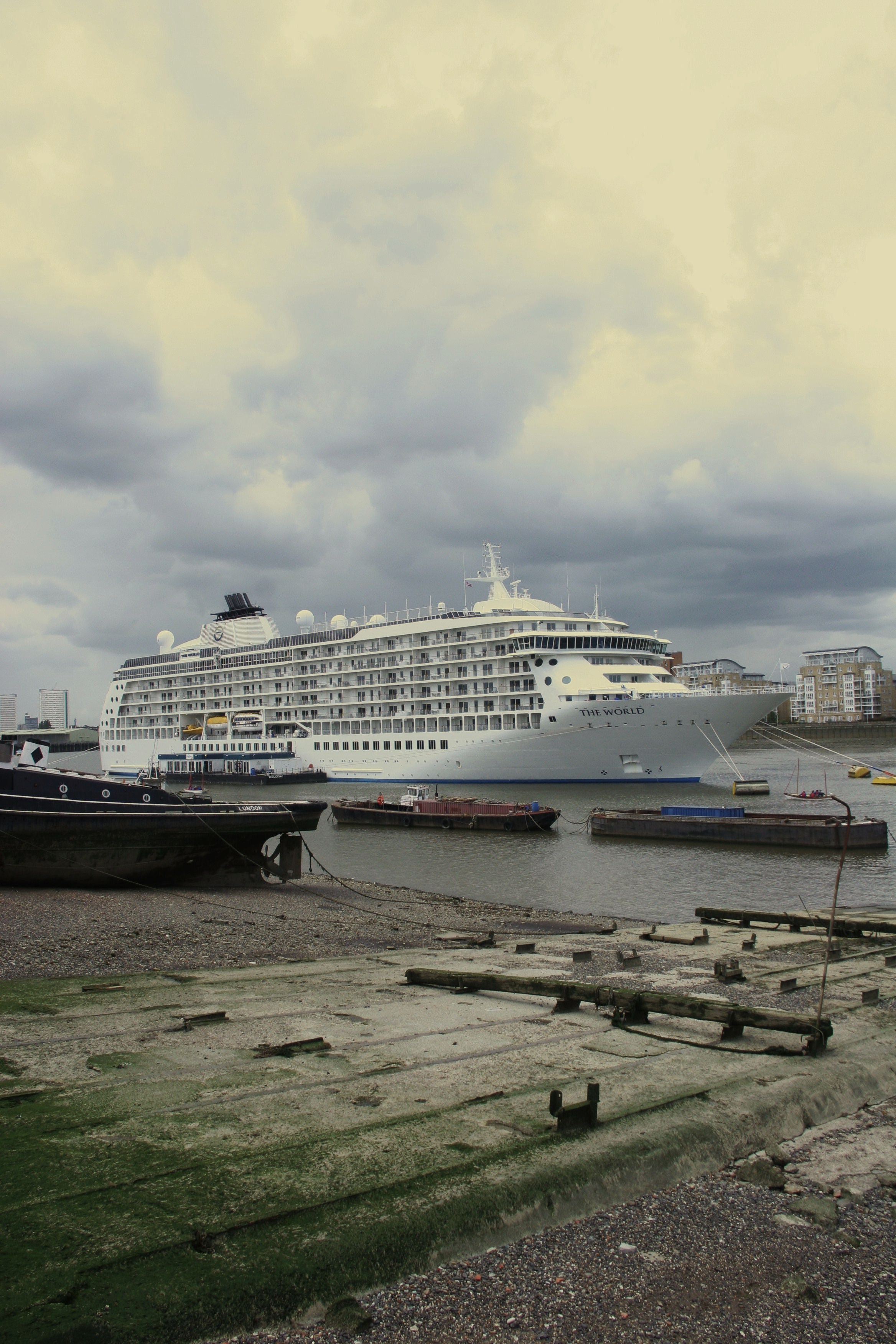
There is a ship; “the world” I stand beside an old man in the rain as we watch it; still in the calm water; a rich playground; quiet different from the fetishes of the last scene; they are noisy behind closed doors; I have no desire to hear their narrative

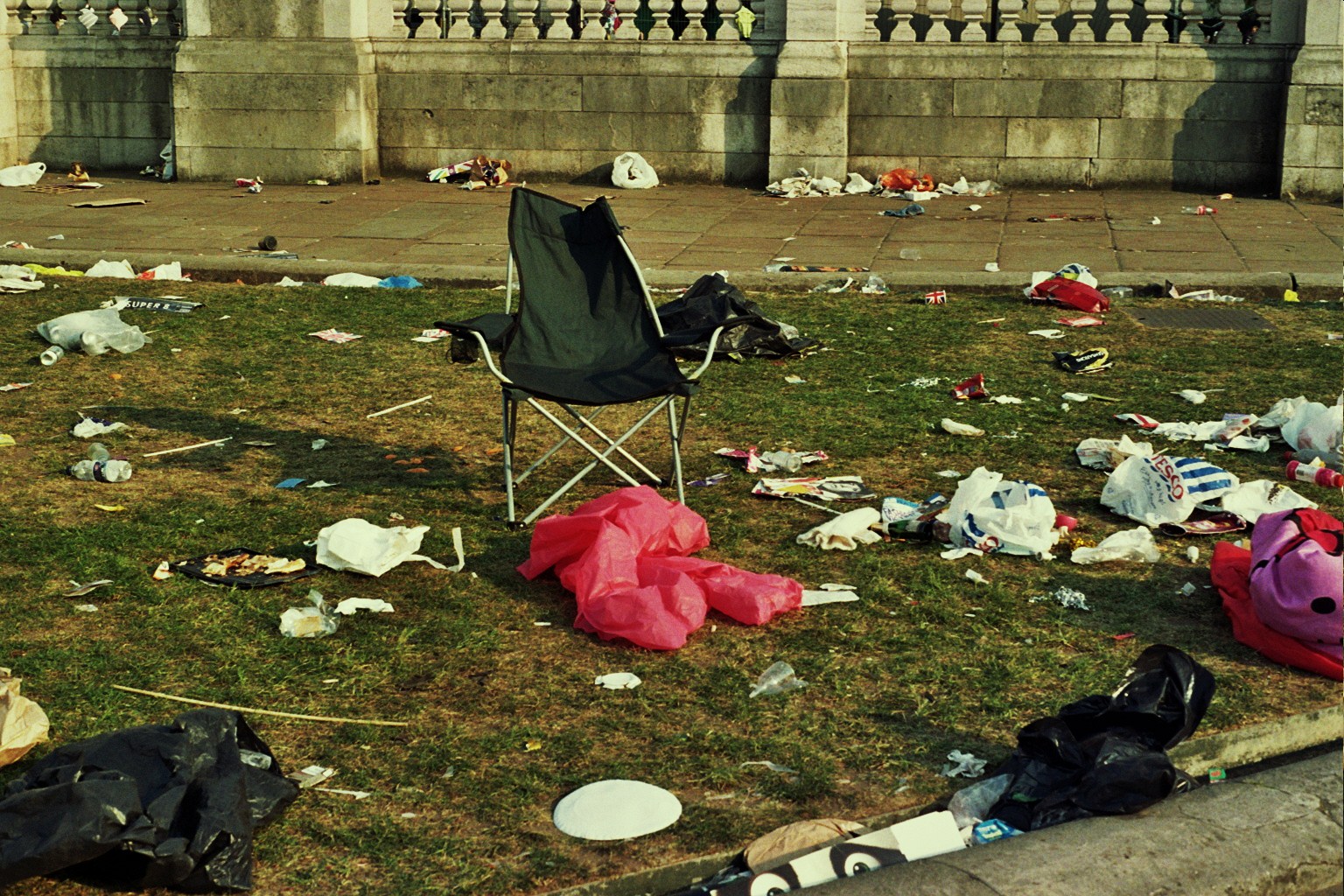
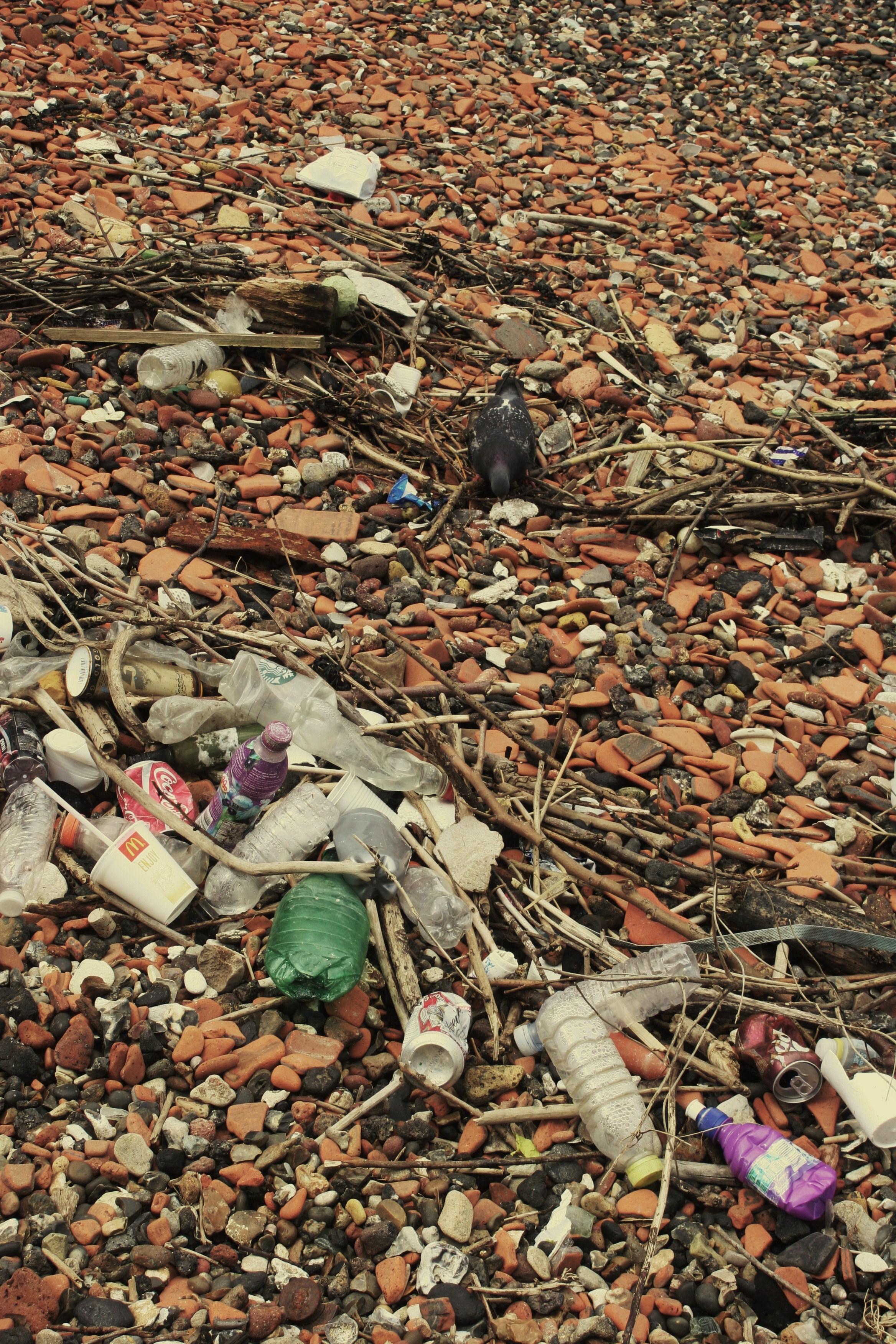
This is the tourist haunt; where endless seas of maps and drink cartons litter the cement which has grown dull with its own discontent. There is a pigeon feasting meagrely on a plastic bottle. Some how on this summers day; the shore line reflects its own departure.

Retreating to spaces which are polite in their desolation. spaces which allow the city to be seen at a greater distance. these are the spaces on the fringes; the motorway can be crossed; the table awaits, the broken poets desk.

Yet construction looms; we cannot hide from such towering imminences. to be a peace with the seas of grey, to sail the skies of formidable lusting; I wonder when in such spaces; what future beckons us softly on its sails.

( all images taken by Beatrice Jarvis and must not be reproduced without permission)

walking with a tortoise, pigeon steps in shoes with battered mirrors

•June 4, 2011 • Leave a Comment

There are times when the city pauses. or the body in the city pauses.
a space forms.

elements become clearer, the shop fronts contain in them a wealth of stories which I could not see before.
as though walking with a tortoise, pigeon steps in shoes with battered mirrors on from a different life era.

these are the times I cherish.

new lenses which through their shining glass allow the city to become soft, a malleable moment, where I am thankful for my solitude.
flooded with a tide of memory, some soft, some painful, some left in glass jars forever engraved with statements never stated but forever felt.

I carry things, books, cameras, notebooks, dresses, sensations, memories, conversations, neatly in an ordered chaos, they are patient with me, never pressing their own review, celebration or recognition.
but in these quiet moments, we are allowed to perform a duet,
in the movement of my hand,
in the light step, the heavy step, the sigh, the shoulders stiffen, the eyes close, the eyes open and I am with these moments I contain, soft memory, no certainity of emotion.

It is not only the city which provokes such sensation, rather amongst the endless landscape of events, moments of solitude become scared.
my own history, imagined or conceived history of the spaces I inhabit fleetingly or constantly, in these moments becomes a treasure, a pure raw form of sensation which does not need to be evaded or saved cautiously for another time.
the beat of the city pulses, blasts, propels, drifts, I allow myself to re-join the forces, real, imagined, objective realities, subjective perspectives.
the city can only offer a subjective canvas, through which our disciplines, our trainings, our contexts and our pasts allow us to shape, paint and mould.

when, in the times where I can sit, still, stand, alone, in my own silence; the sound I s deafening, the symphony of evolving, present and disappearing landscapes. I indulge as blank canvas to their sensations and provocations. the voices of the city in endless embrace of its shifting form. subjects, objects.

The man I see every morning sat on the bench doing his exercises, he is 81 he told me, and has come to park for 7 years, one day he hopes to return to China, he tells me to ride safely.

The man who owns the antique shop whicb sells old mattresses at high prices, all he has said is hello, once he said how am I? but everyday he nods to me, sometimes a wave, I feel sad on the days when I don’t see him, even if no nod.

The lady who sells giant snails on the highstreet in grand dresses and a headdress, she tells me that the city is in tatters, but she has hope.

The lady who works in the park café who tells me she is waiting to earn enough money to fly her husband and children over to London and hates it when people leave half opened sugar packets as it’s a waste, so she pours it into a bowl.

All these people make a world, one which I don’t know the intimate details of but enough to feel a part of some unknown whole, which when I am noisy in myself it would be easy not to hear.

to listen is a celebration of sorts, a realism that gives shape to a complex muddle which calls itself a city, I am thankful in a quiet way

 
Design a site like this with WordPress.com
Get started