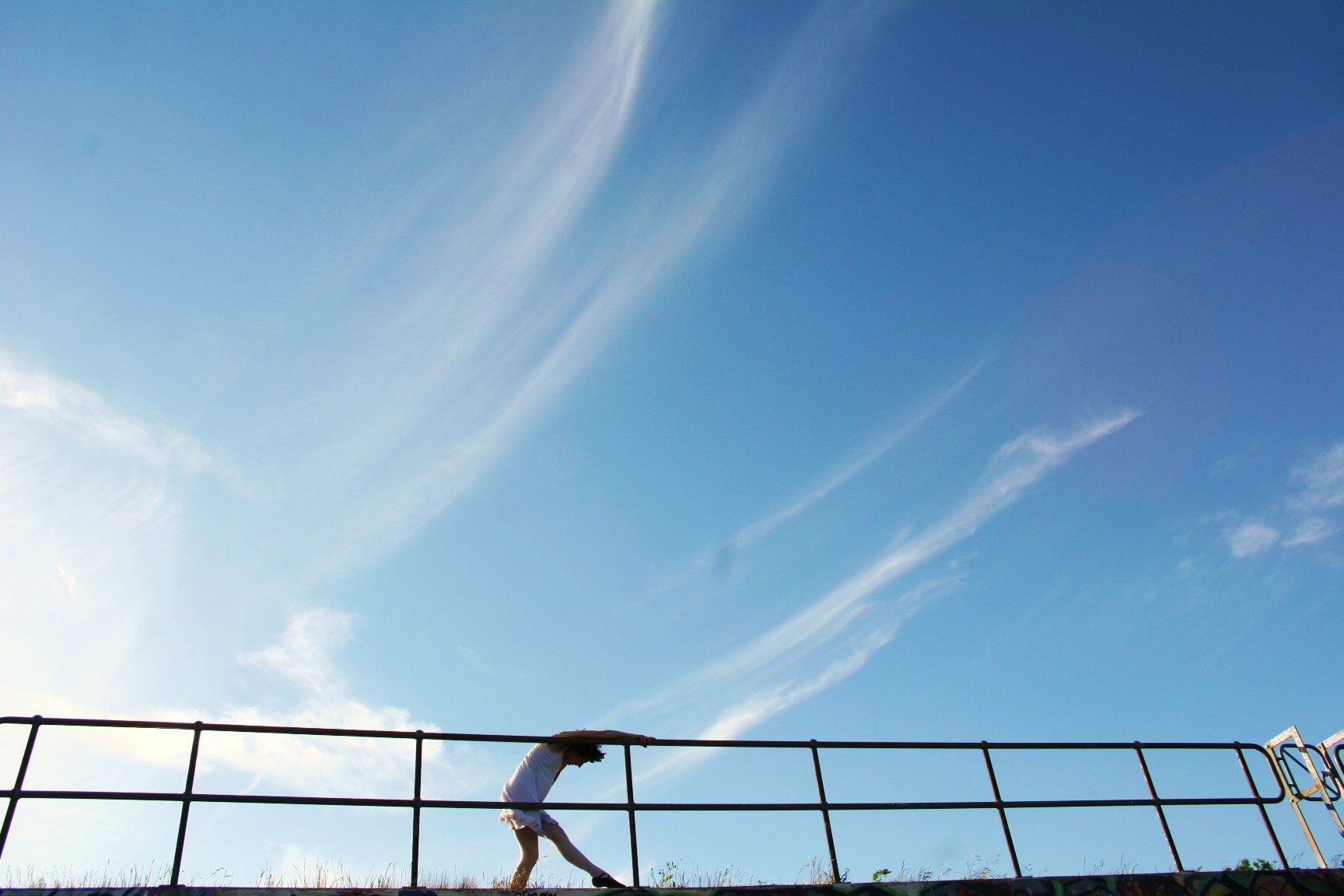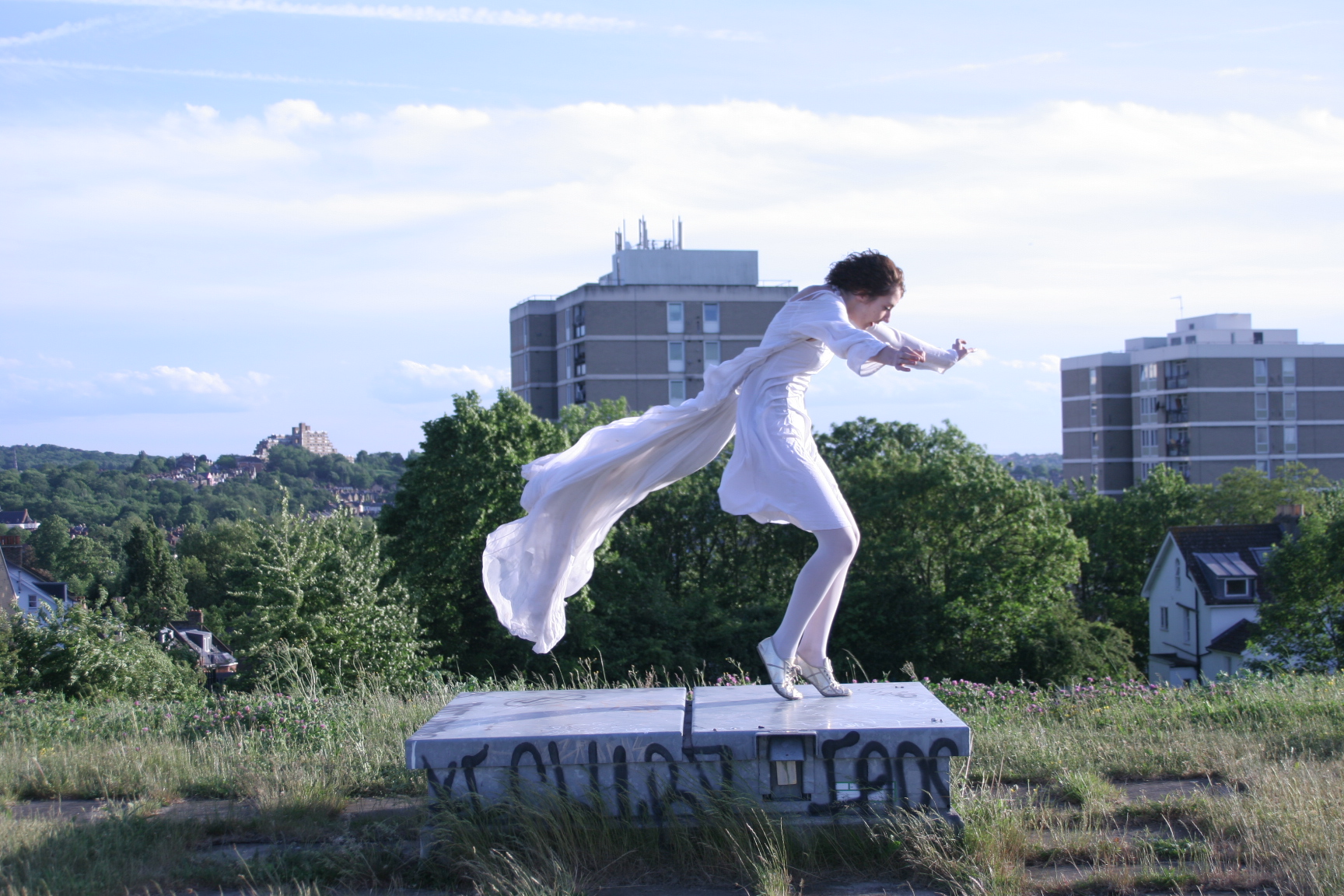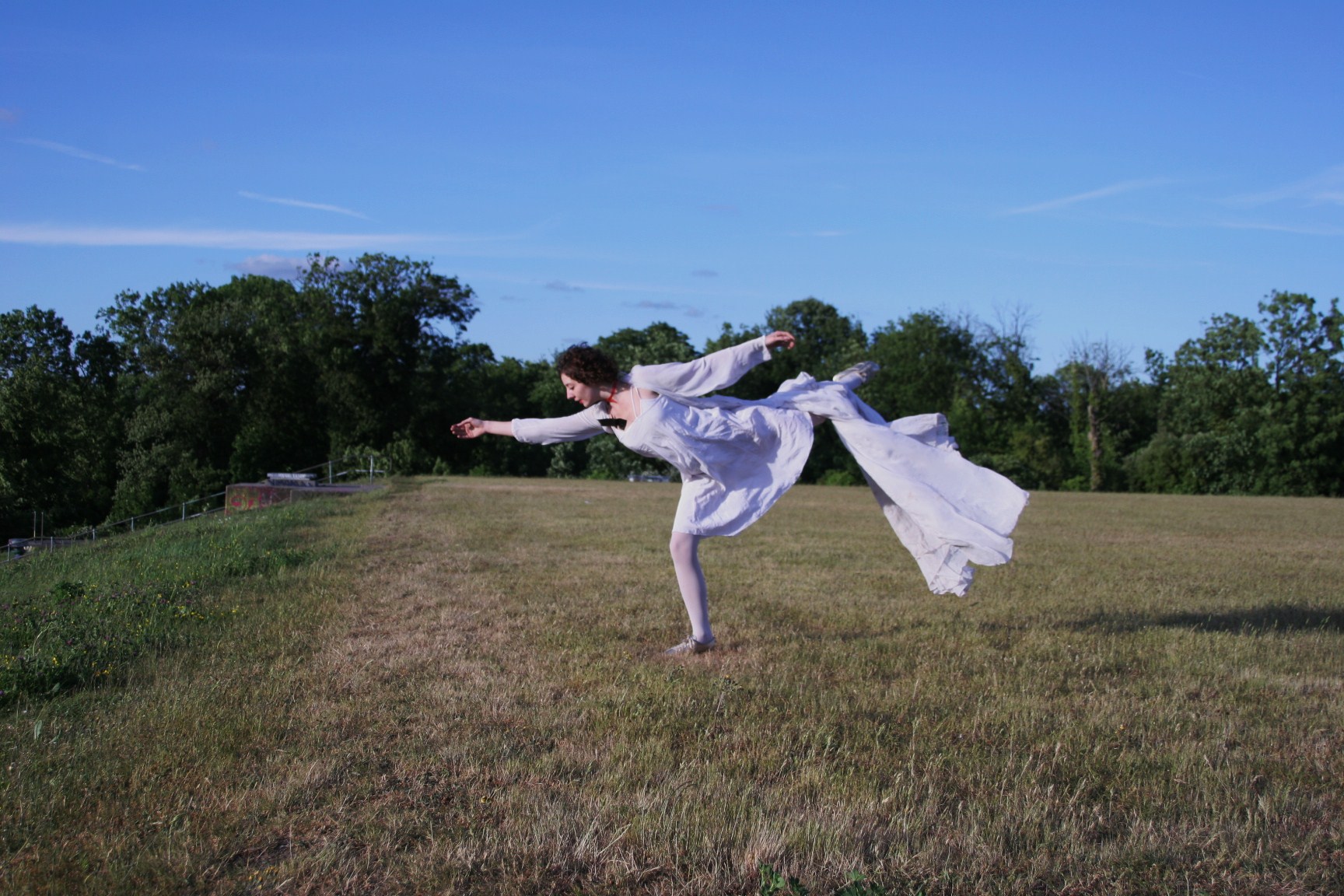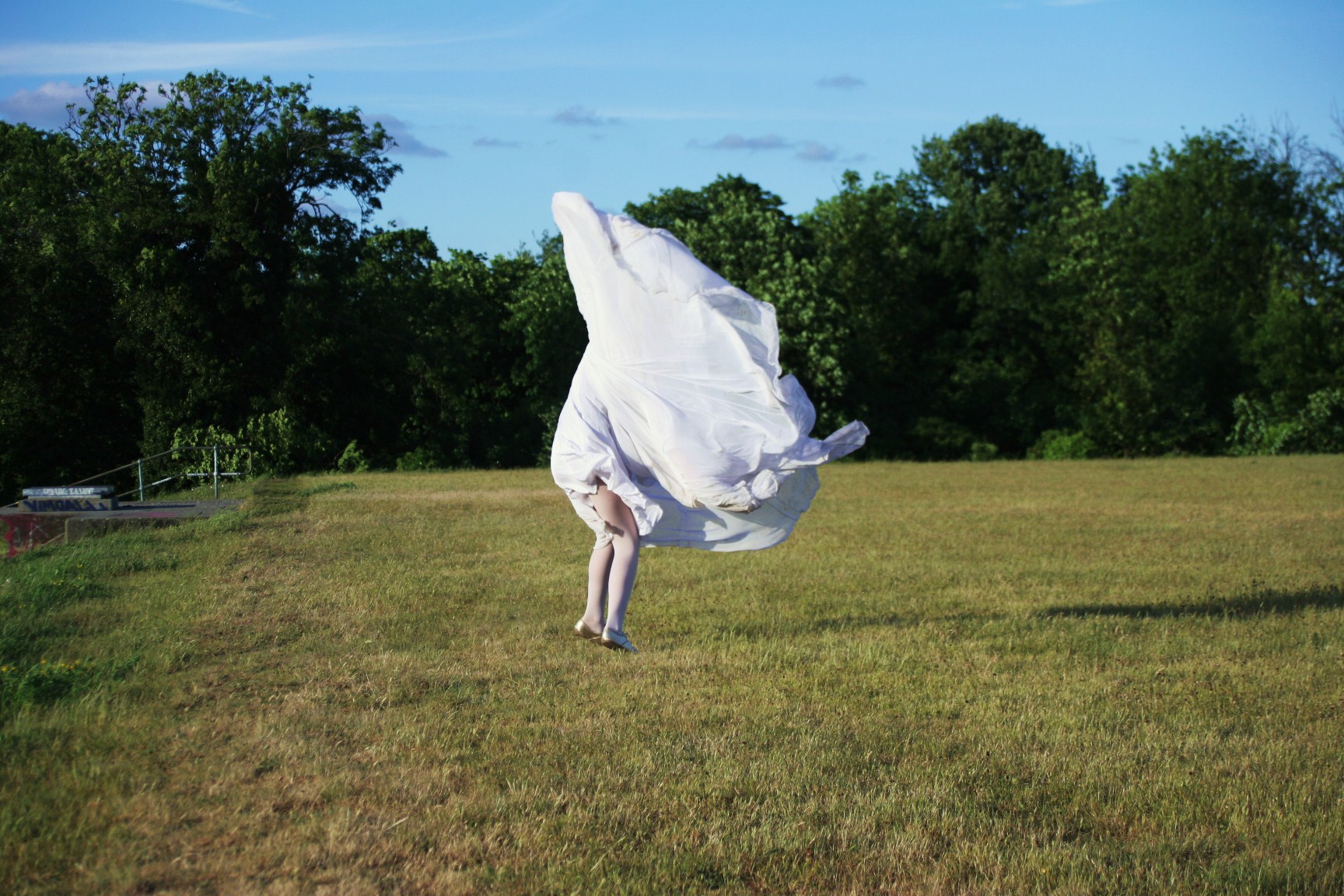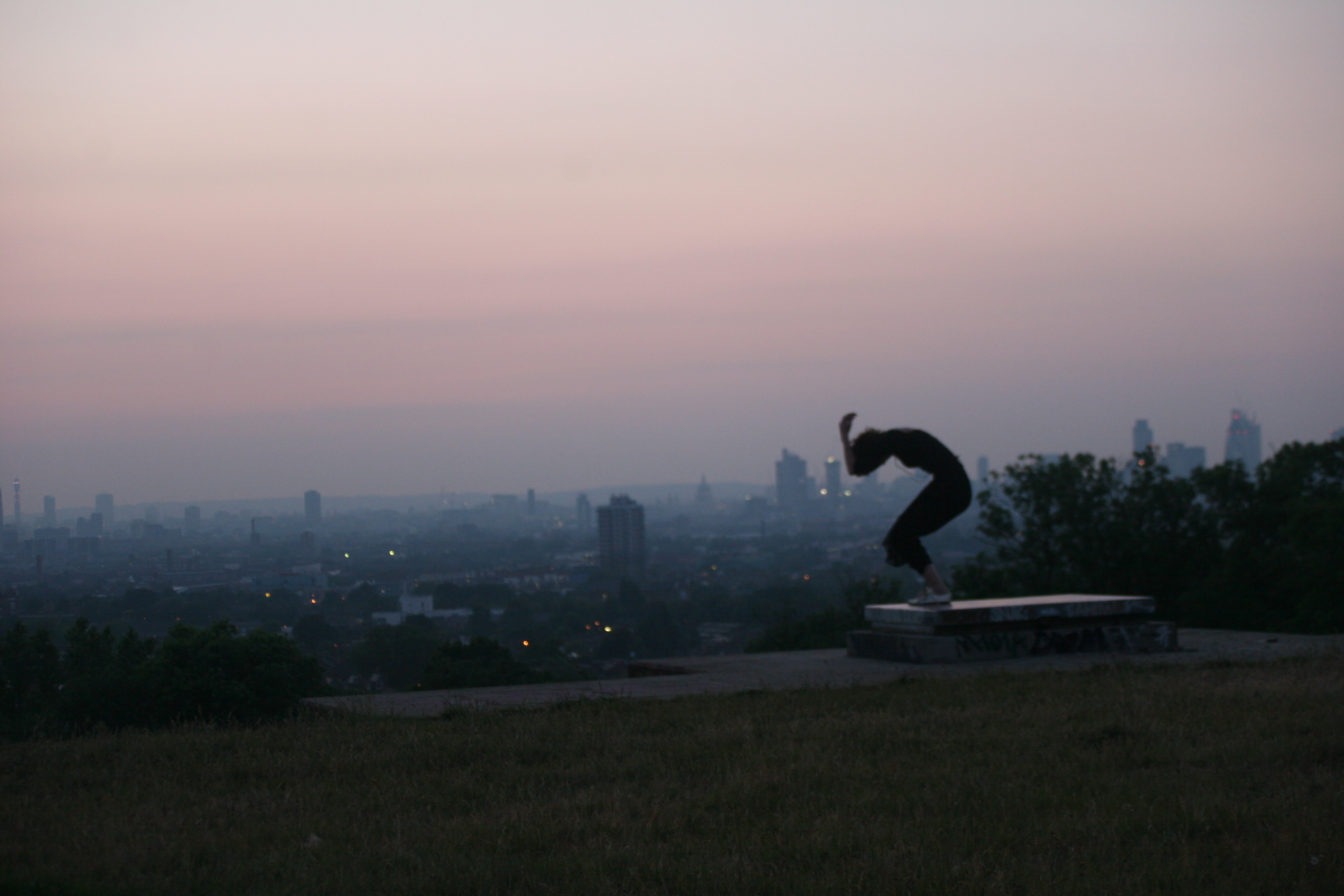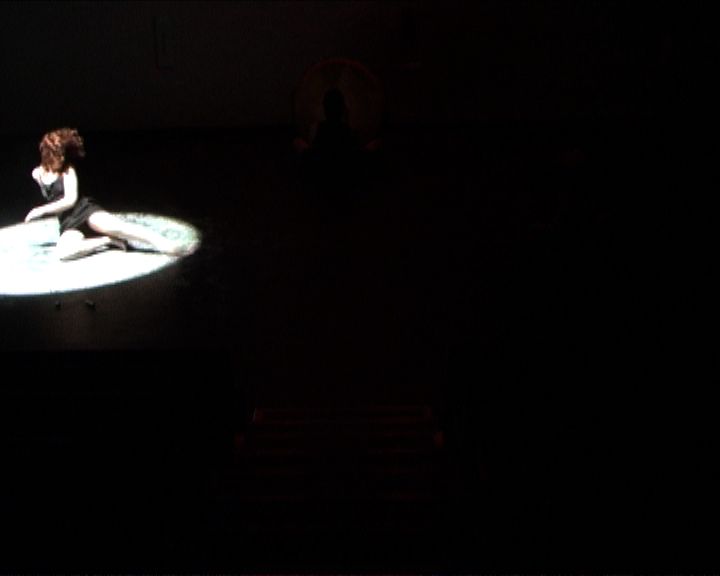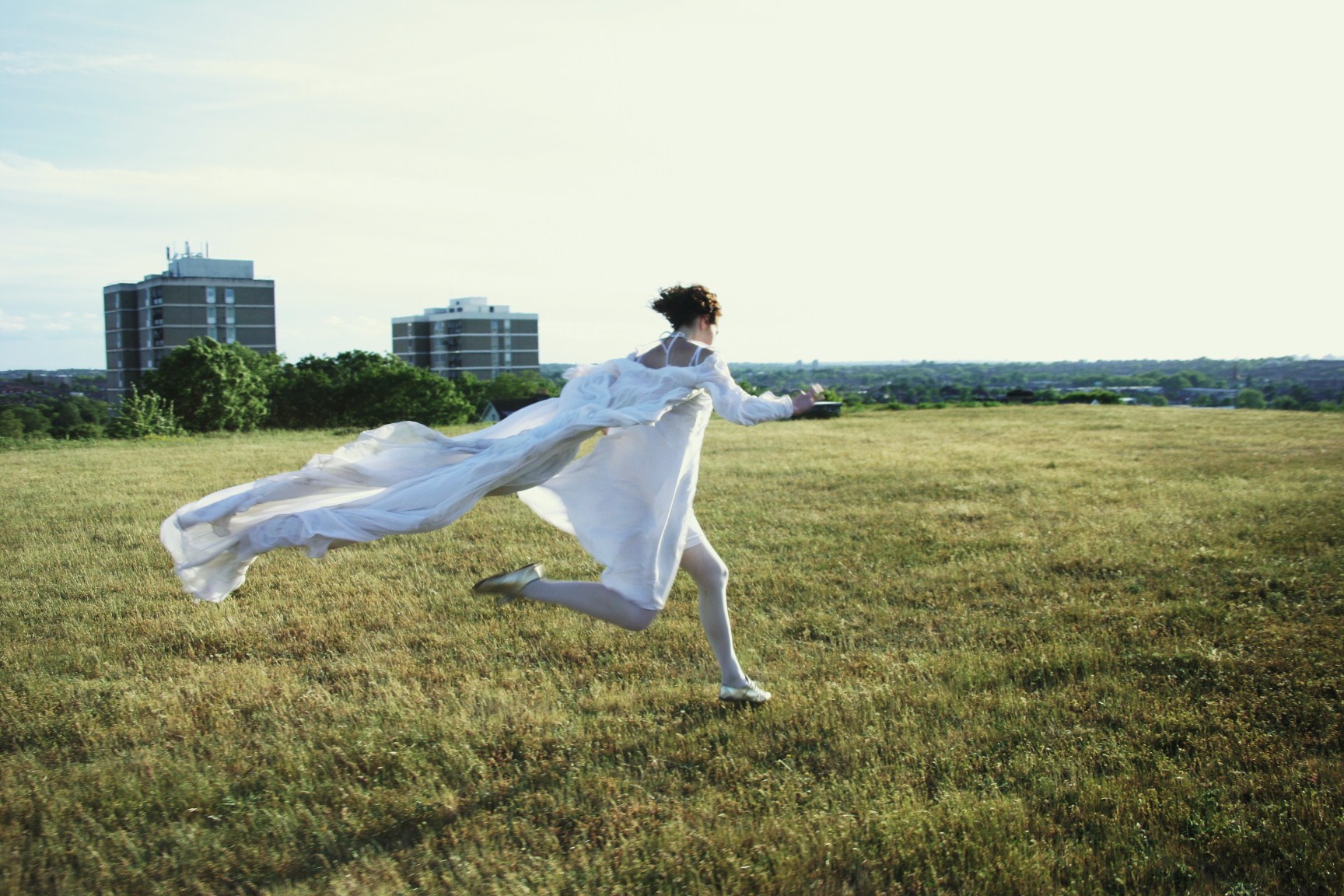
the body | resist | be taken | form | unform | place

•September 7, 2010 • Leave a Comment


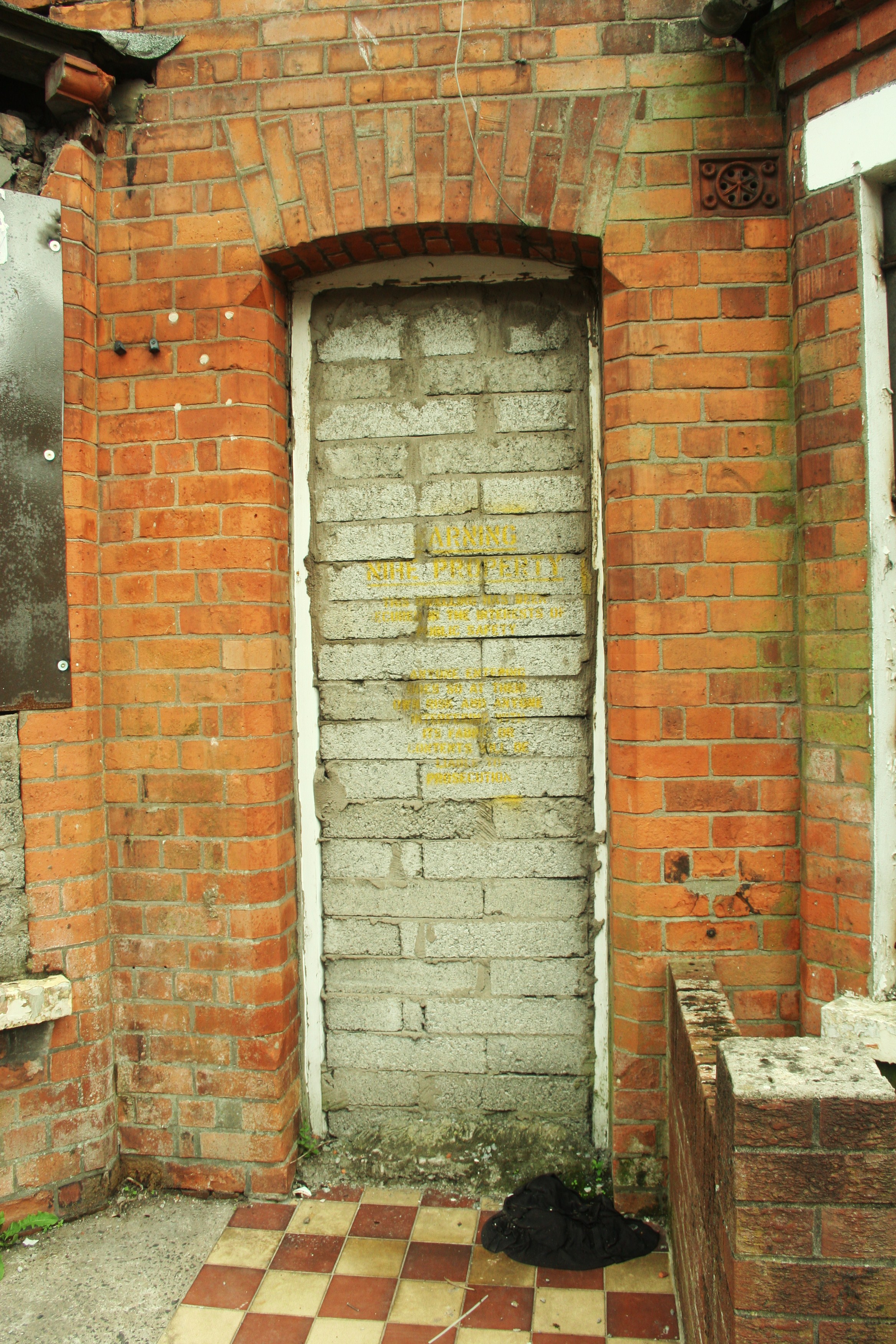
Our experience of architecture where the built environment through various negations and spatial conflicts becomes metaphorical for the complexities of the human condition. Spatial practices become a reflection of emotional states, their absurdities and their crises. My practice explores the subjective interpretation of the relationship of the body and the city as articulation, as construction and as symbol for the intracies of conflict.

The socio-spatial syntax of legislation and visual spatial typography can be examined to see how far the city can become a ‘curation’ beyond the conventional languages of social use. Architectural construction can be seen as a conflict between users and designers, architects and dwellers and raises the question – ‘can architecture become a vehicle of social control, striving to construct a uniformity of land use which is tailored to a notion of social interaction which may not be the intended spatial use?’

The built environment can be reviewed as a systematic construction of the human form; the mutual co-existence of the body in space, the visual and aesthetic experience of architecture and the political context, allow an understanding of the limitations to control and power of totality; and conflict manifested between human apparatuses and the built environment symbolize dynamic shifts in the cycles of power and its negotiations; as Foucault remarks; ‘War is a ferry man who makes it possible to move from one system of right to another.’(Foucault. M ( 1997)  Seminal to my research remains the ability to conceptualize the human form as both dominant and submissive to the negotiations of other human forms and the spatial container which becomes seminal tangible entity for these vivid intersections.
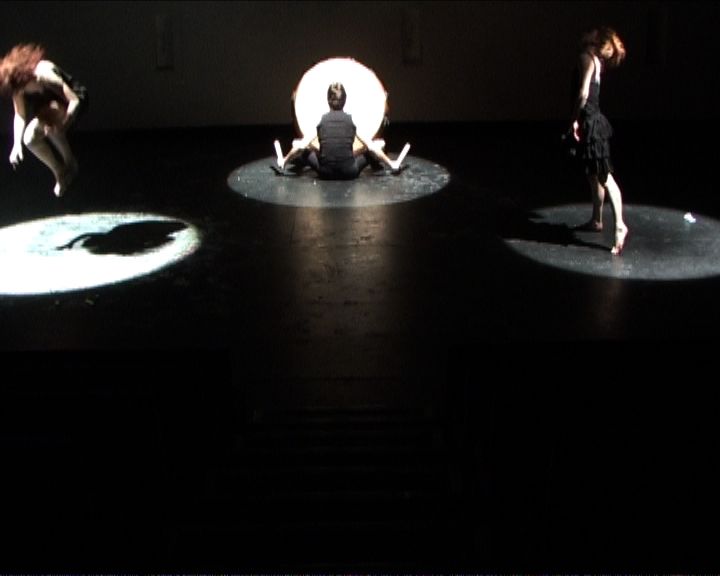

‘ The body politic is an artificial construct which replaces the primacy of the body. Culture is moulded according to the dictates of nature, but transforms nature limits.’( Grosz 1992)

Within this capacity; the nature of human civilisation and cultural idiosyncrasies can be formulated as an expression of human manipulation and can become then a projection upon the spatial container in which it manifests. This argument places prominence upon the nature of the human form to consciously or sub-consciously impact upon its spatial container; the study of such impact then, cannot be removed from the primary instigator, the human form. The potential here for conflict is vast; due to the sheer volume of potential inflicting and contradictory impact schemas which are invariably impressed upon the spatial container
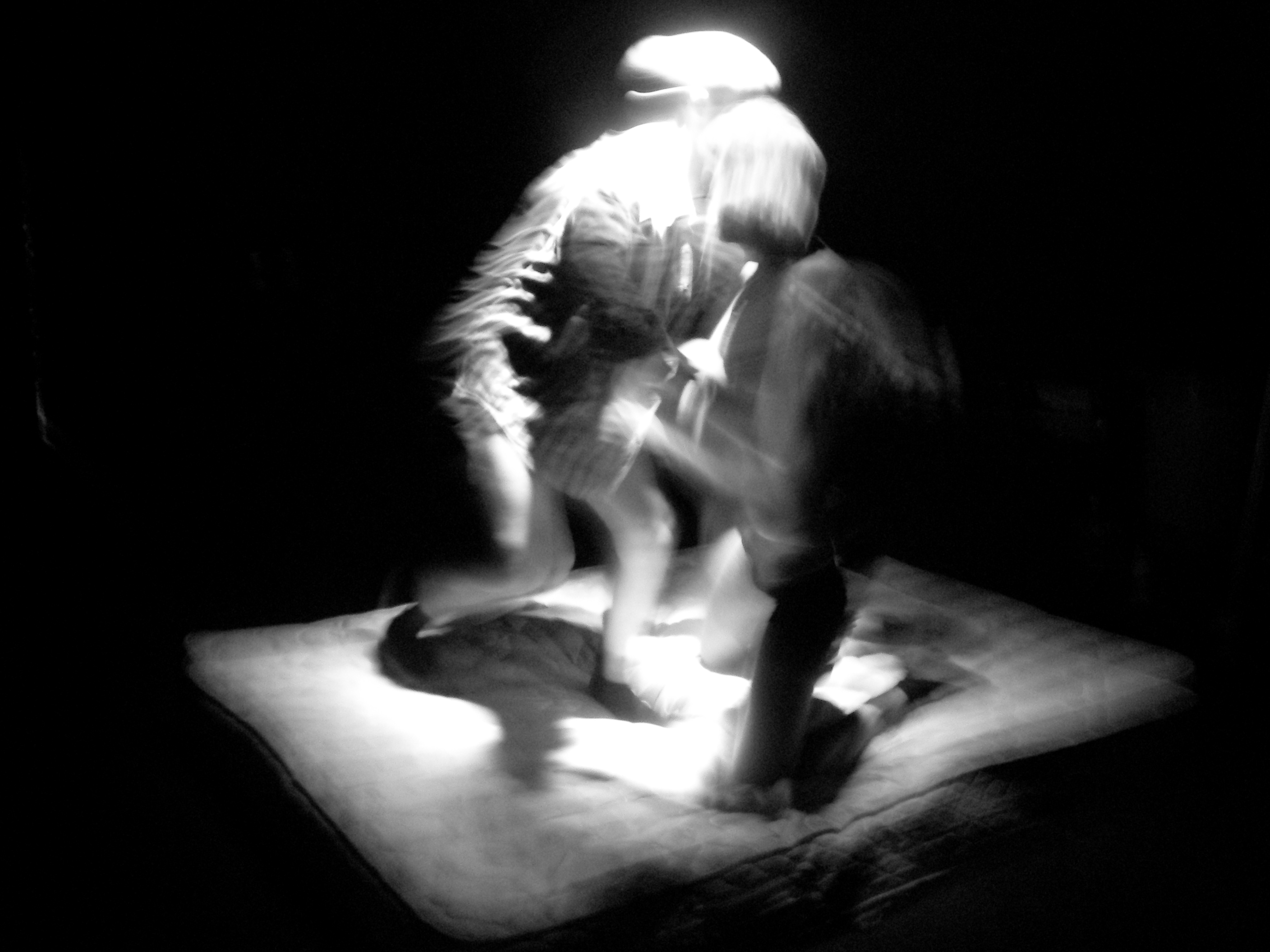
The ubiquity of place within the wider frame of the societal apparatus, reveals the underlying fundamental complex notions of how humans are seeking loci in order of chaos. The built environment can be further conceptualized as a locus of social inequalities in dis-equilibrium, manifesting the city as a dimension of futility within citizen apparatus of democracy. If war can be conceptualized as a social phenomena, then shifts in the urban imaginary restrict participation by occupation and movement of the human form. The affects of radical spatial transformation and restriction on the human psyche can be reviewed as a transformative element to provoke a collision of contradictory trajectories.
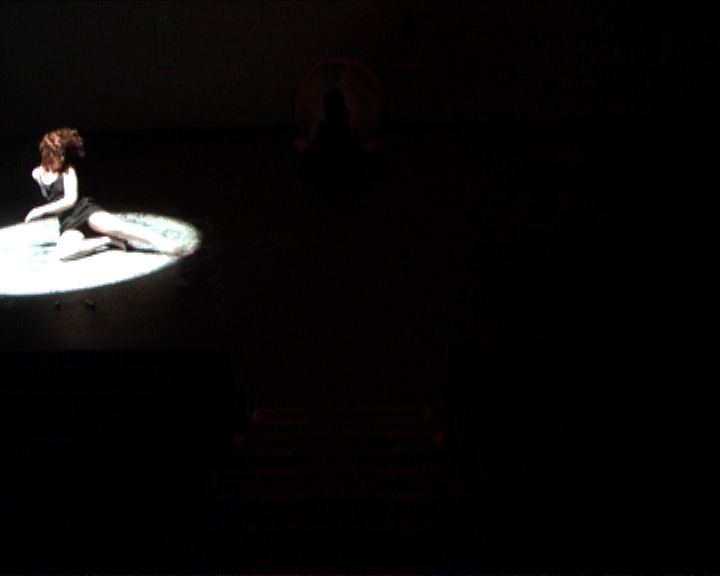
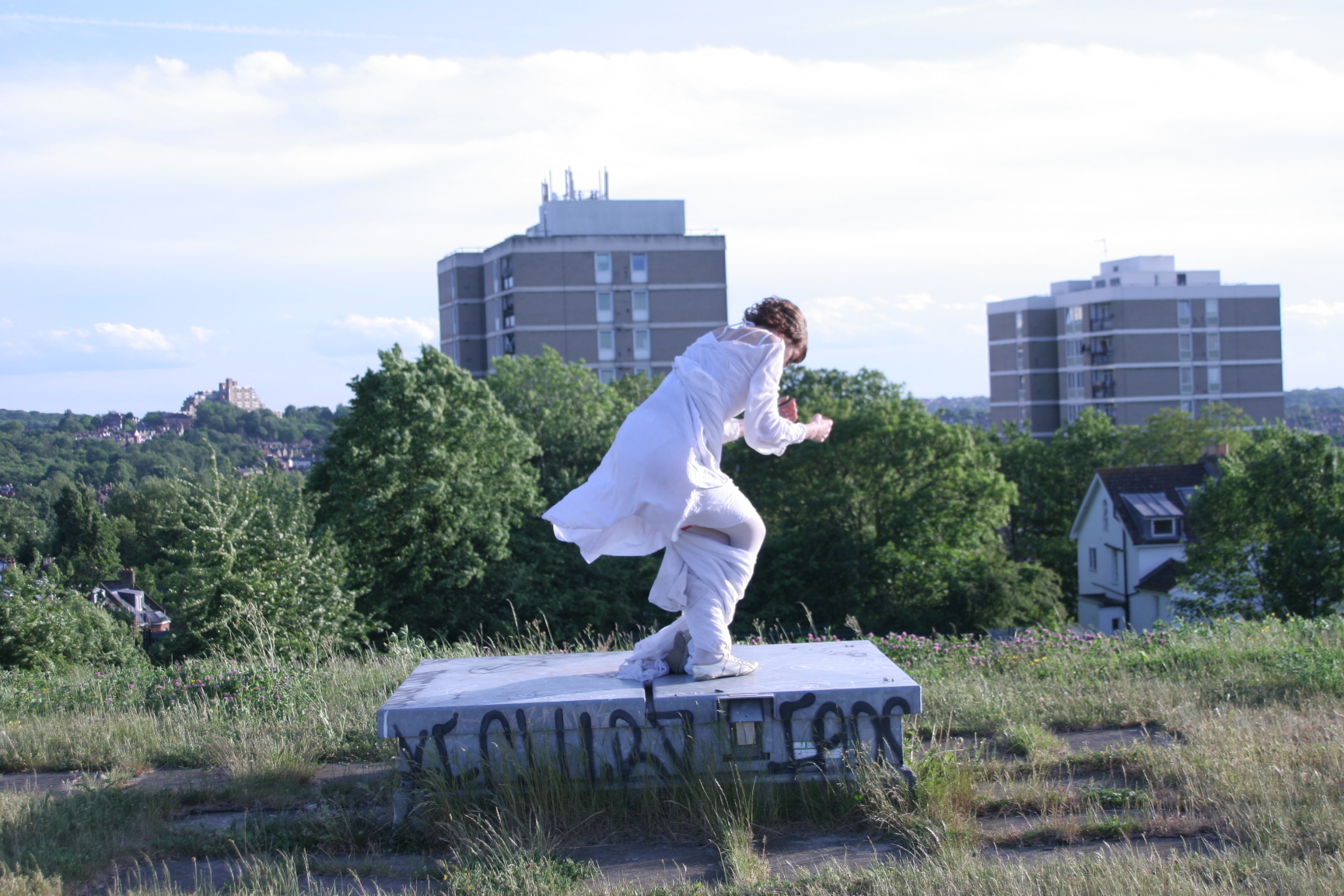
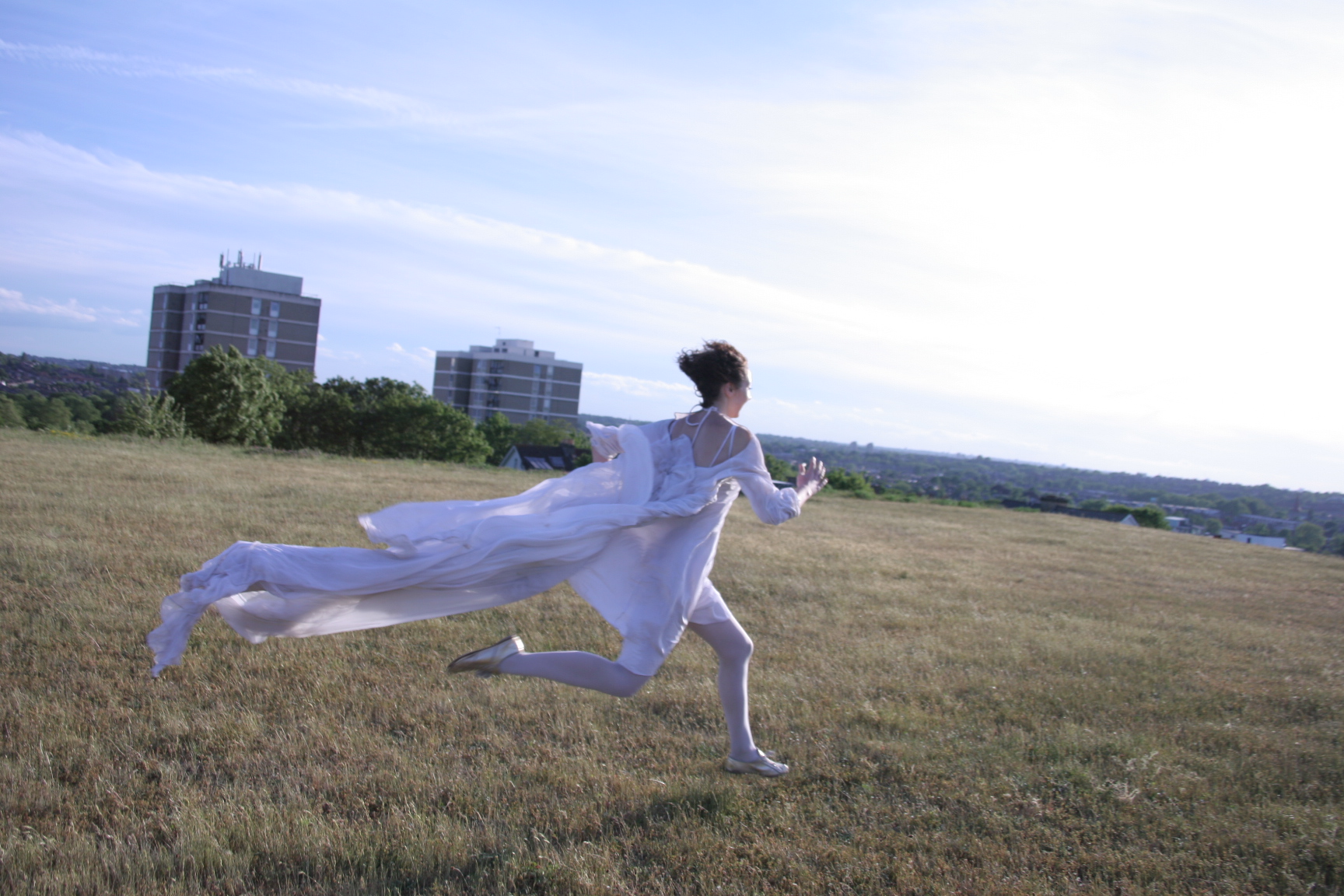
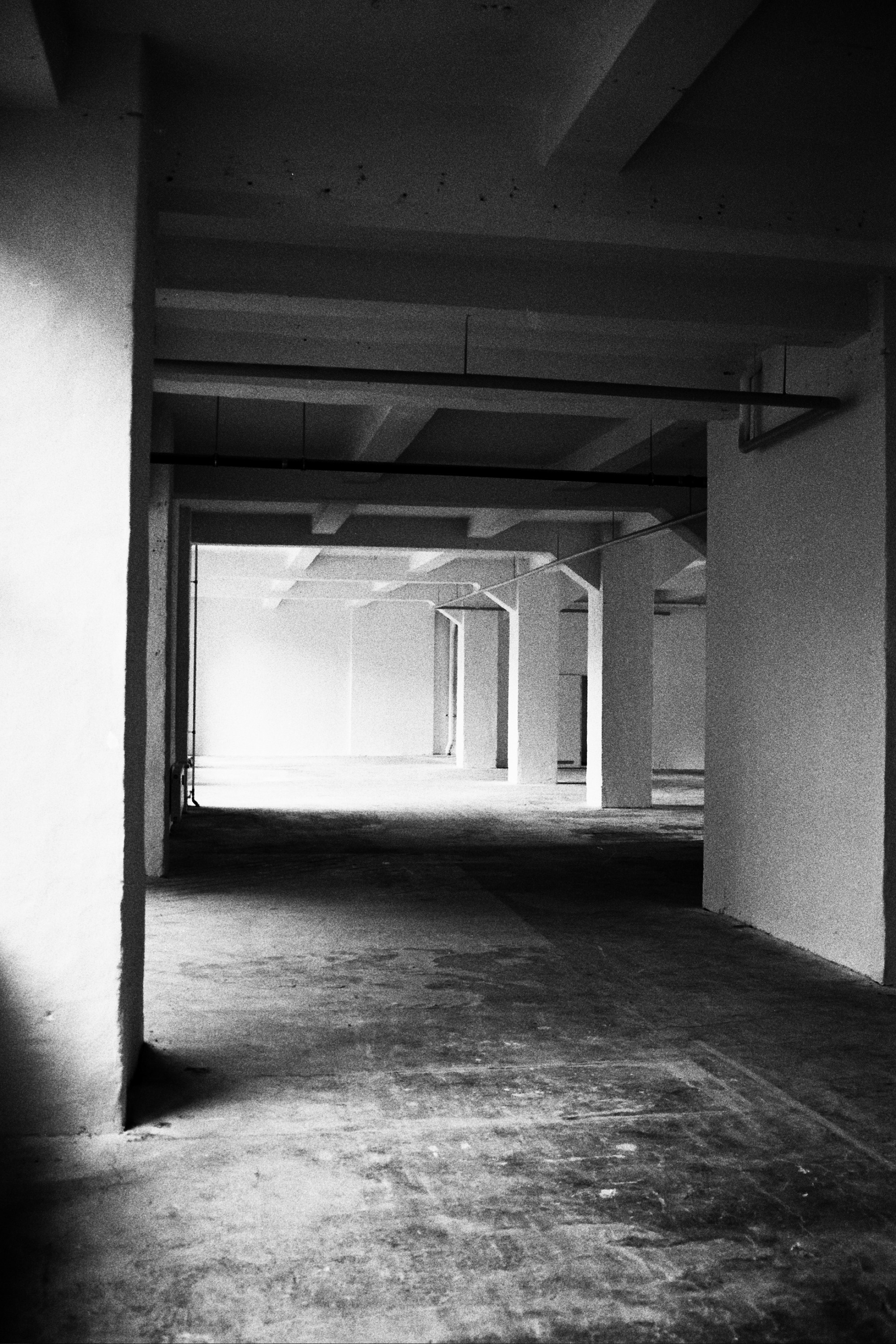
the body rests now, lurking in a dark corner, eager to await the city as fuel, as resource, as construct. The performance we consume as we hurtle to another choreography of departures from the spaces we loathe to call a place. The body rests then, in the grass, in the white space which smells of bleach and constructs performance.
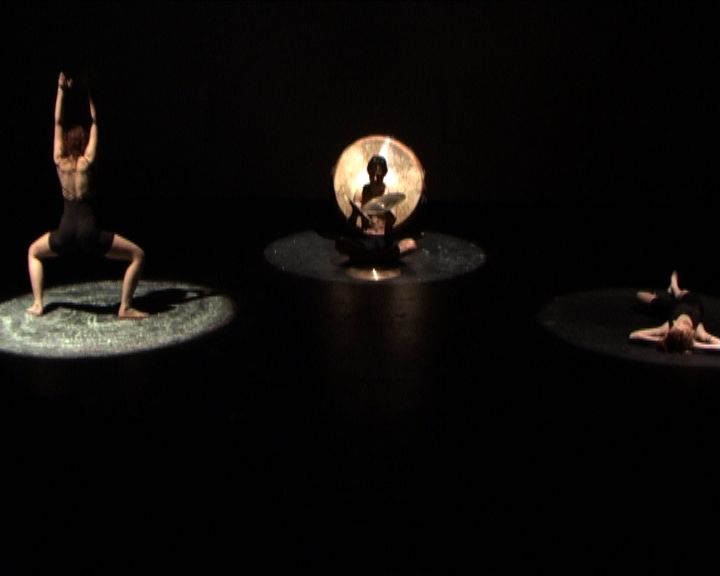
The city cannot contain more than we allow it to. Projecting tired metaphors, the apparatus of history, the postcolonial accident which we admit no blame for. The city which we fill with accidents of the post modern, endlessly repeating the same tired charade. The accidents which we name progress to effortlessly allow us to move slowly to visions of certain futures lamented. The city watched, but not observed, catered for our every need but not understood. Named but the identity undisclosed.

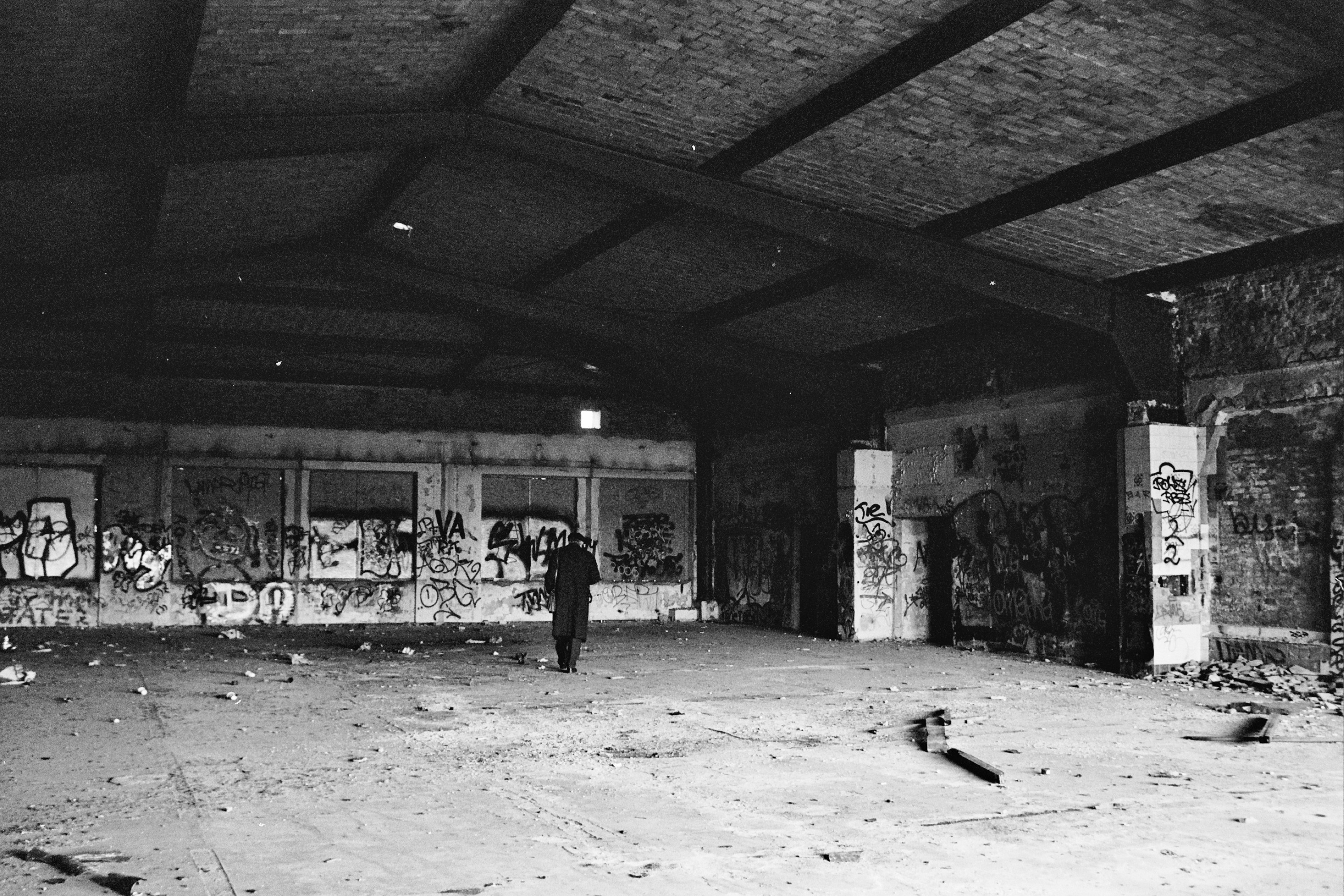
The body in the construct we name the city battles and torments to reflect itself as the power it resides it must be. The body becomes emblem, endlessly attempting to symbolise its endeavours. It’s  dwelling becomes an extension of such will; the abode in which the body surrenders to society’s surmount.
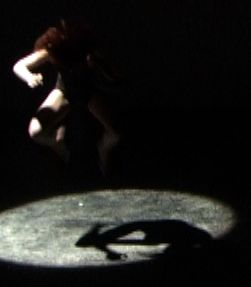
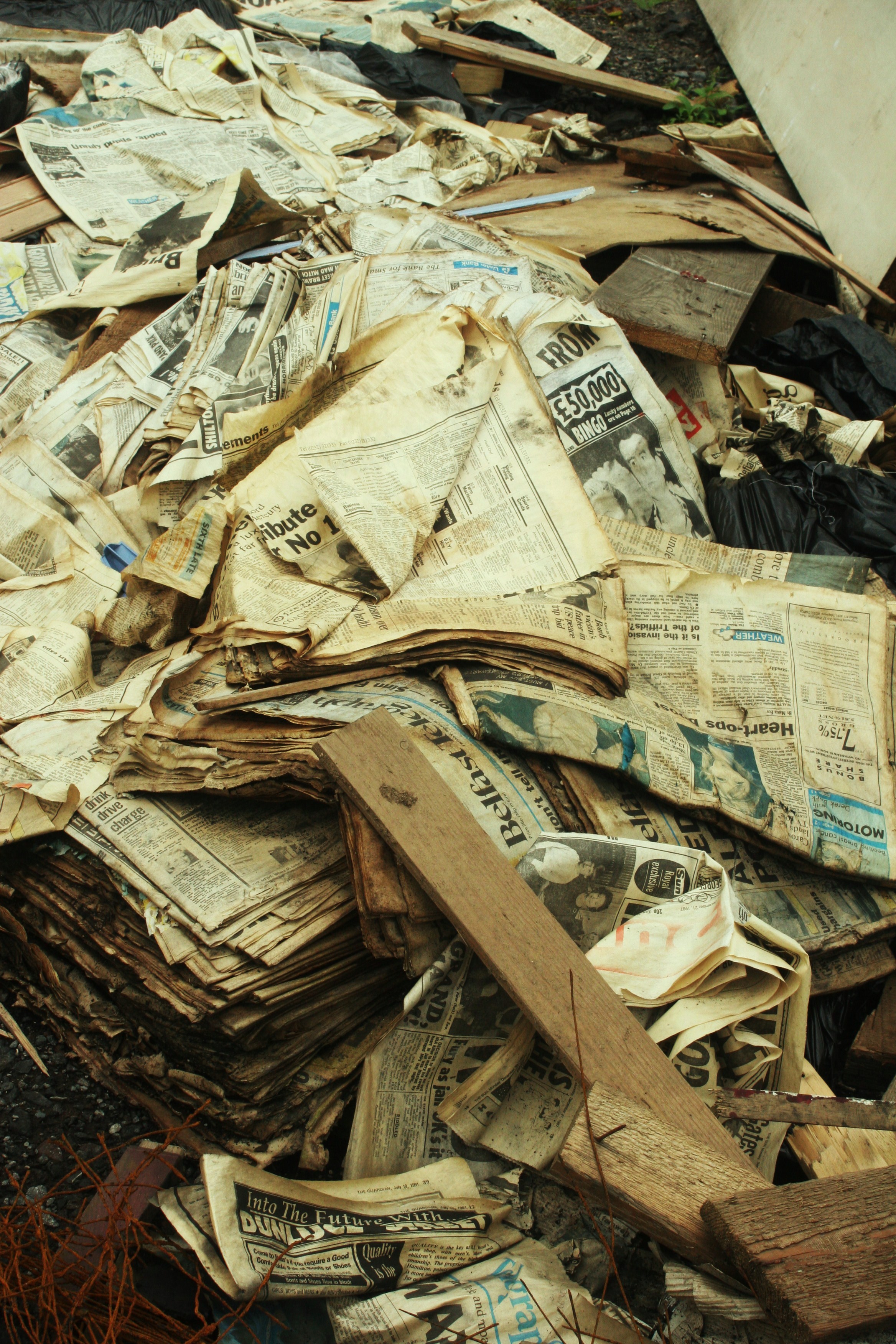
notes towards | the performance of memory

•August 22, 2010 • 2 Comments

To collect the hurtled fragments of realties formed to repress the potential for departure

To tend with doting softness to the rotten apple this came from his tree.

The stories collect, in mourning, veiled in black to approaches unmet.

They advanced, stony eyed as travellers of the bleak winter skies, parting at noon when the bell chimes, to gather, to collect, to imagine.

“this was the way we always went, through every day and every moment”

She sits, soft, waiting for emotion. He departs and the clock has lost it hands. The room is painted now, blue, for his eyes and the skies they will watch passing.

Their door now is closed, silent murmurs, a tiptoe, a sweeping arm, the brush of a cold feather, a moment passes, she runs, faster now, in the darker night, each road as libertine to memory lost and found, marked.

“ you remember, don’t you?” she stares blank to the white wall, his hand makes holes in concrete, limp to emotion. The city stares to them, she asks now, “ where then, where do we depart”

A hurling, hurtling, falling demise to a warm forest, they hold strong the rubble in their pockets, collect in plastic tubes the vapours of the city fume.

The realities they had form were crumbling slowly like the shell of the city they still called home; as it was all to be rebuilt. The new towers beginning now to breathe, to take shape and form in shells which they archived in black box.

The emergence, the new state, malleable and fluid; “ we will come here to built our dreams” The bulldozers awaken, still exhausted from their last job, marching in line to construct some new reality.

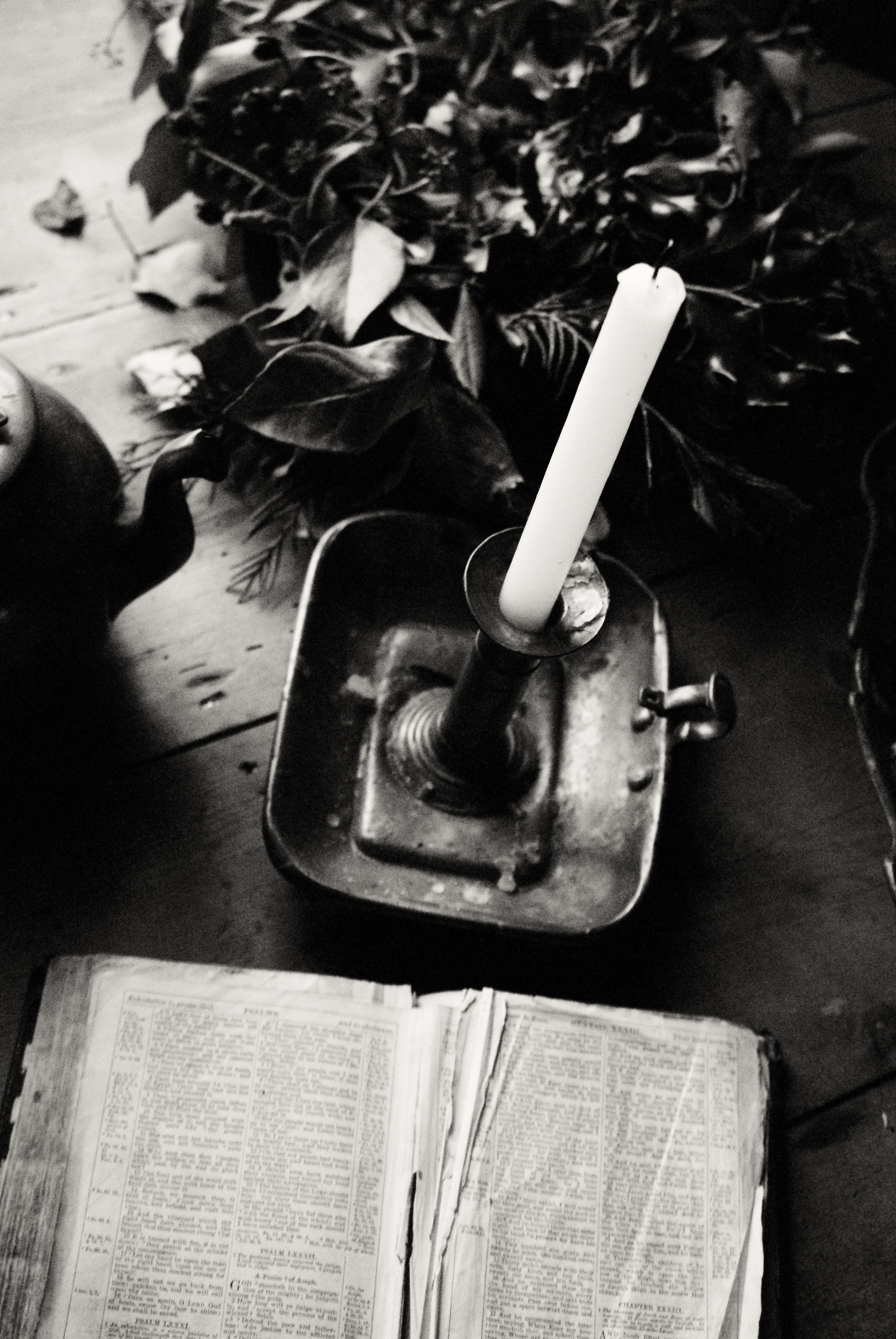
The city here, as they sit, the two of them, her in a flimsy white dress, him in waistcoat and worn top hat, they sit in a darkened room, a candle burns by the window with no glass. The view here is silent, the embers of yesterday fires still burn and the paths still lay exhausted by their own destruction. They do not speak, rather the sit silent, intent on sorting through the piles and piles of images of what might have been, what could have been and what never was. There is no anger, emotion now rests dormant, rather the images, in the winds which rise and fall, now let them scatter. She imagines it may be her confetti for a lost love, he grimaces as the images leave for the winds, his memory departs with them, he rests silent, looking only at the textures of the floor.

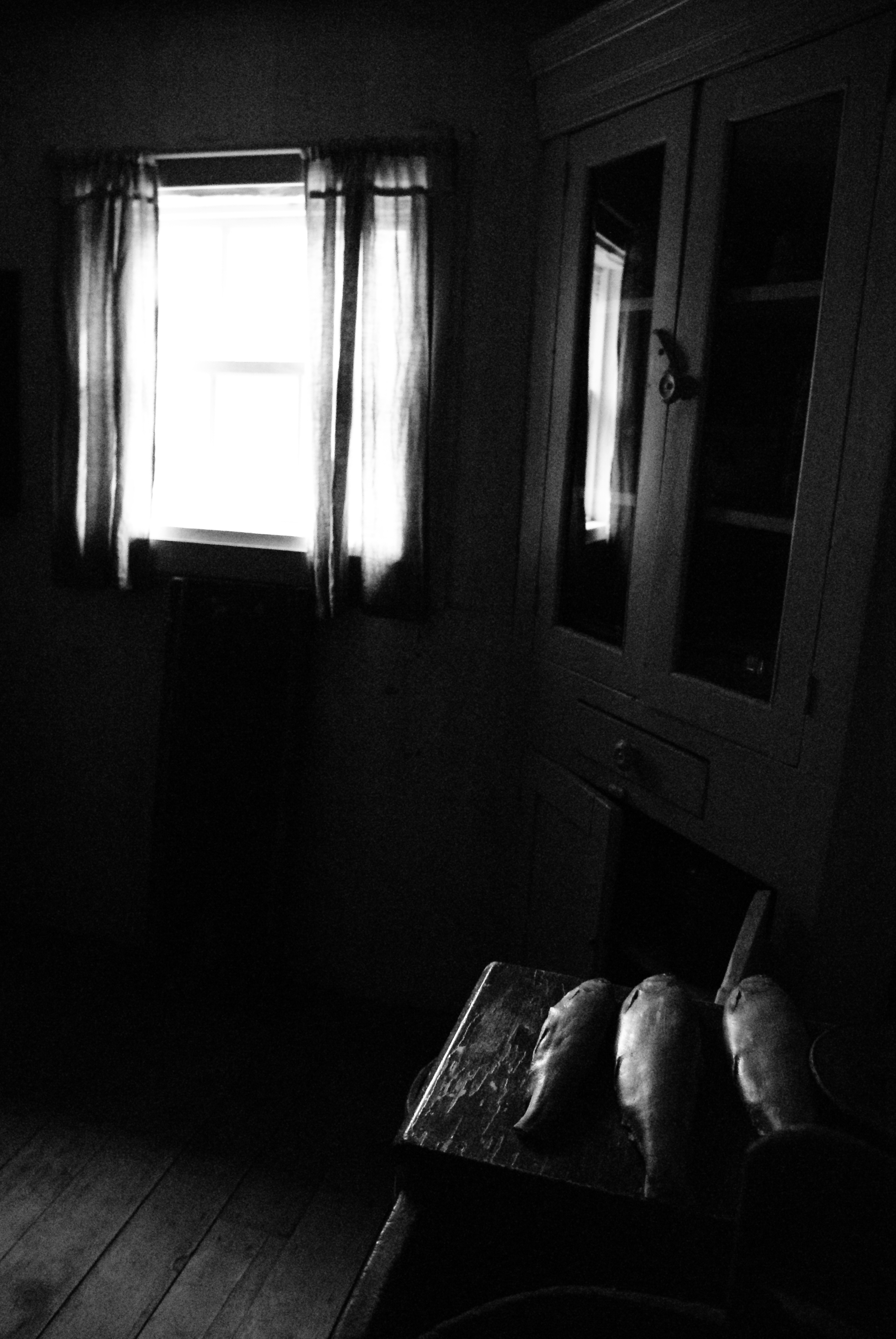
Their theatre becomes home now, returning less and less to the broken roads, the city as reported, they can hear the wireless, but it seems a memory. She paces the floor scattered with maps, he has painted them all now, white, as his mind, to fuel a quiet. This scene, she renders at peace now, for the seas of her mind are forever in storm.


Forming futures within pasts; remembering in public; Journeys through public art

•July 17, 2010 • 1 Comment

Cities are becoming over ridden with signs and symbols that are no longer readable; no longer a clarity in their monuments hastily put up with government money. A walk through the city centre and what can one find? The city scattered with objects; forms, shapes colors; a language which we are yet to read.

Cities, like history, do not reveal themselves. They contain their past like the lines of a hand, written in the corners of the streets, the gratings in the windows, the banisters of the steps, the antennae of lightening rods, the poles of the flags, every segment marked in turn with scratches, indentations, scrolls.’ ( Calvino)

The city now, speaking through illusive walks and wanders can be divided as though two parts, resonant and non resonant. The parts and encounters of the urban which speak silently of memory; in celebration or in loss; making the cement walls with sentiment unmoving even when painted over again and again.
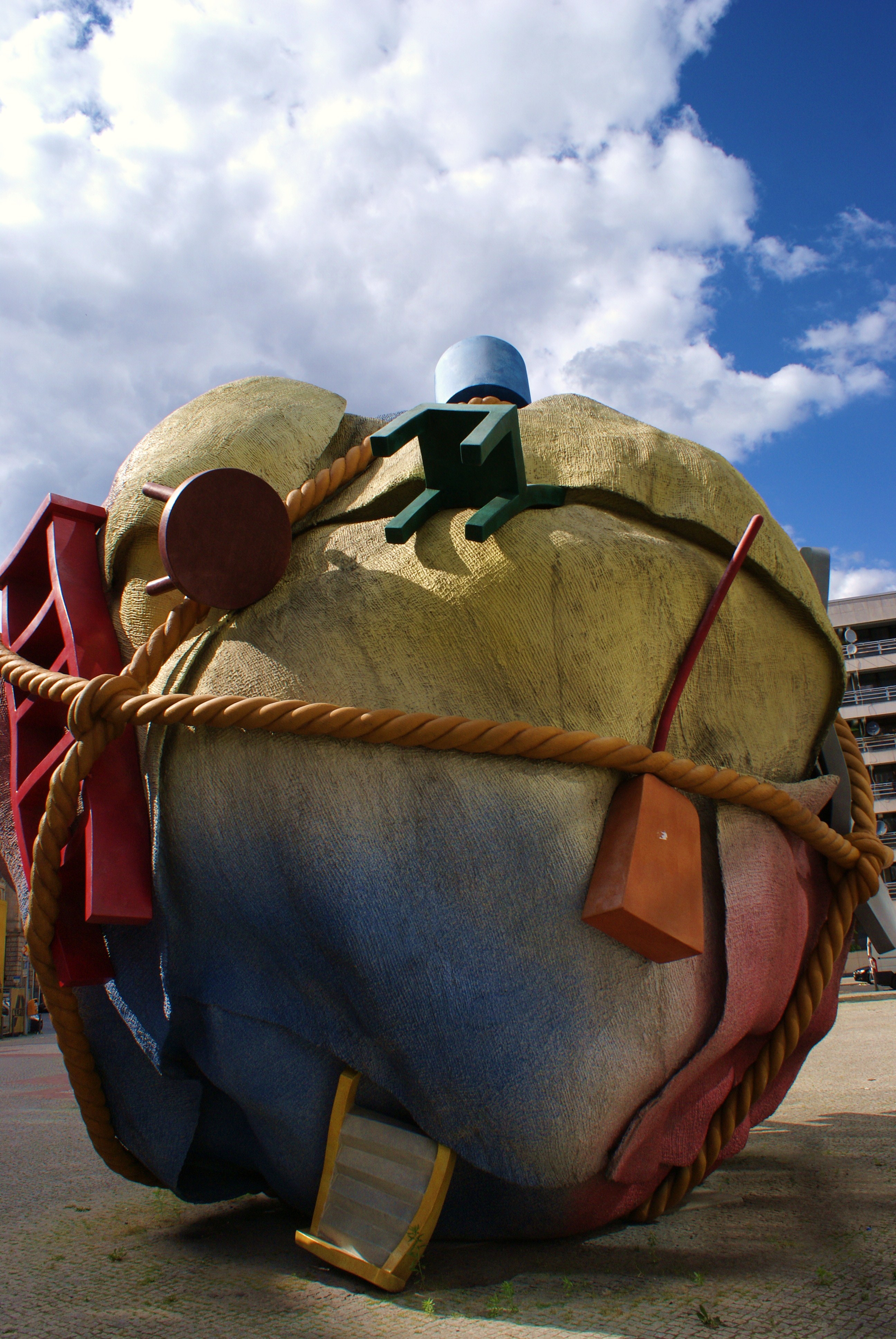
The elephant?

The Dog?

The Ball?

The Cube?

The meaningless objects which scatter the city; taking up space and funds which could be spent on hospitals and pavements? To whose agenda does this ‘art’ adhere to?

The art of the city cannot be public?

The value of public art/ architectures of memory can be seen in those which really have function and purpose. To serve memory, personal histories, crafted with a necessity to make public things which should not be forgotten. The art of public art? Making a place in the public realm for reflection, for a sense that some things need more than history books? But then there are the markets, the pubs , the street corners, where the stories are told. Quietly, loudly, they are repeated, past on, marked and remembered; not art, but history.

The past lingers; the past repeats, the past emits messages, signs and symbols. The past is inescapable, yet it can be formed, presented, reconstructed, a malleable entity which is selectively interpreted to a plethora of cultural diasporas. The city contains an imprint of its past, selective and curated by all those who inhabit it. Forming a pliable collage to the nostalgias and grievances of those who inhabit the city flux. The transitions and impressions of the city notate a cultural identity and detain a nuance which impresses individuality contained and framed in time and space and in the minds of the citizens who inhabit.
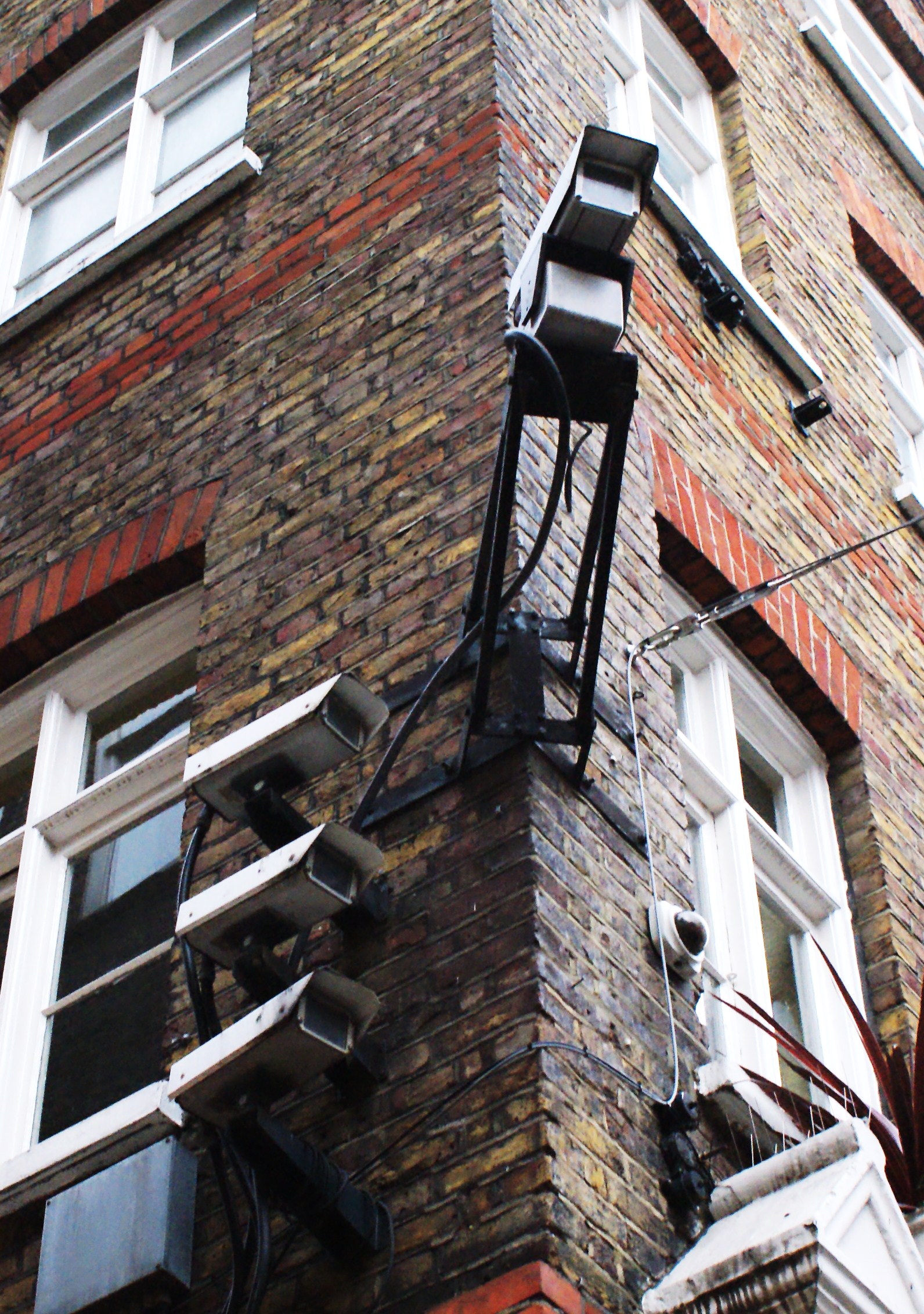
The city functions as a mechanism shaped by the routines and established and non- established sets of practices of daily life; a vehicle for the population who inhabit it; to go about their daily lives shaped by the factors they collectively and individually determine; the city is both an emblem for their needs and a projection of their various intentions for the particularities of their everyday. Such projections shape the architecture, the transport, accommodations, commerce, leisure, routine and cycle of the city; dictated by the mass in various private and public arenas. The notion which the city’s past can exist as a separate entity from the social projections from the various strata of inhabitation paves the way for a view of the urban landscape as mechanical and void from human touch and interaction; as though the architecture of the city has a function which denies the human significance, rather demotes the role of the human to machine; such brutal impressions of the urban are repeated in narrative and architecture; ‘No camera, no image, no sequence of images can show these rhythms. Once needs equally attentive eyes and ears, a head, a memory, a heart. A memory? Yes, to grasp this present other than in the immediate, restitute it in its moments in the movement of various rhythms.’ Lefebvre is alluding to the seminal function of memory to shape the built environment in a mode akin to the desires and needs of the citizen. The presence of the past in cities becomes symptomatic of the harness and grip of the population on the image and structure of the urban present and future.

How does this relate to theories of the architecture of public art? The ‘people’s stories.’

If we are to consider the city as Levefrevbre suggested; ‘The city as a projection of society on the ground.’ then the society itself can be said to contain the past; a living breathing population of nostalgia and identity which extends into the deep metaphorical crevasses of urban structure. How far can collective and personal memory be projected on to the city; facilitated an impression as to residual histories that may not appear aesthetically within the city. How far is oral history used within urban construction as a means of social reconciliation and how far can this be enabled as methodology for enabling sensitive development of urban memorials.

What can then this reflects as to the function and purpose of public art to address and platform the needs of those who it serves? Does public art serve anybody? How can the value and addition of public art be monitored and registered? For it cannot be compared between cities; each city becomes a container for the stories which make the texture to its fabric.

Public art? public memory? to whom do we adhere for their memory? images which can mean something, everything and nothing; there is no unity in memory; collective memory becomes a weapon of social control and also social power; enabling and disabling through its constant repetition; still this remains on street corners, in the back rooms, in the corner shop.. this is not public, this is not private; this is memory; which holds its own.

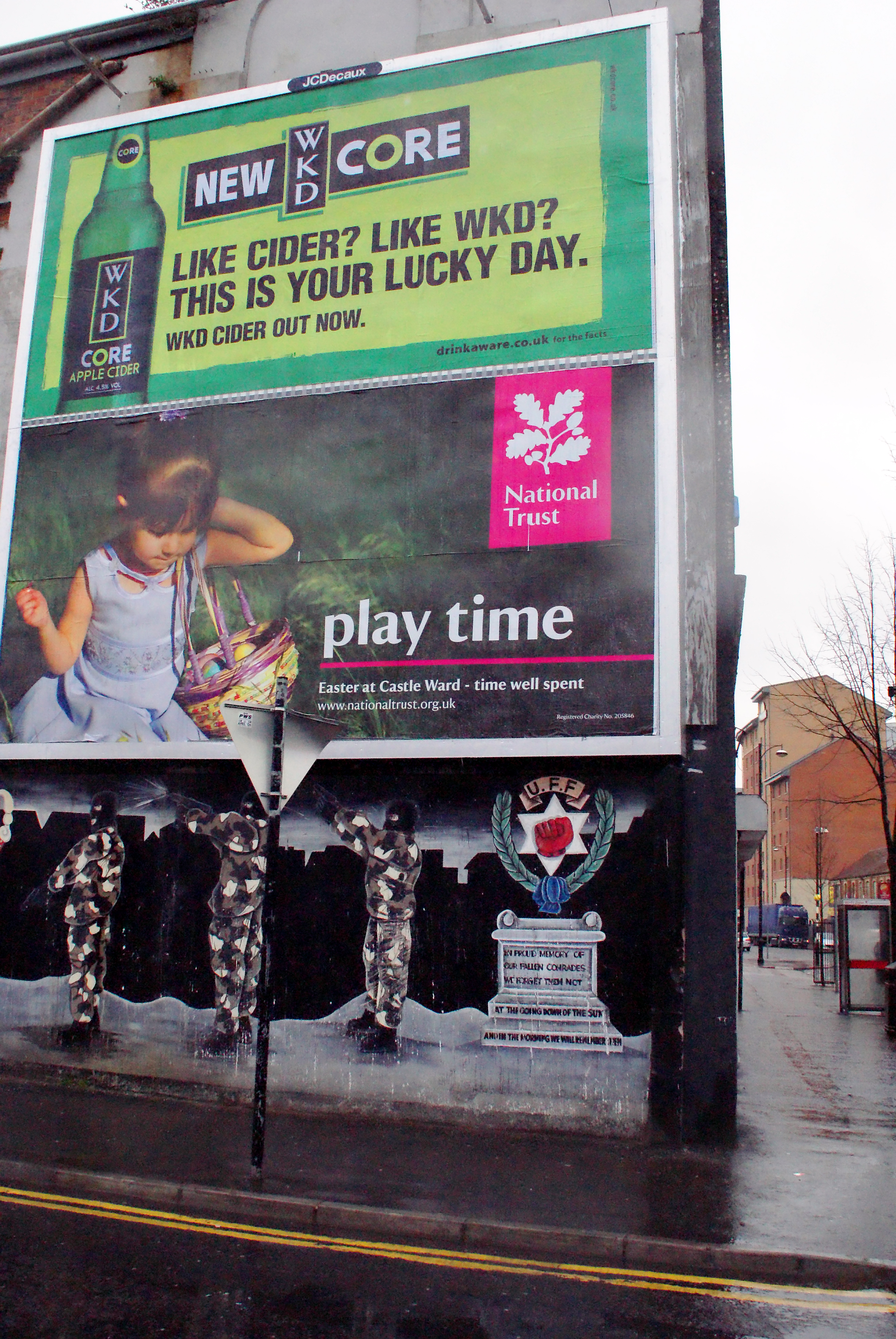
My research as to the curation of the Troubles in Northern Ireland and the residues of Nazi atrocity within Berlin have enabled me to allude to the seminal importance of the role of memory from those who inhabit cities to how far the past is socially able to manifest in the built environment. Memorial can be constructed; typographies of remembrance can be inscribed over fragments of forgotten traces; yet such objectification of the past cannot culturally and socially resonate to urban citizens if they lack intellectual and emotional awareness towards the past which such inscriptions hold. The city naturally resonates a temporal and distant past through the very means by which it is constructed yet interventions, formal or informal create a level of empathy which the landscape alone may not curate. The nuance of human occupation and intervention in the built environment resonates to a profound level if the viewer has a cultural awareness as to the significance of such action. The past is an all consuming organism; which left uncontrolled; unmediated and unremembered, will manifest; even in hushed voices behind closed doors. The city becomes a larger vessel for the past simply because of the sheer weight of overlapping significant and anecdotal pasts which overlap in a symphony in the various enclaves for encounter which fashion themselves as the city. Memory can become a cultural vessel or lumbering weight towards the notion of urban progress; how the past is enabled or forcibly wills itself to manifest metamorphoses the sentiments of collective and personal emotions and sensitivities towards the past.

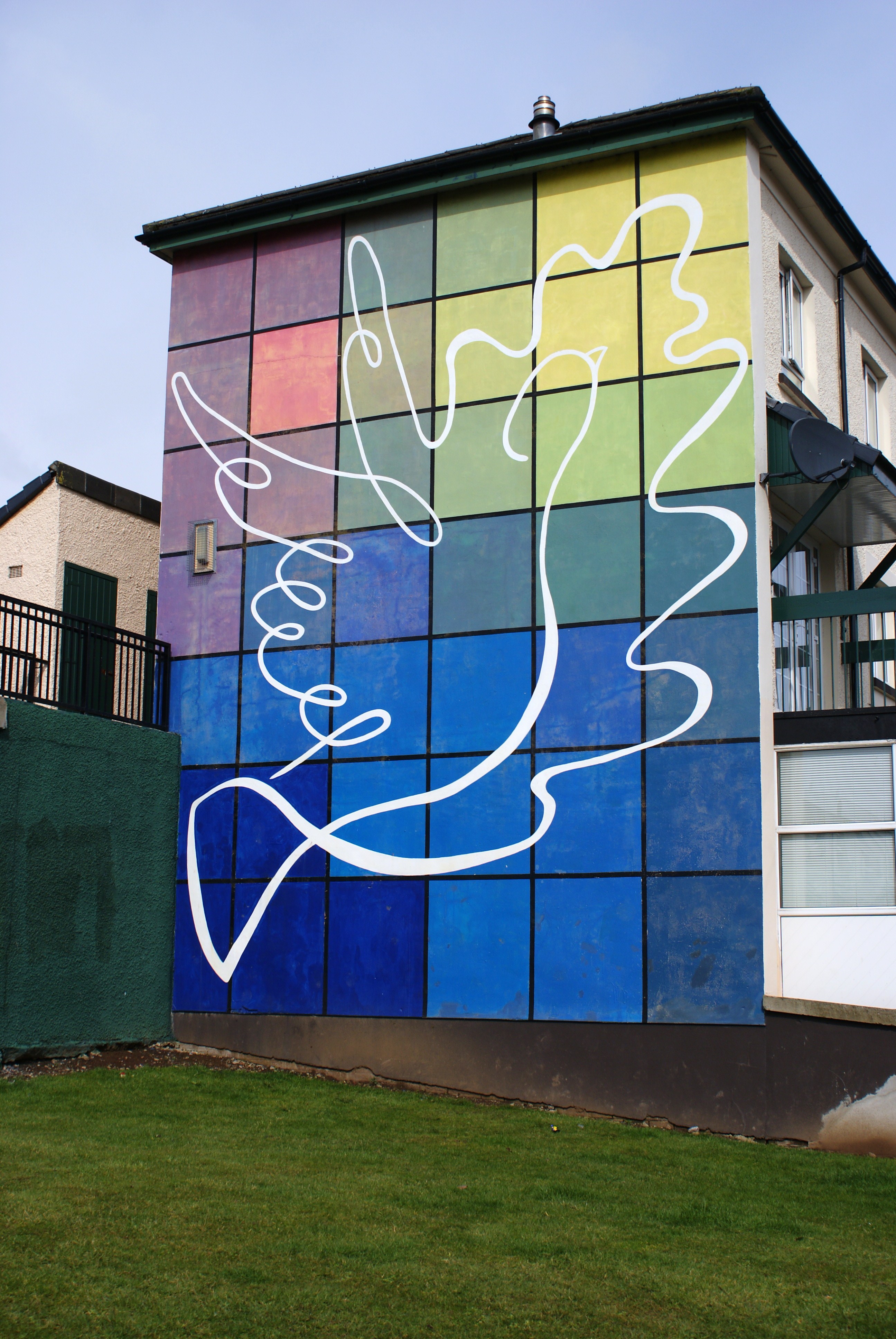
This note pays homage to the Bogside Artists. An interview conducted with them this week to me revealed the real value of genuine work which has never been government funded and is funded by the help of the residents of the Bogside in Derry. Their work has made an invaluable addition to a troubled landscape; marking with paint, things that should never be forgotten and making a place in the city for memory. Their work reveals a sensitivity which cannot be found in the examples of the inanimate object I have found, a life force which means as Bogside Artist, Kevin pointed out, there is no government funding, there is no money poured in, yet they bring some of the biggest tourism to the city of Derry; all the murals are on peoples houses; in an area where graffiti is rife; in their time; the murals have been left untouched; no marks, no scars, just their form. A sign of respect and acknowledgement of their real value; which cannot be counted in pounds.

( This post is a example of strands of interest within my current AHRC research.)

practicing space

•June 2, 2010 • 2 Comments

To consider active perception as a means to fully engage with the nature of space; with no expectation yet a moment of gratitude for the science of being. The role of the viewer to construct a frame work in which to construct a logic or non logic for an occurring action or non action.

“Do not try to become anything.
Do not make yourself into anything.
Do not be a mediator.
Do not become enlightened.
When you sit, let it be.
What you walk, let it be.
Grasp at nothing.
Resist nothing.”
(Ajhan Chah)

Suspension of all activity; pause from life; momentary death; deprivation of all life and sensation as a search for a non existent void which cannot exist within life force. A pulse which gathers force and will not allow such sensation to exist. Admit defeat from such quest and allow action.

A slow walk that allows the body to become accustomed to space. The sensation of air touching every surface of the body. A motion of weight and certainty as to wear it falls and rises, the sensation of texture of the surface of which the foot encroaches. A determination in stride; a focus both internal and external that allows rhythm to be noted and forgotten, the memory of the last step does not consume.

The body is used by the performer as tool to highlight and explore the landscape; curating the form and emotion of the land through the diversity of the body. This performance explores notions and contexts the body become a mirror and a reflection of the landscape of the environment to espouse notions of the emotional and psychological impact of landscape of the body both internal and external. This performance seeks to cultivate the conditions for the audience to encounter a form of experience that defies classification or explanation of human behavioural form; an encounter with a new mode of perception that allows a lightness and new sensibility to the existence of the body in space and time.

A memory:

I stood. Still on a hill top. The wind consumes my body. It took it and allowed it to rest. I stood for what seemed like years; willing the wind the hold me still. A gaze cast to the sea, feet cemented in the heather field. I watched. The land form took passages of flight; the sand dunes erupted in imminent storms; a passage only of stillness


With special thanks to Benjamin Bailey and Seng Jariangroj

This project is a part of my practice based research improvisation for an upcoming site performance at Dartington College of Arts final festival.
June 16th to 22nd 2010

leaving location

•May 28, 2010 • Leave a Comment

The scene can be simple

Take a walk

Any walk

Leave your location and walk to another

With no purpose than to arrive to another.

Walking with no agenda other than to notice your environment and to arrive at another destination.

With each step to arrive with a motion of progress and to arrive with thought to another

To reveal momentarily in the void; the space yet to be filled by a sentiment.

The body held in space; in a space to imagine freedom from constraint briefly.

With no force to consume / consider / decide or revoke; the body exists in its living breathing form; touched by wind, by snow, by ice, it can stand. Breathing slowly the air which it needs to continue to stand.

The body can be seen from a far; still, motionless and violently swayed by the wrath of turbulence which sees the air part softly from murmuring lips.

In a cataclysm of events; in a siege of uncertainty; the body can be still. Holding with elegiac grace the knowledge of action; yet still in the quest for a future of lament.

Is that the wind?

Murmur soft embrace with the temperament of the knowledge of a body which in the moment of such perception could exist with no politics, no necessity and no need to move.

Such station cannot be held. The need to continue, to build, to consume, to move from one place to another, to exist in society in the fashion which they chose.

to consider briefly the body as non apparatus, to perceive the body in its heaving mounds of flesh as a non entity. The body which can be removed from society to exist in such void to necessitate a call to pause which holds in suspense the complex cycles of reality which we notate in order to form some impression of the sociology of our everyday lives.

To remove the body from the contract of social interaction or withdrawal; to subjectively facilitate the suspense of disbelief.

Like barnacle to boat, the ship wreck rests.

to shop, to eat, to pay tax, to clean the floor, to read, to write, to try to understand; to catch the body mid flow in a finite cycle of repetition and to enforce some sentiment of reflection of purpose; before the next train will depart; labouring heavy over the tracks designed for maximum speed and efficiency to lead us to somewhere else.

Our becoming ends in depletion; scattered fragments of conversation and dog eared note books are what we leave in attempt to construct legacy.

To return to the next destination

the woman is in white.
she reappears again
the same as now
her palace is this shed
did she used to be the queen

she cannot remember to forget.
she used to smile
then the muscles disintegrated
with the floor
she used to love

then the heart left
now she is a walking frame
the things one chooses to look from
she used to dance
elegance in her fingers
now sprout green

construct

•April 17, 2010 • 1 Comment

How can we align to definitions of urban encounter?

In the realm of the temporary, resonance can be a personal endeavor

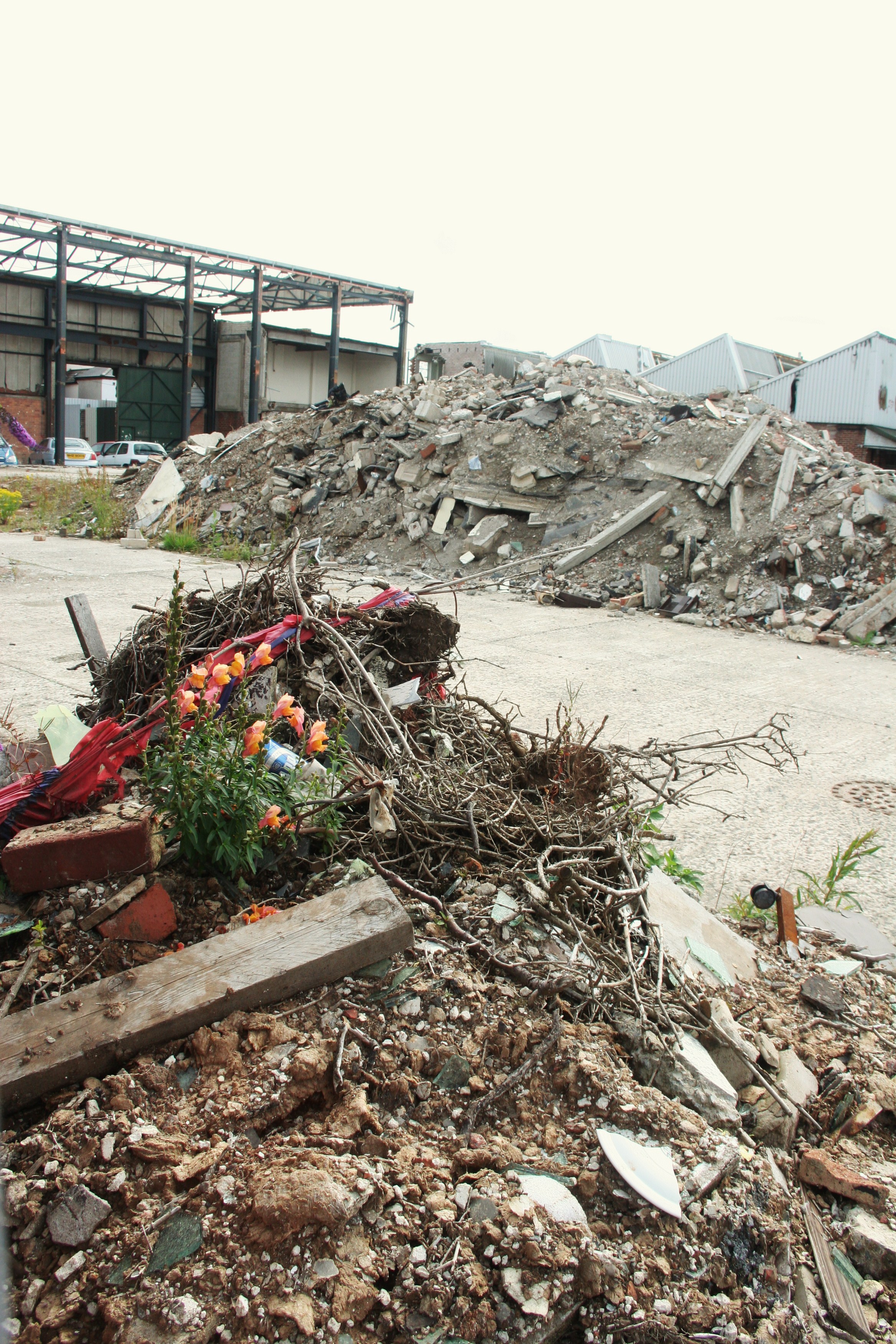
mapping the city as it falls to ruins

to reconstruct

to continually cycle the monuments

for the perpetual cycle to repeat

a slow archeology

An ode to memory

•March 27, 2010 • Leave a Comment

to a walk taken perhaps unwittingly on a quiet afternoon

An ode to unknown softness

To the curious eye which sweeps me towards the unknown

To the stranger who became friend

To a day when we should have gone to separate parts of the same city.

To the shadow which chased my camera through steep passages towards a comprehension.

There are thoughts which lead only to the lane of nostalgia, to entertain memory on a quiet afternoon.

A softness brushes past the city where now divided the game has been lost.

To the ruins of purity, to the decline of idealism; she planted the spring bulbs in vague hope.

A quietness that comes in the early hours; thoughts that have no place but rest recycled when appropriate.

A stagnant voice repeats his grievances. Tone denounced informal. Exit stage.

A softness between seas. A hapless feature labelled ‘potential.’

To become? To fall? To wait?

The dandelion carries my wish silently

Towards such departure, becoming soothed by the impression of comfort.

We walk a little faster. Lest we should forget.

lest we should forget

The fruits of urban progress

•March 9, 2010 • Leave a Comment

The city cannot contain more than we allow it to. Projecting tired metaphors, the apparatus of history, the post colonial accident which we admit no blame for. The city which we fill with accidents of the post modern, endlessly repeating the same tired charade. The accidents which we name progress to effortlessly allow us to move slowly to visions of certain futures lamented. The city watched, but not observed, catered for our every need but not understood. Named but the identity undisclosed.

The disasters which we name as success, the detriments which we labour as fruits of progress. The spectacle of progress played to thumping bass music in dark dirty basements as the bankers spend their daily bonuses on cheap caviar. “ they don’t know Ireland” says the man on the radio, “ he should rot in prison” “ they are never going to stand again” The news plays as a quiet background to the softness of daily routines, a subtle numbing to the extremity of a daily life beyond our comprehension. Best not to worry. Best to switch the station as destruction is played on repeat.

Let us rush to the bargain store to fill plastic sacks with cheap thrills to conceal the bulges of a fried food nation. Let us get in a taxi so we can avoid the crowd, capsular in our pathways. The nation of progress. The Island of absurdity.

The cycles of the city can be seen in the litter cycles, in the endless metaphors of our rubbish which fill the street to be taken away from the city to build new mountains with our discarded piles of sincerity. This is a consumption society, laden with purchase satisfaction. We shop, we feel better, the credit companies can only help our every need. The cycles of the absurd.

The spectacle of our lives acted out in bitter lament

•March 6, 2010 • Leave a Comment

‘The everyday is always unrealized in its very actualization which no event, however important or however insignificant, can ever produce. Nothing happens, this is the everyday.’ (Blanchot. M. ( 1962) Everyday Speech.)

The city in ruination. The land in use. The land in turbulence of the performance of everyday life. The city falls into the chaos of order, the structure of form.

A journey from sea to land, from city to open space, the sensation touching lightly towards notions of beauty leaves me remorseful for my distain. The life which I keep on film seems distant from the steam on the bus windows.

The city cannot conceal its past. In silent screams, pavement lined with the marks of a past removed but not forgotten. The shopping mall has covered their graves. The Primark makes a loss and the shop on the corner must close. Fate. The man on the bench laughs: “Fate”.

The city of ruination, pause and memory. Impressions of grandeur in unholy haunts our notions of sufferance which render the ploy for success useless. The land of no return for the plastic trees and where milk bottles are high value investment.

There is a silence. There are silences. Those which we hear in the early hours sat alone in the dark, those which are heard in the hills. There can be no silence I reminded. Just as Highmore highlights, there can be no empty space. The spaces we perceive as dormant made alive by the plethora of sensations we can only choose to be privy too. Such sensations allow the mundane to flourish as spectacle unsung. Mourning our loss of perception.

The bird has been in the tree for 2 hours and 34 minutes. A lady with straw blonde hair echoes as she parades the space, sun light dabbling her step and highlighting the cracks on her face. “ We need the heavy weights” “ Yea he was brilliant” “No not that not today” A feast of caffeine to heighten sensation. The footsteps pass. Another arrives.

So what of these notations, these formulas, these passages, an archive of banality, a record of seemingly meaningless artifacts. Whose spectacle do we curate. To share such musings of potential, to invite such celebration of the silent absurd. To develop a soft compassion for the sense of uniformity which guides us swiftly to understanding. The apparatus of intensity to allow guidance through the quotidian.  

The spectacle of our lives acted out painfully with all the lines spoken to fast, all the actions too slow. The actor collapses in sorrow perplexed by the nature his task. The silence is preferred so as not to lament such failings. The life continues, frail on the stage, doomed to the sufferance of misunderstanding. The seats in the theater fill and empty, clattering voices speak of the show. “He was wonderful” “ so realistic” “ I really thought it was really him” the actor sits still, now free from the character and sighs. Long, slow, bitter. He begins again to play himself and takes the 436 home.

distant strangers entwine

•February 13, 2010 • Leave a Comment


The city becomes tempestuous. Silent rage. Bodies hoard spaces, spaces consume bodies. There can be no silence. The city at night becomes a form of nostalgia for the remorse of the day. The overtones of the mornings impressions lay between dusty sheets. A name of indecision as to how the night will consume and be consumed. The urge to leave the day behind to rush to a new destination, as home, as tourist, as stranger, as lover, as loved.

The city can perhaps notate the cartographies of suburban departure through the patterns and impressions of objects and litters left in the wake of the tempest. Loitering for the escape and silent in their haste such strangers move effortlessly to goals set by elevator speeds, by escalators and bus times.

The nocturnal urban walker strides through pastures, round block, through walls and past through the hedgerows, trying to get to open space. The walker assumes pace equal to the tones which define the faint hum of dormant thoroughfare. The city remains uneasy, still bruised and aching from the assault of the last train passengers seeking to leave the labyrinth.

 Once left, such maze transforms, mobilising forms of departure of a new breed, folk wake, rubbing their eyes to the vulgarity of the street lights, brushing teeth in freezing water. Some chose to rise with the moon, some tred heavy at such burden.

The city takes flight on wings of uncertain desires and lusts, ebbs and flows which meander such unitary paths.

 At night the city reveals a sorrow. A mourning and loss. Moments of poignancy divulge in murmurs. Those who are not consumed with such speed are paused to see grief and loss which the night takes care and grace to expose in the dulcet tones of the blinking street light.

 
Design a site like this with WordPress.com
Get started