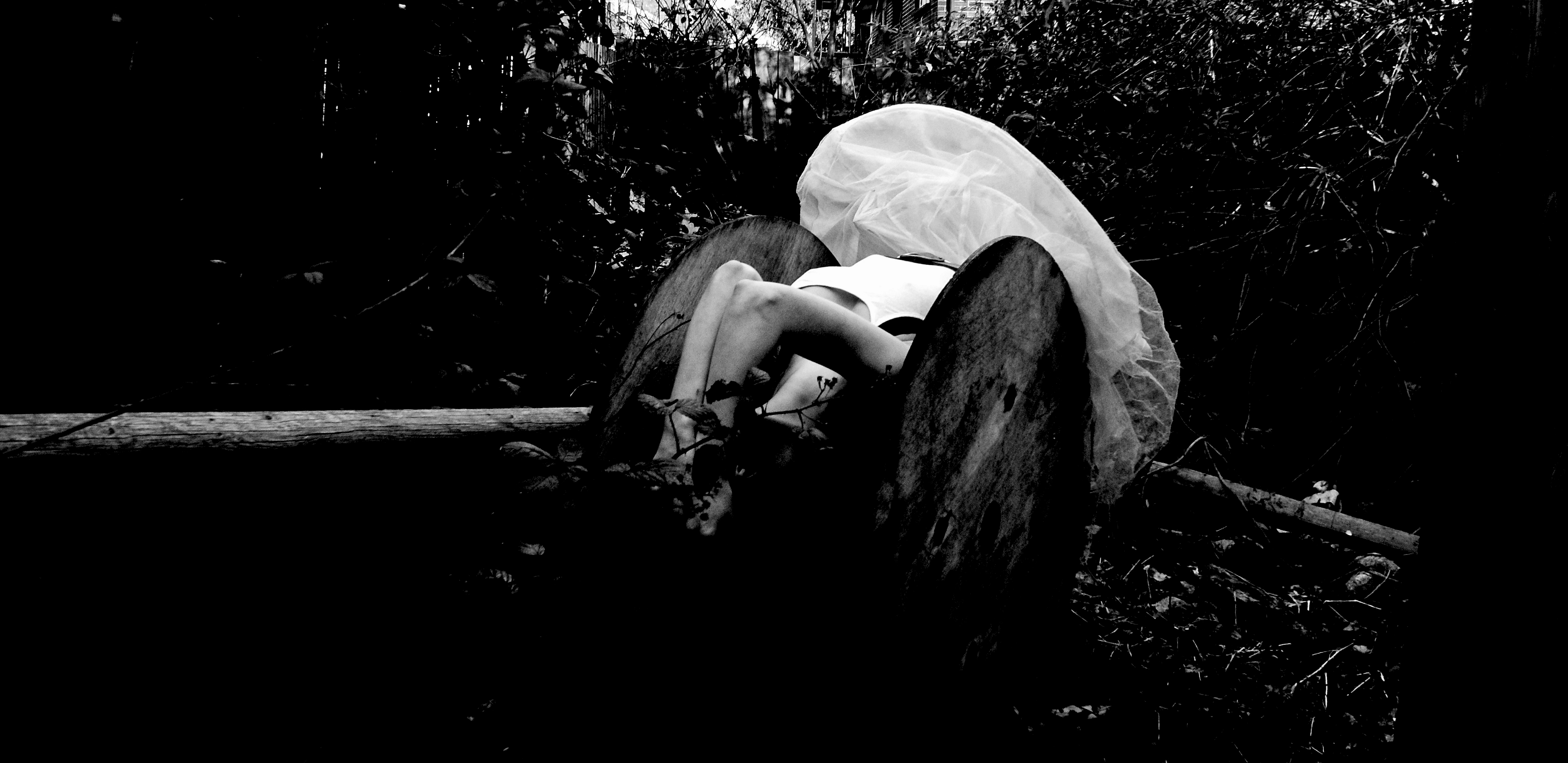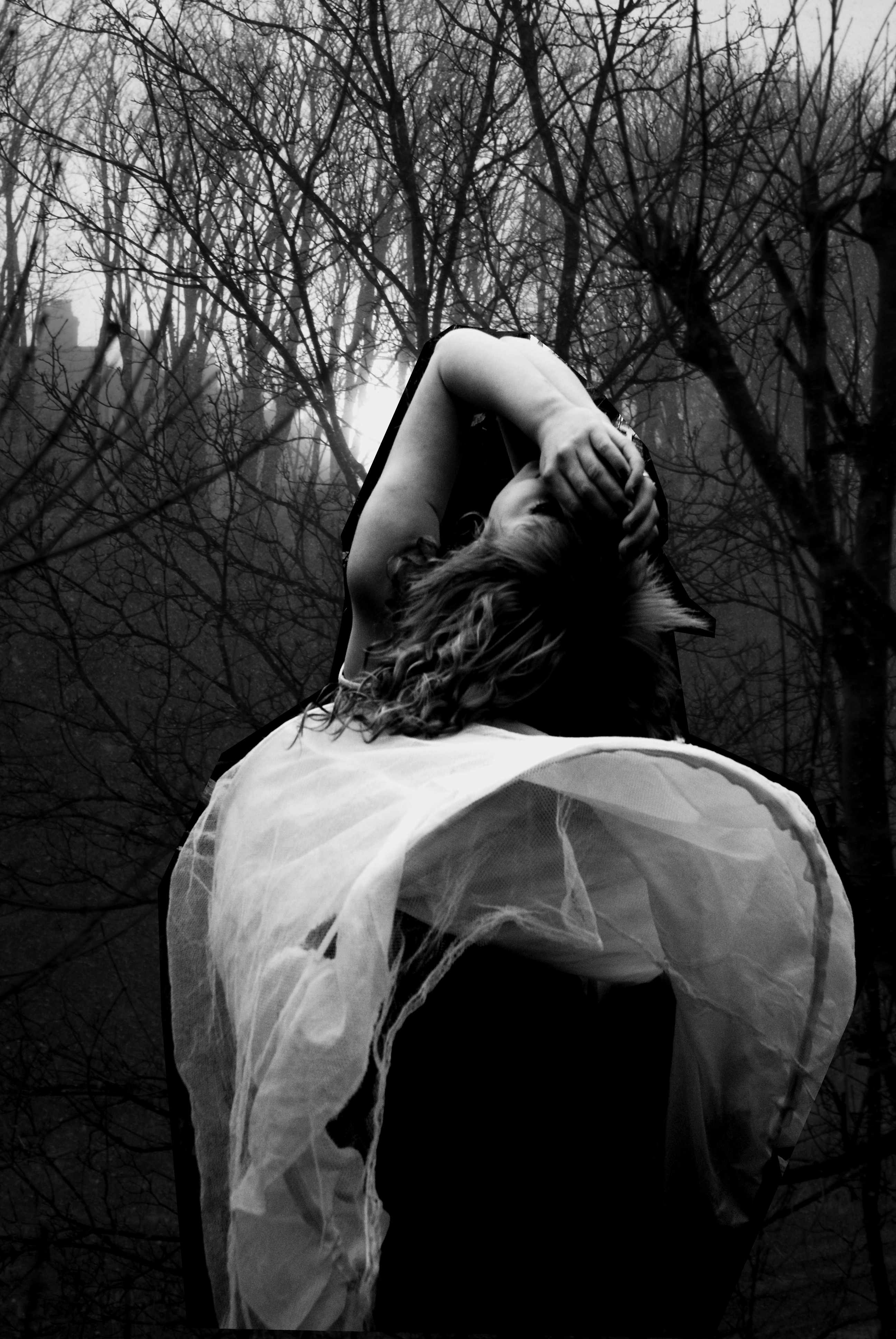
the self as revealed through movements and words

•May 21, 2011 • Leave a Comment

The experience of the moving body,

Softly softly as it graces an awareness. The hand that reaches the mouth. The leg that moves sliding along the cold floor.

The stage function as a conduit; where the embodied self can appear and conceal itself. To whose direction becomes apparent; the dancer in free expression; a unity of body, mind and self unfolds effortlessly into the light; but when another leads, guides expression, the self cannot disappear, adapt, perhaps, evolve, perhaps, but always remains the self in stance on the stage.

The Presentation of Self; (Goffman) keeps appearing in my mind. In dance classes; where the body is ‘free’ to express; certain questions constantly re-emerge;

How far does my body communicate my history?
• How far does codified movement training distort authenticate movement practices?
• How far do the subtle nuances of my life world appear in the folds of flesh and solid bone which make up my physical self.

In this sense; the moving body becomes a portrait; a constantly emerging complex tapestry which engulfs and encapsulates the very essence of our lived experience. How I touch and how I am touched by another becomes something more than instantaneous; rather it becomes a conclusion to a further complex series of choices, patterns and routines which we have previously experienced; digested and understood as some form of knowledge.

The body holds experience; in a harsh light as tension, in a softness of collapse. As my body lays on the floor, moving only slightly; folding, writhing, uncurling, I watch it with my mind; a confusion of exhaustion and relaxation in an endless duet, I try to remember where I learnt such complexities from where I was able to consider certain articulations possible. I enjoy denying the mind a place in this duet; forcing it to a void; and indulging myself in the limitless potential of the authenticate as it emerges and subsides.


How far can the moving body become a dynamic reflection as to the entirety of a life world?
I find myself frustrated with this assumption; each movement piece being only a reflective of a portrait of a particular and selective reality of time, space and place experience; just as photograph can only capture one frame in time and place; I wonder how in some way; the moving body also alludes as such;

‘The camera can only photograph a series of disparate elements,
details which hint at a larger unity but remain as fragments of an indefinable process. The city as such remains oblivious and impervious to the photographer’s attempts to ‘capture’ it in visual terms ’Clarke. G. (1997) The photograph. Oxford. Oxford University Press.

How far a city allows the individual to collect and generate narrative without being influenced by a constant schema of interaction with others; hence perhaps this means that that an original narrative becomes impossible.

Durkheim’s codes and patterns of society infiltrate interaction and responses; ‘When I fulfill my duties as a brother, husband or citizen… I perform duties which are defined, externally to myself and my acts in law and custom. Even if they conform to my own sentiments and I feel their relative subjectivity, such reality is still objective for I did not create them’ Durkheim. E (1938) The Rules of Sociological Method. USA. University of Chicago. P1 He notes ‘A thought which we find in every individual consciousness, a movement repeated by all individuals, is not thereby social fact.’ That patterns and similarities can be ascertained does not generate a method of substantial critique.

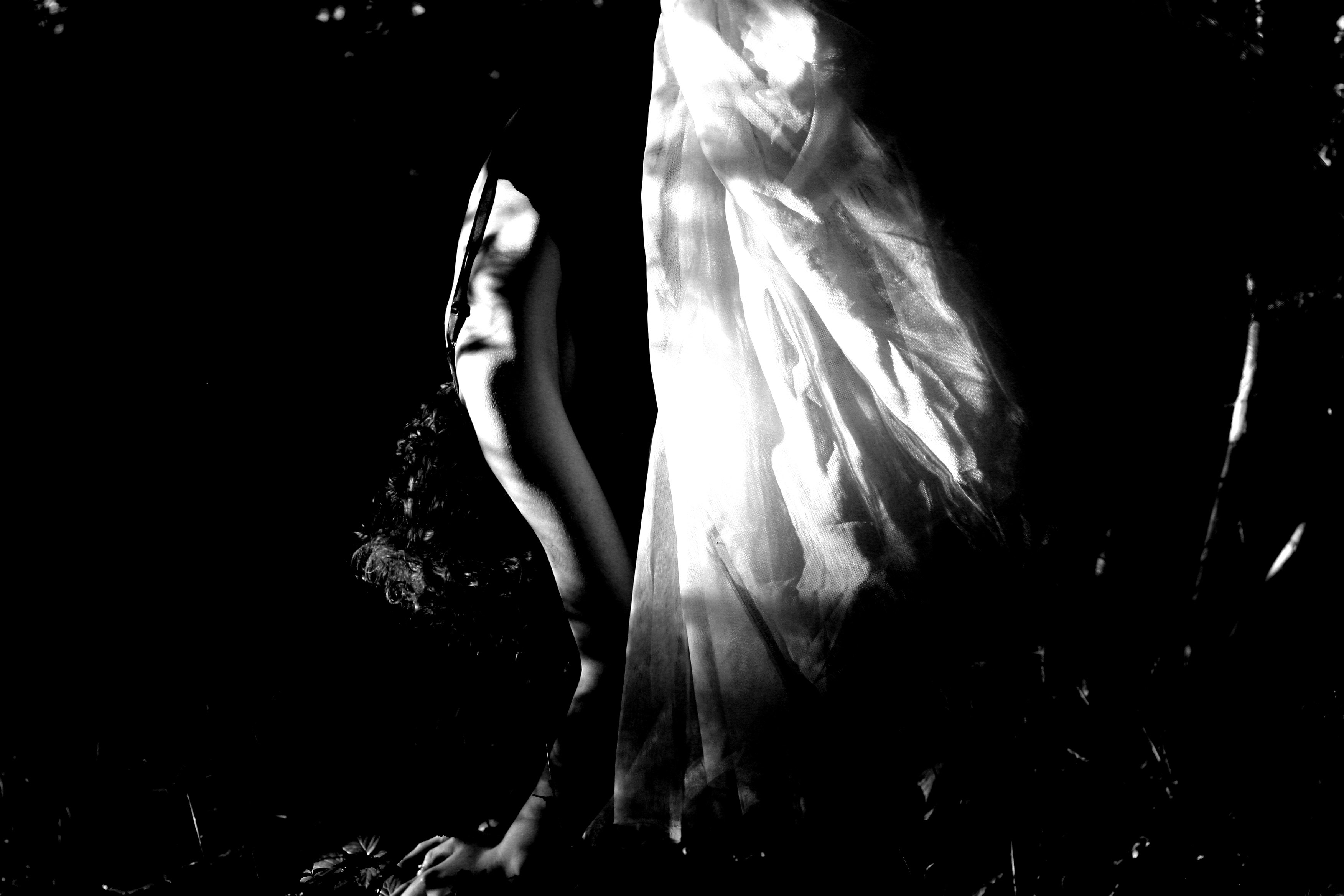
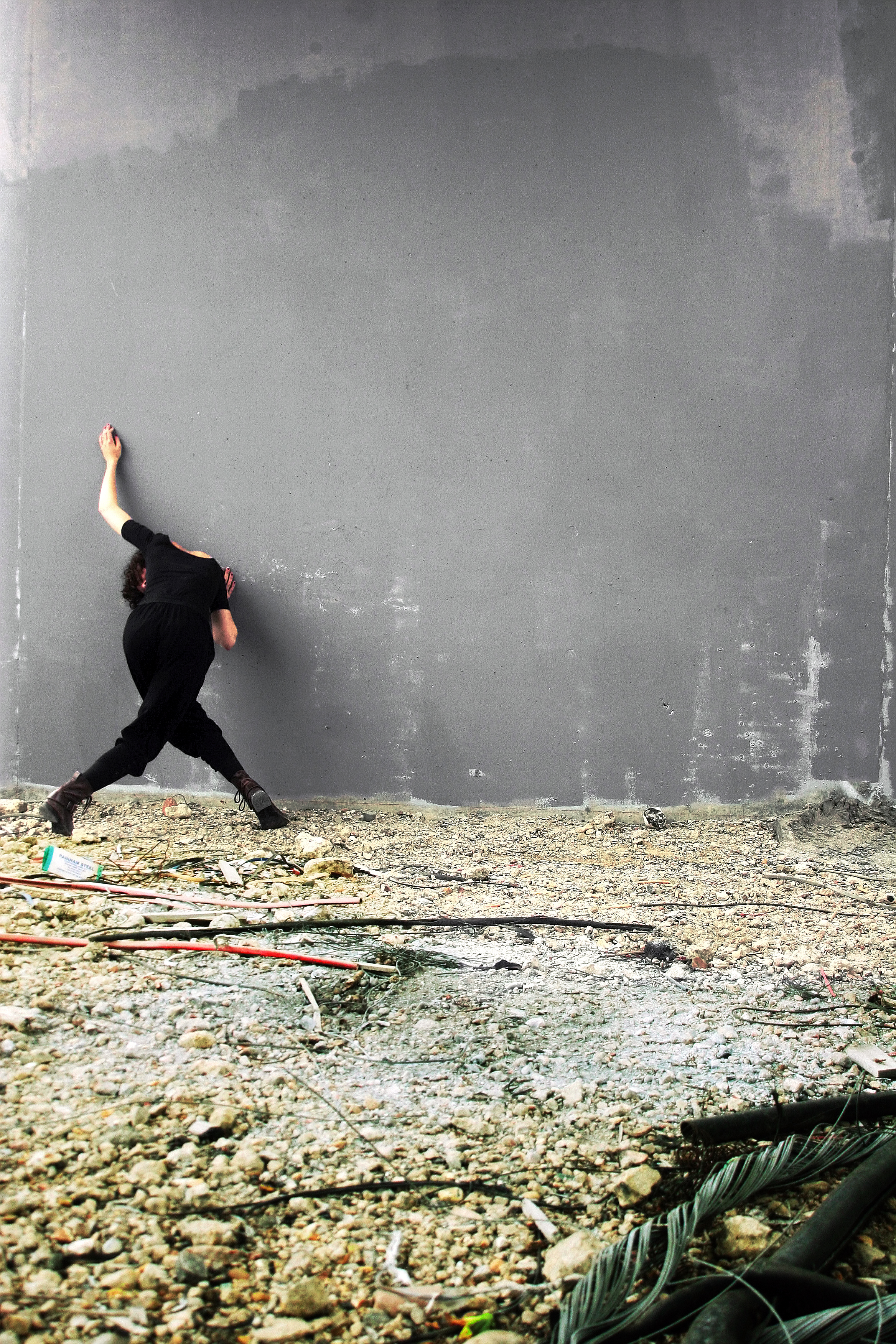
The body; under a light; performs. So complex in its inversions and experiences; holding us so lightly, so firmly; it performs itself and yourself and myself in a bliss web. Endless and unforgiving.
The body performs definition

•April 9, 2011 • Leave a Comment

The body | the spaces I fear in-between embodiment

The body; as it sits; as it stands; adjusts; readjusts. Minute articulations, statements of self and autobiographies which we reflect. The body; as container and plethora of events; detailed and articulate. The body as sensitive plane; data storage of the language of events from which the mind articulates certain detail and informalities.

What then is the performing body?

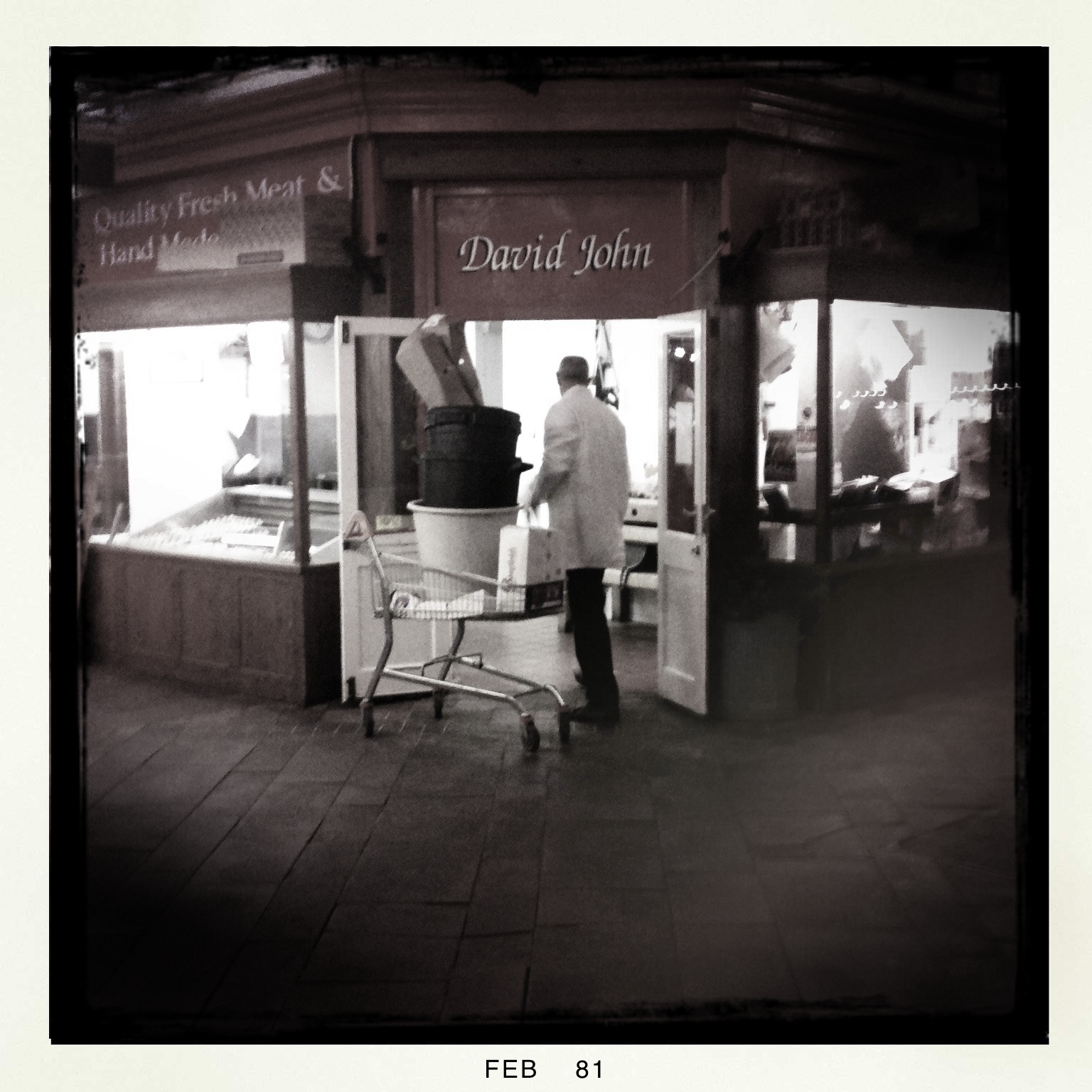
The body on a stage; in a landscape; in the supermarket. The performance of performance or the performance of everyday life. What movements are seen as ‘worth watching’; the moments in the supermarket when performance seems a game to a new perspective;

My finger clicks
I adjust my ribs at the desk
Elongate my back
Arch my spine
Uncross my legs
The sole of my feet now flat to the stone
And breath
Constant deep inhale
Filling my rib cage
It makes a sound; deep and unsettling to a passer by

When in class; I lay on the floor; I roll softly over a strangers body; get hurled into the air by another; my sack of skin malleable; content in these exchanges. On the bus I am unnerved by a man who sits to close. Situational control and manipulation of social conduct. In the flexible spaces of studio I can be contented in such immersion; at a desk; in the rise of the ‘organisational man’ the body becomes tool; weapon; at times defenceless at times potent symbol.

Walking in the wild; I can play; sometimes a dancer, sometimes a walker; sometimes a thinker; all these states played out by my arrangement of bones and muscles and expression.

The body on stage; alert; ready to execute series of motions and arrangements which we call dance and which we allow to form a specific cultural genre; but when can this end? When does the dancer stop dancing? The argument of definitions, semantics and the ability to deconstruct words is endless; but can it exist thus a personal decision? A personal formation; a social construction of personal movement reality; my desk becomes stage; the stage becomes desk; does this work if the man sat beside me has not caught up with my shifts in definition.

I sit
Ribs contract
Tail expand
Feet flat
Entwined in an argument with semantics.

the landscape of performance

•February 26, 2011 • Leave a Comment

why we persist in these terrains remains secret.

The artist and the box.

The solid black box.

Where dreams and encounters can become the source of new objects, movements and apparitions.

To make performance, to choreograph is perhaps to form a logic to the system and construction which the body experiences. The experience of place which site specific performance may allow can present a dynamic reinterpretation of location which allows both the performer and the audience to re-calibrate their relationship to the sensitivity of landscape. Performance can act as a social and spatial filter, systematically crafting the conditions in which the choreographer wishes their conceptions of site. In this sense the site specific choreographer becomes a social facillator, creating and crafting specific conditions by which an audience can experience or re-experience the site in question.

The experience of making and watching, enacting and receiving are all quite different affairs, seeking in some way some form of entanglement.

 Scrutinising vague commentaries which are notoriously rife as to the ambitious aims of site specific performance to ‘activate’ a site for an audience, one is able to explore explores and critiques both their own practice and extends this commentary to a more theoretical level to create a framework for a specific practice based research methodology which contains key components for direct methods which allow both the audience and performer to become actively engaged in both the context and presence with performance venues, how does performance activate a landscape and how far does performance become activated by landscape? How far is this relationship mutually exclusive and to what extend can these relationship be blurred and re-formed to create different schemes of intentionality.

How far dance can become a valid and logical system for the investigation of various sites in our environment, as perhaps outside of choreographic contexts the dissemination of place and its various strata’s of activity remain too complex for the dancers body to encapsulate in any form of totality; yet one can argue the living, thinking, perceptive body has the ability to narrate the site by means of engaged critical discourse;

How far can a performance subvert or alter the experience and reality of the fabric of a site? As a site performance begins to ‘overtake’ a site and infiltrate the daily realities of its existence; how far does the space and adapt and change to this intervention?

How far it is possible for dance as spatial medium and embodied form of expression of the experience of space to transmit received and gathered information as to the context and history of a site to an audience. The reliance on the body in this process becomes seminal, in order to create a performance experience for an audience which strives to facillate the heightened understanding of a site, the dancer must be confident in their body’s ability to act a viable social transmitter. In this context, the actions and capabilities of the body run in tandem to the perception of site specific performance to create a spatial and psychological experience of space which will allow, for them, to revisit their preconceptions of the space.

towards a new politics of hope | performance and the art of daily consequences.

•February 19, 2011 • 1 Comment

<

How does the experience of daily life manifest through creative practice? What role can the re-presentation of quotidian experience play in the understanding of the texture of daily life within wider socio-political frameworks? How far does verbal communication and the specific semiotic reflections of experience limit communication of daily lived experience? How far can daily life function as stimulus, archive and catalyst for social sciences, creative and humanitarian based practices; and to what extent does the dialectal relationship between researcher and their daily lived experience allow a subjective or objective frame to form around the quotidian?

There comes a point when reviewing and reflecting becomes necessity, the action of doing can no longer be suspended by simple force of the reaction of opposing forces and moments need to be taken in action of pause. Then quickly perhaps to practice based action?

The art of research, no longer forms dialogs on within the notions of silent ivory towers, the art of the everyday, the spectacular framing of the quotidian as spectacular and the articulation of multiple and conflicting life worlds in mutual co-existence of time and space allows research to take root. Research cannot exist without this dialectal relationship, such strength can be taken from standing in the shopping centre at Elephant and Castle for 3 hours notating how people ‘actually use’ space. In this frame research then becomes a living breathing entity which we can only truly comprehend through sustained observation and interaction. This city in this research paradigm is a notion we can have to permeate through our senses; perhaps as creative or artistic researches, such permeation takes a practice based out put, in order to communicate our experiences of landscape and the experiences of the body in time and space; what needs to occur? The sonic artist walks the street with microphone to every rustle, every murmur, hours of field recording reflected then into a three minute sound scape, that another will then listen to and perhaps begin an understanding of another’s experience of reality.

But then what does mean ‘the arts’ are? A social facilitation of the understanding and re-representation of another’s life world, and lets for the sake of optimism assume ‘the artists’ has successfully framed their experience of the quotidian in such a way that others can glimpse briefly something which they may allow to be ‘an understanding’ then what value does this social exchange create.

The buzz words’ ‘Knowledge economy’ the power of creative exchange’ ‘knowledge transfer’ These are phrases which litter the research and social funding strata’s as ornamental confetti and on what grounds? Can ‘knowledge economy’ become subject of qualitative analysis; can the social expectation of communication of such multiples life worlds be grasped as objectifiable in any way? Such questions plague arts research as its clashes monumentally with the social objectives politics now places over the arts social project and facilitation and community cohesion; or at the other end of the spectrum how far can the arts as assume a passive political stance of ornamentation; presenting glorious schemas of aesthetics which allow us to perhaps pause from the daily toil and exhaustion that the fiscal world may hold us in.

But all of these avenues are value led; even in a the placid aesthetes; value ends up defined within concepts of escapism. Poltical led activism on the border land as Billinger suggests, site specific choreography which allows us to finally ‘see’ the position on the body in space and time and its documentations which allow us, if not present on site conception, to draw some sense of its potential landscape activation tool, the beautiful glass swan that allows us to see the beauty and skill of craftsmanship.. there are lists running through my mind of the functional, the social, the political, the beautiful works, objects and concepts, all which act as filters or frames in some way for the communication of the experience of reality.

These are not signs of activation, change and shift in all cases; many works are not attempting radical political re-conditioning but those who do, I am beginning to feel such an empathy with. When Susan Leigh Foster speaks of ‘Choreographing Empathy’ there rings a note of duty with creative practice; what can the arts ‘do’ and this has to extend wider than a group of artists sat in a gallery talking about changing the world ( excuse the sincism) this maybe where action is conceived, but this cannot become the sole punctum, conversation cannot become a façade for action; what occurs in the safety of pristine white walls can extend to a reality which exists at the bus stop.

Not all creative practice or arts practice is social and not all practice seeks to motivate or inform some altered state of sociological awareness, but creative practionners cannot become divorced from the life world which they frequent. The art of creative practice can be framed in some way as a generative archive of the lived experience of time and space; such an archive can then attribute whatever schema of public value it may inspire; the death of the author ( Barthes) is a concept which needs to be perhaps re-raised in the context that practice now is a social output; be it a tag on a wall, an object in a gallery, a performance in a derelict building and even the daily photograph we generate as records, reminders and abstracts of visual phenomenon of daily life. Often these objects and experiences are context specific as to their communicable success and their social placement as works and objects determine the fiscal and social success of the maker/artist and wider political success of the works equally as determinable as to the manner in which the maker/artist is engaged with their own social context

Perhaps all this article only seeks to throw a stone in a rocky sea, there are murmurs in quiet places which excite, there are people in distant lands whose voices are echoing louder and louder, expression and creativity are at a stage once more where their content has once again a social prowess yet in isolation these voices are anxious, unsure, mainly on the dole, anxious of eviction, yet in their mass these voices perhaps are the ‘new politics’ in their vision and individual determinism form something which might be conceived as hope. And I hope soon this hope will shine brightly.

memory | invention of memory | the mind of the body | hope

•February 2, 2011 • Leave a Comment

‘ A body whether sitting writing or standing thinking or walking talking or running screaming is a bodily writing. Its habits, stances, gestures and demonstrations, every action of its various regions areas and parts all emerge out of cultural practices, verbal or not, which construct corporeal meaning. Each of the body’s moves, as with all writings, traces the physical fact of movement and also an array of references to conceptual entities and events. Constructed from endless and repeated encounters with other bodies, each body’s writing maintains a non-natural relation between its physicality and referentially . Each body establishes this relation between physicality and meaning in concert with physical actions and verbal descriptions of bodies that move alongside it. Not only the relationship between physicality and conceptual non natural, it is also impermanent. It mutates, transforms, reinstates with each new encounter.’ Leigh Foster. S ( 1995)
The body as it stands, a living monument, shedding skin, heaving flesh, watering eye , it breathes a history, silent, an inferno.

The body as it rests takes the from of the imprint of the space in which it lingers.

“Hold me” “ Touch me” “ Carry me”

An encounter, momentary, on the train reminds the lady of her skin as another brushes it with theirs. Their bodies connected in momentary performance, remembered and stored in an archive ( name unknown)

In the shadows there is a memory of the body, clouded by routine coding and becoming morphs into image of the body unknown.
In the shadows there is noise, fear and outrage. A body in perpetual motion somersaults through the dust, shedding its fear for the expression we have somehow forbid it.
In the shadows the body breathes, loudly and with certainty, each breath filling and expanding every cell.
In the shadows there is such life that cannot be notated, lest we should forget its documentation.

‘ To choreograph history, is then is first to grant that history is made by bodies and then to acknowledge that all those bodies, in moving and in documenting their movements, in learning about past movements, continually conspire together and are conspired against. In the process of committing their actions to history, these past and present bodies transmit a mutually constructed symbiosis. Together they configure a tradition of codes and conventions of bodily signification which allows bodies to represent and communicate with other bodies.’ Leigh Foster. S ( 1995)

In the darkness, I can hear my heart beat, first in my chest then in my stomach. It pounds. Motion which reminds me as to the force of the living body which holds strong. To carry myself through unknown territory, a biped ( ?) perhaps not at times. When I dance, I don’t dance, as dance is a word. It is a feeling which defies the printed word. A sensation of being in space and time, embodied through the veins that pulse.
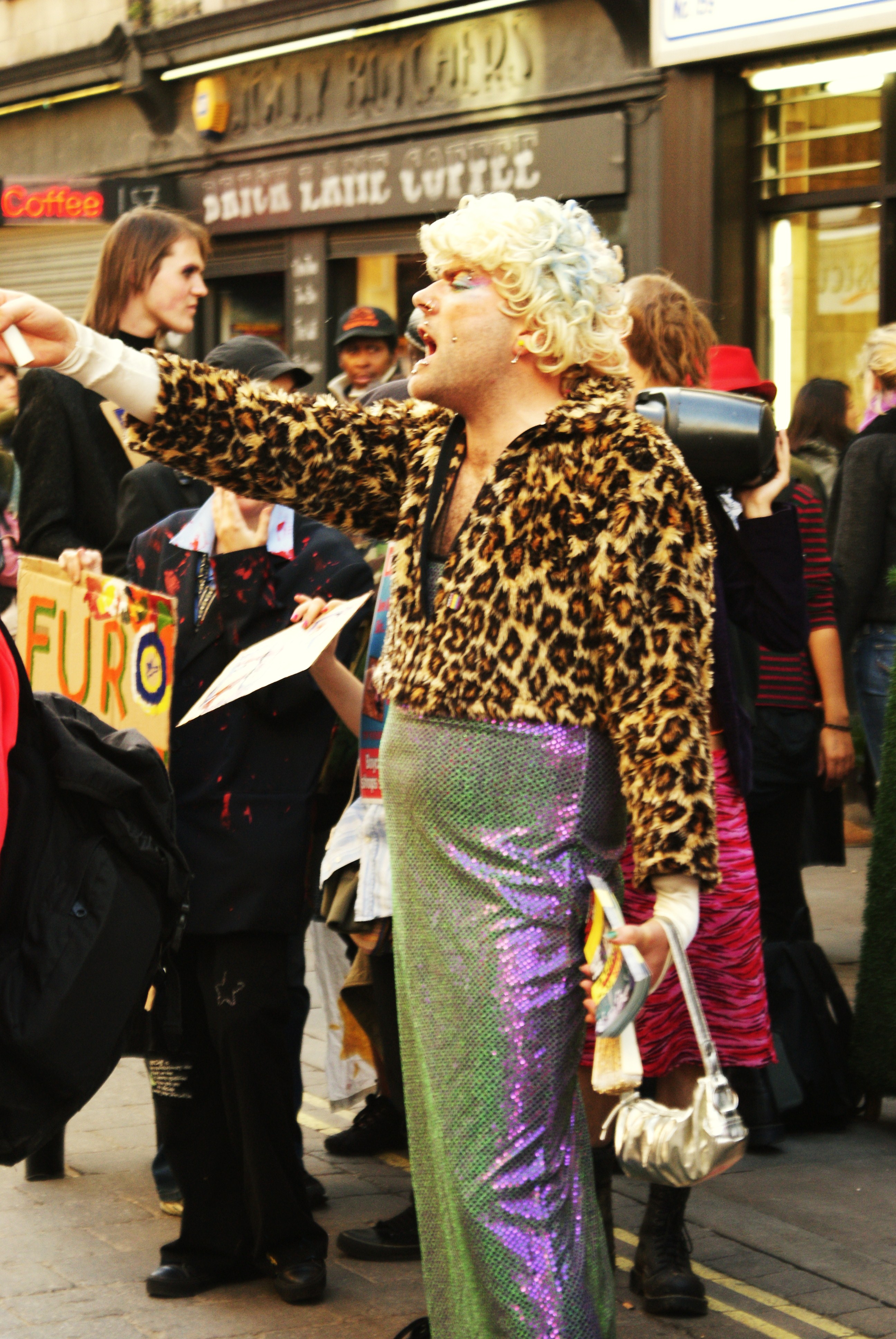
Towards a notion of dancing | moving | sensing | touching | dancing; the body still in endless relentless motion in time and space takes refuge in the medias which consume eagerly its form.

‘The goal of performance installation is, therefore, to uncover spaces of experience and transformations of bodily states that raise questions about physical and mental conditions.’ (Sabine Huschka. “Media-Bodies: Choreography as Intermedial Thinking Through in the Work of William Forsythe.” Dance Research Journal 42.1 (2010))

When the body arrives to space | asking the question | what is purpose?
Perhaps it was asked to dance, to wait, to stand still, to listen
Such commands facilitate a code of movement
It may choose to accept or decline
in acceptance there is subjectivity just as much as in objection
Each body takes a route
A form
A state decided or undecided in its form

‘The dancers fall back upon the knowledge of their technique in order to reorganize themselves into unusual new choreographic structures and operations. Their focus is neither virtuosity nor grace’ (Sabine Huschka. “Media-Bodies: Choreography as Intermedial Thinking Through in the Work of William Forsythe.” Dance Research Journal 42.1 (2010))

‘ To approach the body as capable of generating ideas, as bodily writing, is to approach it as a choreographer might. Dance perhaps more than other body centered endeavor cultivates a body that initiates as well as responds.’ Leigh Foster. S ( 1995)

When the city becomes us, and us, it. A compromise of the humanist contract, a new draughtswoman who counts flesh in stones. We walk the streets protected from its absurdities.

In a world where the population is multiplying by the second, we surround ourselves with ever higher buildings and faster cars which allow us to have less and less contact with the ground and more importantly with each other. It is easy to exist with very little human contact, the internet has enabled virtual extension of the physical public domain, connected the private sphere to all aspects of the outside world. Personal stereos ensure if desired we have no need to even listen to the land scapes we wander through. The ‘glofication’ of the shopping mall has allowed the ‘real city’ to be side lined, hence urban spaces are losing their significance in the community and the notion of community has expanded to the point that it has been lost.

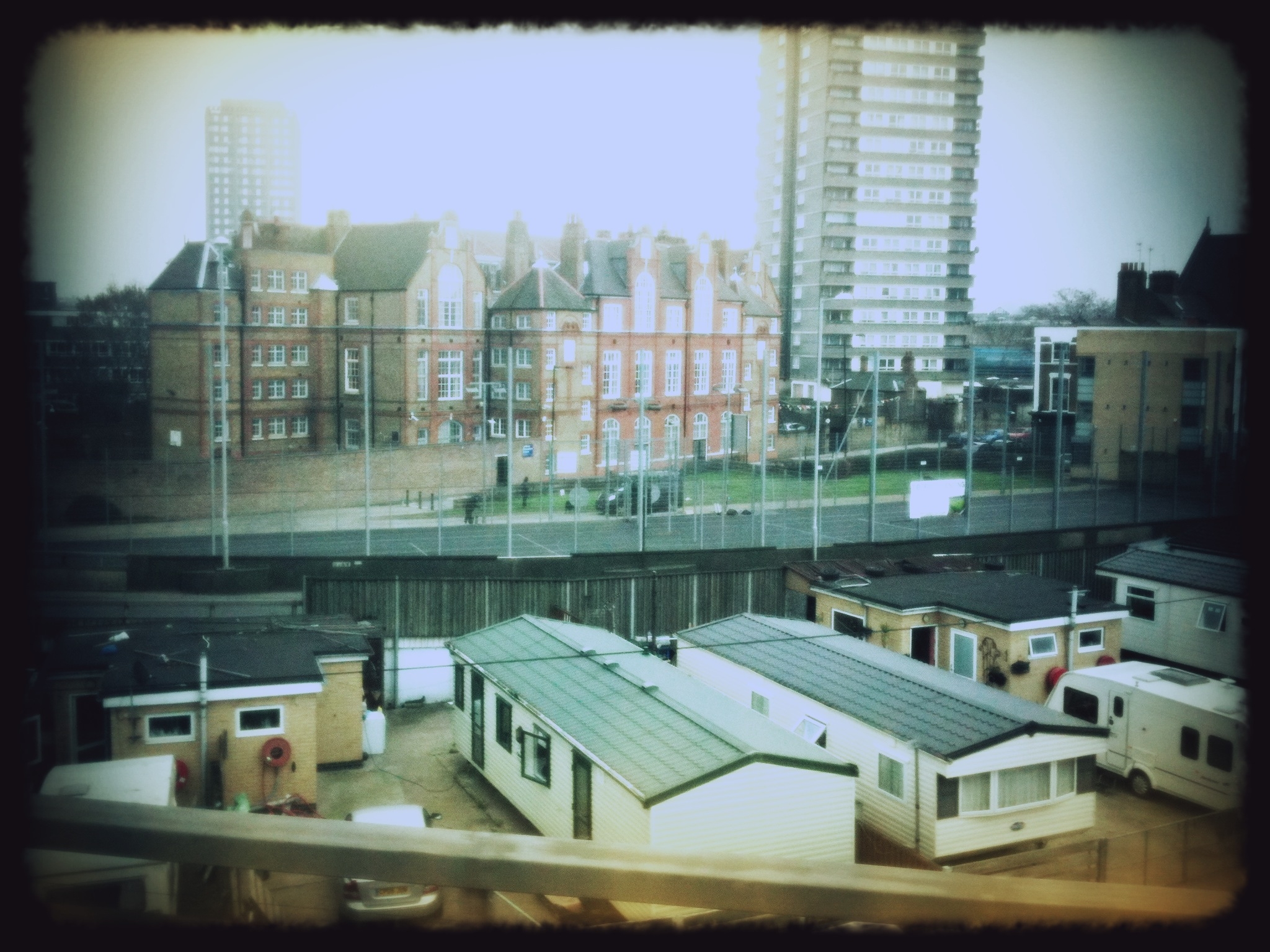
I am fascinated as to the side effects of this gradual change to the definition of a city and the spaces these developments leave behind, the forgotten undeveloped parts which are hidden or ignored in the shadow of hyper urbanity. How do such changes in the urban landscape affect the body, then more widely creative practices which employ the body as vehicle of expression and then more specifically with a direct focus on the changing landscape of choreographic practice and how perhaps such shifts in the urban landscape are being emotionally and physically responded to within the ever growing discipline of site specific choreographic practices

What language can the body speak when we mute our mouths? What temptress is unearthed when we allow our vocal chords a pause? To dance to dawn and say nothing. We live in hope. Still keeping ballet shoes at the door, still stretching, still trying the splits, for fear the body may become silent.

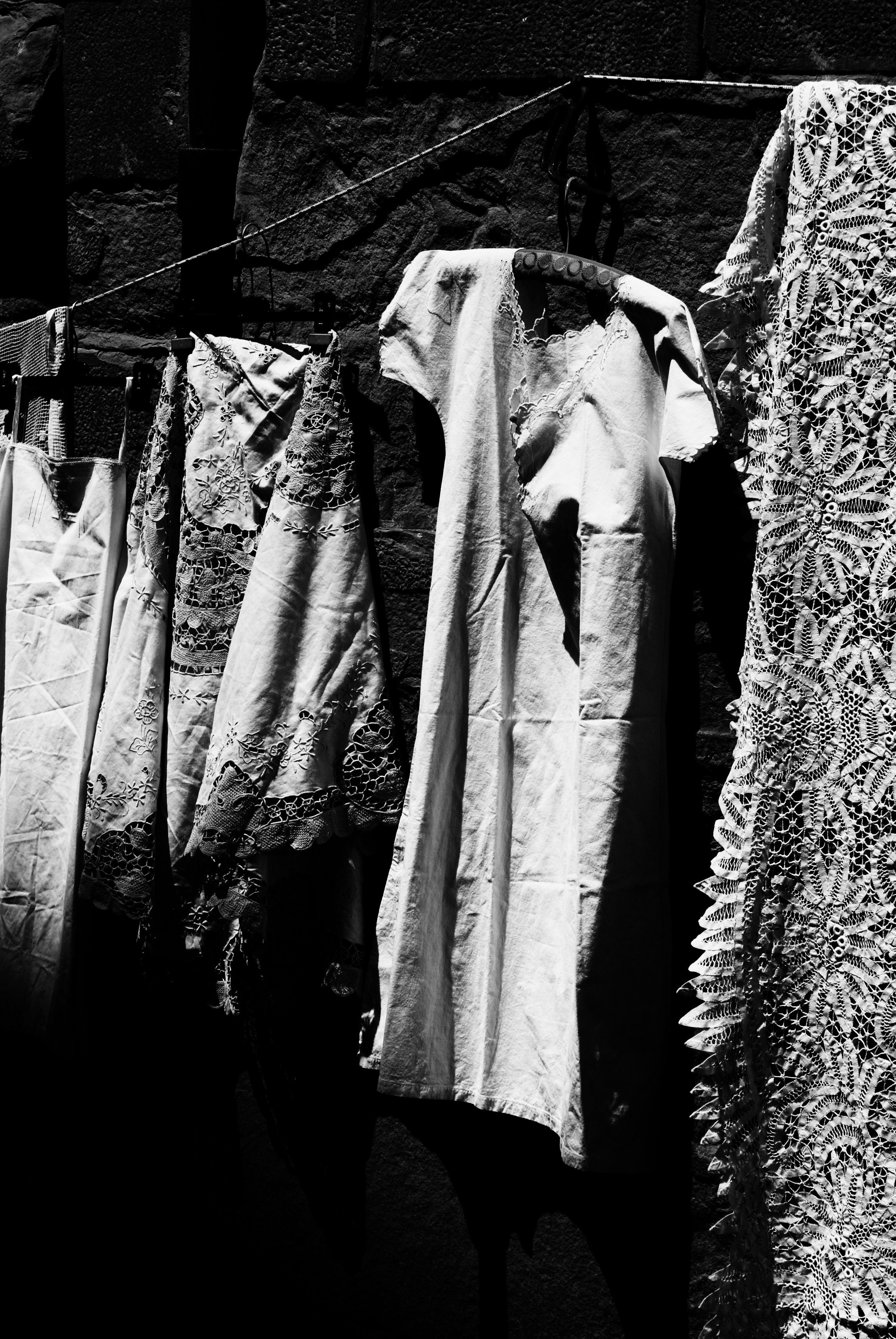
memories of place | cotton smocks in moonlight

•January 11, 2011 • Leave a Comment

memories of place | cotton smocks in moonlight

a tyranny of costume
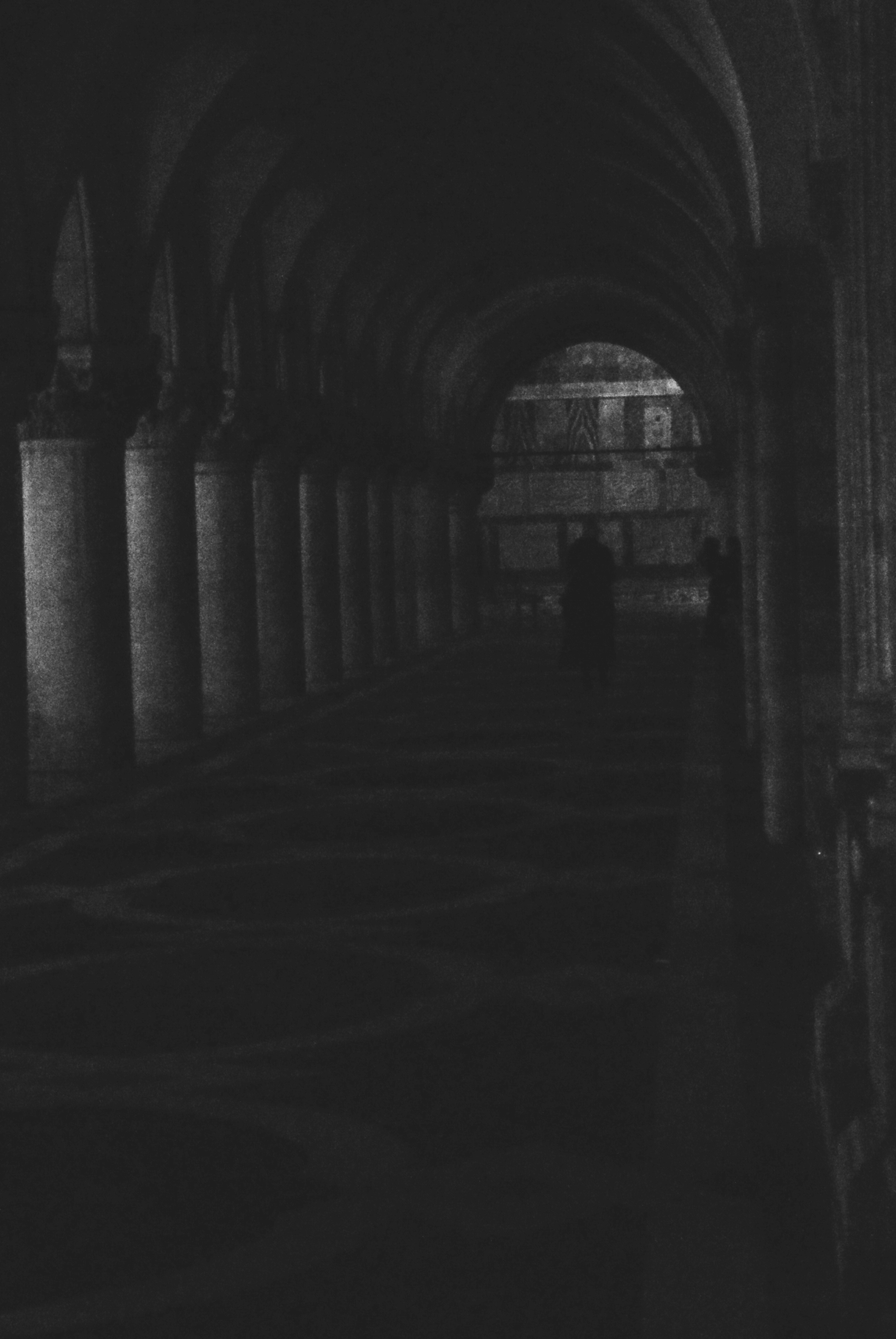
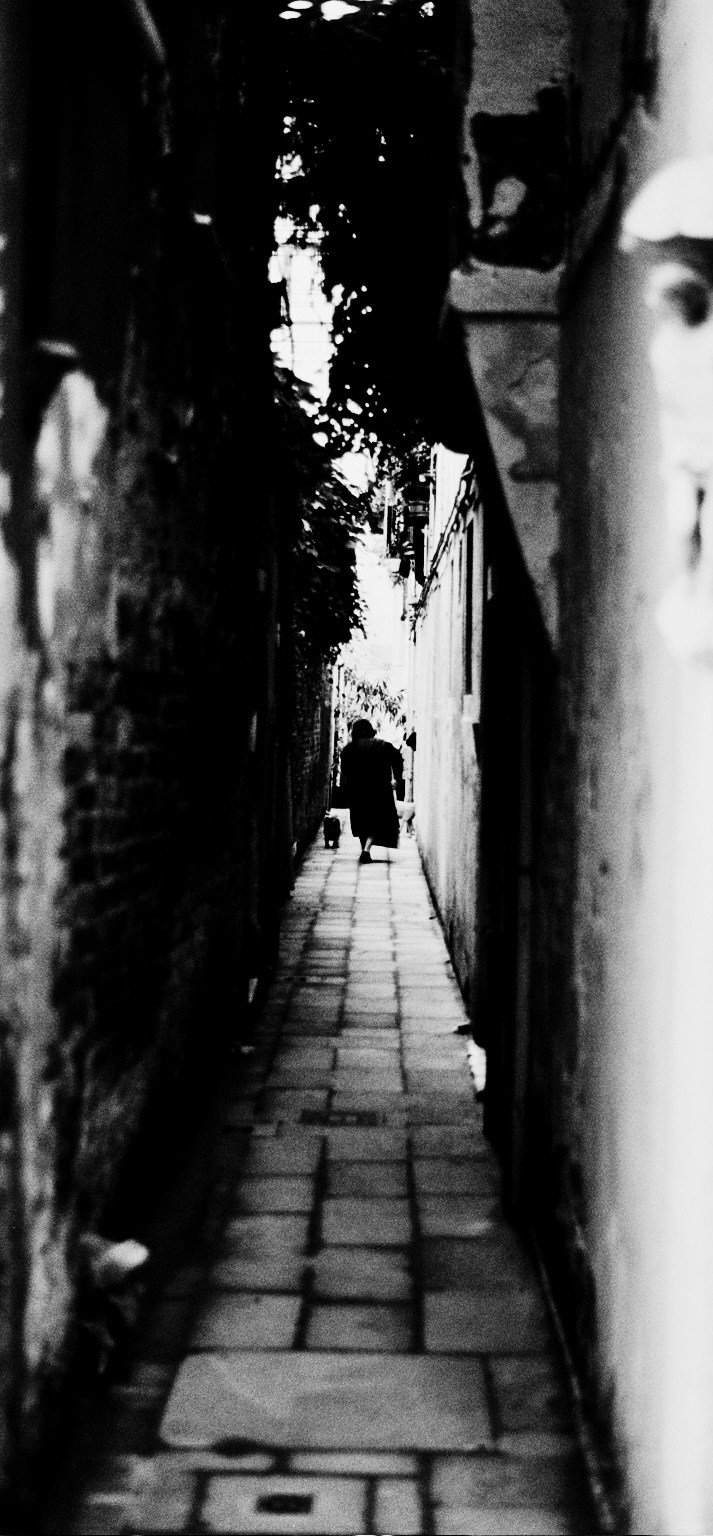
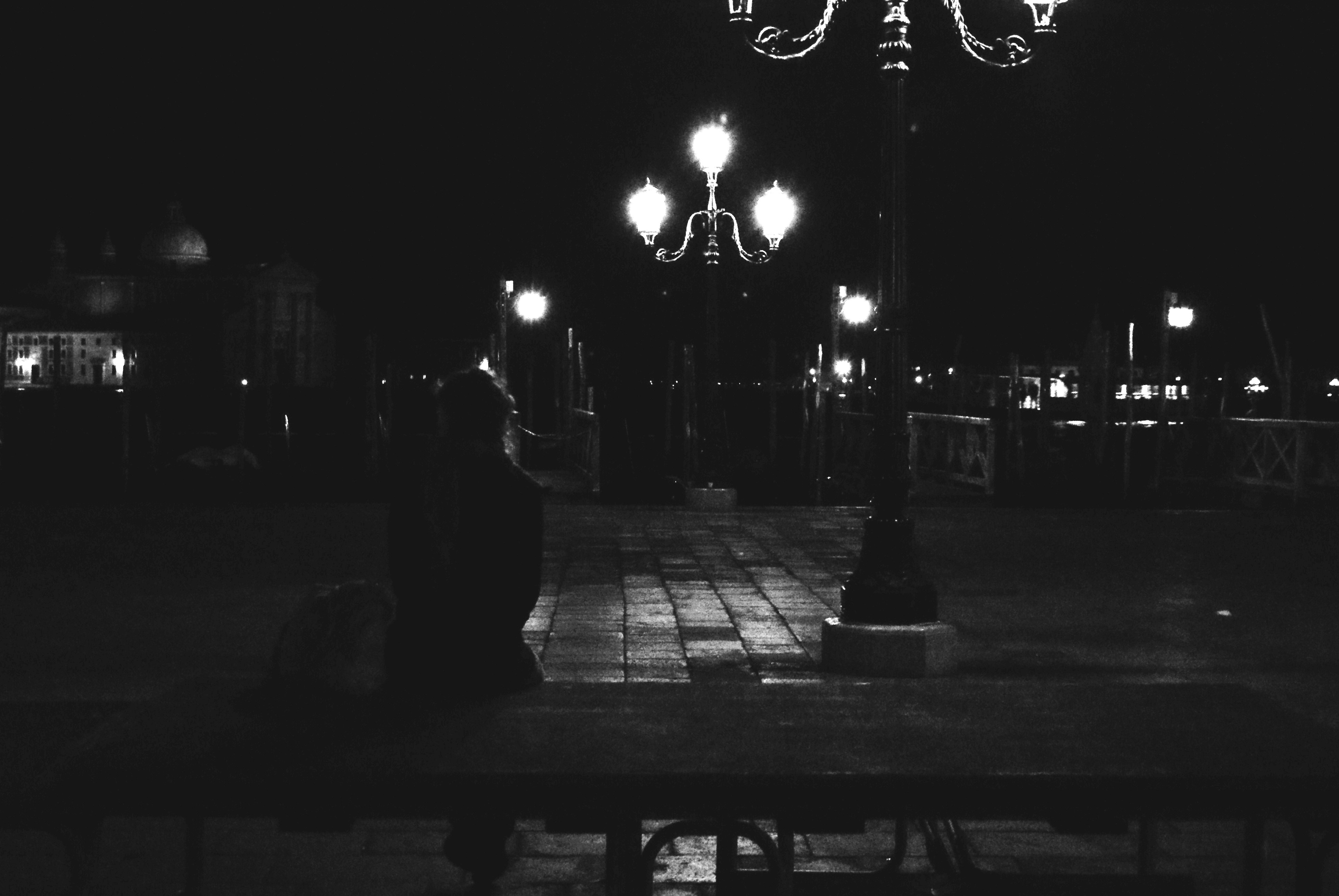
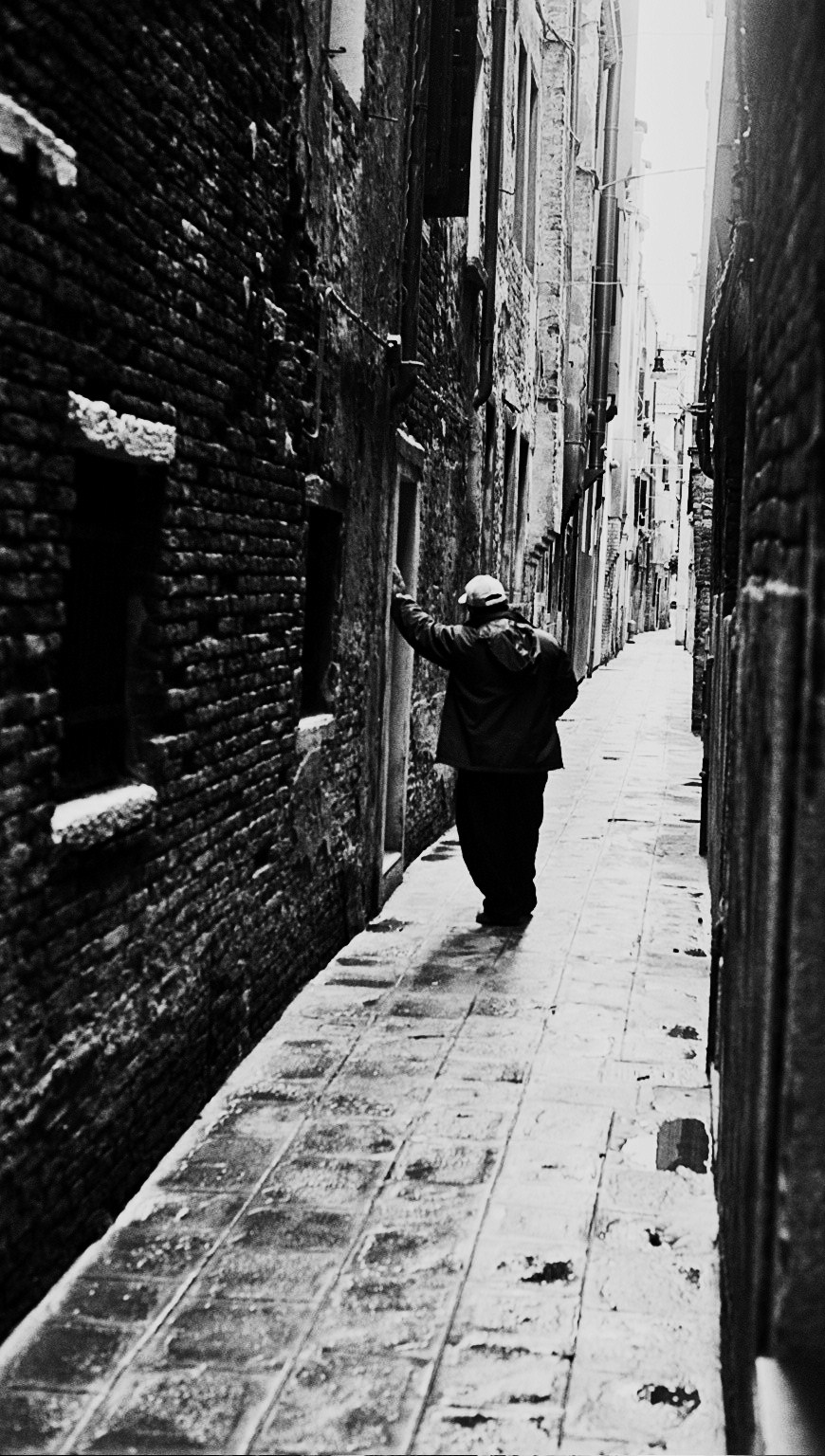
an ode to the spirit of the city| berlin | venice |

the old one
the pale one
the fragile one
the naked one
the beautiful one
the shrunken one
the proud one
the disgusted one
the lost one

They all stand there. Looking at you. Looking at her. You can only see one, but there are more, characters swirling her being, encasing her in dangerous liaisons which you cannot comprehend.

She moves softly at first, graceful in her distain for the texture of the plastic floor. Her arms are quilted in soft hair which catches the light. Her eyes are piercing, deep blue in their sorrow, you cannot afford to look away for fear she may depart into the cold night air, treading the snow in your worn slippers. But they are not yours, she is not yours.

Your eyes wander, staring for a moment at the bright neon light. Your gaze returns and she has, as you knew she would, departed.

Now stands something more fierce, more fragile. Eyes raging black. The plastic floor seems to melt now in an insatiable heat. Cotton smocks replaced by coarse silk in an attempt to represent the changing form. The lady now is here, you are drawn once again to wonder the possibilities, the touch, the smell, the burning asphalt.

Fleeting glimpses, relentless in their arrival and departure, a new costume for each act, you are undecided as to who they are or what they may mean, consumed in the potential for reflection. Her attires are like skins which she cannot help but shed with the passing light, endless transformation, but no conclusion can be morphed from such state of disrepair.

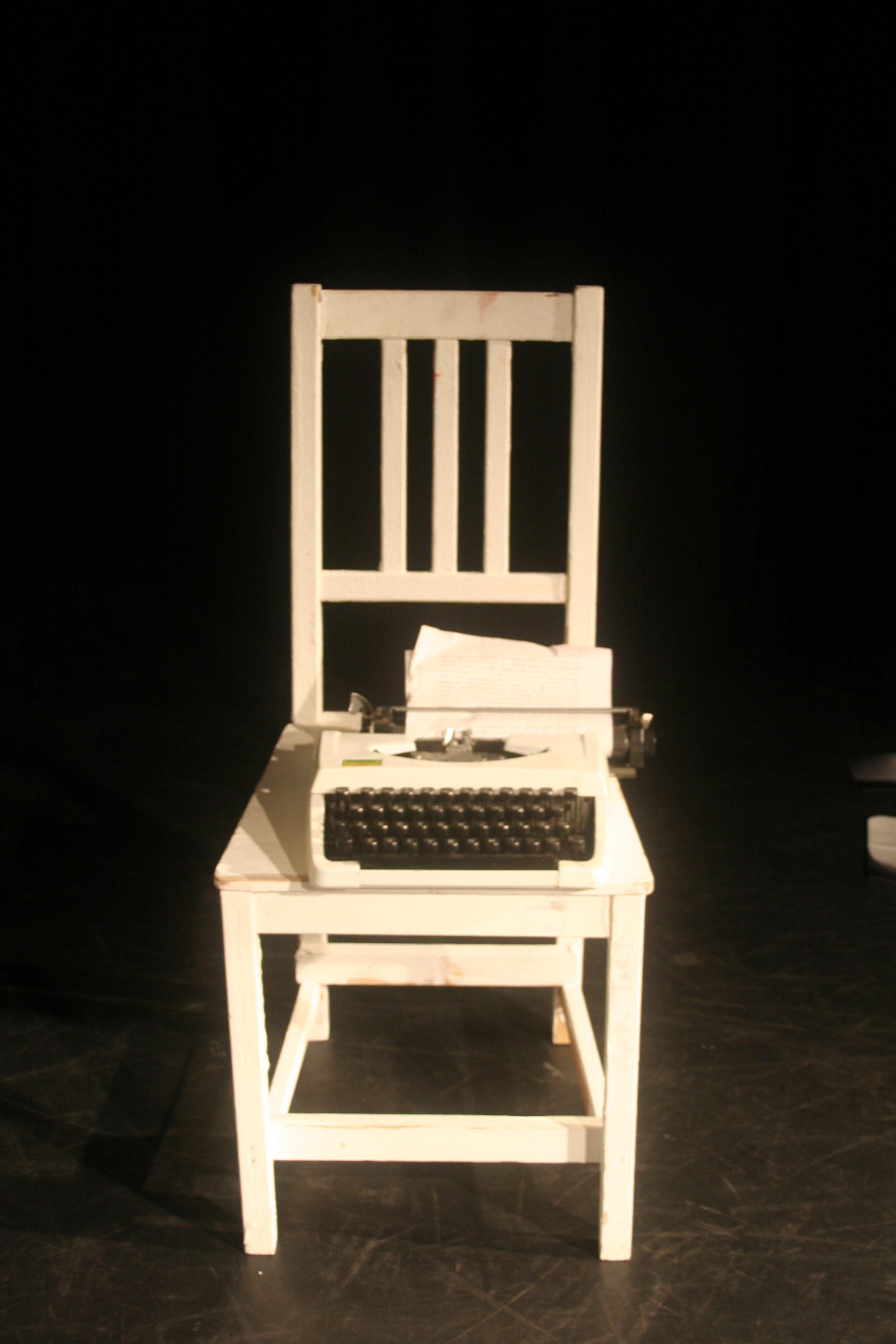
She sits, silent now, in the half light at a white table, her hair tumbles in the nauseas breezes which try in vain to change such stale air. She tries with a biro, no ink, a quill, no nib, a typewriter, no reel, a computer, no battery, to notate all these souls who pass her path, dreary in their presence. Her voice is a silent one, taking words only in these characters she can impress on you.

Such changes are seamless; you stand with a net trying to capture each spirit which flies. The net of course has holes in and in a calamity, the fight to imagine such beauty is lost to the endless swarm of transitions she morphs.

You stand now. motionless, the passive spectator to such endeavour, injecting, pausing, trying to reason, to clarify, to enable, to explore these states you observe and catch like butterflies in glass jars and screw the tin caps on so tight, so their beauty, remains momentary, but pure. You alert “its performance; I can see them” gesturing to the room you keep locked filled with empty sealed glass jars.

She has disappeared from the room once again, you are alone, as perhaps has always been, watching the neon light and the piles of endless costumes and attires she calls her voice.

In such fabrics, she remains, taunting the tense clammy air.

Walk now to the forest; depart through the endless asphalt planes. Follow a glimpse of her cloaked shadow as its darts behind the continuous sea of battlements you may name as towers. Notice the textures you may pass with bare bleeding feet. “It may take a life time to leave” but the voyage continues, the forest remaining a distant memory which in hope you grasp.

She is there, waiting, in an another new mode.

She does not wait for you, rather she awaits the passing of time, swaying in her frame to the endless dron of the internal clock as her skin shreds and her face may become old. She, as you, watches the time pass, filling each moment with constructions which are neither dissimilar or similar to your own. Entwining away from the drone of the city, you both lay wait.

You have lost form; watching her own as it seems to take all the place that may exist there. You have no shadow here.

the broken one
the lost one
the strong one
the hurt one
the sad one
the lonely one

She stands now, dressed in mud, her hair tangled now with birch branches, the moon allows her pale demure to form an imprint on this new terrain. Powerless, you watch. The characters can repeat and can dissipate; she marks no shift in their being, no motion for a new act, seamless in a sea of new arrivals which mask her form.

Her departures and costumes litter your mind, she will leave the forest for the glaring darting mass of lights we call the city; you lose her as she runs through endless trees, still the glimpses of changing form will haunt you. You collect her discarded clothes into a suitcase for hope they may in some distant life be worn again by her aging form.

Arriving once again to a city foreign yet familiar the search continues through the gloaming down narrow streets. Echoes of daily routine and monotonous play will fade, as silent as her voice.

She stands now, pausing to admire her reflection in the glass. Unsure as to histories, pastness or even the lines on her own hand. She dresses again, fine stitching and delicate and broken shoes; leaving another pile of discarded memories where she stood.

You stand now in a room with a neon light, the characters lurk limply in the suitcase you hold in vain; wishing her body to fill them once again with strength and comedy. The room is filled again;

the fragile one.


The traces we leave and hope may linger.

•November 20, 2010 • Leave a Comment

‎”but Beatrice all that happens is a dance and a story”

Performance is a battle ground; to express, to hope what you may express may be understood and then to collect evidence of your explorations to create proof something was seen and communicated.

So much has the potential to be lost.

There exists worlds which I attempt to create; fleeting glimpses for momentary encounter, worlds which are subjective and dependant on the interpretation for those who encounter their quiet arrivals and departures.

“what happened there then”

The scene is left cold. the memory as we like created in our own silences on the bus rides home; but the body of the performer remembers; repeats in fleeting reigns phrases of it grace.

Can we chose entirely our own perspectives hence what does this imply for our existence, a confusion of ideology and flux of new comings

We have no notion of what anybody means, ‘you don’t understand ‘eg, there is no direct representation in another’s vocabulary, no re presentation in another’s mind, it becomes something new and different. It is not absolutely possible to understand anything. There can be no automatic exchange of objective information. Other than maths

Objectivity is brutal. It is a closure in many ways. It becomes often simple. The process by which the city and the experience which it may manifest within the body becomes a performance mechanism to convey the realities of the urban encounter.

so what then is such documentation other than another subjective fragment.

the past in your hand

•November 12, 2010 • Leave a Comment

The past cannot remain simply as textual analysis; the city’s containment of it’s past, as disseminated Calvino; Cities, like history, do not reveal themselves. They contain their past like the lines of a hand, written in the corners of the streets, I am exploring aspects of the visual interpretation of the past in the physical landscape of the built environment. How can memory be reconstructed, how do we expose the past seen in flickering street lights in the rain? How can we curate an experience of a past we have never lived? to construct a monument to an atrocity which we can only have experience of through other peoples narrations of their memories? How can the past be raised in such a way we can progress forwards, grasping in muddy hands the gem which may be contained within it?

The past is a malleable and fluid entity; faceted by a textured plethora of multiple narratives which compete and confuse. My research as to the curation of the Troubles in Northern Ireland and the residues of Nazi atrocity have enabled me to conclude to the seminal importance of the role of memory from those who inhabit cities to how far the past is socially able to manifest in the built environment. Yet how can this allowed to be be passed on? through performance, through text, through image? This then raises the question as to how far subjective construction in the arts can successfully enable a sense of history to be relived or simply presented… how can such re-presentation allow an experience to enter into the realm of a social dynamic?

Memorial can be constructed; typographies of remembrance can be inscribed over fragments of forgotten traces; yet such objectification of the past cannot culturally and socially resonate to urban citizens if they lack intellectual and emotional awareness towards the past which such inscriptions hold. The city naturally resonates a temporal and distant past through the very means by which it is constructed yet interventions, formal or informal create a level of empathy which the landscape alone may not curate.

The nuance of human occupation and intervention in the built environment resonates to a profound level if the viewer has a cultural awareness as to the significance of such action.

The past is an all consuming organism; which left uncontrolled; unmediated and unremembered will manifest; even in hushed voices behind closed doors.

The city becomes a larger vessel to the past simply because of the sheer weight of overlapping significant and anecdotal pasts which overlap in a symphony in the various enclaves for encounter which fashion themselves as the city. Memory can become a cultural vessel or lumbering weight towards the notion of urban progress; how the past is enabled or forcibly wills itself to manifest metamorphoses the sentiments of collective and personal emotions sensitivities towards the past.

littering the asphalt with auto-biographical artifacts

•November 11, 2010 • Leave a Comment

‘The body in contemporary capitalist society is a site of both social inequality and personal empowerment.’ (Terrence Turner 1980)

As we consume the endless asphalt, searching in vain for new possession, fabrics to cover our flesh, food to generate energy to take on the next concrete stretch, we become the city. Endless scenes merge to colossal symphony, in their wake, we can determine what might be a civilisation. The body in the city becomes a site; of history, identity and construction which we will eventually tire, how do become involved? Laying these possessions down on thick floral carpets in shallow rooms of breeze block. Such architecture which we construct and which construct our selves or notions of self. The two lie in enraptured entanglement with no possible exit strategy from the endless argument. we scatter endless memorials of our presence; littering the asphalt with auto-biographical artifacts which will become a disparate archeology of the scenes we are endlessly rehearsing yet always forgetting the lines, there is no applause, only a photographer who in the early hours makes an archive of the treasured scenes of blissful chaos. Such images now stored on transparent paper in wrought iron safe boxes, to which they discover the key for such passages has been thrown as a pebble into the roaring ocean.

‘The body has thus become one of the main battlegrounds on which the struggle to forge critical perspective adequate to the changing features of contemporary social, political and cultural reality is being fought.’
( Terrence Turner)

The body as it stands, strong, vulnerable, fragile and towering becomes complex metaphor, itself a performance of the daily routines it seeks solace from uncertainty by endless monotonous repetition. The costume of daily life as a weathered suit of rusty armour; “ his shirt has a hole in” the girl whispers on the night bus. But his suit is still a protective realm of self celebration and fragmented remembrance for experiences never shared.

The body cannot be divorced from the social operations and networks which exist as its contextual framework. The body cannot be singular functioning mechanical social product; by means of cultural placement and social integration or exclusion the body articulates its daily patterns and routines by means of immersion and its subsequent acceptance or active resistance to the patterns and formalities which surround it. We impress upon the city preconceived notions of power and structure which we may in turn chose not to question for fear such question could augment the soft cocoons of reality we have chosen to construct. There are clashes, realities collide, we fumble in the darkness, gasping at all loss of understanding as it slides to moments of turmoil, taking time when the light re-emerges to reconstruct the shattered glasses, gluing, with such care and precision, every smashed fragment back to ” the way it should be” nervous impart that the heavy noise of the soldiers boots will return and shatter it all over again. the footsteps are still echoing in the dormant chambers of surrender.

the body | the city

•November 11, 2010 • Leave a Comment

The body in the city acts as vessel; to carry, contain and interact; forming routes and navigations through the immediacies of its encounter. The body in the city becomes a means to extend the discourses of the mind and architecture to a frontal physical plane. The experience of the body as it moves through its decided and undecided routes of the complex labyrinth becomes synthesis; forming in such modes of encounter a reflection as to the physical landscape it temporally habits.

To consider the body an artifice for reflection as to the affects of urbanisation; modern progress and development allows a humanist discourse to form around the concrete slabs which form the densely textured urban scene. How the body is positioned in space; how it occupies and passes through various plaza, streets and passage ways can function as means for discourse as to the nature of affect the city may have on the psychology of urban human behaviour and simultaneously affords insight as to how the city is formed and cemented by the very patterns which human occupancy projects. This mutual dialectical relationship becomes synonymous to concepts as to how far cities are designed for people and how people essentially redesign and augment the fabric of urban texture. The embodiment of the urban experience by the human form becomes focus for this research; how far can the body enter a state of conscious reflection as to its use and positioning within the built environment to observe and how can such conscious observations be then potentially be reapplied to generate shifts in land use patterning and generate possible realms of progress within discourses of spatial planning.

‘Nature is man’s inorganic body.. ( that) man lives on Nature means that nature of his body, with which he must remain in continuous interchange if he is not to die.’ [1]


[1] Marx. K. 1964 P112. Sourced in Terrence. T. Bodies and Anti-Bodies. Flesh and Festish in Contemporary Social Theory. in Csordas. T ( ed) ( 1994) Embodiment and Experience. The Existential Ground of Culture and Self. Cambridge University Press. Cambridge. P 27


Design a site like this with WordPress.com
Get started