
agus má chloiseann tú dom éisteacht leat mo thost.
Ní bheidh mé glaoch ar an bíosún.
Scaip do sciatháin iarr sé.
Ní féidir liom a shealbhú do lámh.
Ach liom a shamhlú cad a d’fhéadfadh sé gur mhaith leat.
Ba mhaith liom cabhrú leat trasna an bhóthair.
( Beatrice Jarvis)
and if you hear me you hear my silence.
I will not call the buffalo.
Spread your wings he asked.
I cannot hold your hand.
Yet I imagine what it might feel like.
I want to help you cross the road.
Ba mhaith liom cabhrú leat trasna an bhóthair.
•May 24, 2014 • Leave a Commentnon cantus
•May 24, 2014 • Leave a Commentthe story of the search for the perfect language.
a story of dreams and failures.
no melody . . … ……… .. .. .. .. …… . . . … . . … . . … . . …… . . . . . . . . . . . ….. .. .. .. .. .. .. .. .. .. .. .. .. .. .. .. .. .. .. .. .. .. .. ..
without melody, why have melody at all.
Do not be afraid. Do not be terrified.
Alienated from the present.
What is the black horse chewing?
Only memory. A bit of memory.
The day is breaking, but my room is composed of a long night.
studere ad a ratione.
•January 13, 2014 • 1 Comment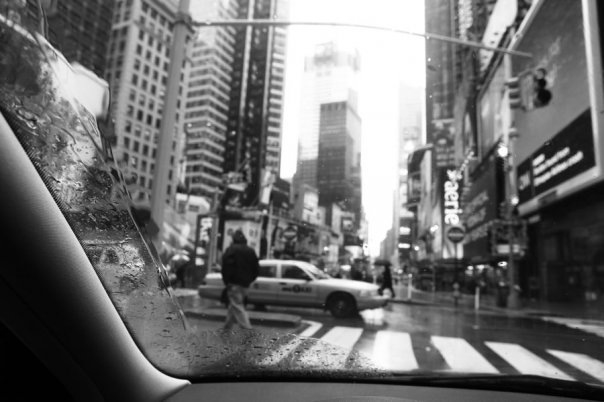
The city is left behind but it lingers and haunts; memory of sensation of interaction, of the sensation of mass. The body collects and gathers and stores. Remembers and archives. Small motions of sensation which rise and fall with the passing of breath.
To depart. To fall. To roll. To lumber. To sweep. To cleanse. To run.
To not stop running until the grey has faded to black and emerged again as white.
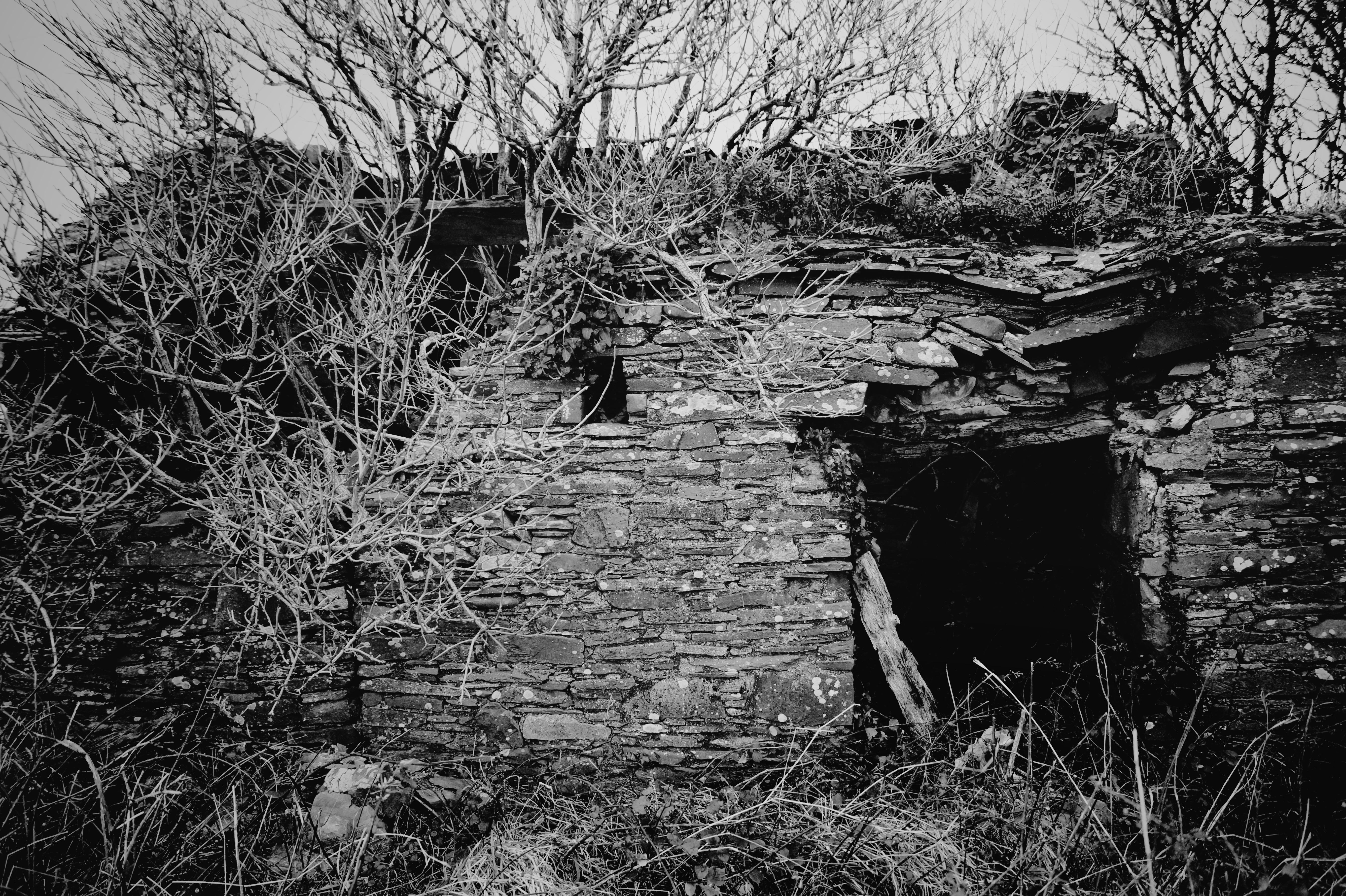
on memory. on space. on change. on falling. on rising. on searching. on seeking. on ruins. on beauty.
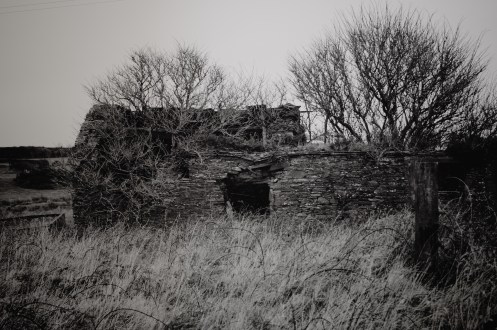
the taste of salted decay. Bottles of holy water collected in the rain and stored in plastic tubes in old wood.
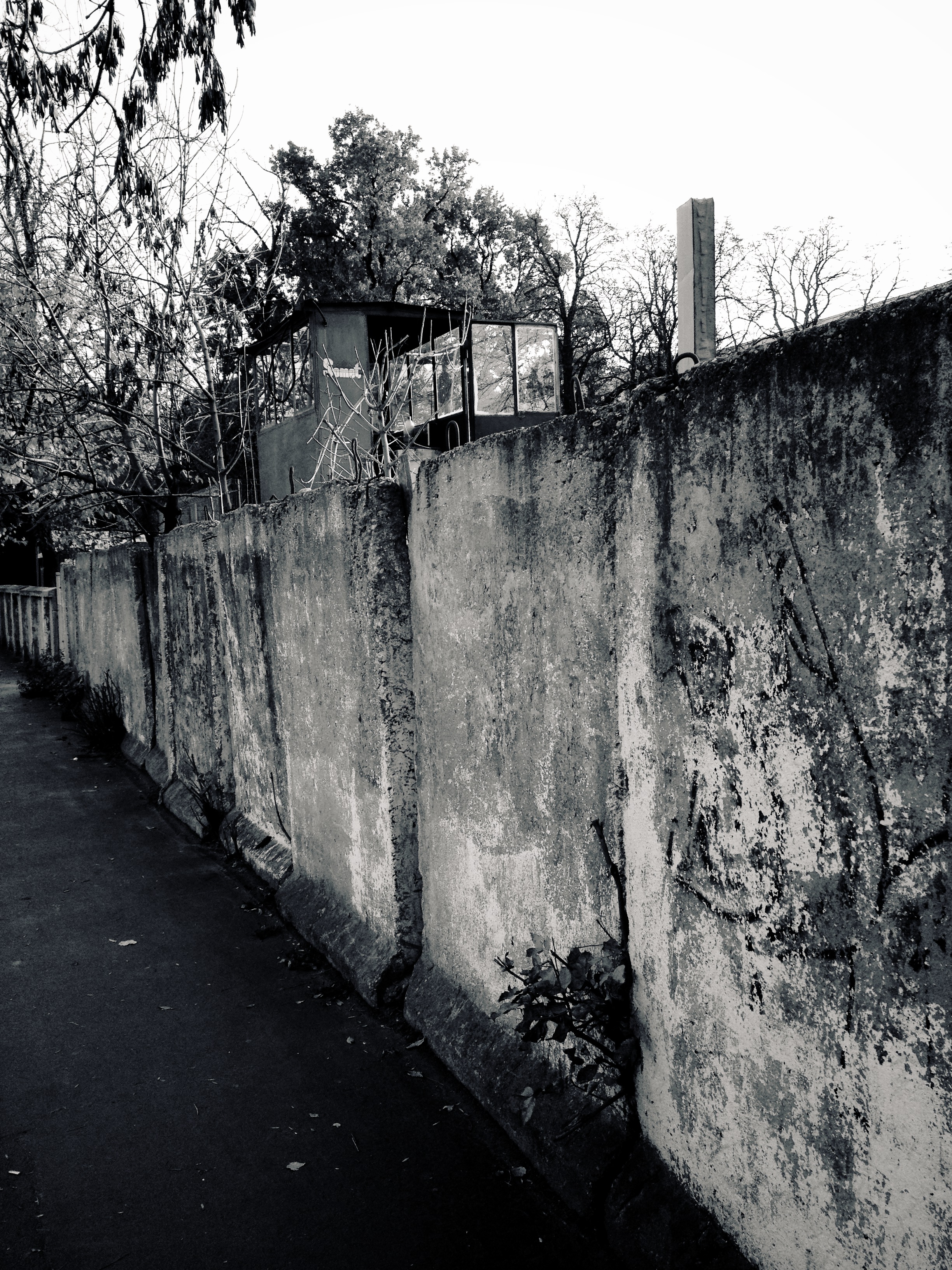
on spaces which contain us and the walls we create and the walls we destroy. on fragments. The boundaries of the mind are quite limitless. The Froth on the Daydream. The badger. The nest. The home. The spaces which we cannot mark.
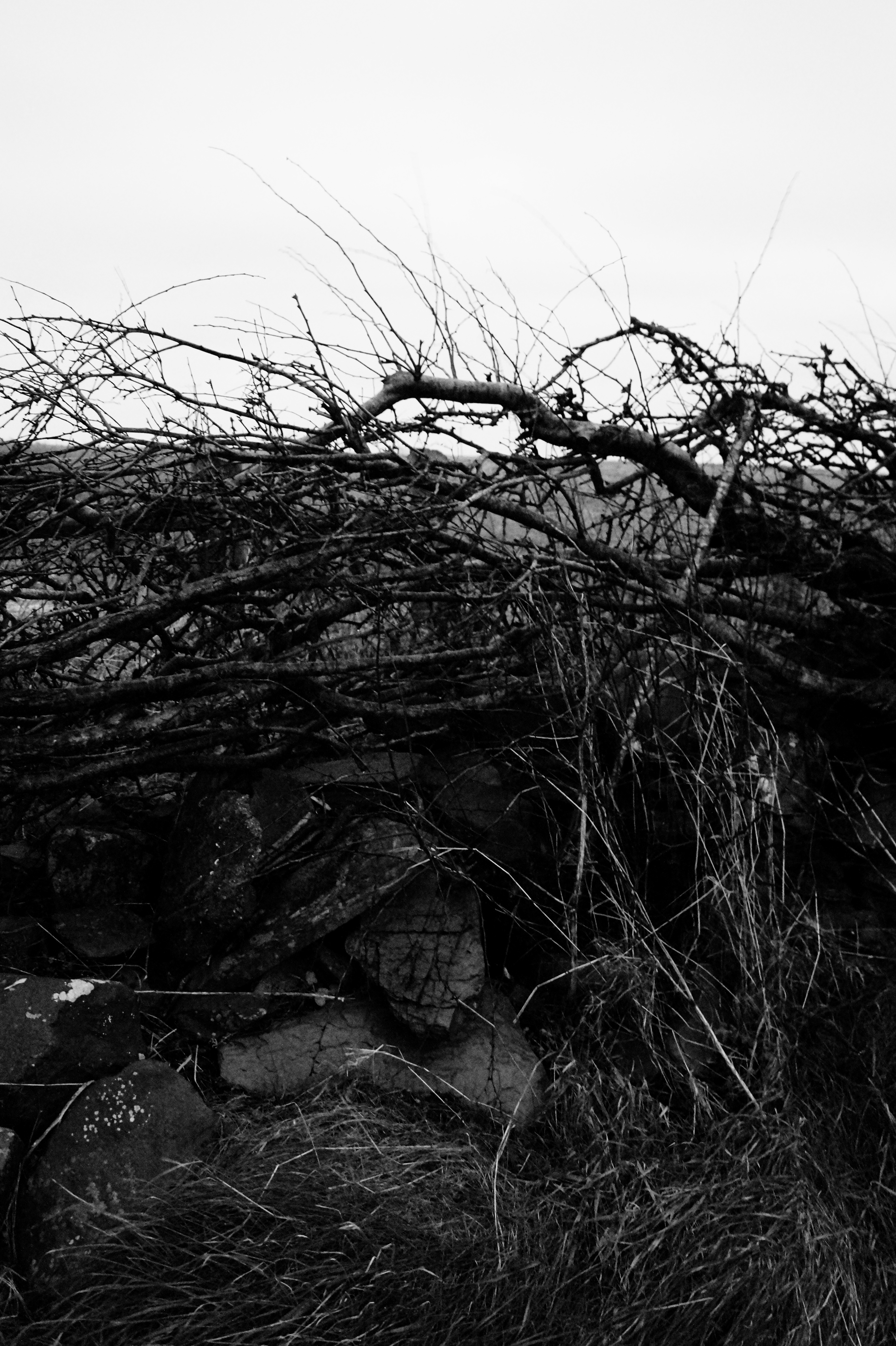
Beidh ceocháin ama pas againn go bog. Beidh an scamaill timpeall orainn i bhfoirm éigin de bliss gan mhíniú
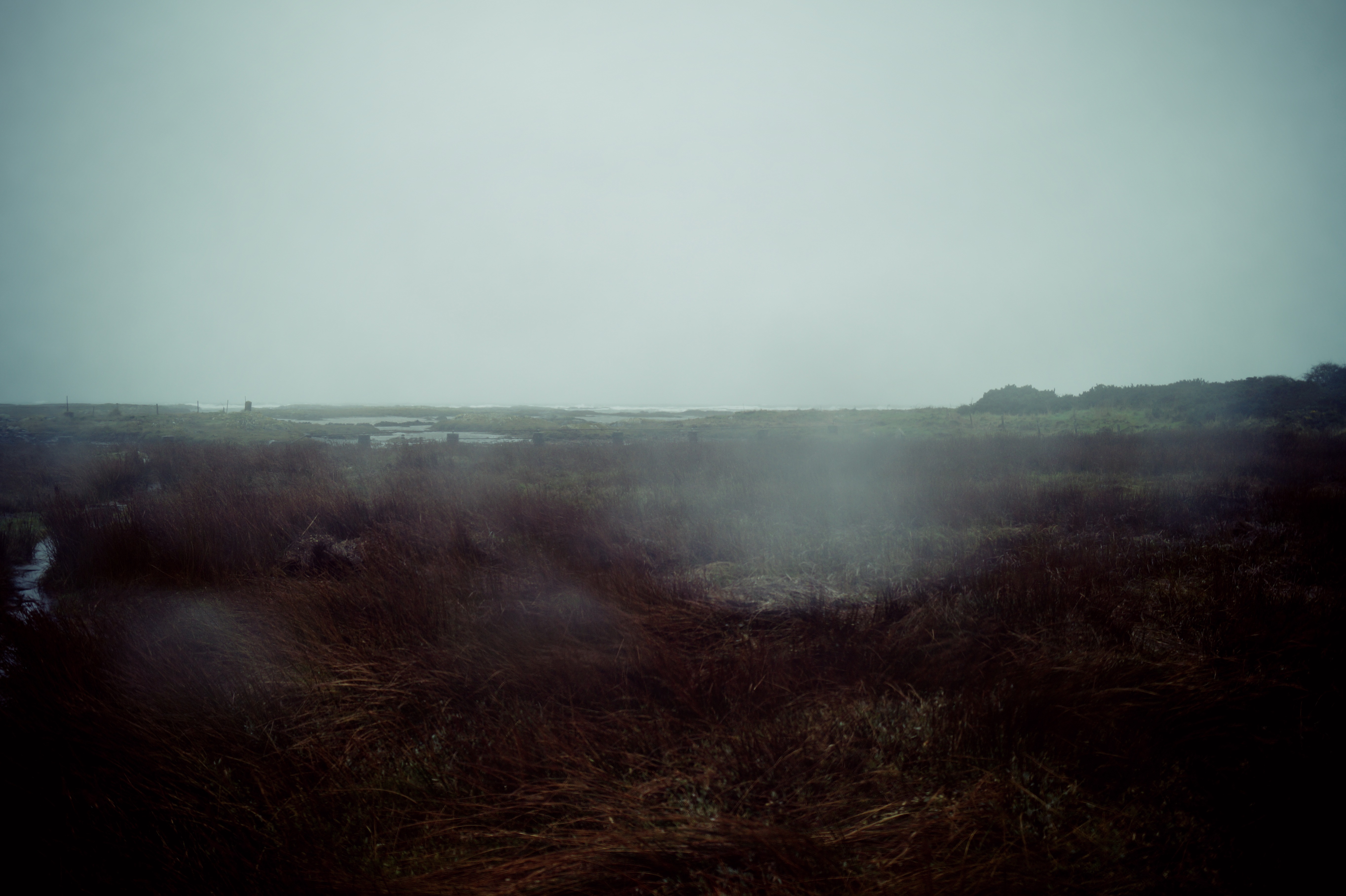
quod formae quae sunt in animo fortitudinis crescat.
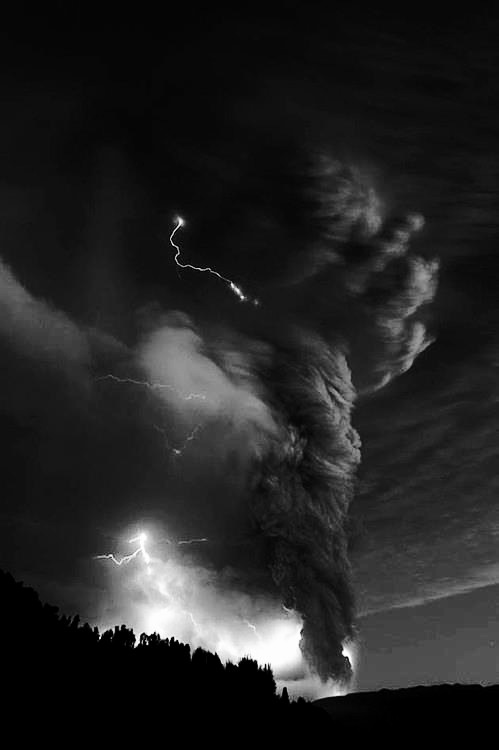
Extrema terræ. Forma declinet. Spatium certamen.

The cycles of emotion match the cycles of the weather as the pink flowers fade. No one lives in the lighthouse now. To carry a tree.
The weight of a footstep. The sound of a falling tree. The tree that returned to the sea. The lady of the sea who sails in a paper boat is not forgotten on the morning tide.
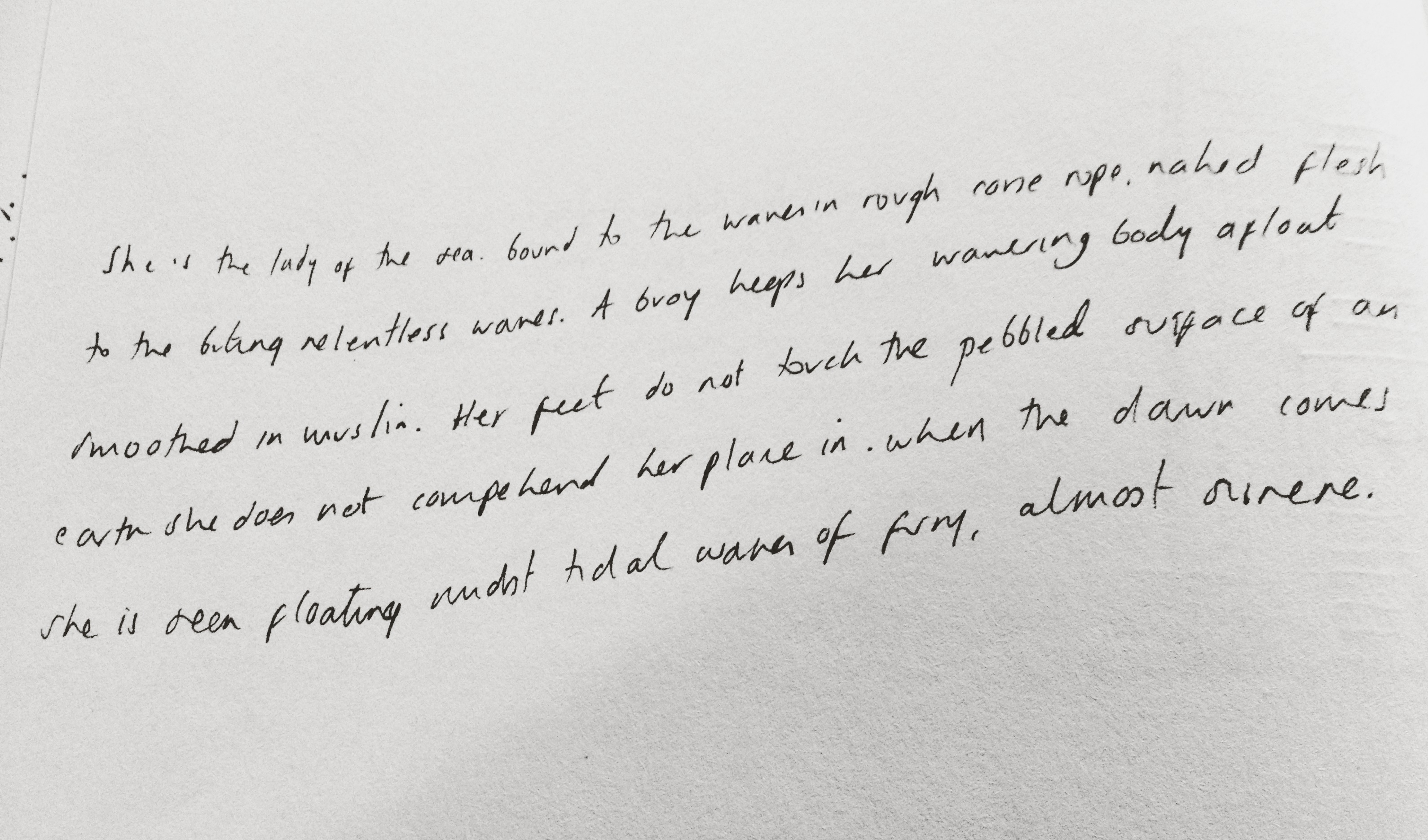
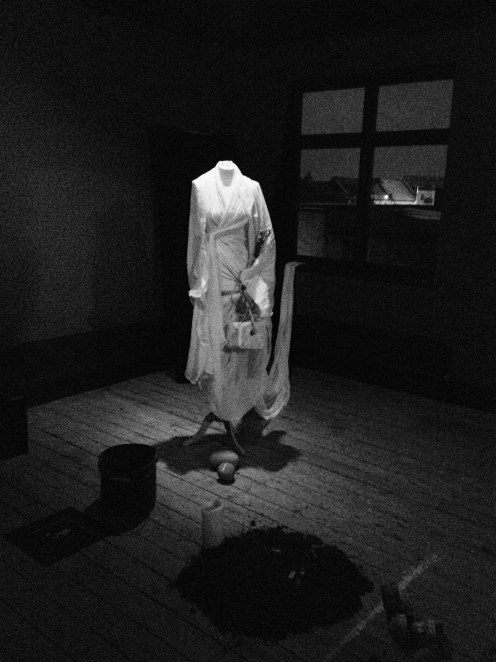
She collects jewels in her skirts as the light fades and the rain comes and sinks her boat. Seaweed tendrils fall about her sunken eyes.
Precious gems of the near grotesque.
ar an meáchan a bheith
a chruthú fhoirm
When the human form ascends the texture of emotion. The body leaves the sentiment of earthly connection behind
A pause for the space, which is granted no air.
There is purpose beyond that which we control .

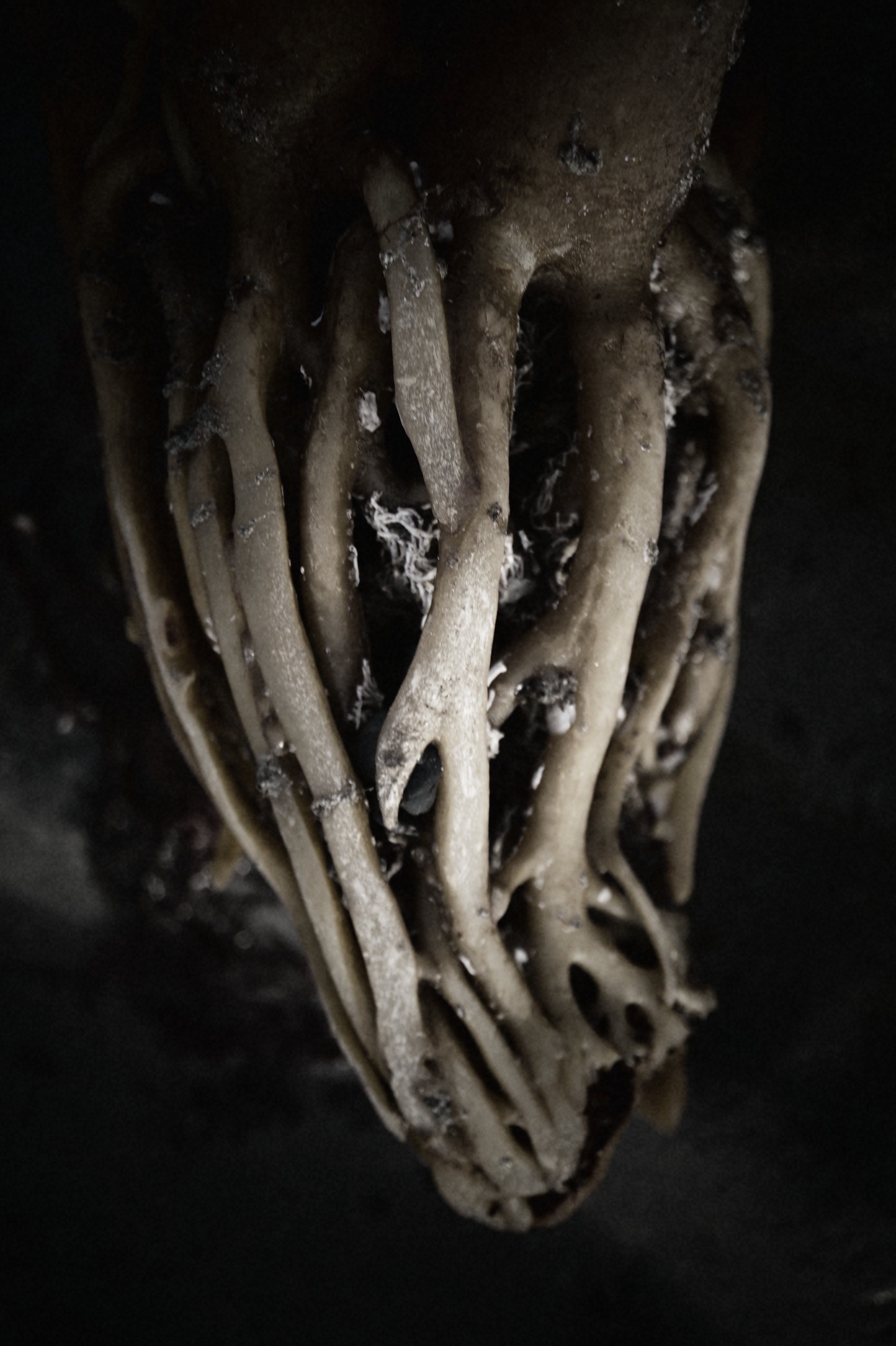
The mourning of the loss of tradition. The craftsman sits in an empty space. Perhaps his tools are rusted and his hands now too soft with hand cream. The day passes too fast. The hands of the clock lament to themselves the hours which have passed under their careless watch. The weight of knots; the colours of black, white and gold make up a scene of a dinner party at which everyone is asleep and places their heads in their bowls of ostrich soup. The craftsman looks on; imagining to carve his own hands in the resentment of such cold.

videtur autem quibusdam phantasia. Carne et ossibus. Quaecumque tamen est tranquillitas.
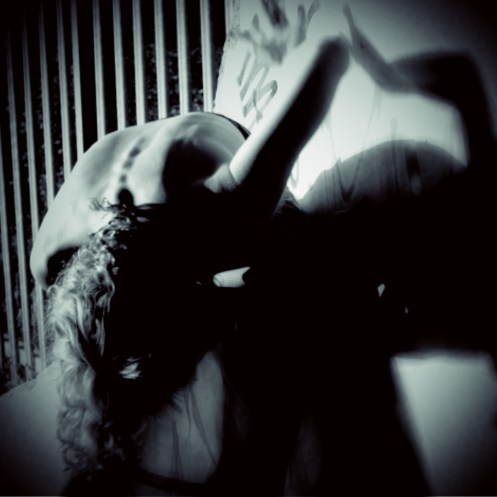

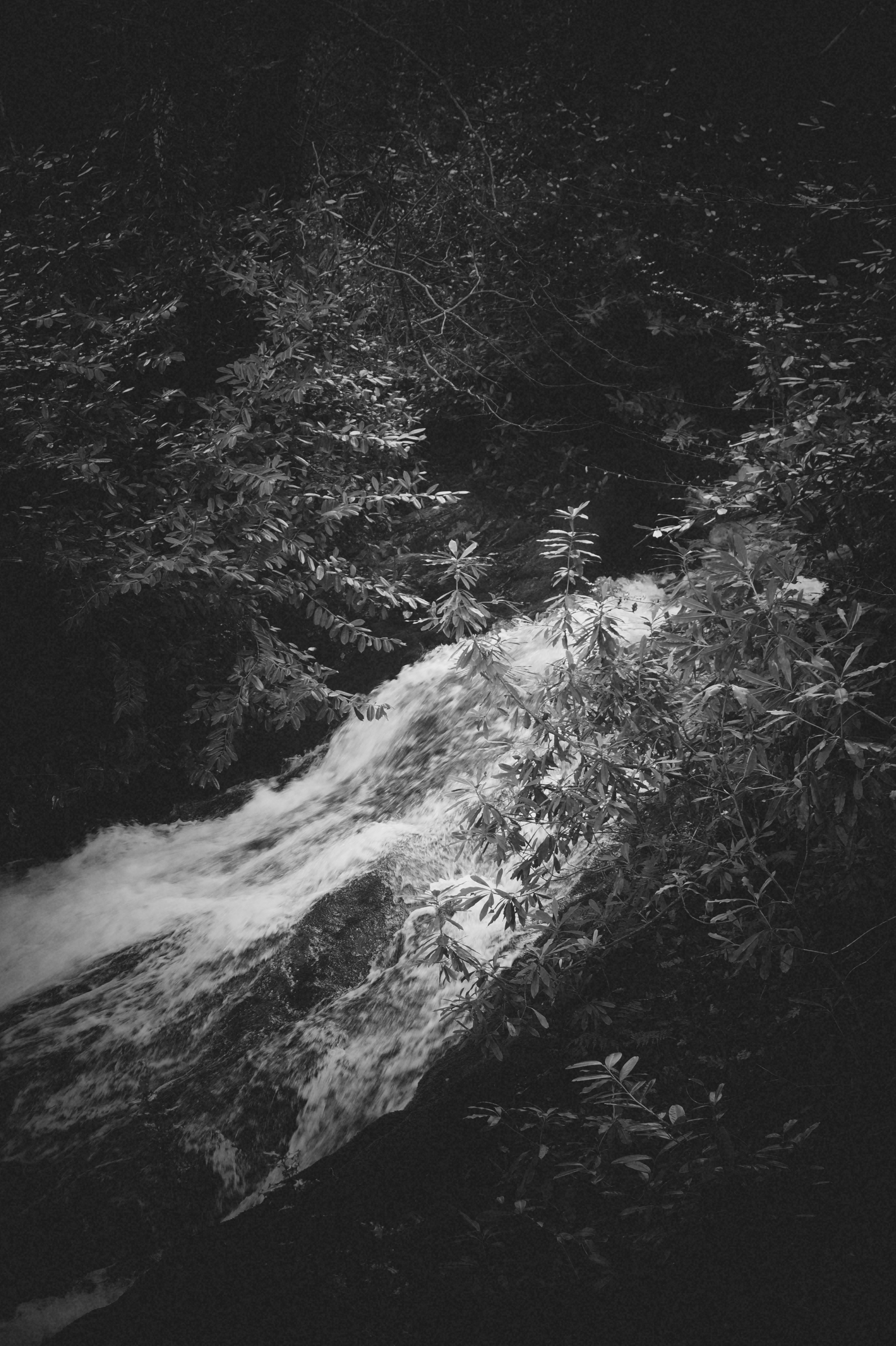
Successu temporis in manus divisi accumultated rectis.
Mollis mollis ante faciem incisuras. In risus et tristis.
Quae prodit in lucem et lucem in faciem cupit emendare aeris.
in softness of crumbling asphalt
•August 19, 2013 • Leave a Comment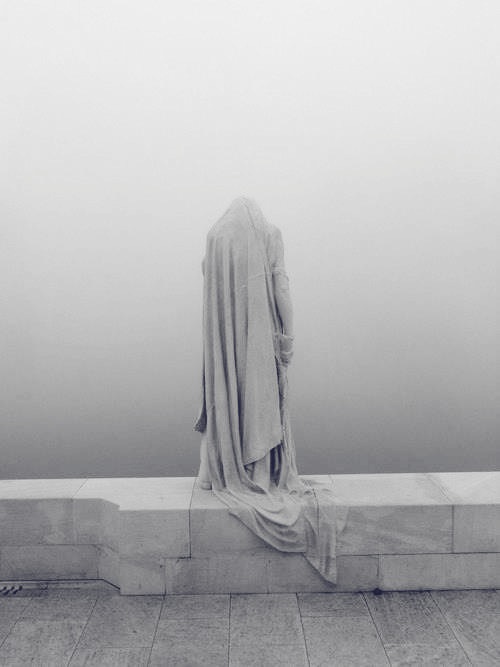
falling stone
M-ai ţine la distanţă, dintr-o privire suspect prea familiar.
Tu mă ţineţi la momente apropiate, luând-mă jos înapoi pe străzi pentru a descoperi frumuseţea ta.
Aruncarea-mă la marginea din dimineata rece, aşa că am să vă uit adune mulţimile.
Puteţi purta bijuterii si invelitoare elaborate, dar nu este nevoie.
Al tău este de o frumusete naturala, care este purtat de griji şi de tulpina, dar încă soarele te face de aur.
Tu nu se teamă de greşeli şi le purta cu îndrăzneală; critica oarecum constantă.
Eu te uiti de la fereastra mea, eu te uiţi de la cea mai aglomerata strada, eu te uiţi la cele mai întunecate tunel, şi eu sunt captivat.
Eu am respect faţă de dumneavoastră greutăţi; admirand de moliciune dumneavoastră atunci când se confruntă cu astfel de complexitate.
Tu ţii tot, uneori, sunt un fel, uneori eşti atât de crud, dar nimeni nu fuge te prea rapide, de aşteptare pentru zilele de glorie pentru a reveni.
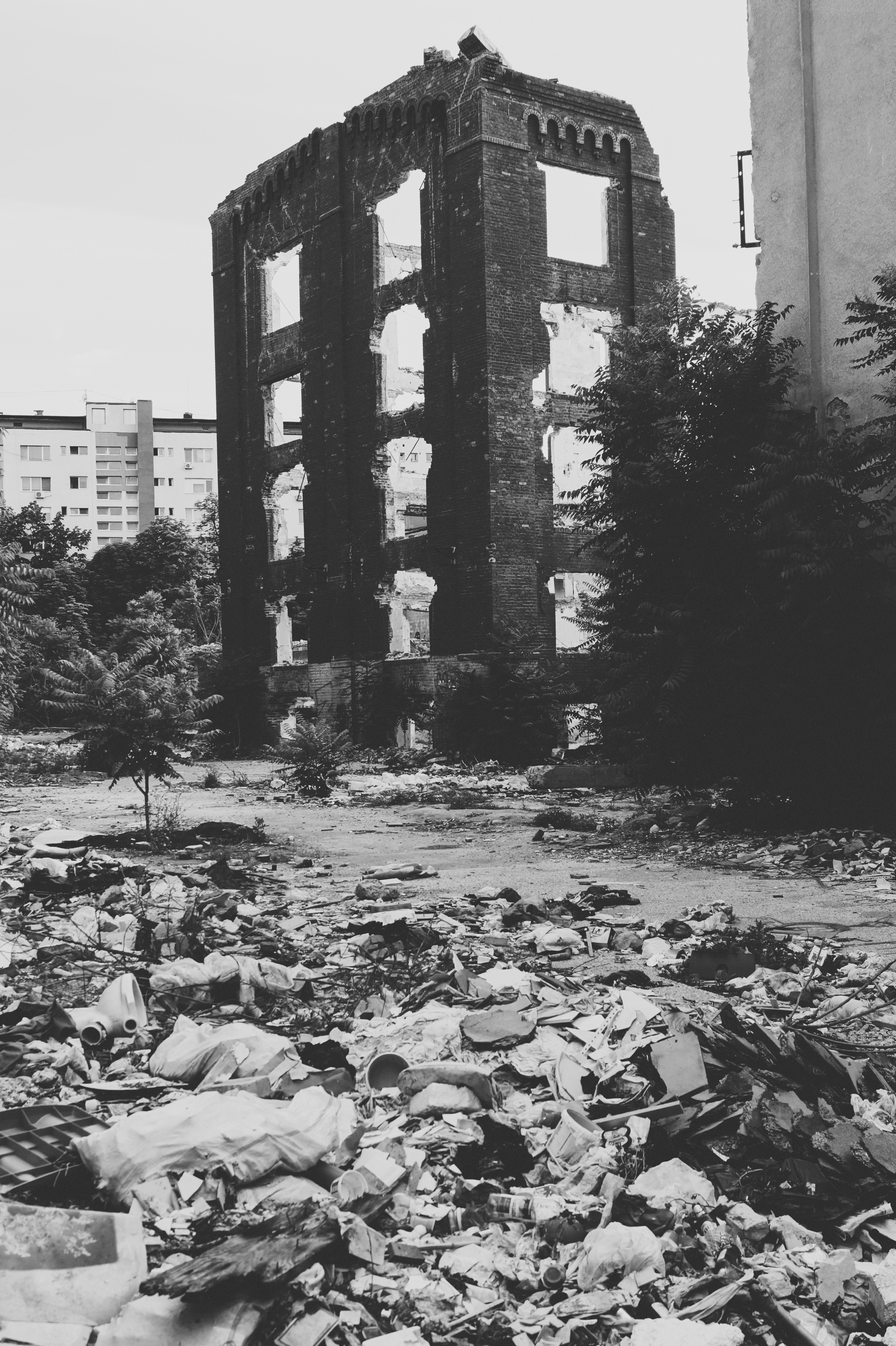
You hold me at a distance; a suspicious glance to the unfamiliar.
You hold me at times close; taking me down back streets to reveal your beauty.
Throwing me out to the fringes in the cold morning so I can watch you hoard the crowds.
You can wear jewels and elaborate covers; but there is no need.
Yours is a natural beauty that is worn by worry and strain but still the sun makes you golden.
You are not afraid of your mistakes and wear them boldly; the criticism somehow constant.
I watch you from my window; I watch you from the busiest street; I watch you from the darkest tunnel; and I am enthralled.
I am respectful to your hardship ; admiring of your softness when faced with such complexity.
You hold all; sometimes you are kind; sometimes you are so cruel; yet no one flees you too fast; waiting for your days of glory to return.
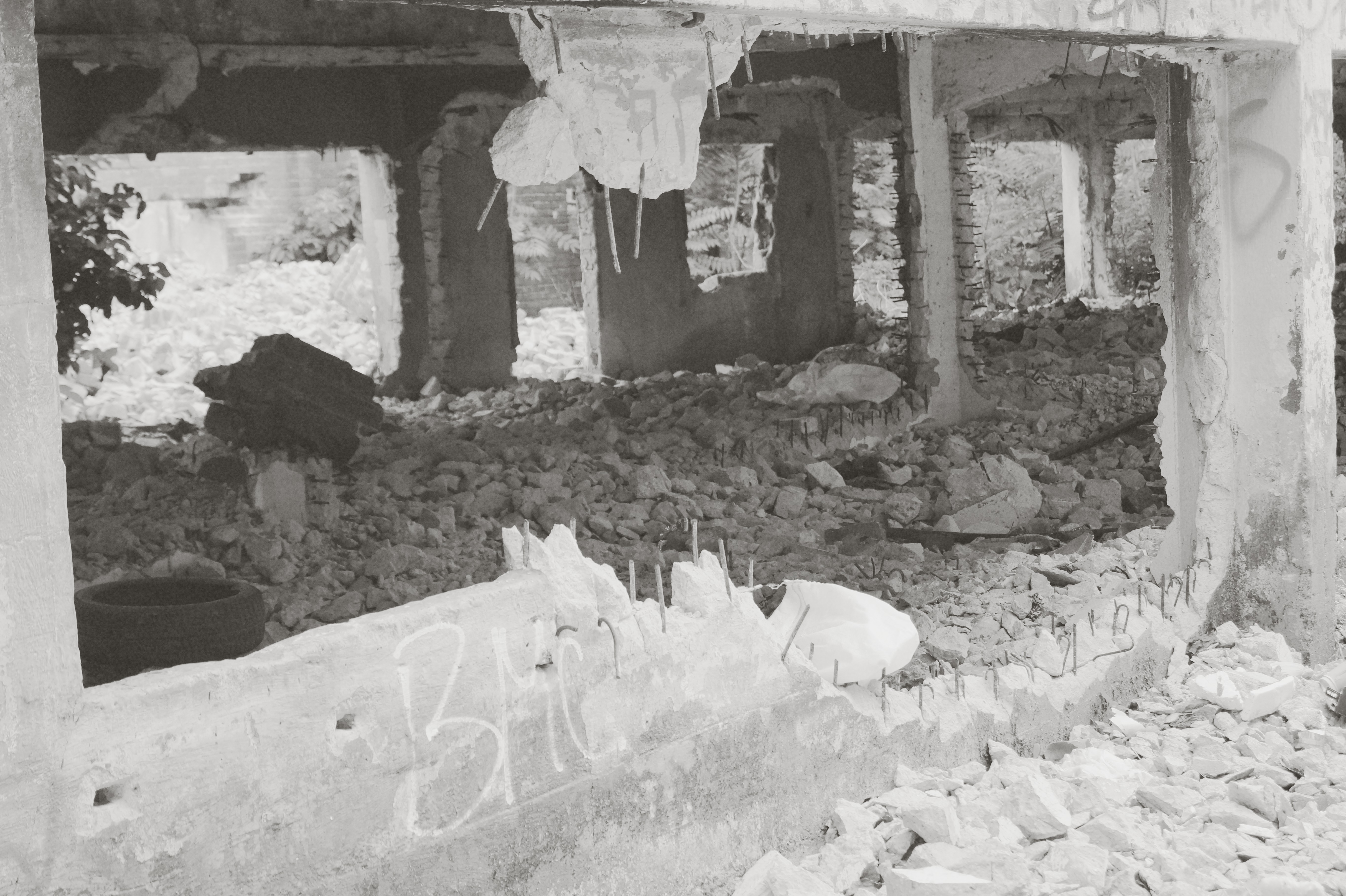
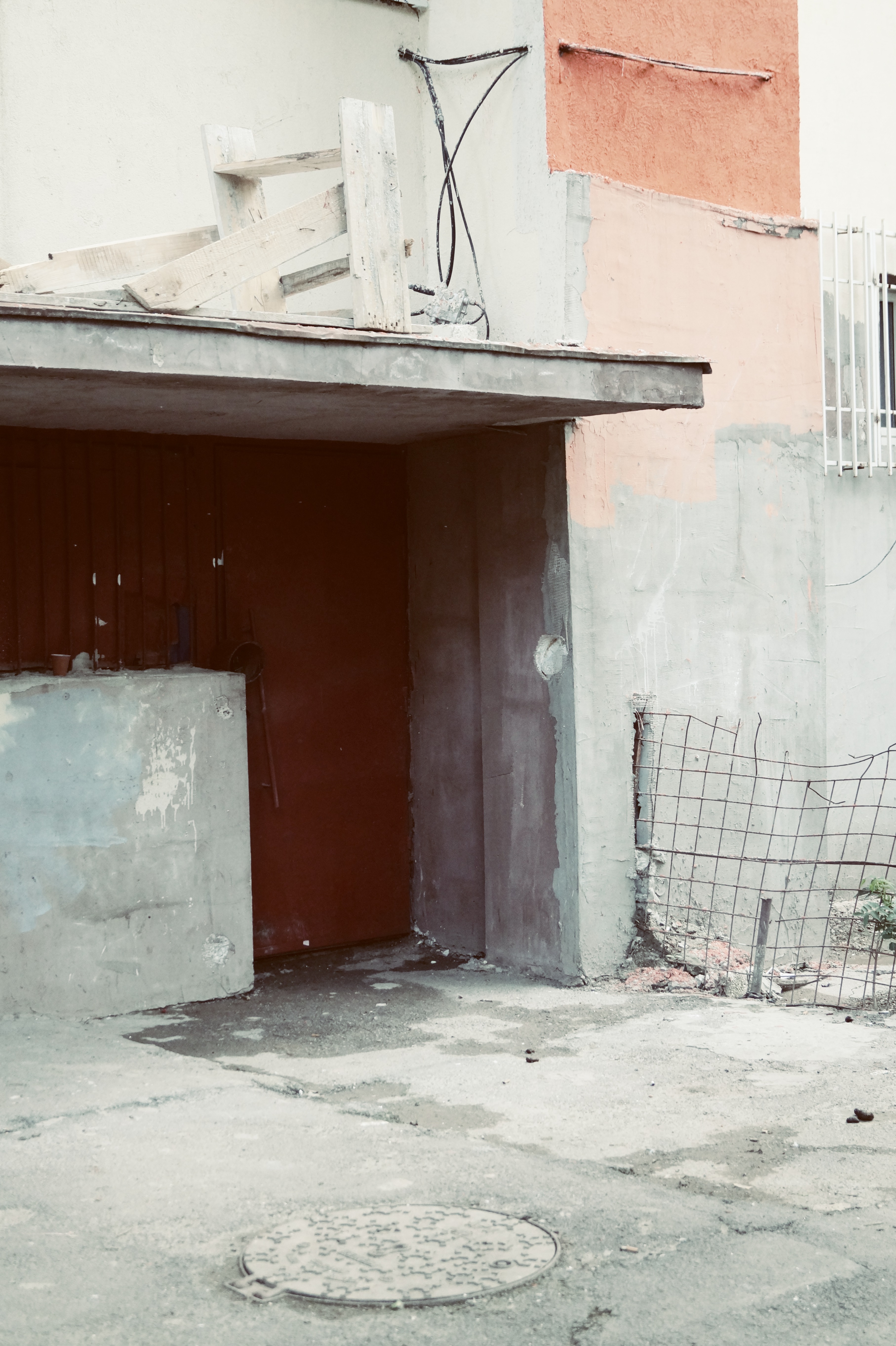
Fragments snatched on the late night bus trips
Littered conversations in fragments and distant memories of other places
The bus arrives
His phone stolen
Walked by an old man to some place of safety
‘No one can stay out there in that’
The heat rises
Only the dog, which sits in the empty palace can remain.
There is never a silence
The midnight hour sees the sex palace hit its rush
More arrests
More shops
And the lady continues to sell her dead flowers
The bright lights of the mall illuminate their quiet rooms,
Drips from the air conditioning provide men with a shower
The kiosk will never shut and the lamps never go to glooming
The park in the early hours a hub of monotony and excitement
The ladies of the night parade
The ladies walk their cats
And the wild dogs roam in packs with red eyes
Don’t chase them, though I do, it’s my exercise for the day
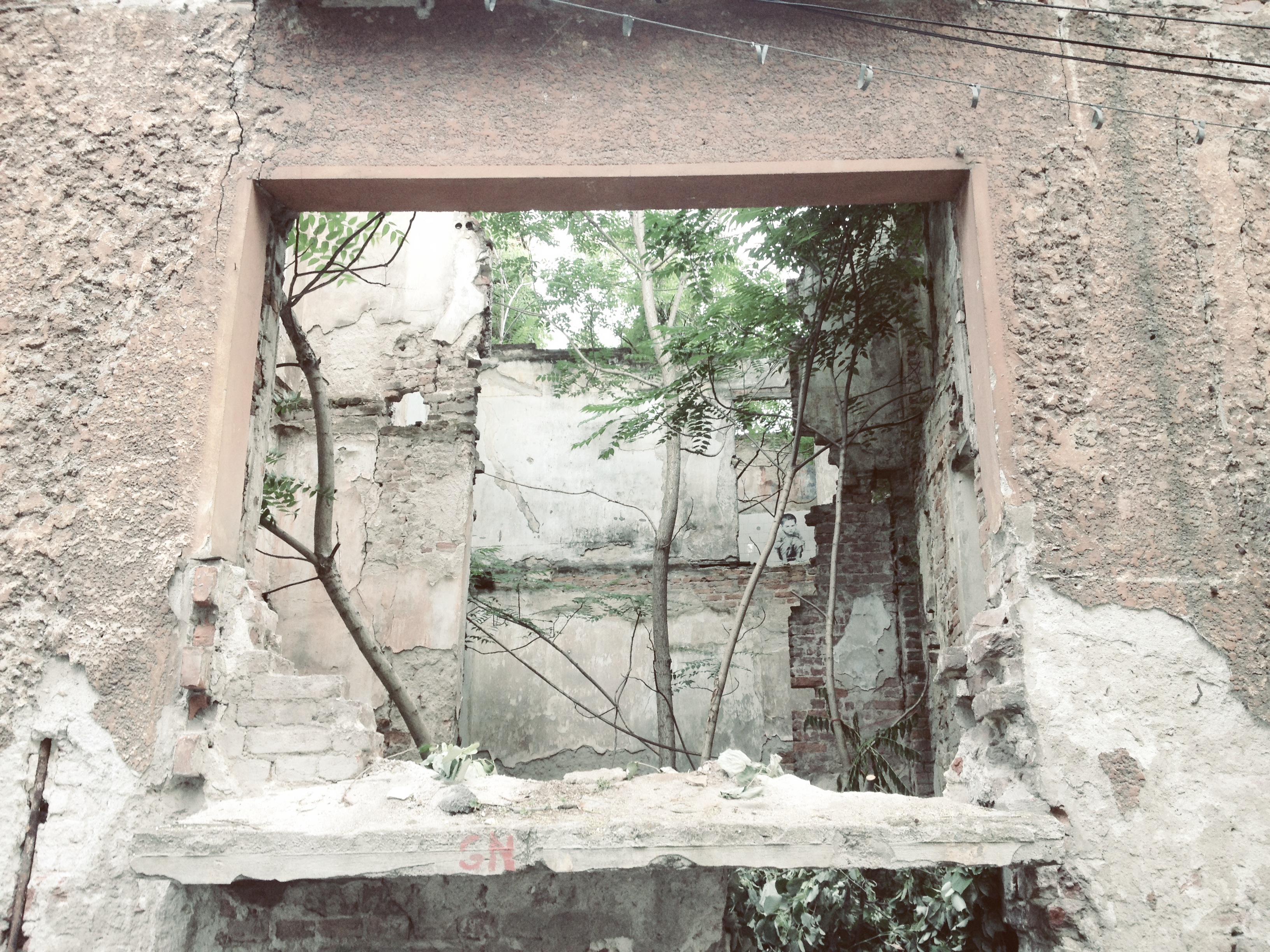

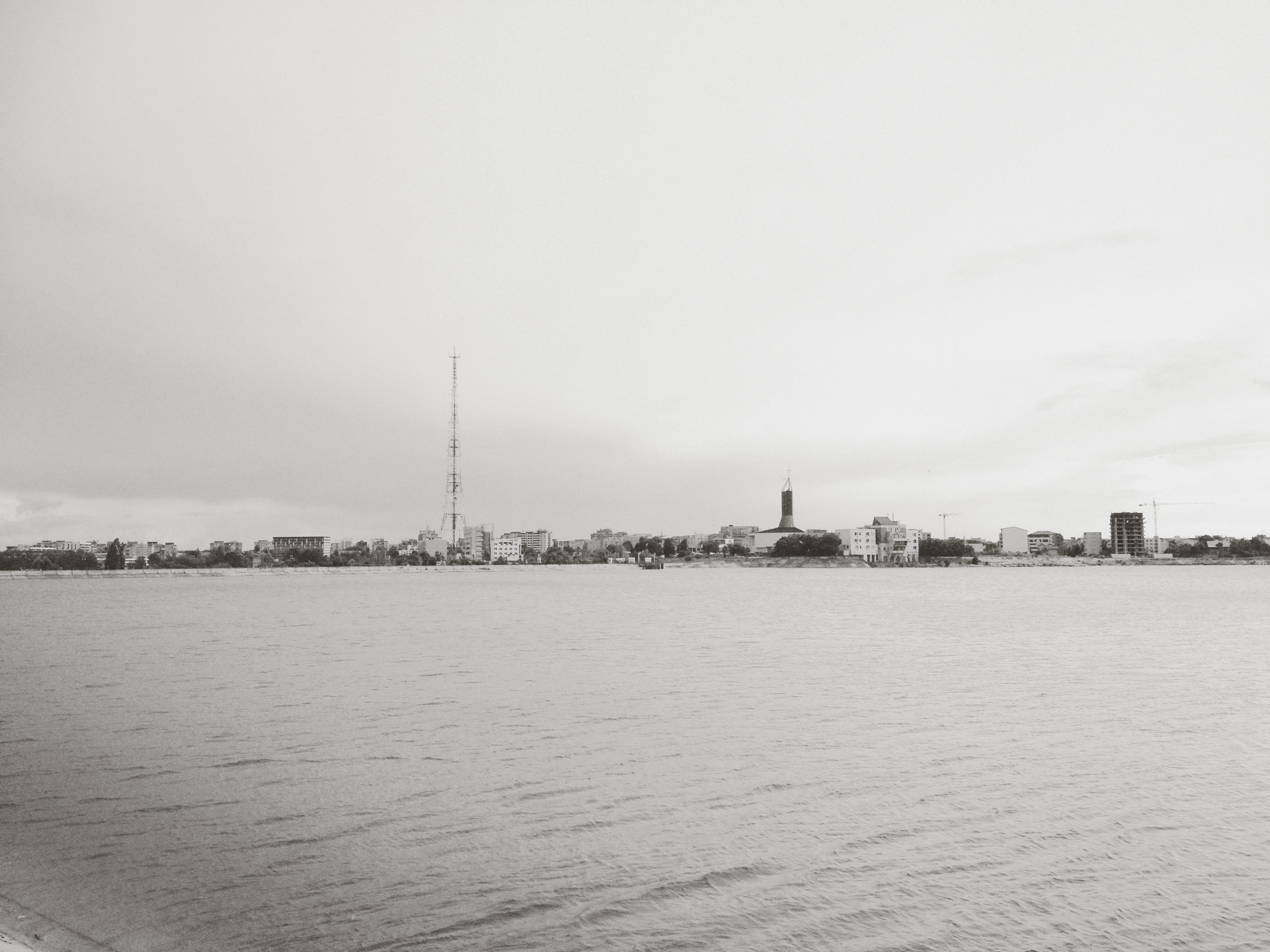

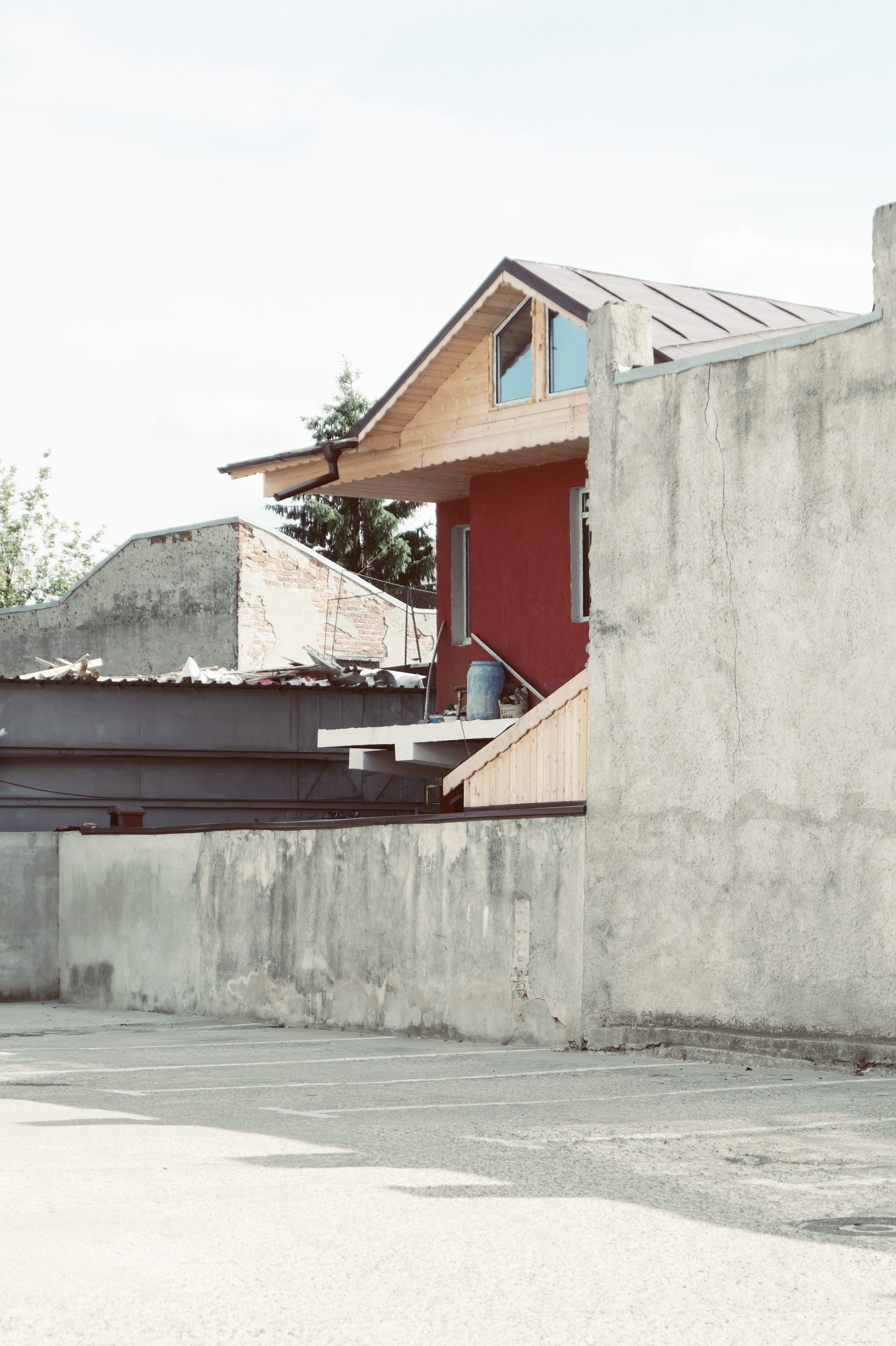
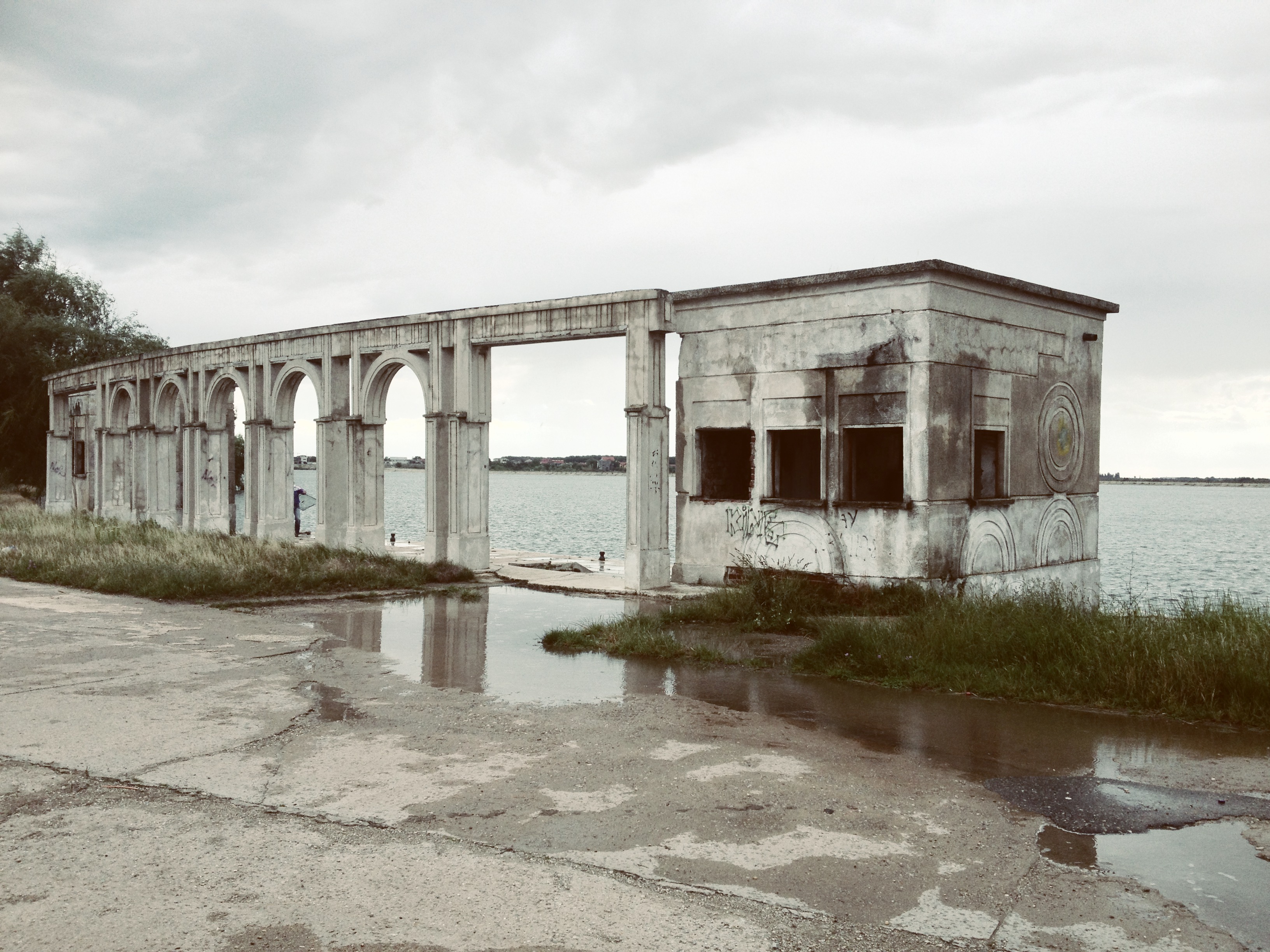
A maze in concrete form.
Suffocated
In aspiration of sophistication.
Endless sympathy,
Play is not a mode of expression; It functions as a joke, of which there are none.
Together in the city; as alone.
Through muddled steps of infinite departure,
The infamous 20 gallons.
The exhaust of salutation.
Between pauses, between the gasps
As mode of indignations
Endless rapture.
The old lady who steps out to the pavement from her house
And falls
And scorns me for helping her.
This is a city in an endless state of becoming, yet in its decay, has lost sight as to what the state might be. Waiting in partial light for some news of home, I am struck by how the city does not let me sleep, in constant motion, constant construction and deconstruction. I watch a man teach his son to steel. Suspicion and adversity, a mistrust for any object, person as knowledge, when trying to become, one must gather. Objects allow us to take on form. Such objects, when they cannot be obtained through fiscal means, need to be found, need to be got. In places of plenty, where the meek tourist flaunts an open zip, exchange, something for the sensation of having lost, is deemed to be only a fair sampling of local dialog. When in the dusk hours, the city changes, all becomes less translucent. The lady with the rabbits in the cardboard box puts the box in a polythene bag and carries it home, minus one rabbit. The man drinks a cup of cold Nescafé, 3 in 1, the drink a la mode and lights another cigarette, the lights don’t change, and the old lady, sensing calm, crosses the unmarked highway. When sat in bright smoky room, I am thankful for the cheap pasta and new friendly faces and old friends. The beauty of this city, in all its hardness never seeks to amaze. And in the back room, a man begins to sing, such sadness. The ruins will still crumble but we can still forge some strange archaeology of present, rather than let it drift in to the archive of its own decay.


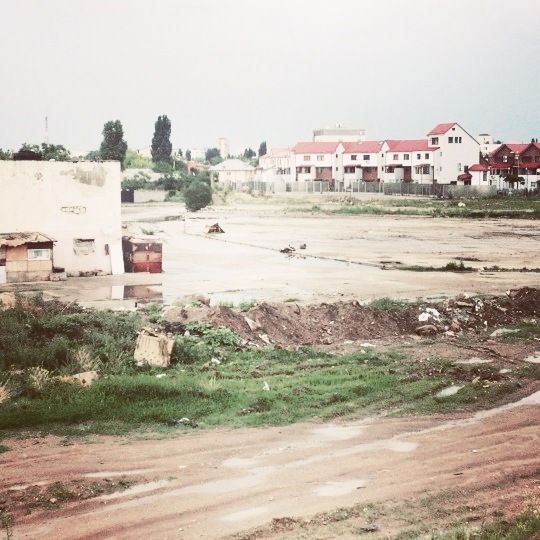
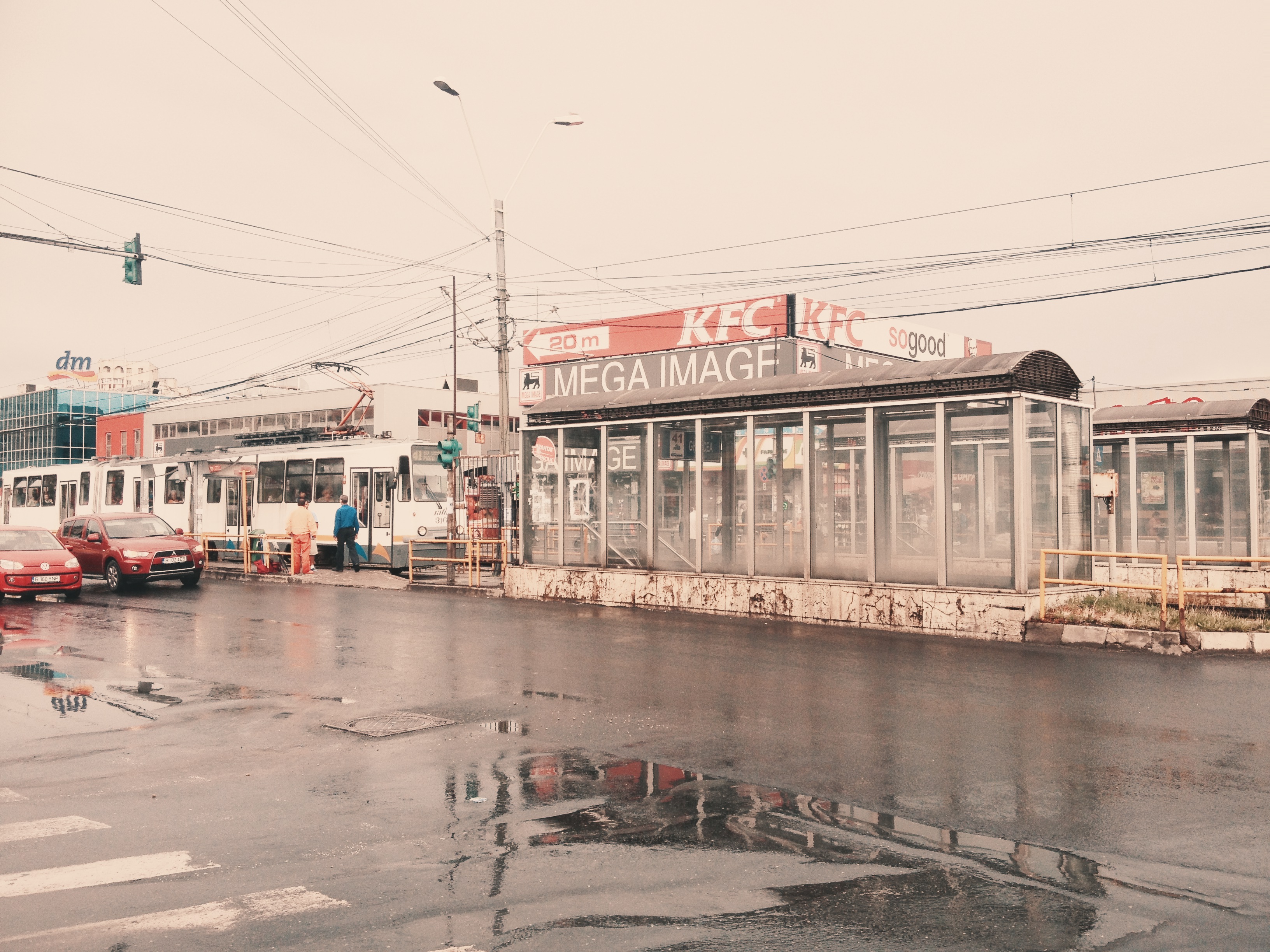

The city in motion, the movement of the mass through the city; some how from a distance; no individual story delineations and the image formed is that of an outsider; grasping key motions of the city which can be used to reflect a overview as to how the city functions. Arriving back to a city; each city as its own unique choreography. Arriving to walk. Arriving to learn.
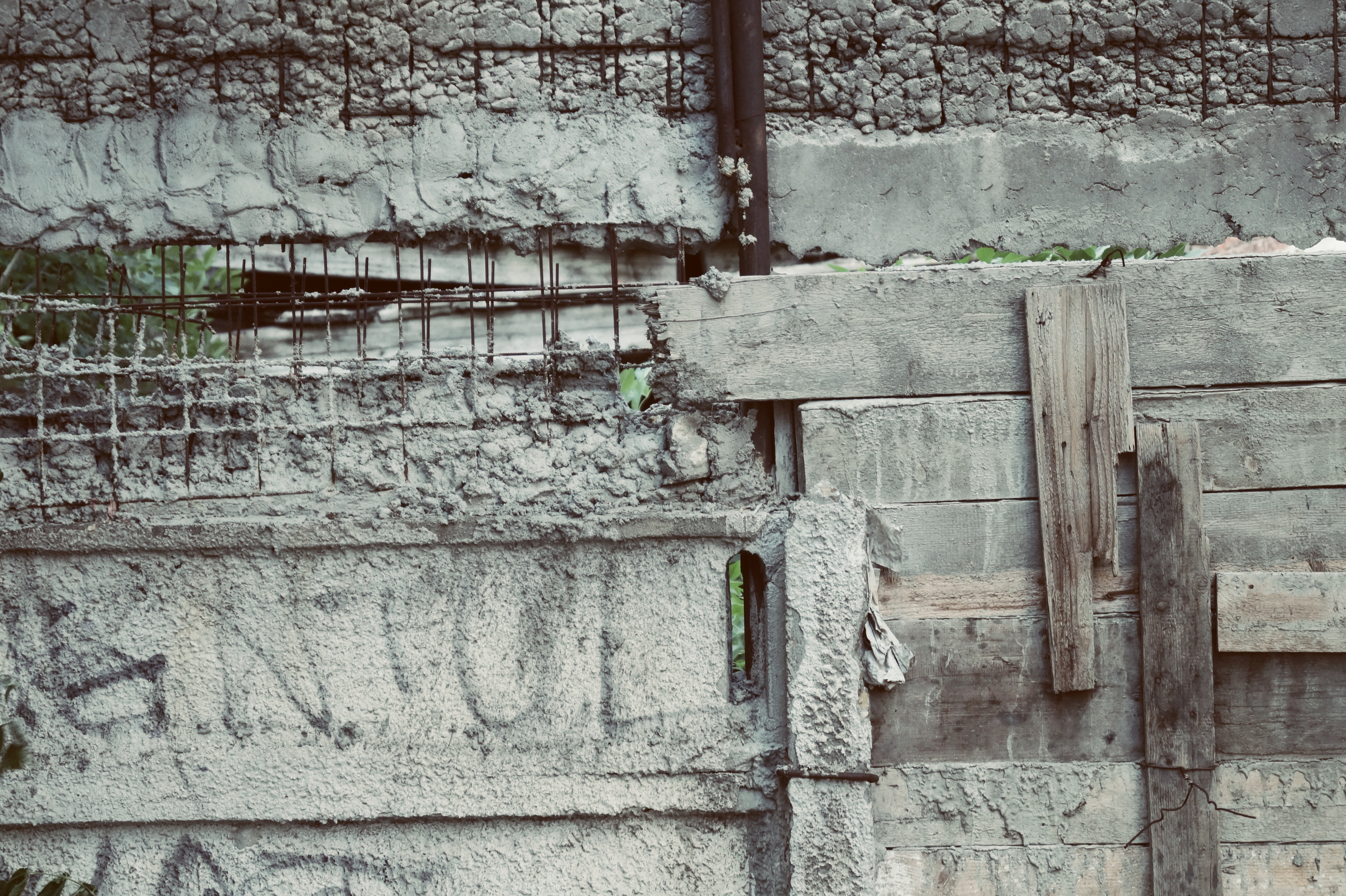
The city as an endless studio; an endless map of encounter and suggestion; of form and conclusion.
As fragments the city takes form; the body collects and in turn creates an imprint of its encounter; this forms a practice.
( All images copy right to Beatrice Jarvis; permission needed for reproduction)
The Human dress is forged Iron
•February 7, 2013 • Leave a CommentCruelty has a Human Heart,
And Jealousy a Human Face:
Terror the Human Form Divine,
And secrecy the Human Dress.
The Human dress is forged Iron
The Human form a fiery Forge,
The Human face a furnace seal’d,
The Human heart its Hungry Gorge.
( William Blake. A Divine Image. 1789)

A hurling; throwing; contorting; roaring. and then a peace, to let it pass and to breathe and to focus on some clarity, even if such clarity is a light moving over a rock which has been displaced.
To ask a question; simply to appreciate complexity, and then to allow freedom from it. To cling to the precious in suffocation, to let it go.
How do we know another? How do we communicate the knowledge which besieges the mind upon the human form into some movement? what can be concealed and what cannot help but be revealed.
Catharsis; perhaps, ritual, trance, movements which, stepped in tradition allow us to make sense of the passages and journeys of human life. And such life, in all its glory, ugliness, unrest and
To appreciate the impossible science of the uniqueness of being. That one does not need to even fully know the self, and perhaps if one did, such temporality would have to soon shift in order that consciousness continue to develop and evolve.
‘the last resonance of youthful laughter fade into silence.’
But some other laughter will form. for such road is long and our shoes can be fixed.

Often when I walk the forest, even the city forest, I can find a peace, some place in which to exercise reflection as to the entire city means, to be alone in a forest in a city, is something most strange. To stand, seeking silence from the urban drone and to wait to hear something of how the earth speaks. As if somehow I might learn such a language even now after such years have past.
When thinking of Blake’s Divine Image, I am struck again by the relationship between innocence and childhood, and least when childhood should fade that we must employ the power of the imagination often above the power of rationality and order. This can not be seen as a moral platitude as some suggest, rather a deep founded hope, grounded in a deep mistrust of authority; that seeks the individual alone to know that he or she has the power to change. Yet, today, how does such power manifest? Back to the city and the endless drone and the monotony and futility of the political specter; and how do we change? Can we simply hide in the forest and will our imagination to take us some place of softness? Surely this is not change?
Moving with such sensations of the cyclical and the cynical, moving with some sensations of the personal and the self in relation to the political, this is not change, perhaps simply an awareness, a daily meditative practice; that instills some functionality into the ultimate disfunctionality.
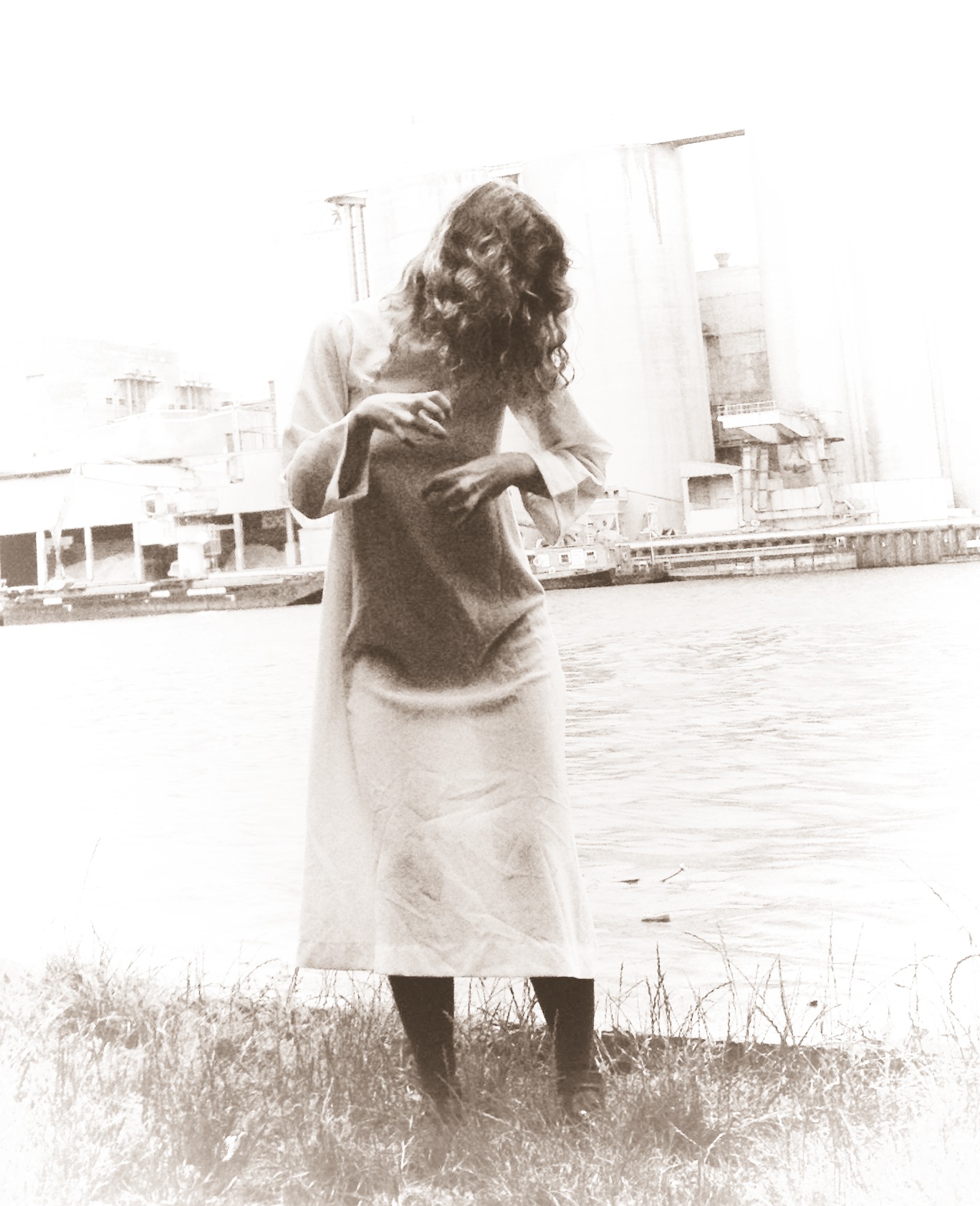
‘Youth of delight, come hither,
And see the opening morn,
Image of truth new born.
Doubt is fled, & clouds of reason,
Dark disputes & artful teazing.
Folly is an endless maze,
Tangled roots perplex her ways.
How many have fallen there!
They stumble all night over bones of the dead,
And feel they know not what but care,
And wish to lead others, when they should be led.’
( William Blake. The Voice of the Ancient Bard. 1794)

( the breaking of dreams)
•January 27, 2013 • Leave a CommentThe coming of spring in a bleak mid winter.
( the breaking of dreams)
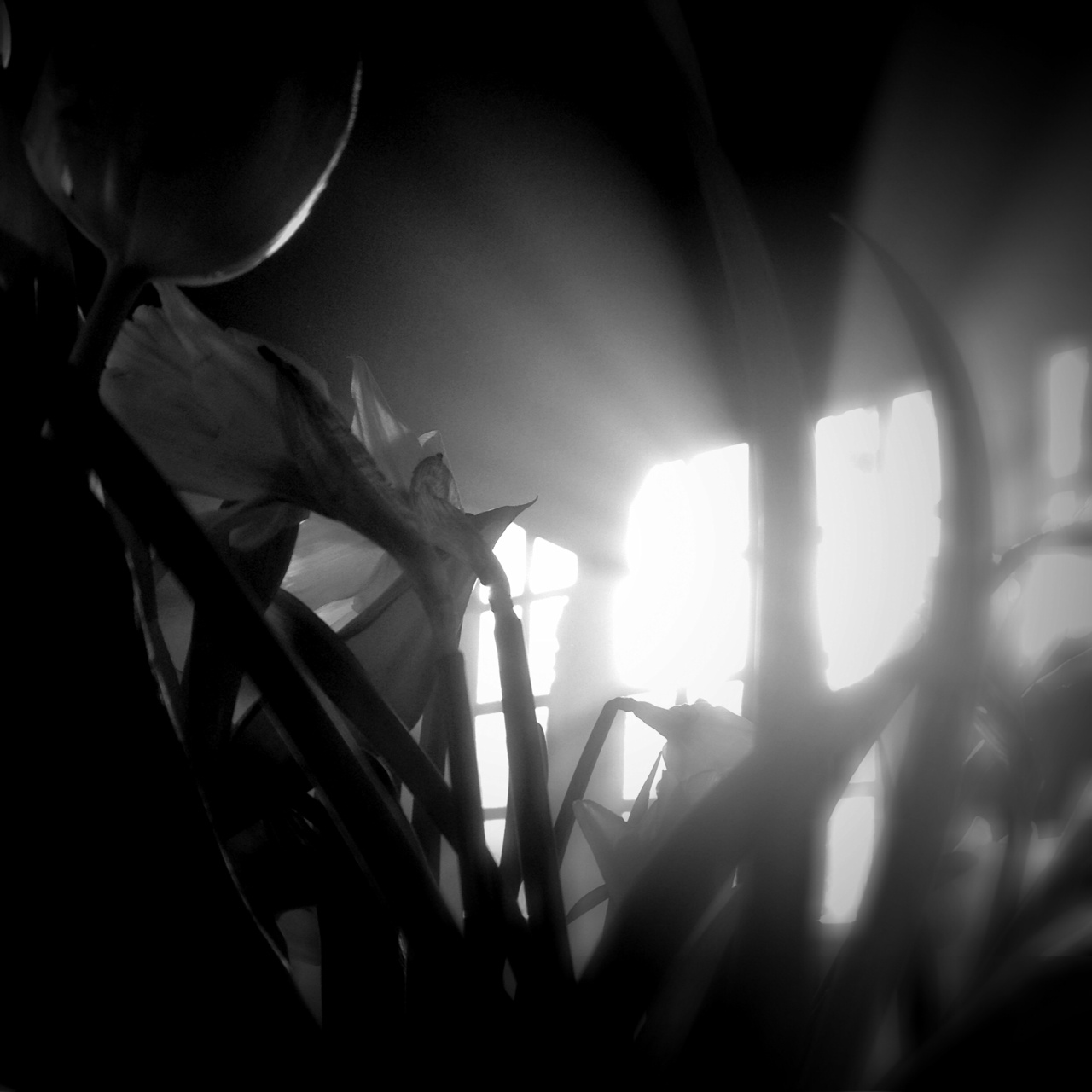
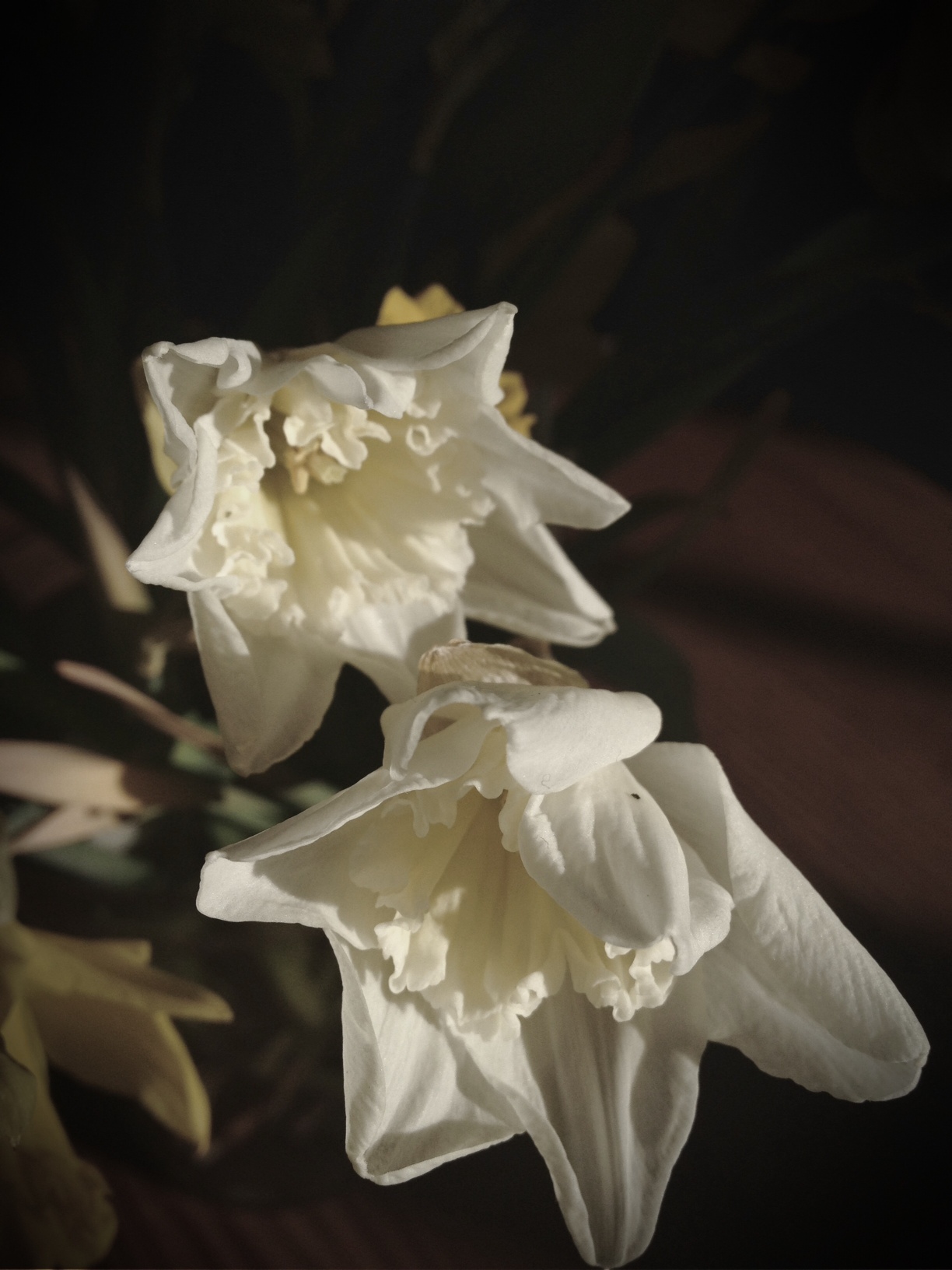
The daffodils are over priced in the plastic buckets at the supermarket. I buy some and cut off the stems and they die much faster than I hoped. I could add life enhancer but I don’t seem to have any and the supermarket ran out.
….
The same language that tires and exhausts all compassion. we speak, although silence would often hurt less as words echo about dusty rooms, finding places to hide and staying there watching and waiting to be found again.
……
How perhaps to allow the body to be free from such endless influence, a troubled sea of contradiction and influence unmarked by the weary conscious mind. To jump into the sea of the crowd, to allow ourselves to mutate and never to ask for a mirror. What to not see? The eyes are tired, the make up run, the clothes tattered and somehow still a grace.
. …
The man stands waiting to be saved in some troubled boat in silent turmoil of a sea where some evil spirit twists him and heralds her voice that one of us must not be saved. No one can be saved I repeat , we must help ourselves. A hand can be reached but we must help ourselves. The door is closed and the noise of the city marches on.
……
But hurt fades? a voice asks.
“As objects of contemplation, images of the atrocious can answer to several different needs. To steel oneself against weakness. To make oneself more numb. To acknowledge the existence of the incorrigible. ”
― Susan Sontag, Regarding the Pain of Others
…….
The light on the flowers will fade, but for a moment they seem more beautiful than anything witnessed, these cheap super market daffodils, yet such source of strange delight.
…..
Days of non sleep, restless fretful exhaustion, consuming, falling, dreams of some world I do not wish to know. The light comes now and the black out curtains have been lost so it will flood endlessly in.
“History, despite its wrenching pain, cannot be unlived, but if faced with courage, need not be lived again.”
Maya Angelou
to tred ( notes towards performance)
•January 17, 2013 • Leave a Comment
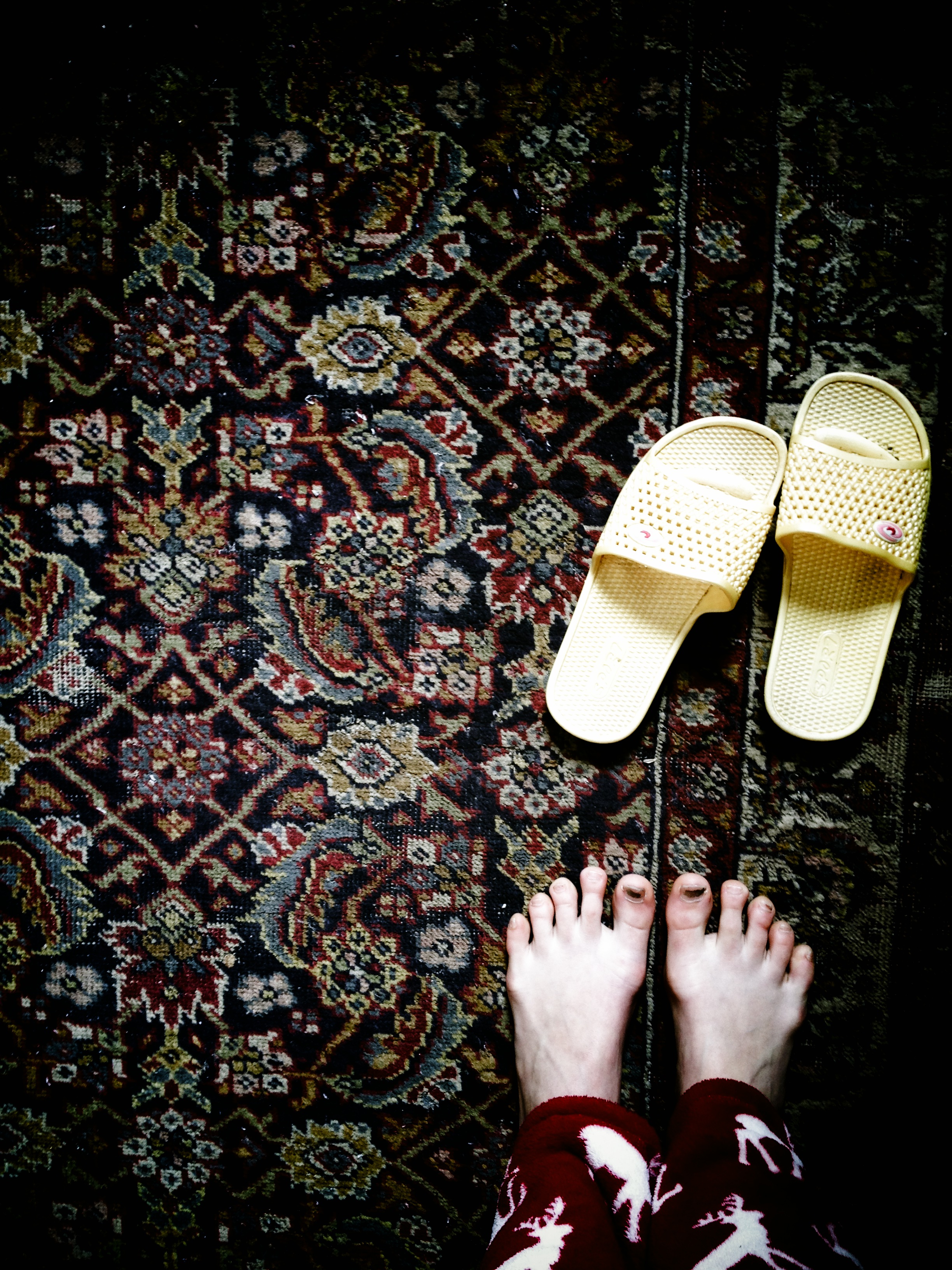
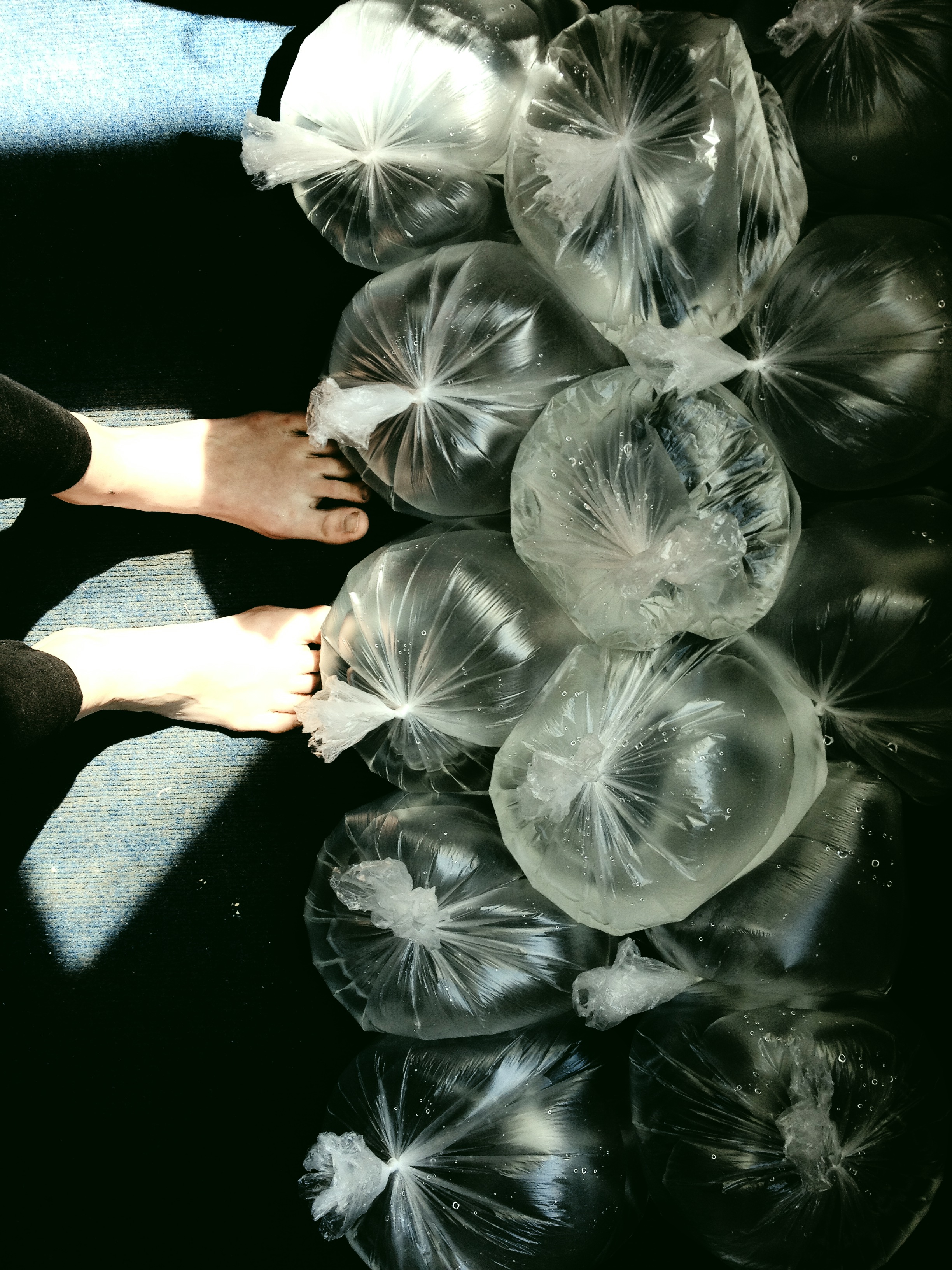
1.
His feet enter to the earth.
Breathing to some core of the surface.
His spine moulds to the floor as though he might crumble. His world seems to dissolve as though he might disappear with the smoke that fills the dirty stage.
We do not see his eyes and will never know his scent.
There is almost fire in such dense fog.
To appear to disappear into a world his own which we are so eager to join.
Then he departs. The scene is cleared.
2.
It is too hot now, and there is a thick carpet on the walls, almost as though it could suffocate, she paces and his smoke has left thick stains in her white hair. They will never met and she can no longer raise her arms. A heavy waltz alone. To brush her hair. Hair spray and cheap perfume; she still applies the lipstick.
3.
purity; white, clinical, unfeeling. it is cold, but neutral.
what would happen when we merge all we see of these worlds and allow them to pass. To become a state which we cannot describe ourselves; yet somehow this becomes something known.
The bag. The Void. The weight. The light the heavy; the sense that we are truly such a container as this. There are bags all over the floor and somehow they are becoming identities.
She wears nothing; like when the business man began to understand and helped somehow to ease us into nurturing the neccessity for such disbelief. as fluid; as form so fresh; that we can no longer see her soul; yet she could be perfect; if she were to have a face.
between the fingernails
•January 15, 2013 • Leave a Comment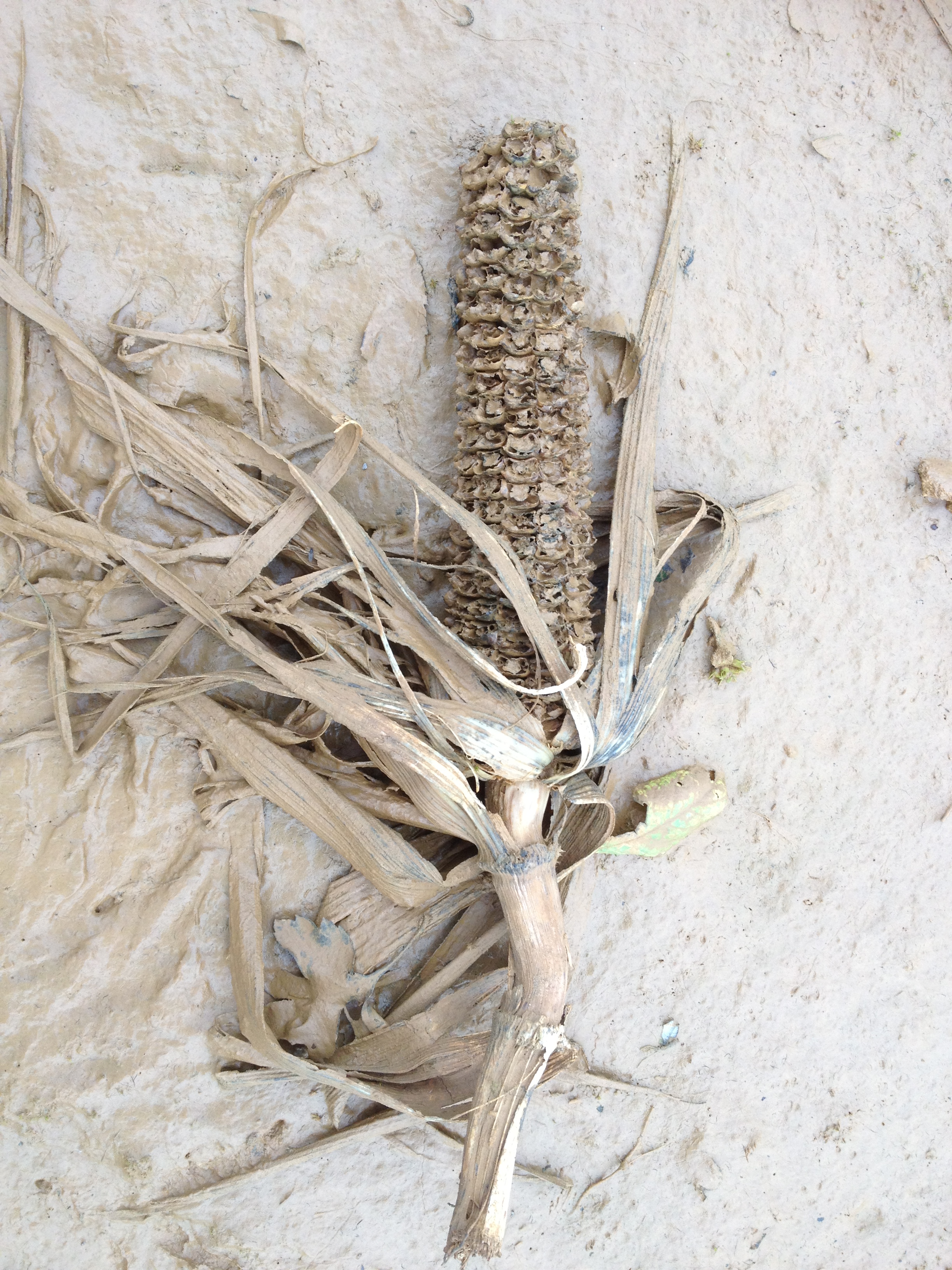
They are tredding the mud into the city.
There is dirt behind the finger nails. Still some trace of the rushing wind in the hair perhaps.
Then it plumets, down between grey endless grey tunnels and visions of some future unmet.
How does one walk in the city? how does one run up a hill?
How can the pace be kept the same.
His soul sinks into capitalist slumber and pauses to eat a neatly wrapped sandwich and a weak coffee
The souls of the hills, I read the Tain, and I close my eyes on the fast train imagining that this could be the countryside.
we are departing.
we are arriving.
I close my eyes and I see the imprint of corn in the clay and a hands making a new fence down a countrylane.
I am lost in the maze of this city and can no longer say its name.
a struggle. a meeting.
•January 15, 2013 • Leave a Comment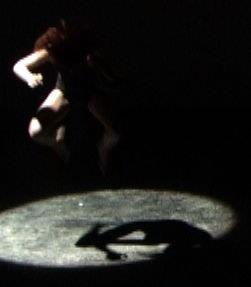
When in some light the body moves, with a tired worn grace, it marches towards a future unmet with weary footsteps; and in this solo we begin to see the ‘ I’ emerge.
But who is this I? the endlessly moving figure pants and sweats, only moments of grace will ever emerge and in such moments we are fooled with deception, for the hours of toil and endless struggle is now concealed.
What do we want to see? We are paying audience. We demand to see something that is ‘ worth paying for’ the man in the suits says as he sits reading the program for the magnificent evening of ‘unbeatable’ performance.
She had no fresh make up on. She was naked. She was cold. She has goose pimples on scared exhausted skin. The black under her eyes was made worse by an unwashed face of last nights make up which had not been washed off properly and left rivers of diluted product as crevasses in her cheeks.
Yet she stood tall. Her muscles were still strong and the bright stage lights allowed us to see all. She was somehow endlessly beautiful and watching the form hurls herself around the dirty grey stage; allowed enchantment.
The man was not sure what he was seeing. There was no set, no music, only the uncanny noise of her grunting and sighing as she hurtled and hurt herself to an exhaustion he would never feel. Yet somehow, he felt an empathy, he saw something in this figure, quite unlike his own, that he felt every morning; an odd seemingly necessary struggle; towards a goal which no other would ever fully grasp.
What did she do? How did she move?
A friend asks the man why he was so moved and how such a tired performance could ever allow him such an epiphany as he routinely described.
She ran, like she was fighting some demon that no one will ever see, yet that haunts all. She jumped so high, like the dusty grey floor was burning her toes, she twisted herself into the smallest and most complex shapes that no one could ever imagine; as though she sought to see inside her own soul and yet knew despite all her bravery that she never would.
The body as a strange; unknown place; that in moments of complex lamentable expression comes to express the darkest moments of our soul. Sociologists may describe this as an understanding of the life world, dancers may call this a successful improvisation; but such categories seem utterly without point when we come to the moment of when we are watching this form unfold.
Her goose pimples are like his. The same which he feels each morning as he dresses like a soilder to journey through some labyrinth of space and time that will never quite be universal for all.
They somehow will never know quite how alike their spirits are; yet when he watches; he can sense; she of course does not see him and perhaps never will.
The curtain falls. He claps. Less eagerly than one would imagine and creeps back into the city night.
 Urban re:passages